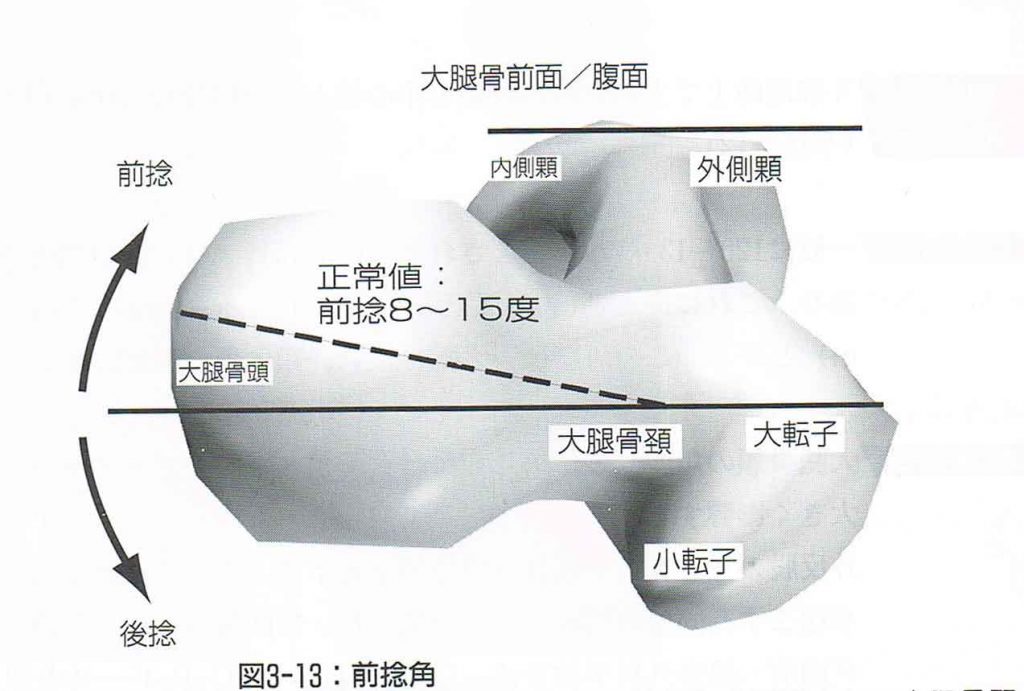
足部だけを見ても限界がある
現場で「足のアライメントを整えたい」というニーズは非常に多いものです。
偏平足や外反母趾、回内足など、見た目や機能の歪みを足部レベルで説明し、足裏のトレーニングやインソールで対応する──こうしたアプローチは世の中に溢れています。
しかし本当にそれだけで改善が可能でしょうか?
もし脛骨の形状そのものに“内湾”という構造的な要因が存在していたら、足部だけに注目しても代償運動を見抜くことはできません。
「代償の連鎖」を理解する
脛骨の内湾とは、下腿骨が内側にカーブする特徴を指します。
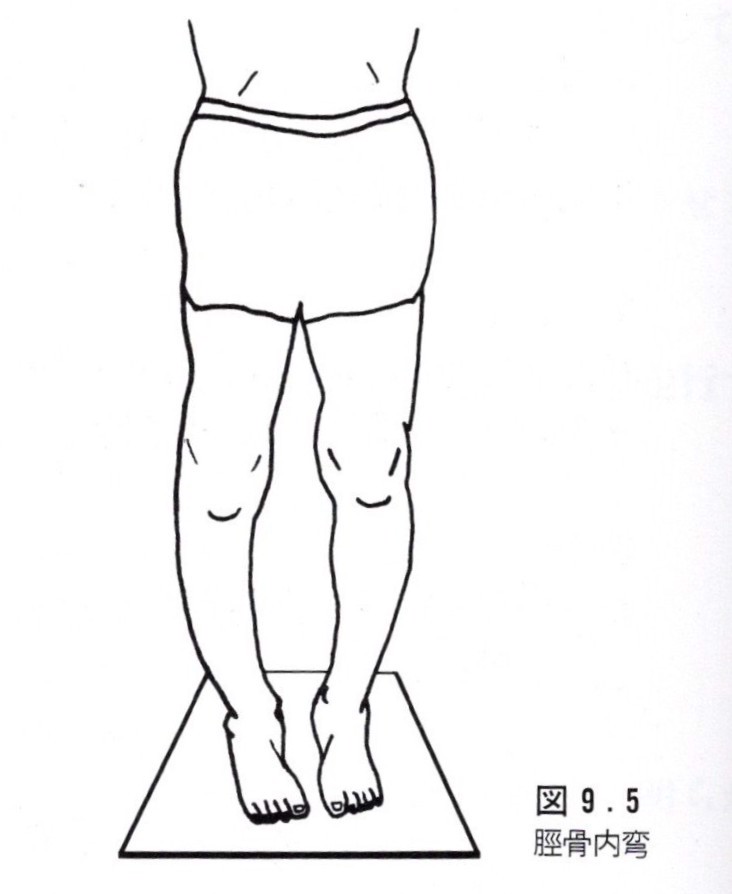
この形状を無視して足部だけを評価すると、何が起きるか。
-
脛骨が内湾しているために、足部は常に回内方向の代償を強いられる
-
足部のアライメント不良と誤認し、矯正インソールや運動処方を行っても改善しない
-
その結果、足関節・膝関節・股関節に負担が拡大する
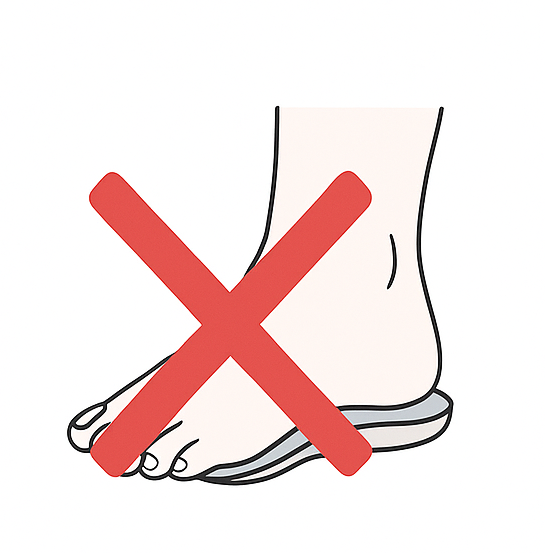
つまり「足部の歪み」と見える現象が、実際には脛骨形状に由来する代償だった、ということが少なくありません。
クライアントの訴えが「足の問題」に見えても、その根本が「脛骨の内湾」にある場合、アプローチを誤れば改善どころか負担を増長してしまうのです。
また脛骨内湾が〇度以上ある場合は足部回内では代償し切れない、と足の神様と言われた「入谷誠先生」が訳した専門書「フットファンクション」に記載があります。

つまり、簡単に言うと脛骨内湾が酷い場合には運動療法では立位での足部アライメント改善はほとんど不可能だと言いう事です。
それを知らないなら、もしかすると改善不可能な回内足のクライアントに「足の内在筋を鍛えると回内が改善しますよ」とエクササイズを強制してしまう可能性があると言う事です…
それって恐ろしい事だと思いませんか?私は恐ろしいです。
評価ができる者だけが“正しい介入”にたどり着ける
冷静に考えてみてください。
-
骨格的に足部が回内に見える人に、「もっと外側で立ちなさい」と指導したら?
-
脛骨の形状が原因のO脚に、膝だけを内側へ寄せるトレーニングを課したら?
これらはすべて「代償を代償で上塗りする」行為に過ぎません。
理論的に見ても改善は不可能です。むしろリスクを高めるだけです。
だからこそ、脛骨の内湾を評価できることは必須条件です。
その上で初めて、足部のアライメントに対して有効かつ安全なアプローチが選択できるのです。
8月31日の勉強会で得られること
今回の勉強会では、脛骨内湾を含む「下肢アライメント評価」を実技中心で学んでいただきます。
-
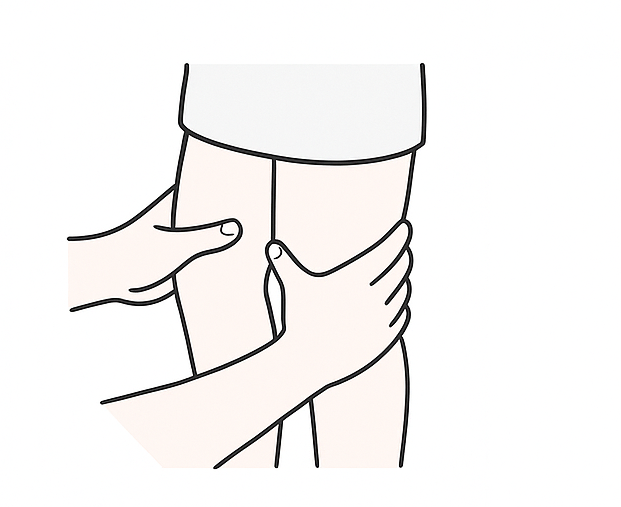
脛骨内湾を評価する徒手検査法
-
足部に現れる代償運動の見極め方
-
股関節・膝関節との連鎖を理解する方法
-
改善プロトコルを誤らないための判断基準
文献で理論を学ぶことはできます。
しかし「実際の人の骨格に触れ、代償を観察し、形状を推測する」経験は、独学では不可能です。
この勉強会は、知識を「現場で使える技術」に変える絶好の機会になります。
最後に
もしあなたが、足部のアライメント指導で確実な成果を出したいなら──
脛骨内湾の評価なしにそれは達成できません。
根拠のない「見た目の歪み」に振り回されるのか、
それとも構造を見抜き、最適な介入でクライアントを救えるのか。
その分岐点となるのが、この評価法です。
8月31日の勉強会で、その技術を手に入れてください。
皆さまのご参加を心よりお待ちしております。