2番目の脱北:北朝鮮の兵士を10元で買収


  私の最初の夫は炭鉱夫でした。結婚式は韓国式のキリスト教教会で非常に年配の韓国人女性によって行われました。この女性は私たちのために村人たちに訴えました。「この貧しい少女たちは多くの不幸を経験しました。私たちは彼らを助けるためにできることは何でもするべきです。」

  私たちが最初に到着したとき、彼女は私にこう言いました。「数年前から、多くの北朝鮮人女性が食べ物を求めて渡ってきました。私たちの状況もそれほど良くないので、私たちにできることは限られています。私たちは通常、彼らを助けるためにほんの少しのお金を与え、少しの乾物をポケットに入れて、さらに内側に行くように促します。時々私たちは彼らが結婚するのも手伝います。」


f:id:pscore:20210215165648j:plain

  私の最初の夫はギャンブルにはまっていました。彼は目を覚ますとすぐにギャンブルをしました。私の夫が私たちのお金をすべて捨てたので、私たちの家は非常に貧しかった。この状況で私の人生を改善する方法はないと思って、私はたった1年後に彼の元を去りました。私は一緒にいた生き残った友人と一緒にイムサンという別の村に行き、しばらくそこに滞在しました。

  1999年の春、私は炭鉱夫を離れる前に貯めた少しのお金を使って韓国の食料品(おかず)を売る事業を始めました。イムサンには韓国人がたくさんいました。私は地元の韓国人の私のビジネスへの関心だけに基づいて、かき集める程度の収入を得ることができました。私の意図は、お金を集めて北朝鮮の家族に送り返すことでした。


  北朝鮮には、自動車工場で働く夫と9歳の息子がいました。家を出た後、二度と息子には会えませんでした。彼のことを一番よく聞いたのは、二度目に北朝鮮に送り返された後、知り合った人からの基本的な情報でした。

  朝鮮の食料品を売っても、長い間安定した収入が得られませんでした。一年後、私の炭鉱夫はどういうわけか私のことを知り、私が集めたお金を要求するようになりました。彼はそれをギャンブルに使いたかったのです。私が彼の要求を拒否したので、彼自身のお金さえ稼ぐことができなかったその男は私を長白山国境警察に報告しました。

  国境当局はすぐに私を逮捕し、最初はキリンフロンティアシティに拘留しました。その地域に朝鮮人を投獄するための特別な刑務所がありました。数日後、私は自分の意志に反して北に送り返されました。拘置所を出る前に、10元札を5枚丸めてビニールで包み、飲み込んだ。このようにして、私は刑務所を出たときに安全にいくらかのお金を持って行くことができました。


  強制送還された後の北朝鮮の刑務所での3日間、身分証明書を確認し、故郷を確認し、刑務所は以前の病院の管理スタッフに私の状況を知らせました。私の尋問者は私に1日1回質問しました。彼らは毎回私に同じ質問を投げかけました。主に彼らは私が中国で何をしているのかについて私に尋ねました。尋問官は、北朝鮮の法律によれば、初めての脱北者は1年間強制収容所に行くと私に言った。二度目は3年間、三度目は5年間の野営地に直面すると彼らは言った。

  尋問官を通して、私は夫がロシアに物資を運ぶ自動車事故で亡くなったことを知りました。彼らはまた、私の息子は祖母と一緒に住んでいると私に言いました。数日間尋問に直面した後、私は他の捕らえられた囚人と一緒に大型車に積み込まれ、送り出されました。


  私のように、車に乗っている私の仲間は皆、北朝鮮を脱出しようとして捕まった人たちばかりでした。彼らはまた、私のようないわゆる犯罪で有罪判決を受けていました。彼らは皆、北部地域の労働農場に引きずり出されました。私はすでに中国で飲み込んでいたお金を持っていきました。私は手形の1つを取り、私の横の銃を持っている警備員にそれを渡しました。

  移動中の車から降りて逃げました。私が前進すれば、最終的には家があったでしょうが、食べ物はありませんでした。お金を渡した男の車を送った後、最初に中国に渡った場所である鴨緑江に向かったのです。
 

f:id:pscore:20210215170143j:plain


HeilongJiangの養鶏場で働きに行く


  1999年に私は国境を越えて2度目の中国に入国しました。私はすでに亡命を経験していたので、2回目はずっとスムーズに進みました。今回は、韓国人が多く住む延辺朝鮮族自治州として知られるキリンの地域に行きました。その地域では、鉄道に沿って西に進み続けると、人口密度の高い地域に出くわします。重要なのは、小さな村にたどり着いたら、たくさんの人がいる場所に行くことです。食べ物を惜しまない人を見つけるのは非常に困難です。

  私は以前、中国の北東部に2年間住んでいたので、習慣に慣れ、比較的言語に慣れていました。もちろん、そこに住む韓国人とはすでに会話ができました。私がさらに西に行ったとき、誰も私が北朝鮮から来たとは思わなかった。

  今回は中国に来てすぐに眉毛をペンシラーで塗りました。これは中国の女性のファッションです。私は自分の正体を隠すために中国のファッションに適応すべきだと言った人々のアドバイスに従いました。

  私が北朝鮮人だと知っている人が多すぎたので、以前滞在した村のイムサンには再入国しませんでした。安全が私の最大の関心事でした。最初に、私は以前に結婚するのを手伝ってくれた同じ老婆に電話をしました。彼女は私をハルビンに向け、そこで私は養鶏場で働く仕事を得ました。


  黒竜江省にあるハルビンに直行し、途中で食べ物を物乞いしました。養鶏場のオーナーは珍しく親切な人でした。彼は私に食事を与え、宿泊施設を提供し、月額500元を支払いました(約65,000韓国ウォンがおよそ$ 6を獲得しました)。彼は私が中国で出会った2番目に重要な人物であり、私を大いに助けてくれた老婆に次ぐものでした。

  2001年までハルビンの養鶏場で働いていました。十分に食べる心配はありませんでしたが、北朝鮮の男の子のことをよく考え始めました。私は家族の経歴を中国人として正当化する身分証明書を入手しました。所有者はまだ私の身元を公開していませんでした。

  中国の身分証明書を取得してから1か月後、養鶏場から製品を輸送した運転手が国境警備隊に私を報告し、すぐに再び北朝鮮に強制送還されました。連れ去られる前にもう一度、ビニールに包まれた250元を飲み込むことを余儀なくされました。


家族との絆、夫と息子とのつながりを断念する


  北朝鮮の裁判所は、私に労働収容所で3年の懲役刑を宣告するよう要求しました。彼らは私の家族と私の故郷との登録されたすべてのつながりを消したと私に言いました。

  チョンサンリハビリセンターに収監されている間、私は新しい道路のために舗装を敷くことを余儀なくされました。犯罪で有罪判決を受けた人々は、ほとんどが私のように国を離れようとした人々であり、他の多くの人々は、彼らが過ちを犯したり、生き残るために経済犯罪を犯す必要があるほど悲惨な状況にあった人々でした。

  日常の人々は飢餓で亡くなり、何人かの人々は警察に殴打されて死にました。死者を埋葬するために働いていたまさにその場所に巨大な穴を掘っている間、私たちは涙を流しました。しかし、人々は何度も何度も死にました。囚人たちは、労働収容所で人間の墓を掘るプロになっていくのでした。


  私が刑務所に連れて行かれた後、私の家族は私を解放するために外部から働きかけました。私の父はまだ十分に若く、元裁判官だったので、多くのつながりがありました。私は刑務所に密輸した250元を、刑期を終えようとしている友人に滑り込ませ、彼らは私の父にお金を与えました。彼はそれを使って当局に賄賂を渡して私の釈放を確保してくれたのです。私は2002年10月にようやく釈放されました。


  釈放されて両親の側に戻った後、私は他の地域に行かないように、または夫や息子を探さないように警備員に誓約することを余儀なくされました。これらのエージェントは、私が犯罪によってすでに家族との関係を断念したことを私に教えてくれました。私は登録された経歴がなかったので、働く場所を見つけることができず、政府から配給を受け取ることができませんでした。


父:「もうお前の面倒を見ることはできない」


  私の父は72歳でした。彼が裁判官を引退してから長い時間が経ち、政府の補助金だけで家計を維持することは完全に不可能でした。もちろん、娘が北朝鮮民の裏切り者であるという批判も多かったのですが、さらに悪いことに私は彼と母を完全にサポートできませんでした。私は仕事を探すことすら許されなかったので、彼らを支援するという考え自体がばかげていました。私は年齢にもかかわらず両親と一緒に暮らすことを恥じていました。
 

f:id:pscore:20210215170320j:plain

  私は元々働いていた病院に行き、復職を懇願しましたが、中国に逃げようとした人を受け入れることはできないと言われました。さらに、治安機関は私が病気であるという言い訳で私を釈放したので、彼らは私が仕事を探し回ることができず、治療を受けるために家にいなければならないと言いました。私の監視を担当する警備員は、私が家を出ないように注意深く見張っていました。


  警備員は私たちの家に頻繁に訪れ、その間は耐え難いパニックで苦しみました。

  私が家を出たという兆候さえあれば、私は刑務所に送り返されるでしょう。両親がとても気の毒に思われ、もう一緒にいられないと悟りました。私は刑務所に出入りしていたので、私たちを養ってくれる夫を得ることができない立場にありました。


  両親の世話をする義務を果たせなかったので、死ぬか、もう一度中国に行くほうがいいと思いました。普通の娘のように一緒にいる理由はなく、両親に老後を見てもらうためのお金を提供したかったのです。私の両親はその時農作業をしており、日を追うごとに彼らの収穫量はより少なくなっていきました。母はますます苦しんでいました。食べるのに十分な食料がなく、次の春まで持ちこたえるのが困難でした。


  次の中国行きのフライトに備えるために、私はいくらかのお金を集め始めました。私は旅に必要なものを細心の注意を払って集め、売る価値のあるものは何でも売りました。私はこれとあれを集めて売り払い、2000ウォンを稼ぐまではほとんど何も食べませんでした。

  2003年2月までに、鴨緑江はまだ完全には溶けていませんでしたが、私の心は期待を持ち始めました。家で餓死するよりも、もう一度危険な旅に出たほうがいいと思いました。家から恵山に行きたければ、電車が一番早いルートだったでしょう。でも、旅行券を持っていなかったので、電車の切符は買えませんでした。

  鉄道病院で働いていたので知っている駅に行くことにし、運転士にお願いしました。私は彼に1000ウォンを滑らせ、彼は私を恵山まで追いやると言いました。彼は私がすでに中国で捕まって送り返されたことを知りませんでした。今回私が中国に行くつもりだったと彼が知っていたら、彼は私を駆り立てなかったかもしれません。最後に、2月20日に彼は私を恵山国境地域に連れて行ってくれました。・・・


こうして、ミョンオクは決死の覚悟で3度目の脱北を試みるのです。彼女の運命はどうなっていくのでしょうか?次の投稿でお会いしましょう!


私たちのウェブサイトはこちらから▶️http://pscore.org/home-ja/

お読みいただきありがとうございました!


Second defection: buying off a North Korean soldier for 10 Yuan.


  My first husband was a coal miner. The wedding was performed by a very old ethnic Korean woman at a Korean-style Christian church. This woman appealed to the villagers for us, saying, “These poor girls have had much misfortune. We should do whatever we can to help them.”

  When we first arrived she told me, “Since a few years ago many Korean women have crossed over seeking food. Our circumstances aren’t so good either, so there’s only so much we can do. We usually give them a little money to help them along and slip a little dried food into their pockets, urging them to go further inward. Sometimes we help them get married.”

  My first husband was addicted to gambling. As soon as he woke up he gambled. Our home was extremely poor because my husband threw away all our money. Thinking there was no way my life could improve in this situation, I left him after just one year. I went to another village called Imsan with the surviving friend I had come with and we stayed there for a while.


  In the Spring of 1999 I used a little money I had saved up before I left the coalminer to start a business selling Korean groceries (side-dishes). In Imsan there were a lot of ethnic Koreans. I was able to scrape by and make a few earnings based solely on the interest of the local Koreans in my business. My intention was to collect the money and send it to my family back in North Korea.

  In North Korea I had a husband who worked in a car factory and a son who was nine years old. After I left home I couldn’t see my boy again. The most I heard about him was some basic information from a person I knew after I was sent back to North Korea the second time.

  Selling Korean groceries didn’t give me a stable income for a very long time. After a year my coalminer husband somehow found out about me and came demanding the money I had collected. He wanted to use it for his gambling. Because I refused his demands, that man who couldn’t even earn his own money reported me to the Changbai Mountain border police.


  The border authorities quickly arrested me and held me in detention at the Kirin frontier city at first. There was a special prison specifically for imprisoning Koreans in that area. After a few days I was sent back to the North against my will. Before I left the detention center I rolled up five 10 Yuan bills, wrapped them in vinyl and swallowed. In this way I could safely take some money with me as I left the prison.

  During my three days in a North Korean prison after being deported I had my identification checked, my hometown confirmed and the prison informed my former hospital’s management staff of my situation. My interrogators questioned me once a day. They threw the same questions at me every time. Mainly they asked me about what I was doing in China. The interrogators told me that according to North Korean law, first-time defectors go to labour camps for one year. They said second-timers go for three years and third-timers face five-year’s encampment.

  Through my interrogators I learned my husband died in a car accident transporting goods to Russia. They also told me my boy was living with his grandmother. After facing interrogation for several days I was loaded onto a large vehicle with other captured prisoners and sent away.

  My companions in the vehicle were all caught attempting to escape North Korea, like me. They had also been sentenced for that so-called crime, like me. They were all dragged away to a labour farm in the northern regions. I had already defecated and taken with me the money I had swallowed in China. To avoid the fate of my companions in the vehicle, I took one of the bills and gave it to the guard holding a gun beside me.

  I got out of the moving car and fled. If I went forward there would have been houses eventually, but there wouldn’t have been any food. After the man I had given the money sent the car away, I turned around and started out for Amnok River the place where I had first crossed into China.


Going to work at a chicken farm in Heilong Jiang


  In 1999 I crossed the border and entered China for the second time. Because I had already experienced defecting, the second time went a lot more smoothly. This time I went toward the area in Kirin known as the Yanbian Korean Autonomous Prefecture, where a lot of ethnic Koreans lived. In that region, if you keep going west along the railway you’ll come upon a densely populated area. The key is to go to where there are a lot of people if you end up in a small village it’s very hard to find people who can spare food.

  Since I had previously lived two years in the northeastern part of China I had become familiar with the customs and relatively used to the language. Of course, I could already have conversations with the ethnic Koreans living there. When I went further west nobody suspected I had come from North Korea.

  As soon as I came to China this time I penciled my eyebrows, which is the fashion among women in the country. I followed the advice of those who said I should adapt to Chinese fashion in order to hide my true identity.


  I didn’t reenter Imsan, the village where I had stayed before, because there were too many people who knew I was North Korean. Safety was my biggest concern. First, I called the same old woman who had helped me get married before. She pointed me toward Harbin, where I got a job working at a chicken farm.

  I went straight to Harbin, which is located in Heilongjiang province, begging for food along the way. The owner of the chicken farm was an uncommonly kind person. He fed me, provided lodging and paid me 500 Yuan per month (around 65,000 South Korean won roughly $6). He was the second most important person I had met in China, next to the old woman who had helped me so much.


  I worked at the chicken farm in Harbin until 2001. I had no worries about eating sufficiently, but I began to think a lot about my boy in North Korea. I obtained an identification card that legitimated my family background as Chinese. The owner still hadn’t exposed my identity in public.

  A month after I obtained my Chinese identification card, a driver who transported products from the chicken farm reported me to a border patrol unit and I was immediately deported back to North Korea again. Once again I forced myself to swallow 250 Yuan wrapped in vinyl before I was taken away.


Erasing my family ties, giving up my connection to my husband and son


  A North Korean court demanded I be sentenced to three years penal servitude in a labour camp. They told me they had erased all registered connections with my family and my hometown.

  While imprisoned in the Jeungsang Rehabilitation Center I was forced to lay pavement for new roads. The people convicted of crimes there were mostly people like me who tried to defect from the country, and many others were people who were in such dire straits that they made mistakes or needed to commit economic crimes to survive.

  Everyday people died of hunger, and some people were beaten to death by police. We shed tears while we dug huge holes in the very spot we were working to bury the dead. But people died again and again. Prisoners became experts at digging human graves in the labour camp.


  After I was taken to prison my family worked from the outside to get me released. My father was still young enough and was a former judge himself, so he had many connections. I slipped the 250 Yuan I had smuggled into prison to friends who were finishing their prison terms and they gave the money to my father. He used it to bribe officials into securing my release. I was discharged in October 2002.

  After returning to my parents’ side upon release I was forced to pledge to security agents not to go to another region or to seek out my husband or son. These agents informed me that I had already given up ties to my family through my criminality. I had no registered history so I couldn’t find a place to work or receive rations from the government.


Father: “I can’t take care of you any longer”


  My father was 72. It had been a long time since he retired from being a judge and maintaining his family with government handouts alone was completely impossible. Of course he heard a lot of criticism about his daughter being a traitor to the Korean race, but even worse was the fact that I was completely unable to support him and my mother. I wasn’t even allowed to look for a job, so the very idea of supporting them was preposterous. I was ashamed of living off my parents despite my age.

  I went to the hospital where I had originally worked and begged to be reinstated, but they said they could not receive people who had tried to escape to China. More still, the security agency had released me under the excuse that I was sick, so they said I couldn’t go around looking for work and had to stay at home to be treated. The security agent in charge of monitoring me kept a close watch to make sure I didn’t leave the house.

  He frequented our home and between the time that he came and went my chest filled with nearly unbearable panic.


  If there was even a sign that I had left the house I would be sent back to prison. I felt so sorry toward my parents that I simply couldn’t be with them any longer. I was in a position where, since I had been in and out of prison, I would not be able to get a husband who could provide for us.

  I realized that since I couldn’t fulfill my duty to take care of my parents, I would be better off either dying or once again setting out for China. I had no reason to stay with them as a normal daughter would, and I wanted to provide money for my parents to see them through their old age. My parents did farm work then and with every passing day their crop yields grew smaller. My mother grew increasingly distressed. We didn’t have enough food to eat and couldn’t wait until the next spring’s growth.


  In order to prepare for my next flight to China, I started to collect some money. I meticulously gathered the things I would need for the journey and sold anything that was worth selling. I gathered this and that to sell off and rarely ate to the point that I eked out 2000 Won.

  By February of 2003, though the Amnok River still hadn’t fully melted, my mind started to race with anticipation. Rather than starving to death at home, I thought I would be better off taking that dangerous journey once again. If I wanted to go from my home to Hyesan the quickest route would have been by train. But since I didn’t have a travel certificate, I couldn’t buy a train ticket.


  I decided to go to the train station I knew from working at the railway hospital and asked for a favor from the train operator. I slipped him 1000 won and he said he would drive me up to Hyesan. He didn’t know I had already been caught in China and sent back. Had he known I was intending to go to China this time, he might not have driven me up. Finally, on February 20th he took me to the Hyesan border region....


In this way, Myeong-ok tries to escape from North Korea for the third time with the determination of death. What will happen to her fate? See you in the next post!


Visit our website! ▶️http://pscore.org/home/

Thank you for reading! :)


こんにちは。今回は、脱北者による実体験談をお届けします。(English Below)


ハン・ミョンオク(2006年脱北)の回顧録 


「わが民族」というスローガンは誰のために


  去年の4月28日、私は北朝鮮難民の強制送還を阻止するための集会に出席するために、ソウルの鍾路にある中国大使館の前に行きました。中国政府は中国にいる脱北者を不法滞在者と呼び、北朝鮮に強制的に帰国させるつもりでいます。私たちの集会はこの行動に反対するために開催され、韓国のキリスト教団体や国際人権団体が広く参加しました。


  難民と移民の権利を擁護するアメリカの非政府組織によると、1年で中国は5000人もの脱北者を強制帰還させます。脱北者を難民と見なすべきか、違法な侵入者と見なすべきかは中国で半世紀以上も議論の対象となっていました。


  これまで、中国は犯罪人引渡条約の支援の下、北朝鮮難民を強制送還してきました。国境を越えて来た空腹の飢えている人々は犯罪者として扱われるのです。飢饉が始まった90年代半ば、30万人以上の脱北者が中国に渡りました。現在、中国の強力な本国送還政策の結果、その数は5万人から10万人にまで減少しています。


f:id:pscore:20210213224352j:plain

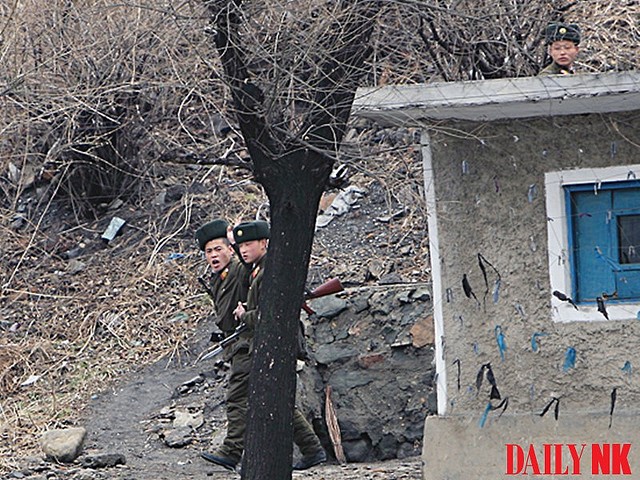
中朝国境を警備する北朝鮮兵士

North Korean soldiers guarding the China-North Korea border

  昔、ある中国の報道は、1978年7月に中国と北朝鮮の公安当局が「国境地域の安全と社会秩序の協力協定の維持」と呼ばれる条約に署名したと発表しました。これを通じて彼らは脱北者のリストや秘密の国境侵入が発生したときの写真を提供することに合意しました。

  条約後、中国は脱北者を捕まえたときはすぐに脱北者を北朝鮮に引き渡した。中国人が北朝鮮に逃げる事件はなかったので北朝鮮はこの協定を履行する必要はありませんでしたが、中国は、この問題に関する北朝鮮の要求に素直に従い続けています。


  脱北者が中国で捕まった場合、彼らは拘束され、武装した警察の護衛の下で犬のように連れ去られます。中国人がたまたま北朝鮮で捕まった場合、彼らはこのように鎖でつながれていないだけでなく、北朝鮮の警備員によって非常によく扱われます。脱北者も北朝鮮人ですが、政府からは非常に反発的な扱いを受けています。このように同じ人種の人々を捕らえ、拷問し、殺す人々は世界のどこにいるのでしょうか?


  北朝鮮当局は「私たち国民の間だけ」というスローガンの下で政策を実行していますが、このスローガンは誰の役に立つのでしょうか。それは究極的には、人々のために働くのではなく、エリート階級のために権力を維持することだけに基づく政策です。これは、海外に行って富を持って暮らす北朝鮮人は祖国に利益をもたらさないと言う方針です。

  中国の外交官は北朝鮮人の強制送還を続けており、こう言うのです。「私たちの国に秘密裏に侵入した北朝鮮人を返還するという私たちの方針は、国内法、国際法、人道的思考に沿ったものであり、変更されません。」


  これまで、韓国やアメリカなどの国で外国人の亡命を求めて外国人居住者になった脱北者は、北朝鮮に送還された脱北者と比較して、バケツの中の水滴です。中国は、これらの他の第三者国に、世界の他の国々から聞いたときに大きな問題となる脱北者を国外追放するだけです。残りの大多数は彼らが強制的に北朝鮮に送り返します。


私がすべての感情を捨てた故郷、狂気の土地


  私も脱北後、北朝鮮に強制送還されたことを二度経験しました。私が飢えが原因で見捨てた「母国」はすでに私を裏切り者と名付けており、中国は私を犯罪者として軽蔑しました。

  私は韓国以外に行く場所がありませんでした。韓国は私を一種の慈善愛で扱い、市民権を与えてくれました。彼らは私がここに第三国定住できるように私に財政援助さえ提供してくれました。韓国人は私を彼らの一人と見なし、私は再び犯罪者と見なされていた土地に戻りたくありませんでした。

  私が最初に北朝鮮を去ったとき、私はまだ少し罪悪感を感じていました。しかし、最初に捕らえられ、2回目に脱北者として去ったとき、私は自分の国へのすべての感情と長引く愛情を捨てました。北朝鮮では私のように考える人はいません。狂気だけで満たされた国です。


  私の故郷はハムギョンという県にありました。飢饉の時期の90年代半ば頃、私たちの村の10人に1人以上の女性が生き残るために中国に行きました。彼らはまた、私たちの社会が私たちに強制した精神的な眠りから目覚めた人々でもありました。 1996年までに、飢餓で苦しむ人々は皆亡くなりました。私たちの社会の現実に目覚めた私のような人々は、国境の町、ハイエサンに出かけ、私のように北朝鮮から脱北しました。


  二度目の本国送還後、北朝鮮を離れる間、再び米と肉と自由のビジョンが頭の中を泳ぎ、私を誘惑しました。出発する前に、必死になってこれらの考えを消し去り、北朝鮮で新たなスタートを切りましたが、眠っている間も抵抗できない形でやって来ました。

  それで私は再びその場所を脱出し、地獄の終わりに戻って最終的に韓国の市民になりました。自由は信じられないほど貴重なものです。もし私が7年間中国に行き、秘密裏に中国に住み、そしてついに自由を見つけるために韓国に向かったのでなければ、私は死ぬまで記憶も目的もなくその暗い荒れ地に住んでいたでしょう。

  高校教育を受けた人は、自分の国で何が起こっているのかを理解するのに十分な知性を持っているべきだと思います。私の試練は非常に困難でしたが、教育を受けた人はこの種の冒険をするのに十分な勇気を持つことを躊躇しては受けません。中国にはまだ私を助けてくれた女性がいて、私も現在は彼らの面倒を見ることができます。


最初の亡命:凍った鴨緑江を渡る


f:id:pscore:20210213223923j:plain

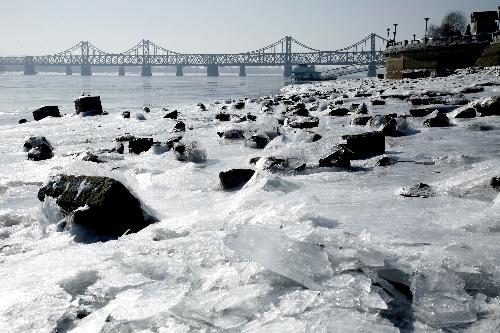
凍った鴨緑江

Frozen Yalu River


  私は1996年に咸鏡道の鉄道労働者病院で看護師としての仕事を辞めました。十分な薬さえなく、それは名前だけの病院で手術を行うのに十分な電力さえありませんでした。医者でさえ、麺や薬を売るために仕事をやめ市場に参入することを余儀なくされました。

  私は失業中に多くの苦痛を経験しました。やがて私は中国の隣にあるヒャエサンという国境の町に向かい、故郷に薬を持ってきて売ろうと決心しました。最初はクレジットで薬をくれると言っている中国人の話を聞きました。中国の治安機関は中国人が薬を市場で売ることを違法にしたので、私は薬を手​​に入れたいところに行くために夜に小さな川を渡らなければなりませんでした。


  私には他に3人の同僚が同行しましたが、横断している川が鴨緑江(中国との国境を区切る)であるとは知りませんでした。川を渡っている他の人たちと会話をして、彼らが中国語を話しているのを聞いた瞬間、私たちは中国に入ったことを知りました。

  私たちは小さな国境の村まで行きました。そこで私たちは北朝鮮の警察に雇われたエージェントがそこに住んでいることを知りました。もし私たちが誰かに見つかったら、私たちは国外追放されるでしょう。私たちが薬について話していた中国人男性は、夜明けに薬を持ってくると言ったので、そこで休んで次の夜北朝鮮に戻ることにしました。

  でもようやく中国に到着して、夢の中で憧れていたご飯やお肉を食べることができました。私は仲間に、「私たちはすでにここまで来ました。さらに中国に行って少しお金を稼ぎ、そして戻ってみましょう」と言いました。


  しかし、私たちは中国について何も知らず、計画もなく出発しました。長白と呼ばれるその国境の村から、私たちは家から遠く離れたヤンジとキリンまでずっと行きました。私たちのように身分証明書を持っていない人はバスや車に乗れなかったので、自転車で引っ張られたワゴンにずっと乗らなければなりませんでした。

  私たちは夕方に出発しました。長白山脈の冬には、気温がマイナス20度を下回ります。夜は、野生動物に襲われないように、長い雑草に隠れて雪に覆われてから眠りについた。


  幸いなことに、もう1人の旅行仲間と私は、その経験を生き延びました。私たちは長白山脈を通って中国の奥地へと続く道を歩みました。一日中山の中を歩いていても、家や人を見つけるのは大変でした。今回私たちを救ったのは、長白山脈の森林保護団体だけでした。これらの人々は、飢えのためにほとんど自分自身を維持することができなかった飢えた女性、私たちを救うためにいくつかの食料を私たちにくれました。私たちの命は彼らに助けられました。


  これまでのところ、どれだけ歩いたかさえわかりません。数日後、私たちは小さな村に着きました。そこから国境まで、カラスが飛ぶのは100キロもかかりませんでした。しかし、道をたどると、広大な山脈に遮られていることを考えると、300キロほどでした。

  この場所は、石炭生産地域であるという点で長白山脈地域に特有のものでした。土と石炭の巨大な山と鉱山の穴が土地の周りに散らばっていました。炭鉱があったところには、近くに小さな村があったはずです。国の各地域全体で、他の地域の鉱山労働者がその地域の原住民と混ざり合い、並んで暮らしていました。凍傷を負った友人と私は、仕事を得てお金を稼ぐために、これらの炭鉱の村の1つに立ち寄ることにしました。私はすぐに中国人の男性と結婚し、そこに定住しました。

  長白周辺の北東部には、不法移民として生活している北朝鮮の女性がたくさんいました。彼らは皆、ひどく貧しい故郷を去った女性たちでした。私たちの村の中国人は私たちを「北朝鮮の女性」と呼んでいました。


この後、彼女は2度目の脱北を試みます。続きは次の投稿で!


私たちのウェブサイトはこちらから▶️http://pscore.org/home-ja/

お読みいただきありがとうございました!


The misfortune of being a woman in North Korea


Memoir of Han Myeong Ok (Escaped in 2006)


For who is the slogan “Only between our own kind”


  Last April 28th I went to the front of the Chinese embassy in Jongno, Seoul in order to attend a rally to stop the forceful repatriation of North Korean refugees. The Chinese government has called the defectors in China illegal aliens and it intends to force them to return to North Korea. Our rally was held to oppose this action and was widely attended by Korean Christian groups and international human rights organizations.

  According to an American Non-governmental Organization advocating refugee and immigration rights, in one year China repatriates as many as 5000 North Korean defectors. From the very beginning of North Korea’s history it had become a subject of discussion in China whether North Korean defectors should be seen as refugees or illegal trespassers.

  Up to this point, China has been forcefully repatriating North Korean refugees under the auspices of the criminal extradition treaty. Hungry people who cross the border are treated as criminals. In the mid 90’s when the famine began over 300,000 defectors crossed into China. Currently, as a result of China’s forceful repatriation policy, the number has dropped to somewhere between 50,000 and 100,000 people.


  A long time ago one Chinese press report announced that in July 1978 Chinese-North Korean public security authorities signed a treaty called the ‘Maintaining Border Region Security and Social Order Collaborative Agreement.’ Through this they agreed to provide a list of people who have crossed the border, including photos, when secret border incursions occurred.

  Following the treaty, China immediately handed over North Korean defectors whenever they were caught. Because there were no incidents of Chinese people fleeing toward North Korea, North Korea did not have to fulfill their side of this agreement. However, the great Chinese nation obediently continues to follow the demands of North Korea on this issue.


  If North Korean defectors are caught in China, they are shackled and led away like dogs under armed police escort. If a Chinese person does happen to be caught in North Korea, not only are they not chained in this way, they are very well treated by the North Korean guards. North Korean defectors are also North Korean’s, but they are treated in an extremely repulsive manner by their government. Where in the world are there people who would capture, torture and kill those of the same race in this way?

The authorities in North Korea conduct policy under the empty slogan “only between our own people,” but who does this slogan serve? It is ultimately a policy based solely on maintaining power for the elite class, rather than working for the people. This is a policy that says those of our ethnicity who go abroad and live in wealth do not benefit our race.


  The Chinese Diplomatic Service continues the forceful repatriation of North Koreans, claiming every time they receive a refugee that, “our policy of returning North Koreans who have entered our country in secret is in line with domestic law, international law and humanitarian thinking and it will not be changed.”

  Up to this point, defectors seeking foreign asylum and becoming foreign residents in countries like South Korea, and America, as they request, are a drop of water in a bucket compared to the defectors repatriated to North Korea. China only deports to these other third-party countries the defectors who become a big issue when they are heard about by the rest of the world. The rest the vast majority they forcefully send back to North Korea.


The land of the insane, the hometown for which I have cast away all emotion


  I too have twice experienced being forced back into North Korea after defecting. The “mother country” I left out of hunger had already branded me a traitor and China scorned me as a criminal.

  I had no other place to go but South Korea. South Korea treated me with a kind of philanthropic love and granted me citizenship. They even provided me with financial assistance so that I could resettle here. South Koreans saw me as one of them and I have never wanted to return to the land where I was viewed as a criminal again.

  When I first left North Korea, I still felt a little bit guilty about leaving my country behind. However upon being captured the first time and leaving as a defector the second time, I threw away all feeling and lingering affection for my country. North Korea is not a country with people who think as I do. It is filled only with insanity.


  My hometown was in a province called Hamgyeong. Around the mid-90’s during the time of the famine, more than one of every ten women in our village went to China in order to survive. They were also people who awakened from the mental slumber our society had forced us into. By 1996 those who would die of starvation had all passed away. Those like me who had woken up to the reality of our society had gone out to the border town of Hyaesan and, like me, defected from North Korea.

  After having been repatriated for the second time, while I left North Korea yet again visions of rice and meat and freedom swam through my head, tempting me along. Before I left I tried desperately to erase these thoughts and make a new start in North Korea, but even in my sleep they came to me in a way I couldn’t resist.

  So I escaped that place yet again and went to the end of hell and back to ultimately become a citizen of South Korea. Freedom is an incredibly precious thing. If I hadn’t spent seven years making it to and living in secret in China and then finally turning to South Korea to find liberty I would still be living in that dark wasteland without memory or purpose until I died.

  I think people who have received high school education should be intelligent enough to understand what is happening in their country. Though my trials were very difficult, they should not hesitate to have enough bravery to embark on this kind of adventure. There is still a woman in China who was so helpful to me that can take care of them too.


First defection: Crossing the frozen Amnok River


  I was discharged from my work as a nurse in a hospital for railway workers in Hamgyeong province in 1996. Without even sufficient medicine, it was a hospital in name only and didn’t even have enough electricity to perform surgery. Even the doctors were forced to stop working and enter the market to sell noodles and medicine.

  I experienced much anguish while unemployed. Eventually I left for a border town next to China called Hyaesan, determined to bring medicine to my hometown and sell it. I listened to Chinese people who said they would give me medicine on credit at first. The public safety service in China made it illegal for Chinese people to sell medicine on the market, so I had to cross a small river at night in order to go where I wanted to get the medicine.

  I was accompanied by three other coworkers, and we didn’t know the river we were crossing was the Amnok River (demarcating the border with China). The moment we tried to have a conversation with other people crossing the river and heard them speaking Chinese, we knew that we had entered China.


  We went until a tiny border village, where we learned that agents hired by the North Korean police were living there. If we were exposed by someone we would be deported. The Chinese man we had talked to about the medicine said he would bring the medicine at daybreak so we decided to rest there and go back to North Korea the next night.

  But finally having arrived in China, we were able to eat rice and meat in a way we had longed for in our dreams. I said to my companions, “We’ve already come this far, let’s go further into China and make a little money, then go back.”

  Yet we knew nothing of China and set off without any plan. From that border village called Changbaek we went all the way to Yanji and Kirin, which was very far from home. People who had no identification, like us, couldn’t ride a bus or car so we had to take a wagon pulled by a bicycle the whole way.


  We set out in the evening. In the winter in Changbaek Mountain the temperature drops lower than minus 20 degrees Celsius. At night, in order to avoid being attacked by wild animals we hid in the long weeds and covered ourselves with snow before we fell asleep.

  Luckily one other travelling companion and I survived that experience. We took a path through Changbaek Mountain into the inner-part of China. Even walking the whole day through the mountain it was hard to spot a single home or any people at all. The only thing that saved us in this time was a forest conservation group in the Changbai Mountains. These people gave us starving women, who could barely maintain ourselves due to hunger, some food supplies to keep us going. This saved our life.

  It was so far I don’t even know how much we walked. After a few days we made it to a small village. From there to the border it was less than one hundred kilometers as the crow flies. However, if you follow the road, and considering we were obstructed by a huge mountain range it was more like 300 kilometers.


  This place was unique to the Changbaek Mountain region in that it was a coal producing area. There were huge piles of dirt and coal and mine pits scattered about the land. Where there was a coal mine, there was bound to be a small village nearby. Throughout each region in the country miners from other areas mixed with natives to the region and lived side-by-side. My frostbitten friend and I decided to stop in one of these coal-mining villages to get a job and make some money. I quickly married with a Chinese man and settled down there.

  In the north-eastern region around Changbaek there were a lot of North Korean women subsisting as illegal immigrants. They were all women who left their wretchedly poor home country and their hometowns. The Chinese in our village called us the “North Korean ladies.”


Myeong Ok's story of the second attempt at defecting will be posted very soon! 


Visit our website! ▶️http://pscore.org/home/

Thank you for reading! :)


こんにちは。北朝鮮で一般的なネグレクト(養育放棄)についてパート2をお届けします。

Hello! Today let's look at child abuse and neglect prevalent in North Korea.  (This is part 2)


感情的ネグレクト


  北朝鮮でのいじめに対する認識は、それは被害者のせいであり、いじめを受けるに値するというものです。 この被害者非難は、家族や教師による感情的ネグレクトを生み出します。 子どもたちは、自分たちが世話をされておらず、世話をしている大人からの支援を受けることができないという印象を抱きます。 性的虐待の被害者は、彼らが受けた辛い経験について沈黙を保っていますが、それが今度は大人たちの感情的ネグレクトを生み出しているのです。


  「成績の悪い生徒がクラスに現れたとき、彼のクラスメートは彼を追い出し、彼に帰るように言いました。 教師と生徒間の強い絆は、いじめや孤立化を通じて、成績の悪い生徒にさらなる圧力をかけています。」– キム・ハクチュ


Emotional Neglect


The attitude towards bullying is that it is the fault of the victim, and that they therefore deserve it. This victim-shaming creates emotional neglect carried out by family and teachers. Children develop the impression that they are not cared for and are unable to receive any support from adults in a position of care. Victims of sexual abuse remain silent about their ordeal. The impact of this silence is that it in turn creates emotional neglect.


“When the underperforming student showed up to class, his classmates chased him out and told him to leave. A strong bond between the teacher and students puts further pressure on the underperforming student through complete isolation/ bullying.”
– Kim Hak-Chu


f:id:pscore:20210211151256j:plain


心理的虐待

  心理的および感情的なストレスは、トラウマによって時間の経過とともに増大します。 感情を適切に処理することができないことで子供の精神状態は悪化し、さらに心理的虐待を受けることで具体化します。


不安とうつ病

  国は犠牲者に何の救済も提供せず、子供たちの心理状態を測ることもしません。 恐怖と日常的に受ける虐待によって生まれる孤立状態は、子供たちの睡眠を奪うトラウマに変わります。


  「親は、子供が長時間の訓練を受けたときでも、体罰を受けた時でも子供に無関心でした。 子供たちは、これをしたくない、あれをしたくないと口に出すことを夢見ることさえもできませんでした。」–キム・ヨンリ


自殺行動

  ついには、自主的な心理的暴力が自殺行動や自殺につながる可能性があります。 そのような行動の主なケースは、障害児の間で発生します。 北朝鮮の基準を満たすことができないために社会と政権の両方から拒否された障害児は、成人になる前に死亡することがよくあります。


 「障害者にとっての与えられた唯一の道は、死に至るまで母親と一緒に暮らすことです。 私は老後まで障害者が生きているのを見たことがありません。 彼らは皆その前に亡くなりました。 父が継母と別れた後、私の義理の妹も薬を過剰摂取して自殺しました。 彼女は19歳くらいでした。」-リ・ヒウン


Psychological Abuse

  Psychological and emotional stress is mostly fuelled by traumas coming from other types of abuse (physical, sexual or neglect) which amplifies as time passes. Unable to process their emotions properly, the mental state of the child deteriorates and materializes in psychological abuse.


Anxiety and depression

  The regime neither provides any help to the victims nor does it attempt to assess the psychological state of the children. Isolation, fuelled by fear and everyday practices, turns into a trauma that deprives children of sleep.


  “Parents were apathetic to their kids when they practiced for long hours or corporal punishment. Children couldn’t even dream of speaking out that they don’t want to do this.”– Kim Yeon-Ri


Suicidal behaviors
  At the very end of the spectrum, self-directed psychological violence can lead to suicidal behavior and suicide. Predominant cases of such behavior occur among disabled children. Rejected by both society and the regime because of their incapacity to meet North Korean standards, children with disabilities often die before reaching adulthood.


  “The only way for disabled people is for them to live with their mothers until old age and death. I have rarely seen disabled people living until old age. They all died before then. Even my stepsister committed suicide by overdosing on medication after my father split with my stepmother. She was around 19.”– Lee Hee-Eun


f:id:pscore:20210211125933j:plain


集団的暴力


集団的暴力とは、クラスメート、学校制度、または社会全体を含むより多くの人々が犯す暴力のことを指します。


口頭での集団攻撃はごく一般的です。 この種の集団批判は子どもの心に治すことのできない傷を負わせます。

口頭の集団攻撃による犠牲者は、社会から孤立する傾向があり、それは結局国の統制システムにより裏目に出てしまいます。


公開処刑


公開処刑は、独裁者の統治に反対しようとする者には何が起こるかを北朝鮮の人々に知らしめるのに効果的な手段であることが証明されています。

処刑という残虐行為が子供の心に与える影響は見逃すことができません。


「10人の射撃手が4人の死刑囚を撃ち、辺りには血しぶきが飛び散りました。 私は撃たれた囚人が崩れ落ちるのを見ました。 その日は何も食べるのも大変でした。」-キム・ジンジュ


Collective violence


  Collective violence refers to violence committed by a larger group of people, including the child’s classmates, the school system, or society as a whole.


  Verbal collective aggression is unfortunately common. This kind of group behavior is sparked with the group-criticism sessions which leave an unbreakable mark on the child’s psyche.

  The victims of such insults tend to isolate themselves from the rest of society, which often backfires on them because of the controlling system.


Public Execution

  Public executions have proven to be an effective instrument in reminding the North Korean people of what happens to whoever attempts to oppose the dictator’s rules.

The impact of executions’ brutality on the child’s mind cannot be overlooked.


  “10 gunners shot 4 death-row convicts and blood splashed. I saw the convicts drop down. It was hard to eat anything that day.”– Kim Jin-Joo


f:id:pscore:20210211150856j:plain


次回の投稿もお楽しみに!

私たちのウェブサイトはこちらから▶️http://pscore.org/home-ja/

お読みいただきありがとうございました!


Visit our website! ▶️http://pscore.org/home/

Thank you for reading! :)
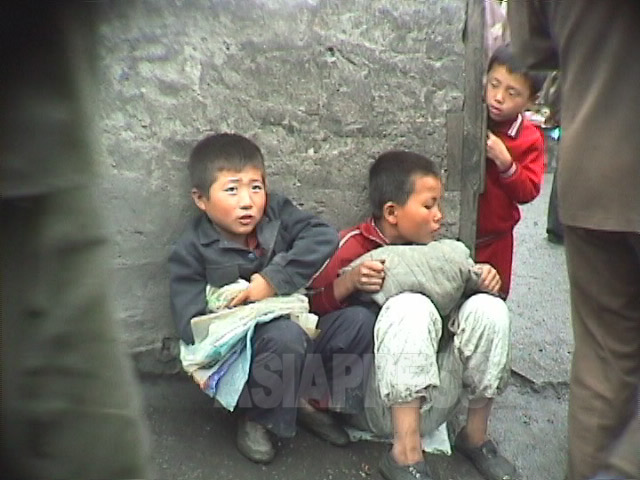


こんにちは!今回は北朝鮮で蔓延しているネグレクト(養育放棄)についてご紹介します。

Hello! Today we would like to introduce child abuse and neglect prevalent in North Korea.


WHOによるネグレクトの定義

  ネグレクトとは、親または保護者が子供の発達または幸福を提供できないことを指します。 子供たちは、健康、教育、情緒的発達、栄養、または住居の提供などの側面で放置される可能性があります。


WHO definition of neglect
     The failure of a parent or other responsible adults to provide for the development or well-being of a child. Children may be neglected in areas such as health, education, emotional development, nutrition, or shelter.


f:id:pscore:20210211144727j:plain


身体的ネグレクト

  多くの場合、両親は長期間家にいません。そして人口の40%は食糧を得る余裕がありません。 したがって、北朝鮮の子供たちは食糧と栄養不足が原因で身体的ネグレクトを経験します。


「親が子供を極度の貧困の中で見捨てるケースがあります」


  脱北者は、両親が子供を育てる余裕がない場合、あらゆる年齢の子供たちが頻繁に見捨てられると証言しました。


 「仕方がありません。 私の子供は当時3歳か4歳で、世話をする人は誰もいませんでした。」

– ハン・ソヨン


Physical Neglect

  Parents are often not at home for a long period of time, and 40% of the population is unable to afford food. Therefore, children in North Korea experience physical neglect due to a lack of food and nutrition.


  “There are cases of parents abandoning their children to extreme poverty”

A defector stated that children of all ages are often abandoned if parents cannot afford to raise them.


  “It can’t be helped. My child was 3 or 4 Years old at the time and there was no one to look after him.”– Han So-Young


f:id:pscore:20210211145201j:plain


医療ネグレクト


  医療ネグレクトとは、親または保護者が子供にとって適切な医療を受けさせられない状況のことです。 これにより、子供はより深刻な病気や死の危険にさらされます。 北朝鮮の公的医療は存在しますが、不足しておりほとんどが効果的ではありません。


  北朝鮮の子供たちは、プロパガンダ行事やスポーツのために厳しい体力トレーニングさせられることが多いため、怪我をします。 COIの報告では、マスゲームの準備をしていた子供が非常に激しい訓練が原因でしばしば気を失ったことがわかっています。 このように過酷な訓練や薬の不足が原因で子供が亡くなることもあります。


Medical Neglect

  Medical neglect can be described as a situation in which parents/ guardians or caregivers fail to obtain appropriate care for a child. In doing so the child is put at risk of further illness or death. Public healthcare in North Korea exists but is rarely sufficient or effective.


  Children in North Korea get injured because they often undergo rigorous physical training, either for propaganda events or for sports. The COI reports highlight an account where a child that was preparing for the Mass Games was subject to extremely intense training and often fainted as a result. Sometimes children also die because of the training and missing medication.

f:id:pscore:20210211145603p:plain

''Even if the patient dies during surgery, there is no compensation. There is no place to file a complaint, and there is no insurance in North Korea in the first place.''-Chul-min (doctor, escaped in 2005)

f:id:pscore:20210211145616p:plain

''Hospitals weren't well-equipped, and cholera could kill hundreds of people.''- Chul-min (doctor, escaped in 2005)


教育ネグレクト


①労働時間

 子供たちは児童労働に搾取されるため、生徒は学校の時間内にも関わらず学外で過ごすことがよくあります。

 脱北者によると、学生が最小限の米と野菜を与えられている限り、学校時間中の労働者は合法なのだそうです。 学生はいつも過労の状態にあります。


②過酷な訓練

 COIのレポートによると、学生はほとんどの時間を非学問的な活動(マスゲームやその他の強制的な大衆プロパガンダ行事の準備)に費やしています。 マスゲームの場合、生徒は訓練のために4~6か月間学校を欠席します。これは非常に過酷で、朝から晩まで毎日続きます。


Educational Neglect


1. Labor time
Students spending time outside of school during school time often, because children are used for child labor.

2.Training

According to the defectors, laborers during school time are legal as long as the students are being fed the minimum of rice and vegetables. Students are often overworked.


f:id:pscore:20210211150116j:plain

「首領様のお誕生日をお祝いしよう」

"Let's celebrate our leaders' birthdays"


パート2もぜひお読みください!

私たちのウェブサイトはこちらから▶️http://pscore.org/home-ja/

お読みいただきありがとうございました!


Visit our website! ▶️http://pscore.org/home/

Thank you for reading! :) See you in our part 2 post!
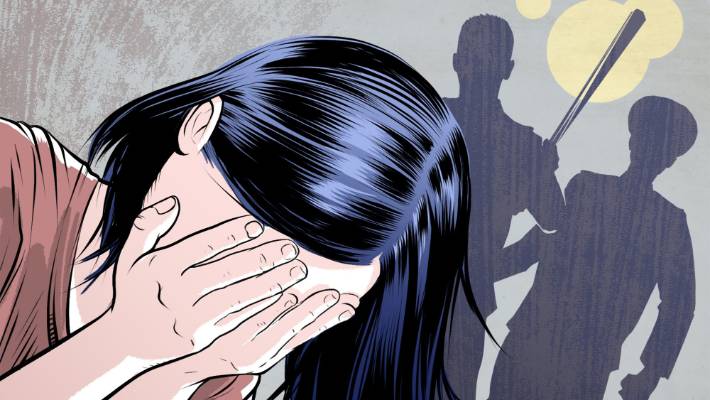
 

こんにちは。北朝鮮で蔓延している性的虐待についてお伝えします。

Hello! Today we would like to write about sexual abuse that is commonplace in North Korea.


性的虐待

(Sexual Abuse)


子ども、特に若い女の子は、様々な加害者から性的虐待を受けるリスクが高くなっています。 25.6%の北朝鮮脱北民が性的虐待を経験しているのです。


北朝鮮で最も蔓延している児童の性的虐待は、不適切な性的接触です。


レイプは北朝鮮でも蔓延しています。 多くの場合、子供たちはとても若いため、何が起こっているのかさえ知りません。 レイプやその他の形態の性的虐待の被害者が虐待を報告する可能性は低く、そのために加害者は通常罰則を受けることがありません。


「私は人形で遊んでいましたが、彼は別の遊びをしようと言いました。 痛くて嫌だったことを覚えています。 彼は言いました、「心配しないで、あと10数えよう、10、9、8 …」[…]私は泣き続け、嫌だと言い続けましたが、両親は私に起こった出来事を理解していませんでした。 3回目に彼と私を一緒にした以降、両親はようやく私を彼から遠ざけることにしました。」

– 北朝鮮の女子学生(2014年に脱北)


     Children, especially young girls, are at a high risk of being sexually abused by a wide range of perpetrators. 25.6% North Korean refugees experienced sexual abuse. 43.9% have experienced two or more types of abuse (sexual, physical, economic, and or emotional abuse).


     The most widespread form of child sexual abuse in North Korea is sexually inappropriate touching.


     Rape is also prevalent in North Korea. Oftentimes, the children are so young that they do not even know what is occurring. Victims of rape and other forms of sexual abuse are unlikely to report their abuse. Thus, perpetrators unusually face no penalties.


     “I was playing with my doll and he said we’d play a different game. I just remember thinking it was painful and did not like it. He said, “Don’t worry, let’s just count, just ten more, ten, nine, eight…” […] I kept on crying and saying I did not like him, but my parents did not understand what happened to me. After the third time leaving me with him, they decided to keep me away from him.”

– Female North Korean student (escaped in 2014)


f:id:pscore:20210211133540j:plain


「年齢に関係なく、男性に会うたびに鳥肌が立ちます。 私には男性は全てそのように見えるのです。男性に追われるという多くの悪夢もみました。」

 -ウンヨン


“I’ve got goosebumps whenever I see a man, regardless of their age. That’s the only way any of them appear to me… I’ve had many nightmares of being chased by men.”

– Eun-Young


f:id:pscore:20210211143339j:plain


被害者が虐待を通報しない理由


被害者非難を恐れているため


北朝鮮では被害者非難と社会的不名誉の制度が非常に強力であるため、被害者の親しい友人や家族でさえ、当局を含む誰にも虐待について話すことができません。


「私たちの近所では、女性が3人の兵士に集団強姦されました。 私は人々が彼女について話しているのを聞きました。 彼らは3人の兵士が誰であるかについて触れることはありませんでした。 彼女が何をされたかについてのみ話し合っているのです。 そのような環境で女性はどのようにして性的虐待の犠牲者であると言うことができるでしょうか?」–ウンジュ


②「児童の性的虐待」の概念がない


北朝鮮では性的虐待が広く受け入れられており、犯罪行為としての理解さえされていません。

学校では、性行為、避妊、または性感染症についての教育はされていません。 性的虐待は犯罪であるということを学生に認知させる努力はなされておらず、人々は意図的に無知の状態にされているのです。

今日でも、北朝鮮の男性は女性の子どもを「未成年者」とは見なしておらず、性的対象としているために恥や罪悪感を感じていません。 「未成年者の保護」という概念は存在していないのです。


Why Victims do not report their abuse


1.Stigmatization and victim-blaming

     The institutionalization of victim-blaming and social stigmatization is so strong that even victims’ closest friends and family members discourage them from telling anyone, including the authorities, about their abuse.

     “In our neighborhood, a woman was gang-raped by 3 soldiers. I heard what people were saying about her. No one talked about who the 3 soldiers were. They only discussed what they did to her. (In such an environment) how could women speak up that they are victims (of sexual abuse)? – Eun-Joo


2. No concept of “child sexual abuse”


     Sexual abuse is deeply accepted in North Korea that it is not even understood as a criminal act.

     In school, there is no education about sex, contraception, or sexually transmitted diseases. There is no effort to make students aware that sexual abuse is a crime, and people are intentionally kept ignorant.

     Even today, men in North Korea do not view female children as “underage” and have no feeling of shame or guilt as they sexualized them. The concept of “protecting the underage population” does not exist.


f:id:pscore:20210211141557p:plain


性的虐待体験者の話

(Stories of young women who experienced sexual abuse)


スジン

  10歳の時、スジンはある男の世話をしていました。 彼女が眠っている間、彼はスジンの体に触れました。 それは彼女が家に滞在している間何度も続き、それは約一ヶ月続きました。 最初、彼はスジンの体をまさぐっただけでした。 しかし、だんだん男はスジンの小さな手を使って自分の体をこすり、押し付け始めました。 スジンは今でもその感覚を鮮やかに覚えています。 当時、彼女は恥ずかしくて混乱していました。 不快な気持ちになり鳥肌が立ちましたが、なぜ彼女はそのように感じたのか、そしてなぜ彼がそのようなことをしているのか正確には分かりませんでした。


ジヨン


  ある脱北者のジヨンは、7歳のある夜、家にいる多くの人々の間に挟まれて眠っていたとき、なじみのない感覚に目が覚めたと語りました。彼女の手は母親のいとこである男性のズボンの中にありました。7歳の子どもであるジヨンにとってはまったくなじみのない状況だったので、何が起こっているのか分かりませんでした。その不快な感覚は今でも彼女の記憶に残っています。当時、彼女にできることは、寝ているふりをして、その虐待者が家にいる間は彼を避けようとすることだけでした。

  一年後ジヨンが8歳の時、親戚の世話をしていました。その家では、普段5人以上が小さな部屋を共有して寝なければなりませんでした。ジヨンはこの家に泊まるのを楽しんでおらず、よく泣きました。ある夜、誰かが自分の上に乗るのを感じたとき、彼女は静かにすすり泣きました。彼女は服の下で誰かが素肌をまさぐっているのを感じましたが、あえて目を開けませんでした。全員が部屋で一緒に寝ていて、加害者の妻はすぐ隣で寝ていました。ジヨンは彼らを起こしたくありませんでした。より正確に言えば、彼らが目覚めたとしても、見ないふりをされるのではないかと思ったのです。ジヨンは誰も自分を助けてくれるとは思いませんでした。彼女がまるで眠りにつくようにゆっくりと体を動かしたら、幸いなことに彼は静かに彼女から降りました。ジヨンはとても怖くてショックでしたが、どういうわけか他人に起きていることを知られてはいけないと思い、すすり泣きを抑えるのに必死でした。

  彼女が17歳になり、背が高く成熟した女性になると、性的虐待がより頻繁に発生しました。ある日は相手は叔父の友人であり、またある日は叔母の友人などでした。彼らはジヨンに触れたり、ズボンの中に手を入れさせたりしました。それが起こったとき、彼女はいつも目を覚ましていましたが、それを決して気づかれないようにしました。虐待者たちは彼女の家で何日も過ごしていたので、彼女は日中彼らと顔を合わせざるをえませんでした。

  ある夜、ピンドゥという麻薬に夢中だった叔父が彼女を襲いました。ジヨンの人生で初めて、彼女は全力で抵抗し、彼を押しのけました。彼女の中で溜まっていた怒りと悲しみは一気に爆発し、彼女は彼に向かって叫びました。叔父はまだ酔っていましたが、涙で濡れたジヨンの顔を見て謝罪しました。しかし、ジヨンはもう我慢できませんでした。彼女は彼女の継母に彼女の叔父の虐待について話しました、そして、彼女の継母は彼がジヨンの父によって罰せられるであろうと彼女に保証しました。しかし、その日遅く、彼女の父と叔父は一緒に笑って帰宅しました。彼女の叔父は罰せられるどころか、ジヨンの父親と冗談を言っていたのです。ジヨンはひどくショックを受けました。父親に話さなかったのが継母であろうと、父が知らないふりをすることを選んだのであろうと、ジヨンは自分が守られていないと感じたのです。

  その日から、彼女の叔父は暴力的になりました。彼はすぐに食事を出さなかったジヨンを平手打ちし、絶えず彼女を殴るようになりました。それで、ある日叔父が再び彼女を殴ろうとしたとき、ジヨンは服だけを持って家を出ました。その日、ジヨンは北朝鮮を去りました。

  10年以上経ちましたが、ジヨンは7歳の時からの性的虐待の事件を覚えています。レイプされなかったのは幸運だったと周りには言われますが、本当に幸運だったのでしょうか。


Su-jin

     At the age of 10, Su-jin stayed in the care of a man. He would touch Su-jin's body while she was asleep. It continued many times throughout her stay in the house, which lasted around a month. At first, he only groped Su-jin's body. But as time passed, the man also started taking Su-jin's small hand to rub and press against his own body. Su-jin still remembers the sensation vividly. At the time, she felt ashamed and confused. The feeling was unpleasant and gave her goosebumps, but she didn't know exactly why she felt those things and why he was doing what he was doing.


Ji-young

     One defector, Ji-young, told PSCORE that one night when she was 7 years old, as she was asleep wedged among the many people in her home, she awoke to an unfamiliar sensation. Her hand was inside one of the guest's pants, a man who was her mother's cousin. Ji-young was unsure of what was happening, as it was a completely unfamiliar situation for a 7-year-old. However, the unpleasant sensation remains stark in her memories to this day. At the time, all she could do was pretend to sleep and try to avoid her abuser for the rest of his stay.

     A year later, when Ji-young was 8-years-old, she spent some time in the care of her relatives. In that house, usually 5 or more people had to share a small room to sleep. Ji-young did not enjoy staying at this house and often cried. She was quietly sobbing one night when she felt someone climb on top of her. She felt a hand grope her bare skin under her clothes, but she did not dare open her eyes. Everyone was sleeping together in the room, and the perpetrator's wife was sleeping right next to them. Ji-young didn't want to wake them, or more accurately, she was afraid that even if they did awaken, they would pretend not to see. Ji-young did not think any of them would help her. Slowly, she turned her body as if turning in her sleep and fortunately, he quietly got off of her. Ji-young was very scared and felt devastated, but it occurred to her that for some reason, she shouldn't let the others find out that she was awake, so she did her best to stifle her sobbing.

     When she was 17-years-old, taller, and more mature, the sexual abuse occurred more often. Some days it was her uncle's friend, and on other days it was her father's friend or her aunt's friend and so on. They would touch Ji-young or put her hand inside their pants. She was always awake when it happened, but never made it known. The abusers would spend days at her home, and she had no choice but to face them during the day.

     One night, an uncle who was high on a drug called “pingdu” assaulted her. For the first time in Ji-young's life, she resisted with all her strength and pushed him off. The anger and sorrow she had been bottling up exploded all at once and she shouted at him, demanding him to explain himself. The uncle was still intoxicated, but he saw her tear-stained face and apologized. However, Ji-young could stand it no longer. She told her stepmother about her uncle's assault and her stepmother assured her that he would be punished by Ji-young's father. However, later that day her father and uncle came home laughing together. Far from being punished, her uncle was exchanging jokes with Ji-young's father. Ji-young felt devastated. Whether it was her stepmother who hadn't told her father, or her father choosing to ignore what happened, Ji-young felt like she was not being protected.

     After that day her uncle became violent. He slapped Ji-young for not serving his meal promptly and began to hit her constantly. And so, one day when her uncle again tried to hit her, Ji-young left the house with nothing but the clothes on her back. That was the day Ji-young left North Korea.

     More than 10 years have passed, but Ji-young still remembers each incident of sexual abuse, all the way back to when she was just 7 years old. People tell her how fortunate she was not to have been raped, but one cannot help but ask, was she truly fortunate? 


次回はネグレクト(養育放棄)についてお伝えしていきます!

私たちのウェブサイトはこちらから▶️http://pscore.org/home-ja/

お読みいただきありがとうございました!


Visit our website! ▶️http://pscore.org/home/

Thank you for reading! :)


  こんにちは!今回は、北朝鮮で蔓延している児童虐待についてお伝えしていきます。


  北朝鮮には児童虐待という概念がないため、暴力の慣習が浸透し、北朝鮮の子供たちとその発達に長期的な悪影響を及ぼしています。


     Hello! This time we would like to tell you about one of North Korea's ongoing human rights violations, child abuse. 

     Since there is no concept of child abuse in North Korea, a culture of violence permeates which has long-lasting effects on North Korean children and their development. 


f:id:pscore:20210211125933j:plain


肉体的虐待

 (Physical Abuse)


PSCOREのインタビューの回答者の半数は児童虐待を経験しており、85%は肉体的虐待を経験しています。


家庭での肉体的虐待

  脱北者たちは、親が子どもに対して身体的に暴力を振るうことは一般的に受け入れられている習慣であると報告しています。

  調査によると、社会的地位の低い回答者の52%が身体的虐待を経験しましたが、社会的地位の高い調査回答者の身体的虐待の経験割合は25%であることがわかりました。

  また、暴力対象には性別によって違いがあるようです。 男性は回答者の47%、女性は回答者の40%が身体的虐待を経験したことを証明しています。


学校での肉体的虐待

  肉体的暴力は、個人の家と同じように学校でも受け入れられています。 体罰は学生の日常生活の一部になっているのです。


     Half of the respondents from PSCORE’s interviews have experienced child abuse and 85% of them have experienced physical abuse.


Physical Abuse at Home

     In the private sphere, physical violence is commonplace in North Korea. Several defectors reported that it is a commonly accepted practice for parents to be physically violent with their children.

The testimonies indicate that the degree of violence inflicted upon children vary between parents. Surveys show that 52% of low social status participants experienced physical abuse, whereas only 25% of high social status participants have experienced such abuse.

It also seems that there is a differentiation in the use of violence based on gender. 47% of the male respondents attest to have experienced physical abuse compared to only 40% of female respondents.


Physical Abuse at Schools

     Physical violence is accepted in school in the same way that it is in the private home. Corporal punishment seems to be part of the daily life of students.

f:id:pscore:20210211130943j:plain


公共施設での肉体的虐待


  調査委員会は、虐待加害者の大多数が責任を問われていないことを報告しています。ある一人の被害者の父親が語る恐ろしい話をご紹介します。

  「2011年8月、国家安全保障局(SSD)は韓国映画を見たとして彼の息子を逮捕しました。 彼は拘留中に拷問を受けました。 「私の息子の左足首は粉々に砕かれ、彼の顔は打撲傷を負い、ひどく傷を負いました。」 SSDが彼を解放するために、両親はかなりの賄賂を払わなければなりませんでした。 残念ながら、その息子は拷問が原因で脳出血を引き起こし数日後に死亡してしまいました。」


Physical Abuse in State facilities

     The commission found that the majority of perpetrators are not held accountable. One terrifying story was told by a father of a victim. In August 2011, agents of the State Security Department arrested his son for watching South Korean movies. He was tortured while held in detention. “His left ankle was shattered and his face was bruised and grossly disfigured.” The parents had to give substantial bribes so that the SSD would release him. Unfortunately the boy died a few days after as a result of the torture that he endured, which caused a brain hemorrhage.


f:id:pscore:20210211134551j:plain


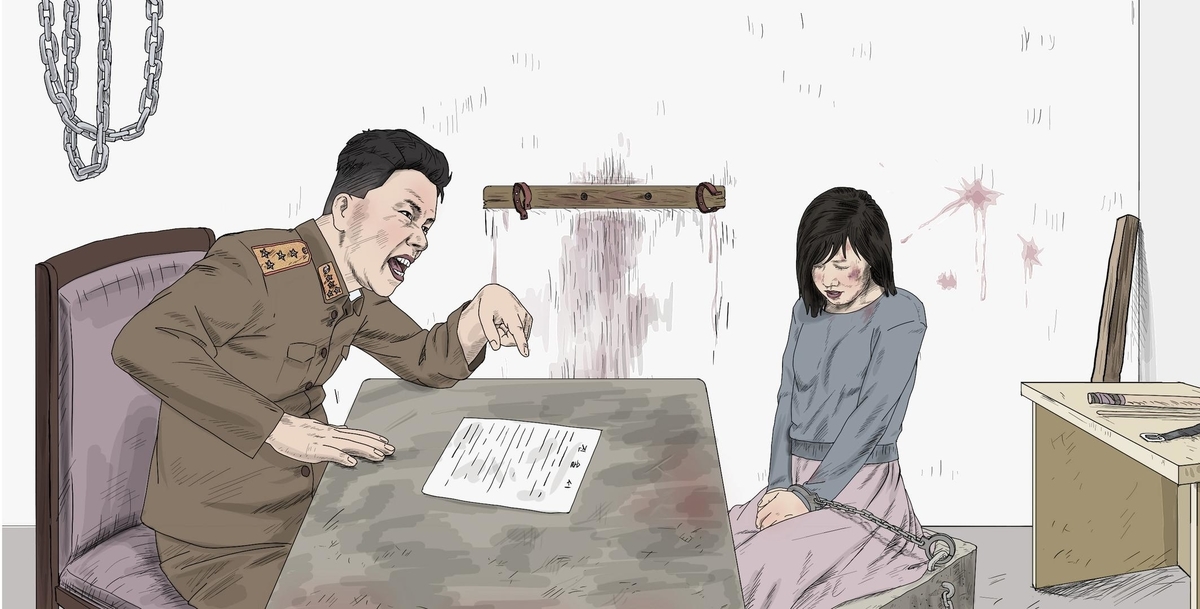
「拷問ではあなたの手は背中の後ろで手錠をかけられます。 そして、あなたは吊るし上げられ、立ったり座ったりすることができないようにされるのです。」

-チョン・クァンイル


“Your hands are handcuffed behind your back. And then they hang you so you would not be able to stand or sit.”– Jeong Kwang-Il


政治犯収容所


  国家は公式には存在しないこれらの収容所に強制的に国民を収容させるという罪を犯しています。子供を含む家族全員がそこに送られます。

  政治的、イデオロギー的、または経済的な「敵の部類」の人々の粛清は、元の不正行為者の第3世代までの子孫まで及びます。


  ある女性は、彼女が学校からの帰りに逮捕されたときはたった13歳だったそうです。 彼女の家族全員も理由が明かされることなく逮捕されました。 逮捕の理由について尋ねたり、それについて他の囚人と話すなどしようものなら処刑されてしまうのです。


  別の女性は政治犯収容所に28年間滞在し、釈放されるまで逮捕の理由を知りませんでした。 後に、朝鮮戦争中に祖父が大韓民国に逃亡したため、家族全員が逮捕されたことが判明したのです。


Political prison camps


     The state is guilty of enforced disappearances into these camps that officially do not exist. Entire families are sent there including children.

     Purges of political, ideological or economical “class of enemies” extend to the descendants up to the third generation of original wrongdoer.

     One witness said she was only 13 years old when she was arrested on her way back from school. Her entire family was also arrested without the reason being divulged. Worse, they were told if they should enquire about the reason or talk to other inmates about it, they would be executed.

     The witness stayed 28 years in the political prison and she never knew why until her release. Then, she found out that because her grandfather had fled to the Republic of Korea during the Korean War, her entire family was arrested.


f:id:pscore:20210211131639p:plain

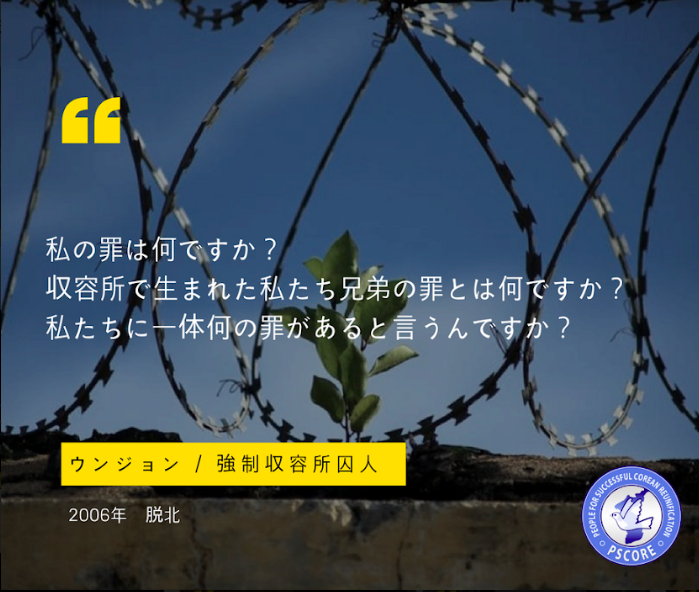
''What is my sin? What is the sin of our brothers born in the camp? What sins do we have?''-Kim Eun Jung (Concentration camp prisoner, escaped in 2006)


孤児院


  国連情報委員会(COI)が収集した脱北者の証言によると、人道支援機関はこれらの施設にアクセスすることはできません。

  ある少女は捕まったとき、彼女は自分の意志に反して孤児院に送られました。 到着すると、彼女は椅子の上に立たされ革のベルトで打たれたのです。

食糧不足に加えて、子供たちは一日中座って、週に一度だけ外に出てトイレをすることができました。

  子供たちは、学校の時間中に畑で働くことで労働搾取されています。脱北者は、子供たちが作物を収穫し、トラックに積み込み、過酷な労働に従事しなければならないと証言しています。 北朝鮮の子供たちは、強制労働の任務を遂行できなかった場合、絶えず殴打されるのです。


Orphanages


     Humanitarian agencies do not have access to these facilities (UN Committee of Information (COI) collected North Korean defector testimonies)

     A girl was caught and sent to a facility for street children against her will. As she arrived she was beaten with a leather belt as she was made stand on a chair.

     In addition to the lack of food, the children were to sit all day long and go outside only once a week to empty the toilets.

     Children are exploited for labor by working in the fields during school hours. North Korean defector testimonies reported children having to harvest crops, loading trucks, and participating in strenuous labor. The North Korean children were constantly beaten if they were unable to complete the forced labor tasks.


次回は性的虐待についてお伝えします。次回もどうぞお楽しみに!

私たちのウェブサイトはこちらから▶️http://pscore.org/home-ja/

お読みいただきありがとうございました!


There will be Child Abuse part 2 uploaded very soon, so please look forward to it!

Visit our website as well! ▶️http://pscore.org/home/

Thank you for reading! :)


  こんにちは!前回に引き続き、「憎しみを学ぶ」北朝鮮の教育について詳しくみていきましょう!

  Hello! Continuing from the last post, let's take a closer look at North Korean education that forces its people to ''learn hatred."


f:id:pscore:20210210140540p:plain


生活総和

(Group criticism sessions)


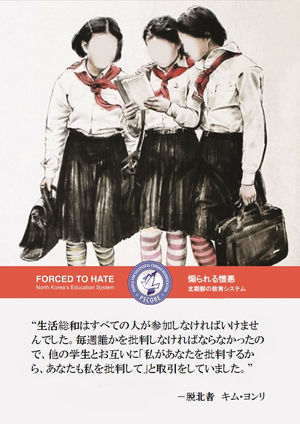
  生活総和は、学校や労働団体で自己批判と相互批判を通じて思想を浸透させ,  独裁政権に服従させるために、金日成の時から受け継がれてき嫌悪教育です。生活総和はお互いを監視し不信させ, 社会の構成員の間で「協力」しないようにするのに大変貢献をしています。


  生活総和は相手を常に批判的な視点で見るようにし、そのような環境でお互いを信じることができず, 常に気をつけながら圧迫感を感じるようになります。相互批判は批判することが見つからないときは, 学生同士あらかじめ言うことを決めておいて行う場合も多いが、それでも自分を批判すると心に傷を負います。それだけでなく、相互批判をきっかけに学校で弱い学生をいじめが起こることがとても多いのが現状です。


  The Saeng-hwal-chong-hwa or group criticism sessions should be mentioned as it is a form of damaging and fear instilling education, that has been handed down since Kim Il-Sung Government, to make the people obey the dictatorship through public self-criticisms and mutual criticisms at schools or working groups so, it makes people monitor and distrust each other and contribute greatly to preventing members of the society from cooperating with each other. 


  This practice has become so ingrained in their society that citizens view each other with a critical eye even when not in these sessions. Through this environment of constant societal scrutiny, the regime causes its people to experience mistrust, anxiety, and fear while still suffering pressure to promulgate the very behavior monitoring and censorship which keeps them so subjugated. Moreover, there are considerable cases in which weaker students are bullied because of what happens in Saeng-hwal-chong-hwa.


f:id:pscore:20210210125915j:plain

脱北者 キム・ヨンリの証言

Testimony of North Korean defector Kim Young-ri

''Everyone had to participate in the group criticism session. I had to criticize someone every week, so my friends and I would often rearrange in advance saying, "I will criticize you, so you criticize me."- Kim Young-ri


公開処刑参加

(Public executions)


  公開処刑は様々な場所で頻繁に行われるため、強制的か否かを問わず、多くの人々が幼い頃から目撃することになります。脱北者の証言にもあるように非常に暴力的であり, 独裁政権に反抗するいかなる行動も容認しないということを知らしめることにが目的です。


  公開処刑は恐怖心で北朝鮮を統治しようとする目標の下行われます。公開処刑には強制的に参加しなければならない場合が多く、参加者が未成年の場合、生涯大きなトラウマとして残ります。このような暴力的な場に小学校の生徒にまで強制的に出席するように強制し、人間に対する最低限の尊厳を徹底的に否定して政権に忠誠を誓わなければ「お前も殺すことになる」という脅迫をしているのです。


  Because public executions frequently occur in various locations, people witness them since youth, whether they are forced to or not. These executions, as supported by the defectors’ testimonies, are very violent and serve to warn everyone that there is no tolerance for any form of actions made against the regime.


  Public executions are conducted to rule North Korea via a reign of terror. There are many moments in which it is mandatory to attend public executions, and if the person attending is a minor, it often becomes a source of lifelong trauma. These scenes of violence, which even elementary school students are forced to watch, are a denial of basic human dignity and humane criminal justice to the people.


f:id:pscore:20210210133628j:plain

f:id:pscore:20210210133646j:plain


群衆大会

(Rallies)


  内部結束力と外勢の憎悪をさらに造成するために北朝鮮政府は群衆大会を執り行います。群衆大会とは人々が集まり「米帝と南朝鮮(韓国)傀儡徒党を打ち砕こう」といった嫌悪発言をしてデモするものです。祝日によく行われ、学級、学校、市、道、 中央政府でスケジュールがすべて異なり、すべての群衆大会に出席しなければならないため、 四六時中ところかまわず行われます。


  To create stronger hatred towards foreign powers and to create internal solidarity, North Korea holds mass rallies. Mass rallies are protests in which crowds gather and make hate speeches such as, “Defeat the U.S. and the puppet government of South Korea.” It is held mostly in holidays, but each class, school, city, province, and central government has a different schedule; all must attend to these rallies.


f:id:pscore:20210210134036j:plain


漫画/映画

(Animated movies)


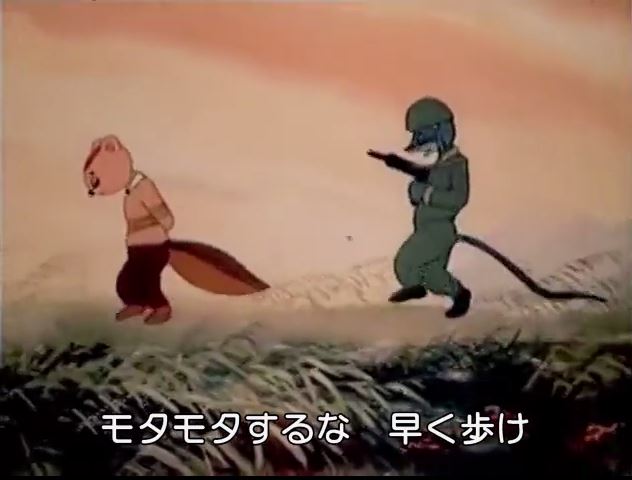
  生活総和と群衆大会などの行事だけでなく、日常生活の中でも暴力教育は行われます。北朝鮮政府は成長期の幼い子供たちにアニメを通じて思想を注入することにより、学校内の嫌悪教育に加え、より強力な洗脳をしています。幼い頃からお互いを愛して、お互いを尊重しなさいと言われて育った他の国の子供たちとは違い、北朝鮮の子供たちは常に外勢を憎悪し、牽制するように学ぶのです。このような教育は、北朝鮮の子供たちが最も多く接する漫画にも表れています。 『少年将帥』『リスとハリネズミ』のような北朝鮮のアニメは、常に資本主義国家を憎悪して排斥するように教え、北朝鮮が世界最高だと洗脳させます。


  The violent and hateful propaganda takes place not just in events like Saeng-hwal-chong-hwa or rallies but also in their daily lives. The North Korean government indoctrinates the youth by providing animated cartoons that infuse hateful ideas along with their school curriculum. Since youth, North Korean children are taught to loathe and disrespect foreign powers and peoples, which is much different from children in other countries who are told to love and respect one another. These ideals even appear in the popular animated shows for the North Korean children.


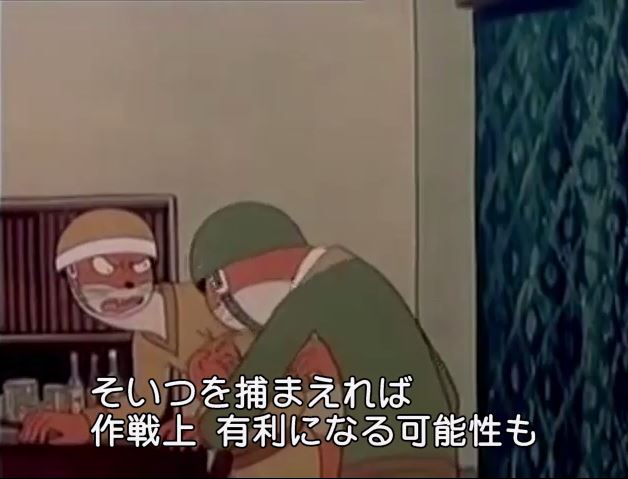
  There are animated cartoons like “Boy General” or “The Squirrel and the Hedgehog” that teach children to hate and exclude capitalist countries at all times, and at the same time, they indoctrinate the children into believing that North Korea is the best country in the world.


f:id:pscore:20210210134544j:plain

 北朝鮮アニメ『リスとネズミ』の一場面 

A scene from the North Korean anime ''The Squirrel and the Hedgehog"

’’Don't be slow. Walk fast’’

f:id:pscore:20210210134538j:plain

 北朝鮮アニメ『リスとネズミ』の一場面 

A scene from the North Korean anime ''The Squirrel and the Hedgehog"

''If you catch it, you may have an operational advantage.''


いかがでしたでしょうか?北朝鮮がいかに排他的な国家であり国民の洗脳教育に力を入れているのかが見えてきましたね。次回は「忘れられた被害者たち」についてお伝えしていきます。

それでは次回のブログでお会いしましょう!


私たちのウェブサイトはこちらから▶️http://pscore.org/home-ja/

お読みいただきありがとうございました!


This is the end of today's post. We hope you could see how North Korea is an exclusive nation and is focusing on brainwashing education for the people. 

Thank you for reading! :) We'll see you in our next post about ''Forgoten abductees''! 

Visit our website too! ▶️http://pscore.org/home/


  皆さんこんにちは!今回も、北朝鮮の教育について詳しくみていきましょう!

  Hello everyone! Today let us take a closer look at North Korean education.


すべての科目での偶像化

(Propaganda in other subjects)


  指導者の偶像化は政治思想科目だけに留まらず、教科課程全体で行われます。国語の勉強をするにしても、その目的は金日成と金正日に対する忠誠心を鼓舞し、社会主義思想を鼓舞するために限定されており、紀行文を書くにしても遺跡などの歴史的な場所を観光し観察するよりは、金日成の家系の生家や成長した場所などを訪問し、彼らの業績を称賛して崇める内容を書くことが目的です。音楽は大部分が金日成と金正日の歌である。もし偶像化する歌詞を変えて歌ったり、故意に歌を作ると親が代わりに処罰される危険があります。スポーツや芸術の特待生の場合は、運動をするにしても音楽をするにしても目標は常に「将軍様に喜びを捧げよう」なのです。


  The idolization method is not only present in political and revolution classes. Even if you’re studying a language, it is limited to content regarding loyalty to Kim Il-Sung and Kim Jong-Il and social thought. The first words you learn are the leader’s names. Even in travel essays, rather than focusing on the tourism and historical aspects of a historical landmark, it focuses on praising and revering the life and achievements of Kim Il-Sung and his family. Music mostly involves songs about Kim Il-Sung and Kim Jong-Il. If one changes the lyrics related to idolization or if the lyrics are neglectfully written, then it’s possible that students’ parents could be punished in the students’ stead. Whether one’s specialty is physical fitness or music, the objective is always “to please the General.”


f:id:pscore:20210210115032j:plain


歴史歪曲

(Historical Distortion)


  歴史歪曲は偶像化に加え、北朝鮮一党独裁体制を維持させるために行われている洗脳教育です。北朝鮮当局は歴史歪曲を通じて政権を正当化し、指導者を偶像化して北朝鮮が偉大な国家という点を強調しています。歴史歪曲の対象は非常に多様であるが韓国近現代史歪曲、金日成の家系の抗日闘争捏造、金日成家系の神話創造、世界史の意図的に歪曲された解釈など様々な分野で行われています。また資本主義、帝国主義に対する疑いを常に持つようにさせ、外部勢力のいかなる影響も防ごうとしています。

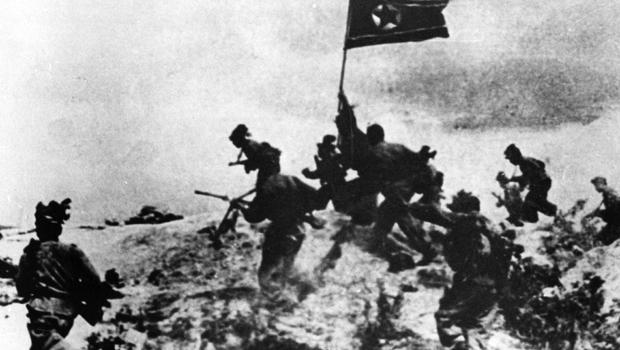
  北朝鮮が主張する近現代史では、様々な方面で韓国とアメリカを敵対視し, 独裁政権を正当化し、北朝鮮が偉大な国だと強調する。最も代表的な例として朝鮮戦争は南が攻めてきたため始まり、中国が介入したという事実は全く言及せず、自分たちの力だけで米帝を追い返したかのように述べる。実際には朝鮮戦争は1950年6月25日に当時の南北の境界線であった38度線を北朝鮮が戦車で侵略したため勃発した。


  Historical distortion, along with idolization, is part of the indoctrination education system designed to maintain the single-party dictatorship of North Korea. The North Korean government through distorting history justifies the regime, idolizes its leaders, and accentuates its claim that it is a great nation. History is distorted by changing modern Korean history, manipulating truths about Kim Il-Sung’s anti-Japanese war efforts, glorifying the Kim family history as well as intentionally misinterpreting world history. Furthermore, such description is intended as a warning against capitalism and imperialism, calling for a defensive attitude towards foreign influences.


  Another example can be found from “The Revolutionary Acts of Our Great Leader, Kim Jong-Il” textbook for middle school which states that the Korean War began with a South Korean attack on North Korea, and that North Korea defeated South Korea and the United States forceswithout any help from China. But in reality, from the world history which is taught worldwide, the Korean War started on the 25th of June 1950 when North Korean tanks crossed the 38th parallel, the boundary with South Korea.

f:id:pscore:20210210122944j:plain

朝鮮戦争 (1950-1953)

Korean War (1950-1953)


暴力と嫌悪教育

(Violent and hateful propaganda)


  北朝鮮政府は、独裁体制を維持し内部結束を高めるために暴力と嫌悪教育を行っています。学校での教科及び課外活動、軍隊式教育、公開処刑、歴史博物館訪問、群衆大会、生活総和、日常生活での遊びや漫画、そして革命遺子女教育などがその例です。これらを通して外部の敵を作り、互いに監視させることによって内部結束させ反乱の種を眠らせているのです。


  歴史歪曲と同じ方法で北朝鮮は共産主義理念と社会制度を結束するために資本主義を辛辣に批判し反米反日感情を煽りながら, 同時に資本主義文化と帝国主義の思想と文化を北朝鮮社会から排除する。このような理由から、学校では革命歴史教科を通じて米帝とその協力国に対する嫌悪を煽り、学生に幼い頃から外勢に反感を持たせるための教育をする。例えば、数学の試験には、「米帝タンク何台をぶち壊して何台が残り…」 のような問題を出題し、音楽の時間には「三千里江山に金銀財宝あふれ[… ]悪人倭奴たち この地からで追い出して」といったような歌を歌わせる。


  The North Korean government upholds the violent and hateful education policy in order to maintain its dictatorship and inspire integral unity. Such efforts are apparent in various conditions. The school curriculum, a militaristic way of education, public executions, visits to the historic museum, rallies, Saeng-hwal-chong-hwa (criticism/self-evaluation sessions), games and comic books, and revolutionary education are only some of the examples. Through these practices, North Korea intends to make enemies outside the society, unify the nation, and try to avoid political insurrection by having the citizens monitor each other.


  In the same context as historical distortion, North Korea criticizes capitalism and uses anti-U.S. and anti-Japanese sentiment in order to encourage communist ideology and the social system. For this reason, North Koreans learn the revolutionary history and activities of their leaders in school, which then fosters feelings of hatred toward the U.S. and its allies. For example, there are questions on math exams such as, “How many are left after destroying some of the American tanks?” and lyrics in music classes, such as “Kick the Japanese out of the country.”


f:id:pscore:20210210124233j:plain

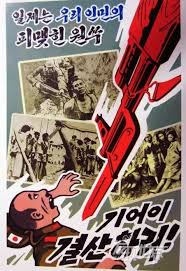
「私たち朝鮮民族の血なまぐさい敵である日本帝国を一度に破壊せよ!」

''Destroy the Japanese Empire, the bloody enemy of our people, once and for all!''


f:id:pscore:20210210123649j:plain

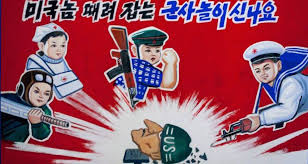
「戦争で米国の野郎どもを叩き潰すのは楽しい」と書かれたプロパガンダ 

Propaganda that says "It's fun crushing the American bastards in the war games"


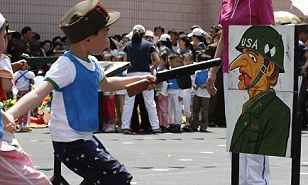
  嫌悪教育は学校で行っている正規教科以外の様々な活動でも行われる。学校で主催しているほとんどの運動会には、「ヤンコベンイ(西洋人の鼻や容姿をからかう意味のヤンコと、 名詞にあとにつけてその名詞の特徴をもった人や物を意味するベンイが合わさった言葉)米国野郎を殴り殺す競技」がある。これは小学校に入る前の幼児も参加しなければならない競技で、すべての学生が競技に参加しなければならない。また、特別な場合でない平常時にも暴力的な競技をするのであるが、この時にも米国側が常に負けるように誘導する。これらの暴力的な競技は北朝鮮が世界一であると洗脳すると同時に反米、反帝国主義感情を煽る目的がある。


  Hateful propaganda is found in various activities outside of the regular educational curriculum. Almost every field day at school has a competition called, “Smash the foreign-nosed Americans to death”. Most students are required to participate, and they’ve done so since a very young age, as elementary school students. Moreover, they casually play violent games on special occasions, and try to lead whoever is on the American team to lose. The purpose of these kinds of violent games is to indoctrinate the children into believing that North Korea is the best country in the world, and to instill anti-American, anti-imperialist sentiment.


f:id:pscore:20210210123501j:plain

ヤンコベンイ

The game called “Smash the foreign-nosed Americans to death”


 「憎しみを学ぶ」北朝鮮の教育(2)もぜひお読みください!

私たちPSCOREのウェブサイトもチェックしてみてくださいね。次回もどうぞお楽しみに!

▶︎ http://pscore.org/home-ja/   

お読みいただきありがとうございました!  


This is the end of today's post. Please look forward to the part 2 post!
Check out our PSCORE website as well. ▶︎http://pscore.org/home/  
See you next time! :)
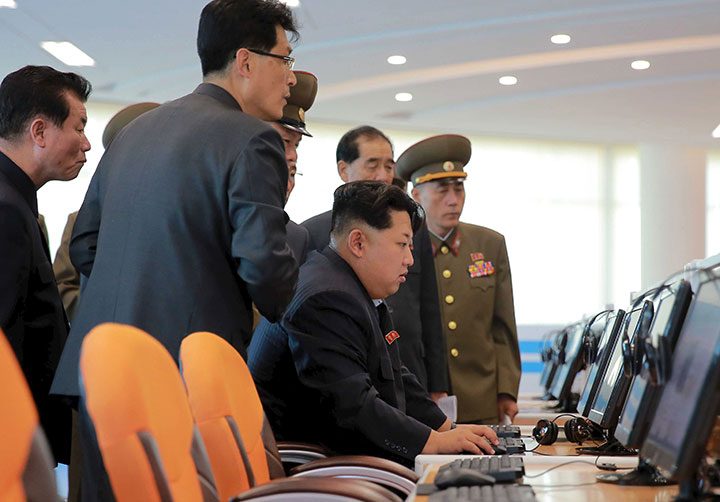


こんにちは!今日は北朝鮮の革命家教育について詳しくお伝えします。

f:id:pscore:20210210102012j:plain

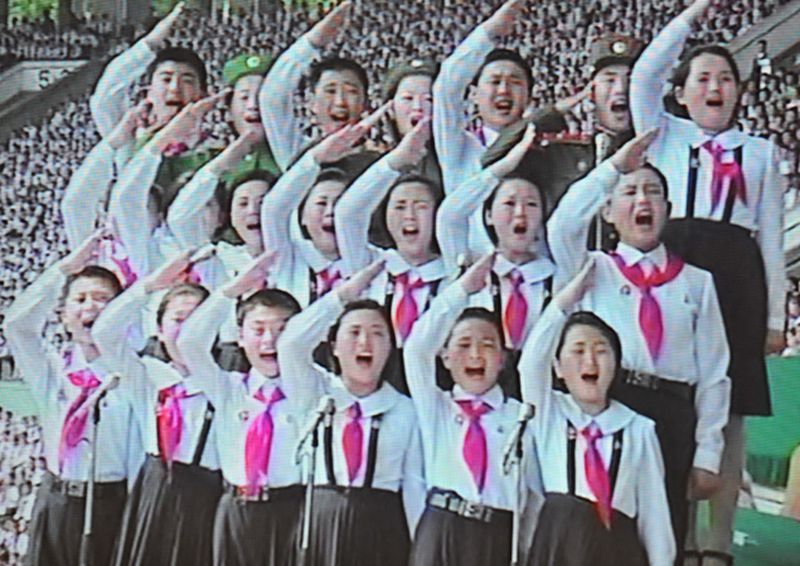
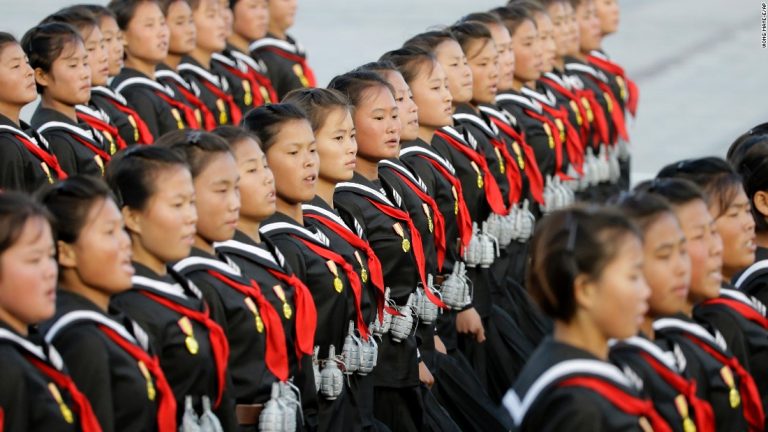
北朝鮮少年団


  北朝鮮の教育方針


北朝鮮の社会主義憲法第43条に、


  “国家は社会主義教育学の原理を具現して後代を社会と人民のために

闘争する不屈の革命家として、智徳体を備えた主体型の新しい人間に育てる”


と明示されています。


北朝鮮で使われる”革命”は、他の国で一般的に使われる”革命”の意味と異なります。北朝鮮の”革命”は、国が必要とするならばいかなる犠牲を払ってでも自らを捧げて闘争することであり、国家に必要なものと金日成一家の独裁に必要なものは同一だと考えることなのです。


北朝鮮の教育は、北朝鮮の住民の人間性を抹殺し、お互いを監視させ、外部の人々と外部の国を憎悪するよう洗脳することに重きを置いています。また、北朝鮮の子供や青少年は、正常な教育を受けるべき重要な時期に、実用性のない革命教育と多岐にわたる労働と物品収集に強制的に動員されるのです。


  偶像化教育


北朝鮮では、1970年代から偶像化教育を通して指導者に対する無条件的な服従をさせています。北朝鮮の住民は偶像化教育を非常に幼い時から受けるます。小学校と中学校では金日成の家系の偶像化の内容が正規科目に含まれるのです。具体的には、金日成、金正日と彼の生母金正淑、いわゆる「白頭山3大将軍」の偉大さを強調する「幼少期」や「革命活動」のような教科を教えます。(白頭山-朝鮮民族の聖地とされる山)
 

f:id:pscore:20210210102155j:plain


授業前


北朝鮮の学生は毎日学校の授業が始まる前に15分程度偶像化関連の内容を声に出して読み, 勉強しなければなりません。この時間を「独歩時間」と呼びます。 これは1日の最初の日課で、学生のうち1人が政治思想が掲載された新聞をはじめ、教養資料や歌を声に出して読むのです。これには党の政策と時事問題などを学ぶ目的があります。しかし言論の自由が保障されていない北朝鮮では偶像化の目的のための媒体に過ぎません。本質的に独歩時間は独裁者に対する忠誠心を高めるために活用されます。


f:id:pscore:20210210102823j:plain

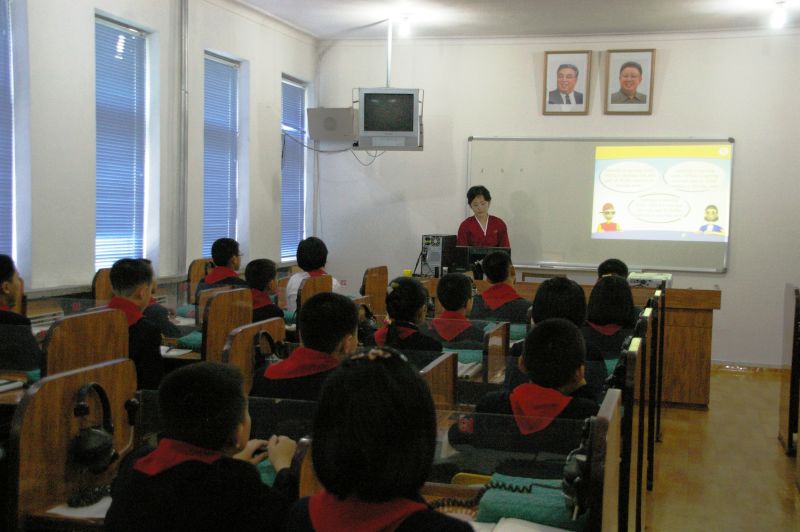
各教室には金日成主席と金正日総書記の肖像画が掲げられている


授業中


「金日成の言葉を誤って引用したり、間違っていれば罰を受けた。助詞1つ間違えてもいけなかった。」 – イ・ソンリ


  政治思想教科はすべての北朝鮮の教育課程に含まれており、「自主性と創造性を持った共産主義的革命人材」養成のための媒介体として活発に活用されます。北朝鮮の主体思想は指導者に対する無条件的な服従を要求します。その理由は首領のみが北朝鮮の人民たちを歴史的主体へと導いてくれる原動力になるからです。


▶︎ 主体思想(チュチェ思想)とは

北朝鮮独自の政治思想。大衆を革命・建設の主人公としながら、民族の自主性を維持するために人民は絶対的権威を持つ指導者に服従しなければならないと唱える。(小学館『デジタル大辞泉』)


  北朝鮮の学生は政治思想科目を必ず勉強しなければならず、政治思想科目の宿題をしなかったり、正しく暗記していなかったりすると深刻な体罰が行われます。このように全学年を通して行われる政治思想教育は北朝鮮の人々に大きな影響を与えています。いわゆる「ゆりかごから墓場まで」抱いて行く政治思想教育のため、多くの北朝鮮人が政治思想教育の重要性を実際より高く評価する。


f:id:pscore:20210210105313j:plain


授業外


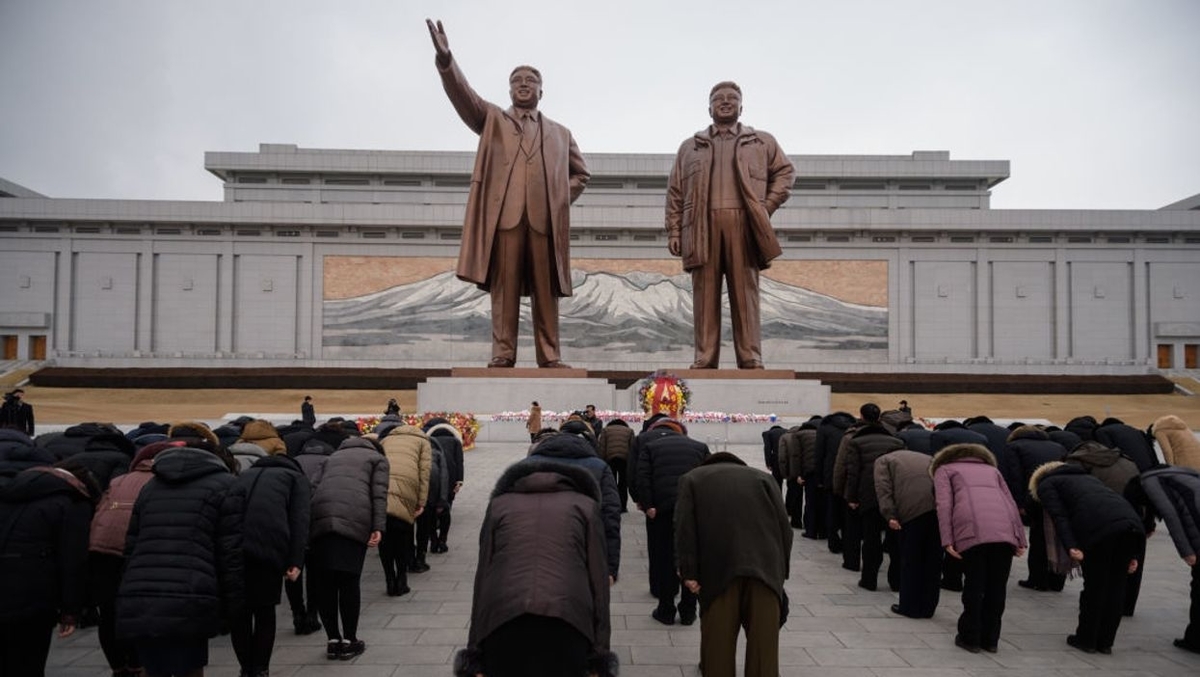
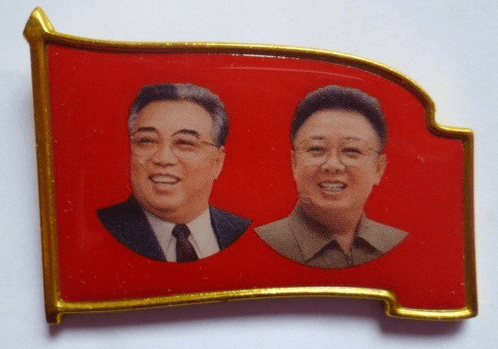
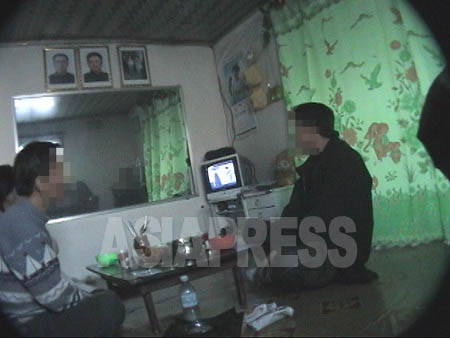
授業外では、日常で常に見ることができる指導者の象徴物(肖像画、バッジ、銅像など)を通じて指導者の偉大さを刻ませます。例えば、北朝鮮全域には約38,000個の銅像があります。また、彼らの肖像画がいかに重要なものであるかを、幼い頃から「肖像画磨き」を通して学校で教える。 「肖像画磨き」とは、小学校の時から大学まで, 肖像画を精誠をこめて磨くことである。丁寧に肖像画を掃除することは、金日成の家系の無条件的な忠誠心と偶像化を表現する。これだけでなく北朝鮮の政府は住民を継続的に「プロパガンダ」に露出させ、北朝鮮政府思想と正当性を北朝鮮住民に毎日刻みこませます。


  f:id:pscore:20210210104909p:plain  

忠誠を表すバッジ

   f:id:pscore:20210210105028j:plain   

もちろん一般住宅にも肖像画が


ー ー ー ー ー ー ー


いかがでしたでしょうか?次回は「憎しみを学ぶ」北朝鮮の教育をお届けします。

次回もお楽しみに!お読みいただきありがとうございました。

私たちのホームページはこちらから ▶︎ http://pscore.org/home-ja/


こんにちは!今回は北朝鮮でのインターネット環境についてお伝えしていきます。


「北朝鮮って携帯使えるの?」「海外ドラマとか観ちゃダメなんじゃないの?」

...など、皆さんの疑問にお答えしていきますので最後までお読みくださいね!


f:id:pscore:20210204111943j:plain

(Free-PhotosによるPixabayより)


  携帯・インターネット


北朝鮮では携帯・インターネットは使用できるの?


 基本的には使えません。政府が利用を厳しく統制しているためです。


携帯電話やインターネットを使えば、世界中の情報が得られます。北朝鮮では国内で承認されていない海外コンテンツや技術はすべて違法であり、一般の人々が手に入れられるのは検閲された情報やニュースなどごくわずかです。 北朝鮮政府にとっては、政権維持のために海外の文化やニュースへのアクセスを可能な限り管理および制限することが最も重要なのです。


インターネットにアクセスできるのはごく限られた富裕層 (政府高官などのハイパーエリート階級もしくはエリート学生など)です。北朝鮮人口の大多数を占める一般人がインターネットへのアクセスを行うのを厳しく規制するために、政府はテクノロジーを活用して監視を強化しています。


f:id:pscore:20210204121014j:plain


       f:id:pscore:20210204121912j:plain       

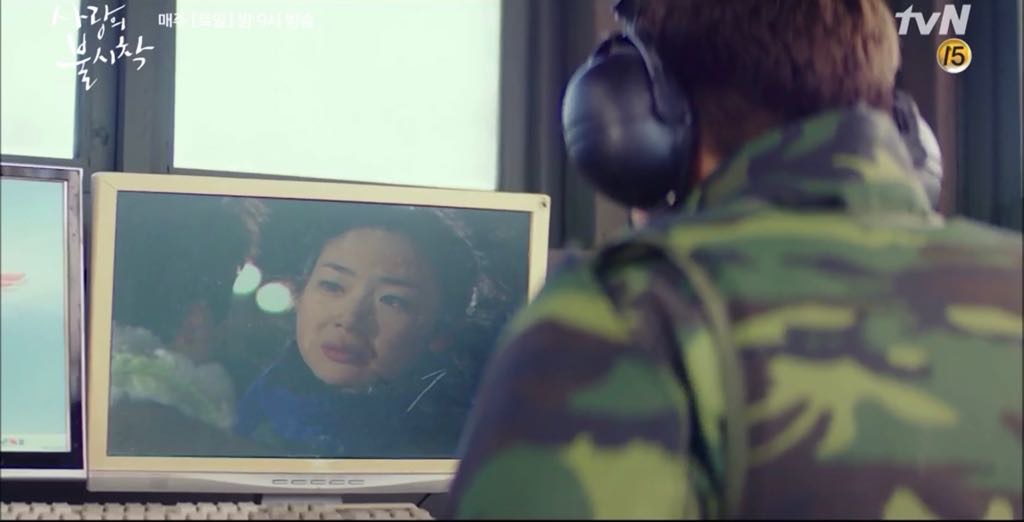
『愛の不時着』ソ・ダンもデパート社長令嬢


政府は北朝鮮製のソフトウェアを使って携帯電話やコンピューターの所有者に関するデータを収集しています。例えば、Red Star OSというソフトウェアは、北朝鮮で作成されたノート型パソコンやタブレットなどの多くのデバイスにインストールされています。政府はRed StarOSを介して接続されたすべてのデバイスのデータにアクセスできます。Red Star OSを使用すると、政府は各USBおよびSDカードが以前に接続されたすべてのデバイスを追跡することもできます。一方で、密輸などを通して海外製のデバイスを所持する人もいます。つまり、北朝鮮人は違法な海外のデバイスを所有するリスクを負うか、合法な北朝鮮製の装置を使うことによってのプライバシーの欠如を受け入れるかのどちらかを選択することを余儀なくされているのです。


"国民が自由にインターネットが使えるようになれば、北朝鮮は自国を維持することは難しいでしょう。 [...]ほとんどの人の思想は変わるでしょう。そしてそれは混乱を生み、彼らは裏切られたと感じるでしょう、それは時間の問題で、誰もが変わる時が来るでしょう。 [...]海外に住む北朝鮮人は真実を知っています。 [...]インターネットは北朝鮮人の脱北に大きな役割を果たしています。 人々が一度でもインターネットを使うならば、彼らはすべてを知ることになります。" – キム・ヨンリ (脱北者)


しかし、近年では状況が急激に変化しています。


2012年から2018年の間に韓国に亡命した200人の北朝鮮人を対象とした調査では、脱北者のうちの46%が北朝鮮で携帯電話を所有していたことがわかっています。


ここで、重要なポイントが2つあります。


第一に、脱北を実行できる人は、携帯電話を所有するなどの違法行為の危険を冒す可能性が高く、そうする手段ももっている人です。

第二に、脱北者の出身地の割合が最も高かったのは北朝鮮と中国の国境沿いで、携帯電話を密輸して使用するのが比較的簡単です。

このように、政府の極端な統制にもかかわらず携帯電話とインターネットへのアクセスが可能な人は一定数いるのです。


f:id:pscore:20210204121222j:plain

朝中国境の丹東で入手できる北朝鮮の携帯電話 [Pyongyang T6]


海外コンテンツへのアクセスがバレたらどうなるの?


金正恩が政権を握って以来、処罰はますます厳しくなりました。

海外ドラマを見ただけで処刑されることは珍しくないのです。


金正恩の下では、学校や事務所などの公共の場や人々の家でも当局の踏み込み捜査が頻繁に行われています。 捜査は、USB、SDカード、海外コンテンツを含むDVDなどの違法なデバイスに対して行われます。もし見つかって賄賂を渡すことができない場合、厳しい罰が科せられる可能性があります。


"ある日お気に入りのCDを友人に勧めました。 しかし、その友人が自宅でそのCDを聞いていた時、突然踏み込み捜査が行われたのです。彼らはCDが誰のものかと尋ねました。こうして、私と友人、そして私たちの家族までもが捕まったのです。"  

– キム・ボラム


f:id:pscore:20210204123310j:plain

『愛の不時着』韓ドラ通の北朝鮮兵士 キム・ジュモク


ー ー ー ー ー ー ー


いかがでしたでしょうか?政府の必死の努力にも関わらず、インターネットや海外コンテンツへのアクセスは近年広まりつつあるようですね。


次回は、児童労働についてお伝えします。私たちPSCOREのウェブサイトもチェックしてみてくださいね。次回もどうぞお楽しみに!

▶︎ http://pscore.org/home-ja/


お読みいただきありがとうございました!