
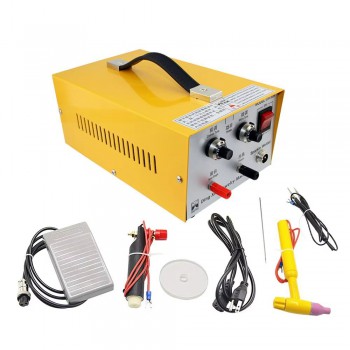
Every jeweler knows that rework quietly eats into profits. A ring that needs another soldering pass or a pendant requiring repeated alignment may seem like a minor inconvenience, but those extra minutes quickly become hours over the course of a week. One of the simplest ways to avoid unnecessary corrections is to make better temporary and permanent connections from the very beginning. A mini jewelry spot welder offers exactly that advantage when it is used with care.
Unlike traditional soldering, spot welding joins specific points with concentrated electrical energy. Since the surrounding metal stays relatively cool, finished surfaces, gemstones, and delicate details are less likely to be affected. This makes it easier to secure components before the final assembly without introducing heat distortion that often creates additional work later.
Preparation is where many successful welds begin. Dust, polishing compound, oxidation, or skin oils can weaken electrical contact and produce inconsistent welds. Wiping the workpiece clean and ensuring the electrodes are also free from contamination helps create stable, repeatable results. Spending a minute on cleaning is far faster than repairing a failed joint.
Proper fit is equally important. Spot welding is not designed to bridge noticeable gaps between metal parts. If two pieces rock against each other or leave visible spaces, the weld strength will suffer. Taking time to file, adjust, or fixture the components before activating the machine usually leads to a cleaner connection and eliminates the need to reposition parts afterward.
Machine settings deserve attention as well. Excessive power may leave marks or even damage thin sections, while insufficient energy creates weak welds that separate during later processes. Rather than relying on one setting for every project, experienced jewelers keep notes on successful combinations of material type, thickness, and welding power. This simple habit reduces guesswork and improves consistency from job to job.
Electrode maintenance is another overlooked factor. Worn or uneven electrode tips concentrate energy unpredictably, resulting in irregular welds. Regular inspection and light dressing of the tips help maintain a consistent contact area. Replacing damaged electrodes before they become a problem is considerably less expensive than correcting flawed jewelry pieces.
For complex designs, it is often beneficial to tack weld several locations first instead of completing one section at a time. Temporary welds hold the structure in alignment while allowing minor adjustments if necessary. Once the overall position is confirmed, additional welds can strengthen the assembly with confidence. This staged approach minimizes distortion and reduces the chance of rebuilding the entire piece.
Practice also plays a significant role. Testing on scrap metal that matches the actual project allows operators to fine-tune settings before touching valuable materials. A few experimental welds often reveal the ideal balance between strength and appearance, preventing costly mistakes on finished work.
Reducing rework is rarely about finding a single perfect technique. Instead, it comes from combining careful preparation, accurate machine settings, well-maintained equipment, and disciplined working habits. A mini jewelry spot welder becomes far more than a convenient tool when used this way—it becomes an investment in efficiency, consistent quality, and customer satisfaction. Fewer corrections mean faster production, lower material waste, and more time available for creating exceptional jewelry.