
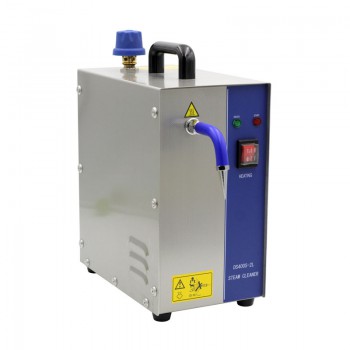
A jewelry steam cleaning machine is one of the most effective tools for restoring brilliance to finished jewelry. High-temperature steam quickly removes polishing compounds, grease, fingerprints, and other contaminants that can hide a piece's true appearance. However, achieving professional results depends not only on the jewelry steam cleaning machine itself but also on how it is used. Many cleaning problems—and even damaged jewelry—can be traced back to simple operating mistakes that are easy to prevent.
One of the most common errors is assuming every piece of jewelry is suitable for steam cleaning. While diamonds, sapphires, and many precious metals tolerate steam well, softer or porous gemstones may react differently. Emeralds filled with oil, opals, pearls, turquoise, coral, amber, and certain treated stones can suffer discoloration, cracking, or surface damage when exposed to high heat and pressure. Identifying the gemstone before cleaning should always be the first step rather than relying on appearance alone.
Another frequent mistake is cleaning jewelry without first inspecting its condition. Steam exits the nozzle at considerable force, and a loose gemstone may become unstable if the setting is already worn. Tiny cracks in prongs, weakened solder joints, or damaged clasps are often difficult to notice until cleaning begins. A quick inspection under magnification allows repairs to be made before the cleaning process creates a larger problem.
Many users also position the steam nozzle too close to the jewelry. Although strong steam removes dirt more quickly, directing concentrated heat at a single area for too long may place unnecessary stress on gemstones or delicate settings. Keeping a reasonable working distance and moving the steam across the surface produces a more even result while reducing thermal shock.
Skipping pre-cleaning is another habit that limits cleaning performance. Heavy polishing compounds, wax residue, or thick grease can block steam from reaching the surface beneath. Washing the jewelry with a mild cleaning solution before steam treatment removes most contaminants and allows the steam to finish the job more efficiently. Steam should be viewed as the final cleaning stage rather than the only cleaning method.
Water quality is often overlooked. Filling the boiler with untreated tap water can gradually create mineral deposits inside heating elements, valves, and nozzles. Scale buildup reduces steam pressure, shortens equipment life, and may eventually clog internal passages. Using distilled or demineralized water helps maintain consistent performance while reducing maintenance requirements.
Another mistake involves ignoring routine maintenance of the machine itself. Emptying leftover water after use, cleaning the steam nozzle regularly, and checking seals for wear all contribute to stable operation. Waiting until steam pressure drops or leaks appear usually means maintenance has already been delayed too long.
Safety practices are equally important. Some operators focus entirely on the jewelry and forget that steam temperatures can easily cause burns. Holding pieces securely with tweezers or specialized holders keeps hands away from the steam jet while providing better control. Wearing eye protection is also advisable, especially when cleaning pieces with intricate settings that may redirect hot water droplets.
Finally, rushing the drying process can leave moisture trapped in difficult-to-reach areas. After steam cleaning, jewelry should be allowed to dry completely or be blown dry with clean compressed air. Proper drying prevents water spots and ensures hidden cavities remain free of moisture before storage or packaging.
A jewelry steam cleaning machine is capable of producing exceptional results when used correctly. Understanding which jewelry is safe to clean, preparing each piece properly, maintaining the equipment, and following safe operating procedures all contribute to cleaner finishes and longer-lasting jewelry. Careful attention to these details not only protects valuable pieces but also helps the machine deliver reliable performance day after day.
