
Energy costs have become a growing concern for jewelry workshops, metal artists, and small-scale refiners. While the price of gold often attracts the most attention, the electricity required to melt it repeatedly can also add up over time. Fortunately, modern small gold melting furnaces are far more efficient than older equipment, making it possible to reduce operating costs without sacrificing melting performance.
One of the biggest improvements lies in heating efficiency. Traditional furnaces often spend a long time warming both the chamber and the surrounding air before the crucible reaches the desired temperature. Newer compact models concentrate heat where it is actually needed. Better insulation keeps thermal energy inside the furnace instead of allowing it to escape into the workspace, which means less electricity is wasted during every melting cycle.
Fast heating also plays an important role in energy conservation. A furnace that reaches melting temperature in just a few minutes consumes less power overall than one that requires an extended preheating period. This is especially valuable for jewelers who process small batches several times throughout the day. Shorter waiting times not only lower electricity usage but also improve workflow and productivity.
Precise temperature control is another feature that contributes to lower energy consumption. Digital controllers allow users to select an exact melting temperature instead of relying on estimation. Once the target temperature is reached, the furnace can maintain it with minimal power rather than continuously applying maximum heat. Preventing unnecessary overheating protects both the precious metal and the crucible while reducing energy demand.
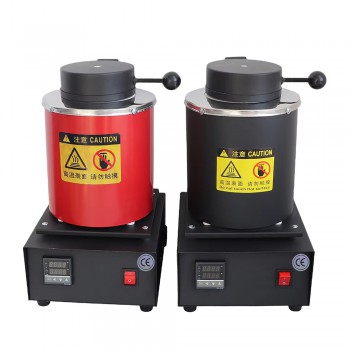
The size of the furnace should also match the scale of the work. Using a large industrial furnace to melt only a few grams of gold is much like driving a heavy truck to deliver a single package. Compact furnaces have smaller heating chambers that require less energy to reach operating temperature, making them an ideal choice for jewelry repair, custom manufacturing, and laboratory applications.
Routine maintenance has a direct impact on efficiency as well. A damaged crucible, worn heating element, or poorly sealed furnace door can all increase energy consumption. Regular inspections help identify minor issues before they become expensive repairs. Keeping the furnace clean also allows heat to circulate more effectively inside the chamber.
Good operating habits can further improve energy savings. Organizing materials before turning on the furnace prevents unnecessary idle heating. Melting several small batches consecutively instead of allowing the furnace to cool between each cycle reduces repeated warm-up periods. Even simple practices such as closing the lid promptly after adding metal help retain valuable heat.
Modern small gold melting furnaces demonstrate that energy efficiency and reliable performance can go hand in hand. Their improved insulation, rapid heating systems, intelligent temperature control, and compact designs make them practical investments for professionals and hobbyists alike. Over months of regular use, the reduction in electricity consumption can become significant, lowering operating expenses while supporting more sustainable metalworking practices. Choosing an efficient furnace is therefore not only an economic decision but also a smart step toward responsible resource management.
Related articles: https://jewelerstoolsmall25.blogspot.com/2026/07/how-to-extend-lifespan-of-your-jewelry.html