日本文化、世界の歴史・健康・ミライにチャレンジ -68ページ目

Edo environmental philosophy


To give birth to cause (Yue o Hamu) is an ancient Japanese term for

"Old things are given new life and shine once again. Discarded items are reused, leading to a prosperous future."

This is similar to the idea of upcycling.
Nowadays, from the perspective of sustainability and environmental protection, it is important to cherish and reuse old things. In this context, phrases such as ``giving birth to the past'' are used to refer to the idea of reevaluating the values of tradition and the past and reborn in a new form.


Kogo are words and expressions used during Japan's classical literary period (from ancient times to the Middle Ages). It appears particularly frequently in the Heian and Kamakura period texts such as ``The Tale of Genji'' and ``The Pillow Book.'' Although the grammar and meaning are different compared to modern Japanese, knowledge of ancient languages is still important in order to create an attractive world that is different from "here and now" and to deeply understand Japanese culture and history. is.


Edo environmental philosophy: The origins of upcycling and remake

Throughout its deep history, the streets of Edo were known as much for their skillful circulation of resources as for their colorful culture and customs. In the shadow of the bravery of the samurai and the charm of the flower world, people's daily lives were supported by a lifestyle that maximized the use of resources and produced no waste.

This sustainable "recycling society" could be said to be the forerunner of today's upcycling and remaking. In the island nation of Japan, which lacks resources, a culture of valuing things and keeping their value alive flourished.

As an example, let's consider the handling of kimonos. Kimonos that are no longer in use have been upcycled into new items, or recycled as tatami mats and rags. Every part of the ingredients was reused and reprocessed, with no surplus left over, and they were revived as ingredients for new meals.

Domestic waste in cities was seen as something to be reused or recycled, while in rural areas it was waiting to be recycled as fertilizer or materials. This was a manifestation of the Edo people's philosophy of understanding the true value of things and making full use of them. Their wisdom and habits can serve as great lessons for our future. In these ever-changing times, the Edo philosophy of circulation remains our eternal guideline.

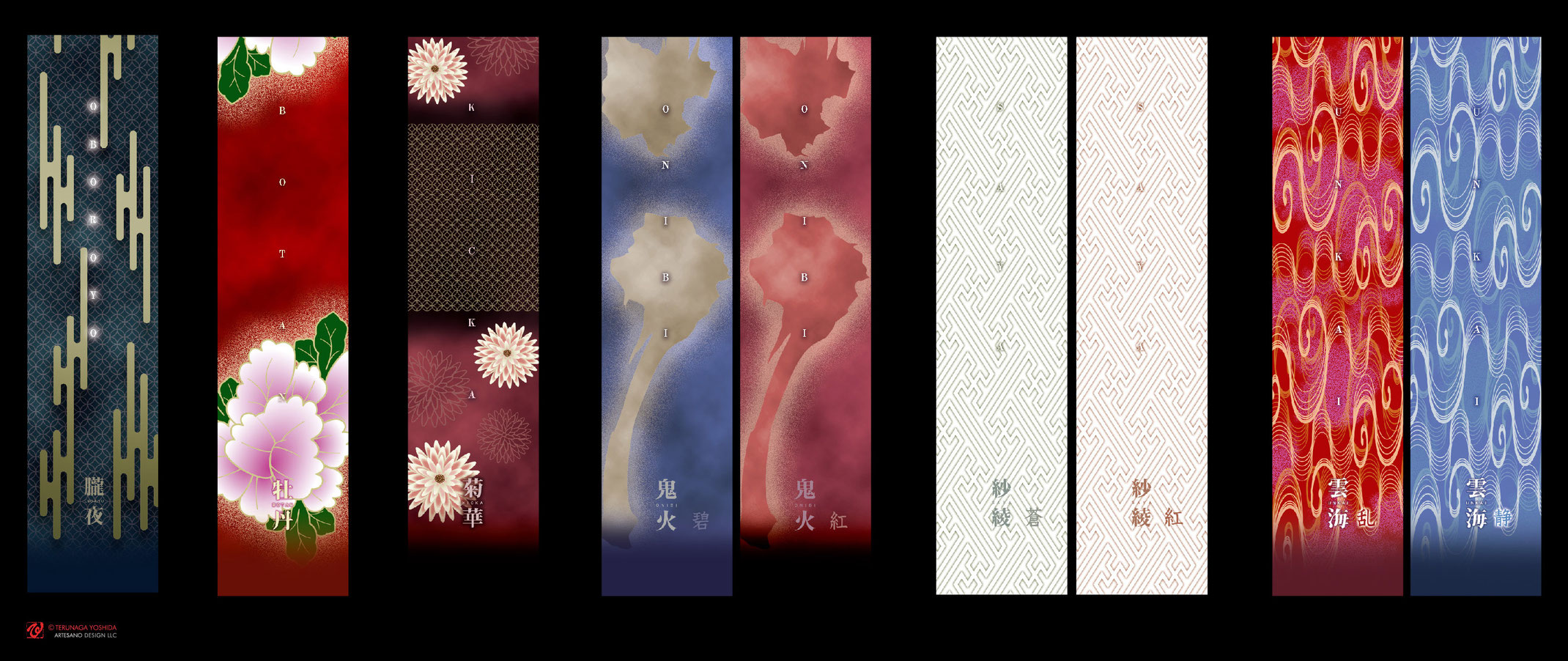


故を生む 江戸の環境哲学はアップサイクルとリメイクの原点


故を生む(ゆえをはむ)とは古語でいうところの
「昔の物が新たな命を授かり、再び輝きを放つ。廃棄されたものたちが再利用され、豊かな未来へとつながる。」
↑↑↑
アップサイクルの考え方に通じるものがあります。
現代では、サステナビリティや環境保護の観点から、古いものを大切にし、再利用することが重要視されています。その中で「故を生む」のようなフレーズが使われることで、伝統や過去の価値を再評価し、新しい形で生まれ変わらせるという考え方を意味します。
 
 
古語(こご)は、日本の古典文学時代(古代から中世)に使われていた言葉や表現です。特に平安や鎌倉時代の文献「源氏物語」や「枕草子」に頻出します。現代日本語と比べると文法や意味が異なりますが現代においても「 今・ここ」とは異なる世界を魅力的に演出するため、また日本の文化や歴史を深く理解するために古語の知識が重要です。
 
 
江戸の環境哲学:アップサイクルとリメイクの原点

深い歴史の中、江戸の街並みは、華やかな文化や風俗と同じくらい、巧みな資源の循環で知られていました。武士の勇猛さや花柳界の魅力の影で、人々の日常は資源を最大限に活用し、無駄を出さない生活スタイルに支えられていました。

この持続可能な「循環型社会」は、今日のアップサイクルやリメイクの先駆けとも言える存在でした。資源に乏しい日本の島国の中で、物を大切にし、その価値を生かし続ける文化が花開いていたのです。

例として、着物の扱いを考えてみましょう。使われなくなった着物は新たなアイテムへとアップサイクルされたり、畳や雑巾としての再生を経験しました。食材においても、余らせることなく、あらゆる部分が再利用や再加工を受け、新たな食事の材料として蘇った。

都市の生活ごみは、再利用やリサイクルの対象として見られ、農村では肥料や資材としての再生を待っていました。これは、ものごとの真の価値を理解し、それを存分に活用する江戸の人々の哲学の現れでした。彼らの知恵と習慣は、私たちの未来にとっての大きな教訓となり得る。変わりゆく時代の中で、江戸の循環哲学は、私たちにとっての永遠の指針です。


The real thrill of the Chrysanthemum Festival

Hello everyone, how are you feeling about the effects of yesterday's typhoon? I am saddened by the unexpected flood damage.
We pray for the earliest possible recovery and please take care of yourself.

Well, today is Chrysanthemum Festival.
Chrysanthemum Festival is one of the five seasonal festivals, and is celebrated on September 9th. Originating from Chinese tradition, odd-numbered days are said to be auspicious, and the day on which the largest odd number, 9, overlaps is considered special.

Gosekku are five seasonal festivals that are celebrated throughout the year. Each festival has its own characteristics, and below we have summarized the five festivals in Japan and their characteristics.

1. Jinji Festival (January 7th)
- Eat Nanakusa porridge and pray for good health throughout the year.

2. Kamishi no Sekku (March 3rd)
- Decorate Hina dolls and wish for the growth of girls.
- Chirashi sushi and clam soup are standard.

3. Boy's Festival (May 5th)
- By displaying May dolls and carp streamers, we wish for the boy's health and success.

4. Tanabata Festival (July 7th)
- Hang a strip of paper with a wish written on it on a bamboo tree and hope for your dreams to come true.

5. Chrysanthemum Festival (September 9th)
- Pray for good health by taking advantage of the medicinal properties of chrysanthemums.
- Display the Hina dolls again as “later Hina dolls”.

These events are meant to celebrate the changing seasons, the growth of children, and strengthen family bonds.

Chrysanthemum Festival is an event centered around chrysanthemums. According to the lunar calendar, this time of year is also called the ``Chrysanthemum Festival'' because the chrysanthemums bloom beautifully. (Enjoy visually)


Chrysanthemums have been known since ancient China to have health and longevity benefits. A book from the 4th century contains a story called ``The Legend of Kikusui,'' in which villagers lived long lives by drinking water from a valley where many chrysanthemums grew. From this legend, the custom of drinking water containing chrysanthemum essence during Chrysanthemum Festival was born. (Enjoy with sense of smell)

This tradition and the idea of the medicinal properties of chrysanthemums reached Japan, where they spread among the aristocrats of the Heian period. The Chrysanthemum Festival came to be established as a seasonal event in Japan.


image

You can also enjoy chrysanthemum Japanese sweets to your heart's content, as shown in the photo above. (Enjoy with taste)

It is one of the poetry gatherings of the Heian period, and the chanting sessions about chrysanthemum flowers that were held in the dairi during the Kanpei era are called ``Kanpei Dairi Kikugo.'' We would like to introduce the chrysanthemum song that was sung at this poetry gathering.

I will explain ``Masarigusata mahisi seeds will be planted and chrysanthemums will become chrysanthemums by the time of Suberagi no Yorozuyo''.

- "Suberagino": "Suberagi" means "smooth" or "good".
- "Yorozuyo" means "forever" or "for a long time."
- "Masarigusa": means "superior grass", meaning a grass that is superior to other grasses.
- "Tamahishitane": It means "precious seed."
- “Ueshi”: It means “planted”.
- "Kikunari": It means "that's a chrysanthemum."

In other words, this poem means ``Chrysanthemums are the grass planted with the precious chrysanthemum seeds, smooth and beautiful and eternally superior.'' In other words, it can be interpreted as praising the chrysanthemum, saying that it is a flower that has been loved by people for a long time, more so than other plants, for its beauty and excellent qualities. (Enjoy hearing)


↑↑↑
Kasane-irome is a color scheme unique to Japan, and is used to match the inside and outside colors of clothing. Especially during the autumn season, chrysanthemums are often used as a motif. In this case, the delicate expressions and nuances of chrysanthemums are skillfully expressed through color combinations, rather than just the colors of flowers.

I spent the day thinking once again about how wonderful it is to feel the delicate sensibilities of the Japanese people, who have incorporated the changes of nature into the clothes they wear according to the seasons. (Enjoy with the sense of touch)