えいごnote -15ページ目

えいごnote

【覚えた英語をmemo】 My English is biginner. I'm looking for the way how can I enjoy studying English.まずは自分で英語で書いて、ネイティブの方に間違いを修正してもらっています。数日後には赤字で修正しています。

After wedding ceremonies, wedding reception parties called "Hirouen" are held. Relatives, friends, and co-workers are invited to wedding reception parties. If you are attending a Japanese wedding reception, you are expected to bring cash for a gift. The cash is enclosed in a special envelope called "shugi-bukuro".

えいごnote

During wedding reception parties, the married couple sits on a stage, enjoying the guest's speeches and performances. It's typical for the couple to cut the wedding cake. When the married couple enter the reception room, their favorite music which they have selected is playing, and they walk around the reception room, lighting the candles and greeting guests. It's common for the bride and broom to change costumes a couple of times, and it is called "Oironaoshi".

Wedding souvenirs are called "Hikidemono" in Japanese. They are often tableware, sweets, homeware, and so on.

Recently, the most popular song to play is "Butterfly" by Kaera Kimura when the married couple enter their reception party. Kaera Kimura made this song for her best friend's wedding gift. It was a surprise gift that she sang this song at her best freind's wedding reception party. I love this song.


<JapaneseTranslation>

結婚式の後には"披露宴"と呼ばれるパーティを行います。親戚や友達、会社の同僚などが招待されます。もし、日本の披露宴に出席する場合は贈り物として現金を持って行く事を期待されています。現金は"祝儀袋"と呼ばれる特別な封筒に包みます。

披露宴の間、新郎新婦はステージに座ってゲストのスピーチやパフォーマンスを楽しみます。新郎新婦はウェディングケーキにナイフを入れてカットするのが一般的です。新郎新婦が披露宴会場に入場する時にお気に入りの曲を流し、キャンドルに火を灯して歩いてまわり、ゲストに挨拶します。一般的に"お色直し"と言って新郎新婦が衣装を着替えます。結婚のお土産は、"引き出物"と呼ばれます。テーブルウエアやお菓子やインテリアなどが入っています。

最近の披露宴で入場の時に流れる曲で、1番人気のある曲は木村カエラさんの"Butterfly"です。木村カエラさんは、親友の結婚祝いとして贈るためにこの曲を作りました。親友の披露宴でサプライズでこの曲を歌ったそうです。私もこの曲大好きです。


<Romaji Translation>

Kekkonshiki no ato ni wa "Hirouen" to yobareru party o okonaimasu. Shinseki ya tomodachi, kaisya no douryou nado ga syoutai saremasu. Moshi nihon no Hirouen ni shusseki suru baai wa okurimono toshite genkin o motte iku koto o kitai sarete imasu. Genkin wa "Shuugibukuro" to yobareru tokubetsu na fuutou ni tsutsumi masu.

Hirouen no aida shinrou shinpu wa stage ni suwatte guest no speech ya performance o tanoshimi masu. Shinrou shinpu wa wedding cake ni knife o irete cut suru no ga ippanteki desu. Shinrou shinpu ga hirouen kaijou ni nyuujou suru toki ni okiniiri no kyoku o nagashi candle ni hi wo tomoshi te arui te mawari guest ni aisatsu shimasu. Ippanteki ni "Oironaoshi" to itte shinrou shinpu ga isyou o kigae masu. Kekkon no omiyage wa "Hikidemono" to yobare masu. Tableware ya okashi ya interior nado ga haitte imasu.

Saikin no Hirouen de nyuujou no toki ni nagareru kyoku de ichiban ninki no aru kyoku wa Kimura Kaera san no "Butterfly" desu. Kimura Kaera san wa shinyuu no kekkoniwai toshite okuru tame ni kono kyoku o tsukuri mashita. Shinyuu no hirouen de surprise de kono kyoku o utatta soudesu. Watashi mo kono kyoku daisuki desu.


Today's Phrases目

co-workers

fusawashii / pittari

どうりょう 

同僚 


I've posted about Traditional Japanese wedding ceremonies before. There are several types of bride's kimono by "Wasou". This time, I introduce one of the most popular bride's traditional wedding kimono and hair style.


<JapaneseTranslation>

前回、日本の結婚式について書きました。花嫁の和装の着物はたくさんの種類があります。今回は、人気のある着物とヘアースタイルについてご紹介します。

<Romaji Translation>

Zenkai Nihon no kekkonshiki ni tsuite kakimashita. Hanayome no wasou no kimono wa takusan no shurui Nihon no kekkonshiki ni tsuite kakimashita. Hanayome no wasou no kimono wa takusan no shurui ga arimasu. Konkai wa ninki no aru kimono to hair style ni tsuite go syoukai shimasu.


えいごnote

Bunkin takashimada

This is the most popular bride's traditional hair style, it is called "Bunkin takashimada". In most cases though brides would wear wig. Durling the wedding ceremony, brides have to put on a white hat that is called "Tsunokakushi". "Tsunokakushi" means "I don't to appear my selfish".


<JapaneseTranslation>

文金高島田

一番人気のある花嫁のヘアースタイルで"文金高島田"と言います。たいていの場合、カツラです。花嫁が結婚式に出る時は、”角隠し” と呼ばれる白い帽子を被らないといけません。”角隠し”は私の我を出しません、という意味です。

<Romaji Translation>

Bunkin takashimada

Ichiban ninki no aru hanayome no hair style de ”Bunkin takashimada” to iimasu. Taitei no baai Katsura desu. Hanayome ga kekkonshiki ni deru toki wa "Tsunokakushi" to yobareru shiroi boushi o kaburanaito ikemasen."Tunokakushi" no imi wa watashi no ga o dashimasen to yuu imidesu.


えいごnote

Shiromuku

Shiromuku is all white style that includes wearing belt (obi), accessories. This style is the most popular bride's traditional wedding kimono. "White” is symbolising "pure" and "I would be dyed whichever color you want "


<JapaneseTranslation>

白無垢

白無垢は、着物、帯、小物すべてが白一色です。最も古い婚礼衣装で、人気のある花嫁衣裳です。清純を表す「白」は「これからあなたの色に染まります」という意味です。

<Romaji Translation>

Shiromuku

Shiromuku wa kimono, obi, komono subete ga shiro issyoku desu. Mottomo furui konrei isyou de ninki no aru hanayome isyou desu. Jyunketsu o arawasu "Shiro" wa "Korekara anata no iro ni somari masu" to yuu imi desu.


えいごnote

Irouchikake

This style involves wearning a colorful uchikake (kimono) that is embroidered and patterned. Iro uchikake is appropriate to for a gorgeous and a happy day.

<JapaneseTranslation>

色内掛

華やかな刺繍や模様の打掛(着物)を着るスタイル。華やかでおめでたい日にぴったり。

<Romaji Translation>

Irouchikake

Hanayaka na sisyu ya moyou no uchikake (kimono) o kiru style. Hanayaka de omedetai hi ni pittari.


Today's Phrases目

selfish

wagamama

わがまま

我がまま


dye

somaru

そまる

染まる


appropriate

pittari / fusawashii

ぴったり / ふさわしい


えいごnote

Most weddings are held at hotels or wedding halls where with chapels and shrines. Couples choose the style of their wedding ceremonies, and it doesn't necessarily match with one's religion. Non-Christian couples often have their weddings at chapels in Japan.


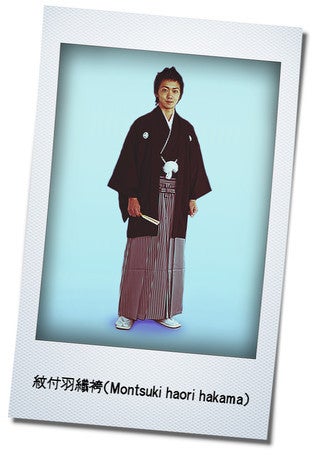
Traditional Japanese wedding ceremonies are held at shrines. Brides wear traditional wedding kimono and grooms wear montsuki (black formal kimono), haori (kimono jacket), and hakama (kimono pants). This ceremony style is called "Shintou-style", and wearning style is called "Wasou". It's common that only family members and close relatives of couples attend "Shintou-style" wedding ceremonies. Also there are several types of bride's kimono by "Wasou". Next time I'll introduce them.


When we have a wedding ceremony in the church, we wear a wedding dress. We can wear either of them (Some people can wear both of them...In this case I'll write more about it someday) when having a wedding at a hotel.


<JapaneseTranslation>

結婚式の多くは、ホテルまたはチャペルか神社の結婚式場で行います。宗教に関係なく結婚式のスタイルを選ぶことができます。 日本ではキリスト教の信者ではない人でもチャペルで結婚式ができます。


日本の伝統的な結婚式は神社で行います。 花嫁は伝統的な着物、花婿は紋付き(黒い正装の着物)、 羽織(ジャケット)、袴(ズボン)を着ます。 この結婚式スタイルは"神前結婚式"と言い、着物は"和装"と言います。 "神前結婚式"では、家族や近しい関係の人だけが参列します。 また、花嫁の和装の着物にはいくつか種類があります。 次回ご紹介しますね。

教会での結婚式ではウェディングドレスを着ます。ホテルでの結婚式ではどちらでも着れます(人によっては両方着る人もいます・・・このケースはいつかご紹介しますね)。


<Romaji Translation>

Kekkonshiki no ooku wa hotel mata wa chapel ka jinjya no kekkon shiki jou de okonai masu. Shuukyou ni kankei naku kekkonshiki no style o erabu koto ga dekimasu. Nihon de wa kirisuto kyou no shinjya de wa nai hito demo chapel de kekkonshiki ga dekimasu.


Nihon no dentouteki na kekkonshiki wa jinjya de okonai masu. Hanayome wa dentouteki na kimono, Hanamuko wa montsuki (kuroi seisou no kimono), haori(jyacket), hakama(zubon) o kimasu. Kono kekkonshiki style wa "Shinzen kekkonshiki" to ii, kimono wa "wasou" to iimasu. "Shinzen kekkonshiki " dewa kazoku ya tikashii kankei no hito dake ga sanretsu shimasu. Mata Hanayome no wasou no kimono ni wa ikutsuka syurui ga arimasu. Jikai go syoukai shimasu ne.


Kyoukai deno kekkonshiki dewa wedding dress o kimasu. Hotel deno kekkonshiki dewa dochira demo kiremasu (Hito ni yotte wa ryouhou kiru hito mo imasu...kono case wa itsuka go syoukai shimasu ne).


Today's Phrases目

shrine

jinjya

じんじゃ

神社


religion

syukyou

しゅうきょう

宗教


えいごnote


My Language Exchenge partner told me about the appropriate films to watch because I love countryside of the UK.


THE SECRET GARDEN

Mary is a girl who has a closed heart, one day she found a key of the sealed " The Secret Garden" , and then she decided to revive the ruined garden behind grown-ups backs (in secret).


How beautiful this movie is! As the Garden is revived, Mary becomes more and more beautiful with the characters around her.

It is refreshing to feel the life force of the many animals and flowers and this story is heart-warming. Also it has a wonderful rural scenes of English countryside and the house interiors . There is a wonderful antique wheelchair. Especially, I love medieval clothes the maid was wearing. I love this movie.  


<JapaneseTranslation>

イギリスの田舎好きの私にぴったりの映画をLanguage Exchange パートナーが教えてくれました。


THE SECRET GARDEN

心を閉ざした少女メアリーが、ある時封印された「秘密の花園」の鍵を見つけ荒れ果てた花園を大人に内緒で蘇らせる決心をする・・・


映像がとても美しい!荒れ果てたお庭を蘇らせる中で登場人物の心も蘇りメアリーがどんどん美しくなる。

私の大好きな動物やお花から生命力を感じ爽やかで、ストーリーも心温まる映画でした。

イギリスの田舎の田園風景や部屋のインテリアも素敵です。そして、アンティークの車いすも素敵!なによりも中世のメイドが着ている洋服がかわいいです。この映画大好き。


<Romaji Translation>

Kokoro o tozashi ta syoujo Mary ga arutoki fuuin sareta "Himitsu no hanazono" no kagi o mitsuke arehateta hanazono o otona ni naisyo de yomigae raseru kesshin o suru....


THE SECRET GARDEN

Eizou ga totemo utsukushii! Arehateta oniwa o yomigae raseru naka de toujou jinbutsu no kokoro mo yomigaeri Mary ga dondon utsukushiku naru. Watashino daisuki na doubutsu ya ohana kara seimeiryoku o kanji sawayaka de story mo kokoro atatamaru eiga deshita. Igirisu no inaka no denenfuukei ya heya no interia mo suteki desu. Soshite Antiiku no kurumaisu mo suteki. Naniyori mo chuusei no meido ga kiteiru youfuku ga kawaii desu. Kono eiga daisuki.


Today's Phrases目

appropriate

fusawashii / pittari

ふさわしい / ぴったり

ruined

arehateta

あれはてた

荒れ果てた


a rural scene

denenfuukei

でんえんふうけい

田園風景


Today is a national holiday in Japan.The second Monday in October (the 11th in 2010) is Japan's national holiday, "Taiiku no hi" (It's Sports Day.) It was established to commemorate the 1964 Summer Olympics in Tokyo. Many schools held a "Field Day" around this time. The most exciting events are the 100 meters relay, the boys who are very fast are popular among girls. The children are usually divided into two teams: red and white (the children all have red and white reversible gymnastics caps). I'm sure Japanese people have a memory of pretending to be ultraman in thier red and white reversible caps
when they were young children.
This brings back memories.

えいごnote えいごnote


<Japanese Translation>

今日は日本の祭日です。10月の第二月曜日は、日本の祭日である"体育の日"です。1964年に東京で夏季オリンピックが開かれたことを記念して定められました。


多くの学校はこの時期に"運動会"を行います。

一番盛り上がる種目は100メートル競走で、足の速い男の子はモテます。


子供たちは赤と白の二つにチームにわかれて競技をします。(赤と白が裏表になっている帽子をかぶって見分けをつけます。)


日本人なら子供の頃、紅白帽のつばを立ててウルトラマンごっこをする遊びをした記憶があると思います。懐かしい~。


<Romaji Translation>

Kyou wa nihon no saijitsu desu.Juugatsu no daini getsuyoubi wa, nihon no saijitsu de aru "taiiku no hi" desu. 1964-nen ni toukyou de kaki orinpikku ga hirakareta koto o kinen shite sadameraremashita. Ooku no gakkou dewa kono jiki ni "undoukai" o okonaimasu. Ichiban moriagaru syumoku wa hyaku me-toru kyousou de ashi no hayai otokonoko wa mote masu. Ippantekina shumoku to shite, hyaku meetoru kyousou, tsunahiki, kibasen nado ga ageraremasu. Kodomo tachi wa aka to shiro no futasu no chiimu ni wakarete kyougi o shimasu. (Aka to shiro ga ura omote ni natteiru boushi o kabutte miwake o tsukemasu.) Nihonjin nara kodomono koro Kouhaku-Bou no tsuba o tate te urutoraman gokko o suru asobi o shita kioku ga aruto omoimasu. Natsukashii~.


Today's Phrases目

commemorate

kinen suru

きねん する

記念 する


This brings back memories.

natsukashii

なつかしい

懐かしい