The Eskimos on the west coast of Greenland believed that the souls of the dead went either into the ground, water or the sky. In the night we might see the souls on the sky playing football using the skull of a walrus. The Eskimo word "aksarnirq" can be translated as the ball player. Some Eskimos in Greenland claim in their folklore that sounds emitted from aurora. These are caused when the souls step on icy, packed snow in the heavens.
The Eskimos in the northernmost part of Canada believe that the Northern lights are created by spirits, which, dressed in a mystique light, are having fun because the sun is missing. Rapidly moving aurora were called the dance of death. In the folklore of the Eskimos in eastern Greenland, auroras are the souls of killed newborn babies or premature babies. The Northern lights can be called by the name 'alugsukat', which means a secret birth.
Many Eskimos believed they could hear the Northern lights. The noise can be imitated by whistling. In this way you can make the aurora come nearer and nearer, then you can whisper messages to be sent over to the dead. Indians also used the whistle in order to get the Northern lights nearer. A corresponding belief is still strongly alive in Finnish Lapland. Among the Sami people whistling was believed to be dangerous. The Northern lights caused fear and they were respected.
In the Sami language, the Northern lights are called by the word 'guovssahasah'. It means the glowing of the sun in the sky in the morning or in the evening, as does the Latin word aurora. But this word could also be translated as the fire by the bird Siberian Jay. This word also refers to audible light, although no scientific proof about audible sound from aurora exists.
Explanations related tot he spiritual world show common features all over in the polar regions. The spirits of the dead moved into the sky and their activities were visible there. Inuits at the Hudson Bay※1 area believed that spirits which had encountered a voluntary or violent death as well as ravens※2 will settle themselves above a dangerous path, keeping up torches, which guide the steps of new comers. This scene will be visible as the light from aurora.
In addition to the people of Scandinavia, the Inuits, the Indians, the tribes in Siberia, the people of Russia and the Baltic countries and the even people of Mongolia have beliefs related to the Northern lights.
The origin of the Northern lights has various explanations in folklore and mythology. The Finnish word "revontulet" is associated with the fox. According to a tale, a fire fox is running far in the north and touching the mountains with its fur, so that sparks fly off into the sky as the Northern lights. Another version of the same story tells the fox to throw the Northern lights into the sky by sweeping its tail in the snow. A more developed version then explains how moonlight is reflected from snowflakes, which were swept into the sky by the fox. Other Finnish explanations include, e.g.※1, water jets blown by whales. The Estonian people also have belief related to the play of whales. Funnily enough, a crocodile appears in the tales of the Estonians, too.
Very frequent explanations of the Northern lights were different kind of reflections of light. Icebergs, herrings in the Arctic, hot geysers in Iceland and the volcano Heckle appear in the explanations. In parts of Lapland people considered the Northern lights as the winter counterpart of the thunderstorm in summer. Often one meets the aurora as omens. Omens of war were described in Poland, Prussia, Germany, Denmark, Estonia and even among the Sami※2 people. However, a large and systematic ethnologic study of the topic is missing.
※1 e.g. ラテン語exempli gratia (=for example) 例えば ※2 Sami: サーミ。サーミ人。スカンジナビア半島北部ラップランド及びロシア北部コラ半島に居住する少数民族。フィン・ウゴル系。サーミ語を話すが、ほとんどがスウェーデン語、フィンランド語、ロシア語、ノルウェー語なども話すバイリンガル(Wikipediaより)
At their best, the Northern lights※1 offer a very earth-shaking experience and many people also have claimed to have heard their sounds. In reality the Northern lights make no sounds, however, and any possible emitted noise wouldn't even reach our ears from a height of 100 kilometers※2 .
The old Finnish tale tells of a firefox scurrying across the snow, caressing the snowflakes, and turning into celestial foxfire, the Northern lights. Fox in Finnish is also called "repo※3 ― Reynard the Fox", thus the name "revontulet", the fire of Reynard the Fox※4. This is probably the most charming of all the beliefs about Northern lights. The Northern lights often seem to rise straight up from the snow's surface or, indeed, from inside the earth, and their blazing trail does resemble flames or the swish of fox's tale※5.
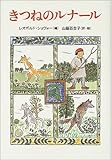
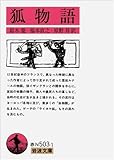
※1 Northern lights: オーロラのこと。"aurora"はローマ神話の夜明けの女神(ギリシャ神話の暁の女神 Eosに当たる)の名前に由来する。 ※2 the height of 100 kilometers: オーロラは高度100~500kmに出現する。飛行機の高度は10kmくらい。 ※3 repo: フィンランド語で「(主に民話で)キツネ」のこと。ちなみに、キツネ(正しくはキタキツネ)は"kettu" ※4 Reynard the Fox: キツネのルナール(最初フランスで編集された中世の寓話Reynard the Foxに登場する) なぜオーロラが「キツネのReynard」に由来するのか気になるところです。AMAZONで"Reynard the Fox 洋書"で検索するとたくさん出てくるので、欧米では有名な話なのかな ※5 the swish of fox's tale: "tail(尾)"の間違いのような気がする…。

 雪ということで、今回は雪だるまの話です

 )で、「温かいスープが飲みたい!」とか「暖かい洋服を着せて!」とか子供たちに要求して、子供たちがその通りにしてあげると、その度に溶けてしまい、「もう一回作り直して!」と言って子供たちに雪だるまを作り直させます。

 の本です。クリックをすると画像付きのAMAZONのページにとびます。