
Trauma does not live only in memory. It shows up in heart rate that will not settle, sleep that fractures at 3 a.m., a startle that feels wired into the bones, a voice that goes flat when danger feels near. When clients tell me their mind understands they are safe but their body refuses the memo, I listen closely. That split is where neurofeedback has attracted interest, because it trains the nervous system directly rather than only talking about it.
Neurofeedback has also earned both praise and skepticism. Some clinicians call it a breakthrough, others see an expensive distraction. The truth sits in the details. There is real promise, especially for arousal regulation, and there are sharp limits, including uneven evidence, variable quality control, and marketing that gets ahead of data. If you work with trauma therapy, or you are seeking help for PTSD or complex trauma, it helps to know what science supports, what remains tentative, and how to decide if neurofeedback belongs in your care plan.
What neurofeedback is, and what it is not
Neurofeedback is a form of biofeedback that uses real-time brain signals, usually EEG picked up from the scalp, to guide learning. The client watches a display or listens to sounds that change moment by moment as brain activity shifts. The software is set to reward certain EEG patterns, for example more midrange alpha or sensorimotor rhythm, and to reduce others, such as excessive high beta associated with hyperarousal. Over repeated sessions, the brain tends to spend more time in the reinforced patterns. It is like a mirror with a teacher built in, reflecting internal states that are usually invisible and marking the ones that move physiology toward calm or focus.
It is not shock therapy, not a passive brain zap, and not mind control. Nothing is implanted. The equipment reads electrical activity from the surface and translates it into feedback. The work still depends on learning, individual engagement, and careful clinical framing.
Different schools exist. Alpha theta training invites deeper, slower states, sometimes experienced as dreamlike or meditative. Sensorimotor rhythm training shores up stability, especially in people who feel revved up and jumpy. Infra-low frequency approaches target very slow oscillations linked to network regulation. Quantitative EEG, or qEEG, adds a brain map at baseline to inform protocol selection. These methods share a principle, reward what helps regulation, but they differ in how they try to get there.
The neuroscience rationale for trauma
Trauma-related disorders consistently show patterns of heightened limbic reactivity and impaired top-down modulation. Imaging studies find amygdala hyperactivation, reduced hippocampal volume in many but not all cohorts, and changes in medial prefrontal cortex function that correlate with fear extinction difficulties. Resting-state research often points to disrupted default mode network connectivity and less coherent alpha rhythms. On the surface EEG, trauma populations frequently show reduced resting alpha power, increased beta activity tied to vigilance, and variable frontal asymmetries. Sleep spindles, slow-wave architecture, and REM dynamics can all be disturbed.

These findings match the lived experience. The body prepares for danger, even in a quiet room. The person either stays on guard or drops into a fog to manage overload. Neurofeedback tries to strengthen the brain’s capacity to move among states, up when engagement is needed, down when rest is safe. That is one reason it pairs naturally with somatic therapy, which uses breath, posture, interoception, and small movements to rebuild a felt sense of safety from the inside.
What the research shows so far
The gold standard for clinical evidence is a well-controlled randomized trial with adequate sample size, clear outcomes, and follow-up. Neurofeedback for PTSD has several encouraging trials, many with small samples, as well as meta-analyses that show moderate benefits with important caveats.
A frequently cited randomized study published in 2016 enrolled adults with chronic PTSD and found that about two thirds of those receiving neurofeedback achieved a clinically significant drop in symptoms, compared with far fewer on a waitlist control. Improvements extended to affect regulation and dissociation. The study used twice-weekly sessions over 12 weeks, a common schedule. Replications and extensions in veteran and civilian samples show similar directions of effect, though results vary.
Systematic reviews up to 2021 report medium effect sizes on PTSD symptom severity, sleep, and arousal, with low to moderate certainty due to small samples, heterogeneity in protocols, and risk of bias in some trials. Adverse events are uncommon and usually mild, such as fatigue or a short-lived headache, but reporting has been inconsistent. In comparative contexts, neurofeedback has not outperformed evidence-based first-line psychotherapies like prolonged exposure or cognitive processing therapy. The pattern looks more like this, it helps a meaningful subset of patients who do not fully respond to talk therapy alone, and it may accelerate or stabilize work for those who get overaroused during exposure-based treatment.
Two other facts matter. First, trauma-sensitive yoga and related movement therapy approaches have randomized data showing reductions in hyperarousal and improvements in interoception, with effect sizes often comparable to medication in chronic cohorts. That places movement work alongside neurofeedback as viable regulation tools in multidisciplinary care. Second, heart rate variability biofeedback has strong evidence for anxiety and good early data for PTSD symptoms. It is simpler and less expensive than EEG-based methods, and it plays well with both neurofeedback and psychotherapy.
Here is how I summarize the state of the science to clients. Neurofeedback is not magic and not a shortcut. It is a training method with a reasonable neurobiological rationale and enough clinical data to be worth considering, especially when hyperarousal, sleep dysregulation, or dissociation keep blocking progress in therapy. The certainty of benefit for any one person is moderate at best. Skill of the provider, the match between protocol and presentation, and the integration with other trauma therapy matter more than brand names or device models.
How neurofeedback fits with core trauma therapies
Evidence-based psychotherapies for PTSD remain the foundation. Prolonged exposure, cognitive processing therapy, and EMDR all have strong randomized trial support. Attachment therapy models, like Dyadic Developmental Psychotherapy for children or mentalization-based treatment for adults with complex developmental trauma, target relational safety and reflective capacity. Grief counseling is crucial when trauma includes bereavement, especially in complicated grief where a structured, time-limited approach has specific efficacy. Somatic therapy methods, such as Somatic Experiencing or sensorimotor psychotherapy, focus on the motor and autonomic patterns of defense, with a growing but still mixed evidence base. Movement therapy, including trauma-informed yoga, tai chi, and Feldenkrais-inspired practice, supports https://jsbin.com/riqegejozu embodiment when words are too much.
Neurofeedback slots into this landscape as a regulation technology. I use it to help clients who cannot tolerate imaginal exposure because they escalate into panic, who dissociate when trying to recall, or who struggle with sleep despite being on a stable medication plan. In those cases, we run 6 to 10 sessions to see if arousal windows widen, then we return to trauma processing with a more resilient nervous system. Some clients continue weekly sessions during the active phase of trauma therapy because they find it settles nightmares or improves concentration before therapy days.
A note on grief, because it often hides behind the PTSD label. If someone lost a partner in a violent crash, neurofeedback may lower the jagged edges of arousal, but it will not walk them through the tasks of mourning, reconnection, and meaning-making. Grief counseling does that work. The same principle holds for attachment injuries. EEG training can calm the body, but only safe relationships heal the patterns of mistrust and shame that attachment therapy was built to address.
What a typical course looks like in practice
Assessment starts with a clinical interview that covers trauma history, development, current symptoms, medications, sleep, and daily functioning. I ask about migraines, seizure history, and sensitivity to screens or sounds, because these guide protocol choices. If resources allow, we add a brief psychometrics battery, for example the PCL-5 for PTSD symptoms, the DERS for emotion regulation, and a sleep scale. Some clinics run a qEEG brain map to inform target sites and frequency bands. A map is not obligatory, and a skilled provider can do good work without it, but mapping can sharpen hypotheses in complex cases.
Sessions run 30 to 50 minutes, usually twice per week for the first month, then weekly. The client sits comfortably while sensors are placed on specific scalp locations with conductive paste. The screen shows a simple game or animation, or the client listens to tones that change as brain activity shifts. The feedback is immediate. The therapist monitors signal quality and checks in regularly about sensations, focus, and emotion. Many clients describe a gentle settling, a warm heaviness, or a pleasant clarity, though some notice little during the session and only later realize they fell asleep faster or startled less. We track outcomes every 4 to 6 sessions. If symptoms worsen or nothing moves, we adjust protocols or pause the training and reassess whether neurofeedback is a good fit.
A full course commonly ranges from 20 to 40 sessions. Some do fewer and still benefit, particularly when the goal is narrow, for example, reduce nightmare frequency. Costs vary by region and credentialing, often 100 to 200 dollars per session. Insurance coverage is inconsistent. A transparent plan with defined checkpoints prevents drift.
Who tends to benefit, and who may not
- People with PTSD who show marked hyperarousal, sleep problems, or startle, especially when these symptoms keep derailing trauma therapy. Individuals with dissociation who need a foothold in the present before processing intense memories. Clients who respond well to somatic therapy or movement therapy, and who are curious about physiological training rather than more talk. Those who have plateaued with standard psychotherapy and medication and want to test a structured adjunct with measurable checkpoints. People willing to attend regularly for 6 to 8 weeks before judging results, who can tolerate trial and error as protocols are tuned.
On the other hand, if someone cannot commit to consistent sessions, expects a one session fix, or carries a medical condition that makes EEG work tricky without specialty oversight, the odds of a good outcome drop. Severe untreated substance use, active mania, or unstable housing can also overwhelm any benefit. In those cases, address safety and stabilization first.
Safety, side effects, and ethics
Neurofeedback is generally safe. The most common side effects are transient fatigue, headache, irritability, or brief sleep disturbance after sessions. These often signal that parameters need adjustment, for example, too much up-training of fast frequencies. Good providers titrate carefully and debrief after each session. People with a seizure history or bipolar spectrum disorders can still do neurofeedback, but only with clinicians experienced in those conditions.
Ethically, the biggest risks are overpromising and underintegrating. If a clinic markets neurofeedback as a cure-all for trauma, be skeptical. If a provider discourages established treatments with much stronger evidence, such as exposure therapies or trauma-focused CBT, ask why. Devices and software matter less than clinical judgment, outcome monitoring, and a plan that respects the full complexity of trauma, including grief and attachment wounds.
How to choose a qualified provider
- Look for formal training and certification, for example BCIA, and ask how many trauma cases they have treated. Ask about protocol selection, how they monitor progress, and what they do if symptoms get worse. Expect collaboration with your primary therapist or prescriber, and consent forms that cover risks, benefits, and alternatives. Clarify costs, expected number of sessions, and what outcomes would justify continuing. Favor clinicians who integrate neurofeedback with somatic therapy, movement, or skills practice rather than running it in isolation.
A case vignette from practice
A 34-year-old paramedic, I will call him David, arrived with four years of cumulative trauma. He had nightmares three to four nights per week, a hair-trigger startle, and trouble sitting through cognitive processing therapy. He knew the worksheets by heart but kept leaving sessions early when images from crashes broke through. Medications helped sleep a little, but he woke unrefreshed.
We started with eight sessions of sensorimotor rhythm training at central sites because his body felt revved almost constantly. The first two weeks were quiet. In week three he reported falling asleep without the 90-minute toss and turn window that had become routine. Nightmares dropped from four nights to two. He still startled, but less violently, and he could sit in the waiting room without mapping all exits. We resumed therapy with his primary clinician and tested brief imaginal exposures, five minutes at first, with a strong focus on grounding posture, longer exhales, and a small rocking movement he had learned in movement therapy. He did not dissociate.
By session 14 his nightmares were once per week, and he had returned to the gym, lifting light weight to rebuild a humane relationship with his body. We tapered to once weekly neurofeedback, then to every other week. Did neurofeedback do all the work? No. It created a floor under his arousal so that therapy could proceed. The real change came from re-entering the memories and making meaning. He also joined a grief counseling group for first responders and finally spoke about the pediatric calls he had avoided naming.
Not everyone looks like David. I have had clients who felt worse with standard protocols until we slowed to infra-low frequency work, and a few who felt indifferent after six sessions and decided their energy was better spent in yoga and EMDR. Having an agreed checkpoint every four to six sessions helps us decide together.
How neurofeedback interacts with medications, sleep, and daily routines
Medications do not preclude training. SSRIs, SNRIs, and prazosin can coexist with neurofeedback. Benzodiazepines may blunt learning if used before sessions, so I ask clients to avoid taking them within a few hours when possible. Stimulants can be fine, though we pay attention to jitteriness. No one should change medications only to fit neurofeedback unless their prescriber agrees.
Sleep strengthens learning. Basic sleep hygiene, screens down an hour before bed, regular wake time, light exercise, pays dividends. So does nutrition, hydration, and simple breath work. A few minutes of paced breathing at 6 breaths per minute before sessions often makes the EEG more responsive. Somatic therapy homework, for example a daily body scan or a short shaking practice to discharge tension, deepens the effect.
Where the field still needs answers
Three gaps stand out. First, larger, multisite randomized trials that compare neurofeedback head to head with active controls, for example HRV biofeedback or mindfulness training, would clarify what is specific to EEG-based methods. Second, dose response curves are poorly mapped. Some clients improve in 8 to 12 sessions, others need 30 to 40. Knowing who falls where would prevent both undertreatment and expensive overextension. Third, mechanisms remain partly inferred. We assume we are nudging large-scale networks toward stability, but direct links between protocol, network change, and clinical outcome remain limited outside small imaging studies.
There are also questions about matching method to phenotype. Does alpha theta best fit clients with hyperarousal and intrusive imagery, while infra-low frequency suits those with developmental trauma and dissociation? Is qEEG mapping worth the added cost in routine clinical care, or best reserved for complex, refractory cases? Clinics collect oceans of session data, yet shared registries and pre-registered analyses are rare. The field will mature faster if practitioners contribute de-identified outcomes and adverse events to common databases.
A balanced path forward
If you are weighing neurofeedback, start with your goals. If you need to reduce physiological alarms so you can do trauma therapy, if you want to sleep more soundly or cut down on out-of-the-blue surges, neurofeedback is a reasonable consideration alongside somatic therapy and movement therapy. Plan a time-limited trial with clear measures. Bring your therapist into the loop so the learning translates into the sessions where memories are processed, grief is named, and attachment scripts are rewritten in real relationships.
If you are a clinician, let evidence set the tone. Offer neurofeedback as an adjunct, not a replacement. Track outcomes with simple tools, PCL-5, sleep logs, startle ratings, then share aggregate results with your clients and colleagues. Teach grounding, paced breathing, and small movement practices in parallel. When clients show complicated grief, integrate grief counseling rather than assuming arousal reduction will carry the day. When attachment injury leads the symptoms, embed the work in attachment therapy that prioritizes safety, curiosity, and repair.
The nervous system learns by doing. Neurofeedback gives it a set of signals that reward regulation in real time. For many trauma survivors, that makes the rest of therapy more workable. For some, it is a modest help. For a few, it is not the right tool. Science points to meaningful benefits with prudent expectations. Lived practice points to something just as important, the best gains come when the technology serves a thoughtful, humane plan that honors the full story of what happened and what healing asks.
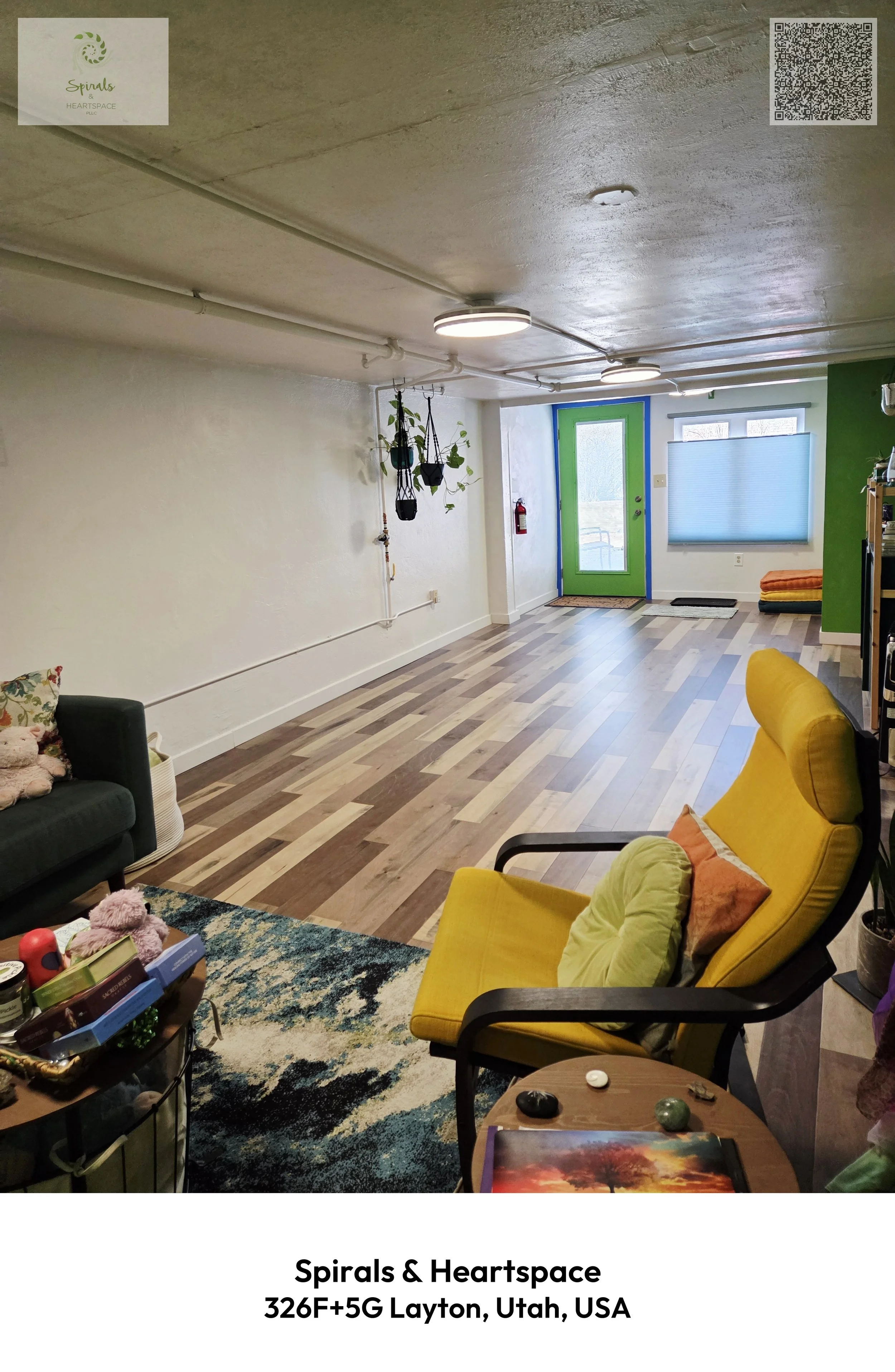
Name: Spirals & Heartspace
Address: 534 W Gentile St, Layton, UT 84041, United States
Phone: 385-301-5252
Website: https://spiralsandheartspacehealing.com/
Hours:
Monday: 9:30 AM - 7:00 PM
Tuesday: 9:30 AM - 7:00 PM
Wednesday: 9:30 AM - 7:00 PM
Thursday: 9:30 AM - 7:00 PM
Friday: 9:30 AM - 7:00 PM
Saturday: Closed
Sunday: Closed
Open-location code (plus code): 326F+5G Layton, Utah, USA
Map/listing URL: https://maps.app.goo.gl/M1jmgkhNyaMPCCJ8A
Embed iframe:
"@context": "https://schema.org",
"@type": "ProfessionalService",
"name": "Spirals & Heartspace",
"url": "https://spiralsandheartspacehealing.com/",
"address":
"@type": "PostalAddress",
"addressLocality": "Layton",
"addressRegion": "UT",
"addressCountry": "US"
Spirals & Heartspace is a Layton therapy practice offering somatic, trauma-informed support for adults who feel stuck in survival mode.
The practice focuses on trauma therapy, somatic therapy, grief counseling, movement therapy, and attachment therapy for clients looking for deeper healing work.
Based in Layton, Utah, Spirals & Heartspace offers therapy for adults in the local area and notes that both in-person and online sessions are available.
Clients who feel exhausted, disconnected, or trapped in long-standing patterns can explore a body-based approach that goes beyond traditional talk therapy alone.
The practice also offers coaching, consultation, and authentic movement for people seeking personal growth or professional support in related healing work.
For people searching for a psychotherapist in Layton, Spirals & Heartspace provides a local Utah base with services centered on trauma recovery, nervous system awareness, and attachment healing.
The official website identifies Layton and the surrounding Davis County area as the local service region for in-person care.
A public map listing is also available as a reference point for business lookup connected to the Layton area.
Spirals & Heartspace emphasizes a warm, embodied, creative approach designed to help clients reconnect with truth, clarity, and a more grounded sense of self.
Popular Questions About Spirals & Heartspace
What does Spirals & Heartspace help with?
Spirals & Heartspace offers support for trauma, grief, attachment wounds, emotional overwhelm, and body-based healing through somatic and movement-oriented therapy.
Is Spirals & Heartspace located in Layton?
Yes. The official website has a dedicated Layton, Utah location page and describes the practice as serving Layton and surrounding communities.
What therapy services are offered?
The website highlights trauma therapy, somatic therapy, grief counseling, movement therapy, and attachment therapy. It also lists coaching, consultation, and authentic movement.
Does Spirals & Heartspace offer online sessions?
Yes. The Layton location page states that both in-person and online sessions are available.
Who leads Spirals & Heartspace?
The official site identifies Ande Welling as the therapist, coach, movement facilitator, and guide behind the practice.
Who is a good fit for this practice?
The site is geared toward adults who feel exhausted from old survival patterns, complicated family dynamics, grief, self-abandonment, or unresolved trauma and want a deeper, body-aware approach.
How do I contact Spirals & Heartspace?
You can visit https://spiralsandheartspacehealing.com/ and use the contact form to inquire about therapy, coaching, consultation, authentic movement, or speaking.
Phone: 385-301-5252
Landmarks Near Layton, UT
Layton – The practice explicitly identifies Layton as its local base, making the city itself the clearest location reference.Davis County – The Layton page says the practice serves individuals throughout Layton and Davis County, so this is an important regional service-area landmark.
Wasatch Mountains – The location page directly references Layton as sitting against the Wasatch Mountains, making this a natural local landmark for orientation.
Northern Utah – The site describes Layton within northern Utah, which is useful for people comparing nearby therapy options across the region.
Surrounding Layton communities – The official location page says the practice serves Layton and surrounding communities, which supports broader local relevance without overclaiming exact neighborhoods.
If you are looking for a psychotherapist in Layton, Spirals & Heartspace offers a local Utah therapy practice with in-person and online options for adults seeking trauma-informed support.