
Panic attacks feel like being ambushed by your own nervous system. Heart pounding, tunnel vision, a certainty that something terrible is about to happen. Talk alone often cannot touch that level of arousal, because panic is as much a body event as a thought event. Somatic therapy meets the body where it is, then helps it remember how to come back.
As a clinician, I have seen people reduce the frequency and intensity of panic episodes not by arguing with their minds, but by learning specific, repeatable body tools. These tools are not about white-knuckling through an attack. They are about reshaping the patterns that make panic more likely in the first place.
What panic is doing inside your body
A panic attack is the nervous system hitting the gas. Adrenaline spikes, breath gets fast and high, muscles brace, blood shifts away from digestion and toward the limbs. The brain interprets these signals as danger, which feeds the loop: scary sensations lead to scary thoughts, which create more sensations. If you have a history that includes trauma, chronic stress, grief, or insecure attachment experiences, your system may be primed to hit the gas faster and stay there longer.
Somatic therapy does not try to pry your fingers off the steering wheel with logic. It changes the driving conditions. By altering breath mechanics, muscle tone, and sensory focus, you give the nervous system new input. Enough new inputs, repeated regularly, create new defaults. Over time, the baseline becomes steadier, and early signs of panic get addressed before they swell.
Why somatic therapy belongs alongside talk therapy
Cognitive approaches can reorganize beliefs and challenge catastrophic thinking. They are important. But if your diaphragm is frozen, your intercostal muscles are rigid, and your vestibular system is on high alert, cognitive reframing will have limits. In trauma therapy, we often pair cognitive skills with bottom-up tools, because the body sets the conditions for what the mind can do.
In the early stages, somatic therapy emphasizes safety and regulation. Later, it helps you face triggers with a body that can tolerate arousal without tipping into overwhelm. Think of it as increasing your window of tolerance. If you also attend grief counseling, you might notice that body work frees up tears that were stuck. If you work on attachment therapy themes, somatic tools can soften patterns of protest or withdrawal so relationship work feels less threatening.
Common patterns I see in panic
Not everyone panics the same way, but there are themes that appear again and again. Breath that lives up https://andyccrv985.bearsfanteamshop.com/trauma-therapy-for-survivors-of-domestic-violence high in the chest. Shoulders that creep toward the ears. A jaw that clamps down at the first hint of fear. Eyes that lock on one spot or dart rapidly, either way losing peripheral input. An abdomen that pulls in and up, trying to control.
Knowing your pattern can be half the work. When a client notices, for example, that their tongue glues to the roof of the mouth as anxiety climbs, we suddenly have a handle. Release the tongue, and the vagus nerve stops getting so many danger signals. It will not end panic on the spot, but it disrupts the cascade.
Prepare the ground before you need it
The worst time to learn a new skill is in the middle of a panic attack. Most people need a few weeks of regular practice while they are calm so that, under pressure, the body does not need instructions. I often ask clients to rehearse skills for 3 to 5 minutes, twice a day, the way you would build muscle memory for a free throw.
Create two kinds of spaces. First, a daily practice place at home that feels private and predictable. Second, a micro-practice routine you can do in public without drawing attention, like while sitting in a ride-share or standing in line at a pharmacy. The more diverse your practice settings, the more transferable the skills become.
A rapid response you can carry in your pocket
When panic strikes, you want a short sequence you trust. Keep it simple, and do it in order. Practice when calm, then use it as a go-to in the first 60 to 120 seconds of rising symptoms.
- Orient: Let your eyes slowly scan the room left to right and back again, naming three neutral details you see. This resets threat bias and brings the visual system out of tunnel mode. Lengthen the exhale: Inhale comfortably through the nose, then exhale twice as long through pursed lips. For example, inhale 3, exhale 6, for six to eight cycles. Do not force a big inhale, keep it easy. Ground through contact: Press your feet into the floor for one breath, then let go. Place one palm on your sternum and one on your lower ribs, feel warmth and weight for three breaths. Micro-release: Unclench the jaw by placing the tip of your tongue behind the bottom teeth. Let the shoulders drop a half inch, then imagine your collarbones widening.
People often feel a 10 to 30 percent reduction in intensity with one pass. If you get dizzy, shorten the exhale and keep breaths smaller. If focusing inward increases fear, run the orienting step longer while keeping breath changes subtle.
Breath, but not the way you think
Many arrive in therapy having tried deep breathing that made things worse. If you over-inhale during panic, you can trigger lightheadedness or a sense of suffocation. The fix is to think small and slow, with greater attention on exhalation and on where the breath lands.
I teach lateral rib breathing. Wrap a scarf or small towel around your lower ribs, not tight, just enough to feel contact. As you inhale, nudge the towel outward to the sides, like wings widening. Let the belly move a little, but do not force a big belly expansion. As you exhale, allow the towel to nestle in. This tracks the diaphragm’s natural movement and reduces the high-chest lift that revs the system.
For an even lighter touch, use straw breathing. Sip air through pursed lips as if through a straw, then let it fall out slowly. The sensation of air at the lips engages cranial nerves that talk to the vagus nerve, which can settle heart rate and decrease the sense of urgency.
Orientation, the underused reset
When panic builds, the brain behaves as if threat is near. Orientation tells your system, check again. Slowly looking around and naming neutral or pleasant details is more than a distraction. It feeds the midbrain and cerebellum with context that contradicts danger signals. Spend 20 to 40 seconds on this, longer if you notice that your visual field widens and color perception returns. If looking around feels unsafe, slide your eyes rather than moving your head, or keep your gaze soft toward the floor and track sounds instead.
Hands, skin, and the language of touch
Touch is a primary regulator. In somatic therapy, we use self-contact strategically. The sternum, the back of the neck, and the sides of the ribs are high-yield areas. Warmth plus moderate pressure can downshift the sympathetic system. One method: place one hand on your chest and one on your lower ribs, then send a small push from the top hand into the bottom, as if you are closing a book slowly. Hold for a breath or two, release, and repeat. The light compression organizes sensation and gives the brain a coherent map of the torso.
If your history includes touch-related trauma, start with nonintrusive contact like hands on thighs or feeling the texture of clothing at your forearms. Consent with your own body matters. If self-touch spikes distress, skip it and use visual or sound orientation instead.
Movement therapy, in tiny doses
During panic, stillness can trap energy, but large movements can amplify dizziness and alarm. The sweet spot is small, rhythmic actions that finish incomplete reflexes without overwhelming you. I like ankle rocking while seated, just enough to feel the calves pump. Gentle head turns side to side, but only within a pain-free, easy range. Wrist circles with a focus on smoothness rather than size. These movements feed the vestibular system calibrated input and restore a sense of agency.

Clients who feel panic after extended sitting, like during long meetings, benefit from micro-movements every 20 to 30 minutes. Two minutes of ankle rocks, shoulder rolls, and soft jaw mobilization can prevent the build-up that tips into panic later in the day.
Interoception, trained carefully
Interoception is the capacity to feel internal signals like heartbeat, breath, fullness, and heat. Many people with panic either overread or underread these signals. Building interoception is powerful, but it must be titrated. Start with neutral zones. Feel your hands warming around a mug, or the skin on your forearms under cool water. Stay with it for 10 to 20 seconds, then look around the room and name a color. This back-and-forth between inside and outside prevents overwhelm.
Later, when your system tolerates it, you can track early sensations that predict panic, like a flutter in the belly or a catch in the breath, and intervene sooner. The earlier you notice, the less you need to do to help.
Triggers, cues, and the body’s prediction machine
Your nervous system is constantly predicting what will happen next. If previous experiences paired a racing heart with danger, then any increase in pulse gets flagged. That could be why some people panic on treadmills. Rather than avoiding exertion, use graded exposure that pairs safe, small heart rate increases with steadying tools. Walk one flight of stairs, then do three slow exhales. Name two things you see. Feel your feet. Repeat daily. After a couple of weeks, your brain learns that a faster heart can be safe.
Attachment therapy themes show up here as well. If your body expects abandonment, a partner not texting back may produce a surge before a thought forms. In that moment, orient to the room, press your feet into the floor for two breaths, then choose a small relational repair action, like a clear, non-urgent message. The order matters. Regulate first, then relate. You teach your system that connection can be sought without panic leading the way.
When grief stands behind panic
Grief counseling clients sometimes describe panic that hits during quiet moments, like at night or when the house empties. The body registers the absence and interprets the ache as danger. Somatic support can include weighted blankets, paced exhale breathing that matches the rhythm of a lullaby, and a ritual of placing a photo or memento in a visible place, then orienting to it with soft eyes. This is not about avoiding sadness. It is about giving the body a container to feel it without slipping into a fear spiral.
Building a weekly practice that actually sticks
Many treatment plans fail because they aim too high at first. Small, well-chosen habits beat ambitious ones you drop by Friday. Start with a 10-minute daily practice broken into two five-minute blocks. Rotate focus across breath, orientation, and micro-movements. Place them before predictable stress points, like the commute home or the last meeting of the day. Track what changes. You are looking for a reduction in the slope of escalation, not perfection.
Here is a simple weekly structure that balances repetition with variety.
- Two mornings: lateral rib breathing with towel feedback for five minutes, ending with three long exhales. Two evenings: orientation practice for three minutes, then self-contact at chest and ribs for two minutes. One midday session: ankle rocks and wrist circles for three minutes, then soft jaw and tongue release for two minutes. One brisk walk: five to eight minutes at a pace that slightly raises your heart rate, pairing with slow exhale every third step. One check-in: jot three lines about what helped and what did not, then adjust the next week.
If you miss a day, notice it, do a 90-second version, and move on. Consistency beats intensity.
What progress tends to look like
In the first two weeks, many people report that panic still arrives, but they catch it earlier. The intensity may drop by about 10 to 20 percent. By four to six weeks, there is often a clearer sense of agency. Triggers that used to guarantee a spiral become workable. At three months, the baseline anxiety tends to be lower on average, and recovery after spikes is faster. These are typical timelines, not promises. Sleep, caffeine, medications, hormones, and life stress all influence the curve.
It helps to measure. Rate your baseline anxiety each morning on a 0 to 10 scale. Track the number of panic episodes per week, their peak intensity, and how long they last. Small shifts matter. A drop from eight to seven in peak intensity changes how you live your day.
When to go slower, and when to add support
Somatic therapy is safe for most people, but there are cautions. If you have a history of dissociation, heavy inward focus may unmoor you. Keep practices brief, keep eyes open, and emphasize orientation and external contact. If you have cardiac or respiratory conditions, keep breath work gentle, avoid breath holds, and consult your medical provider. If you are pregnant, skip heavy abdominal compression and any prone positions that feel uncomfortable.
If panic attaches to specific trauma memories, do not attempt prolonged exposure alone. Work with a trauma therapy professional trained in somatic approaches. Techniques like pendulation, titration, and resourcing can help you approach hard material in digestible doses. If you feel worse after a week or two of new practices, pause, simplify, and reassess. More is not always better.
Bringing a therapist into the process
Self-guided practice can take you far, but a therapist adds precision. We see patterns you cannot see from the inside, and we can calibrate practices so they land well. Look for clinicians who list somatic therapy, movement therapy, or body-oriented trauma therapy in their training. Ask how they sequence regulation skills, how they handle hyperventilation without forcing deep breaths, and how they adapt for clients who are touch-averse.
If attachment themes drive your panic, a therapist versed in attachment therapy can help you map protest, withdrawal, and appeasement patterns in your body. This often looks like pacing sessions with a rhythm of up-regulate a little, then down-regulate together. The co-regulation you experience in session trains your system to expect steadier connection outside of therapy too.
A brief case snapshot
A man in his mid-thirties came in with panic that spiked during presentations. He had tried thought reframing and mindfulness, but the moment he saw faces turn toward him, his breath vanished. We started with two weeks of lateral rib breathing and orientation practice at home, five minutes a day. In sessions, he learned to soften his jaw and let the tongue rest low, a habit he practiced at red lights.
At week three, we staged exposures. He stood, oriented to the room by naming one color and two shapes, then gave a 60-second mock talk while keeping exhale slightly longer than inhale. When he felt a surge, he paused for one slow scan of the room and one jaw release, then continued. By week six, he delivered a 10-minute presentation with a peak anxiety rating of six instead of nine and recovered to a three within 15 minutes rather than hours. Not a miracle, just steady application of body tools.
Sleeping, caffeine, and the quiet saboteurs
Sleep deprivation narrows the window of tolerance. If panic is a key concern, prioritize a wind-down that includes body-based cues of safety. Dim lights. Gentle lateral rib breathing for three minutes. A heavier blanket if that feels comforting, or a lighter one if weight feels smothering. Avoid vigorous stretching late at night, because activating the system close to bedtime can backfire.
Caffeine sensitivity varies, but for many, cutting intake by a third for two weeks makes a noticeable difference. If you keep coffee, pair it with a brief exhale practice to separate the stimulant effect from danger predictions. Alcohol can reduce anxiety in the short term, then spike it later as the body rebounds. If you notice 3 a.m. wake-ups with racing heart, examine evening drinks.
Bringing it all together on a hard day
On days when panic nips at your heels, think layers, not one perfect tool. Start with orientation on waking. Before a high-stakes event, do two minutes of lateral rib breathing with long exhales. In the event itself, keep a light touch on jaw and tongue position. Afterward, do a short movement sequence to discharge residual activation. Then a few minutes of something that signals safety for you specifically, which could be a hot shower, petting a dog, or standing with your back against a wall while you notice the support.
If you also work in grief counseling or are processing old trauma, add one small ritual to mark the transition out of processing mode. Put away the journal. Close the door with intention. Look around the room and name the season. These tiny closures help your nervous system not carry arousal forward.
What to expect from yourself
Panic attacks feel like failures, but they are the nervous system trying too hard to protect you. Somatic therapy teaches that protection can be recalibrated, not scolded. Expect some days where everything works and others where nothing does. Expect progress to meander. Keep a short list of practices that reliably shave the edge off panic and use them before you need them.
Change happens through repetition, not heroics. Ten mindful exhales practiced daily will outpace a single perfect session once a week. Your body learns through doing, and it is listening every time you guide it back toward steadiness.
Name: Spirals & Heartspace
Address: 534 W Gentile St, Layton, UT 84041, United States
Phone: 385-301-5252
Website: https://spiralsandheartspacehealing.com/
Hours:
Monday: 9:30 AM - 7:00 PM
Tuesday: 9:30 AM - 7:00 PM
Wednesday: 9:30 AM - 7:00 PM
Thursday: 9:30 AM - 7:00 PM
Friday: 9:30 AM - 7:00 PM
Saturday: Closed
Sunday: Closed
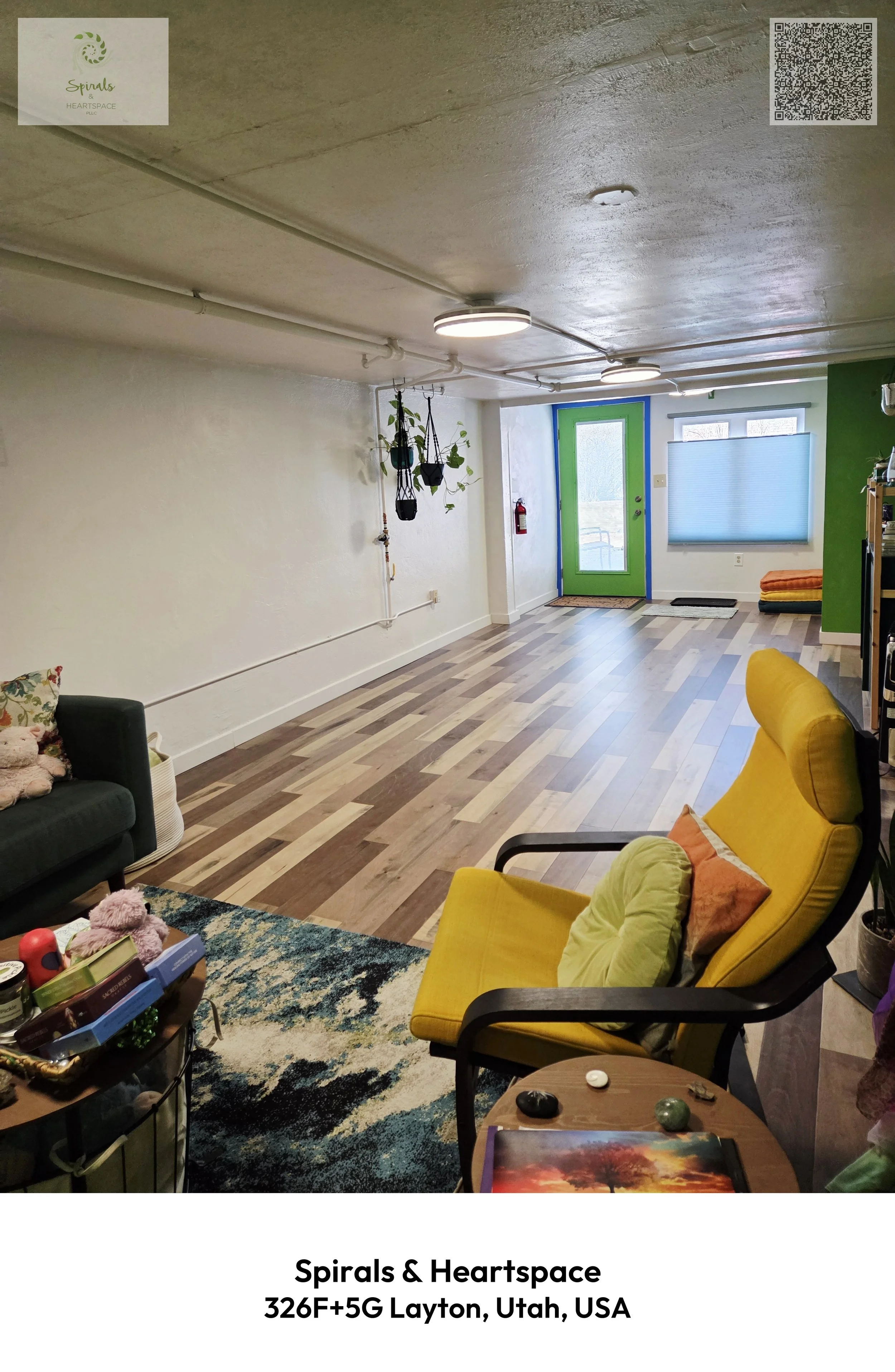
Open-location code (plus code): 326F+5G Layton, Utah, USA
Map/listing URL: https://maps.app.goo.gl/M1jmgkhNyaMPCCJ8A
Embed iframe:
"@context": "https://schema.org",
"@type": "ProfessionalService",
"name": "Spirals & Heartspace",
"url": "https://spiralsandheartspacehealing.com/",
"address":
"@type": "PostalAddress",
"addressLocality": "Layton",
"addressRegion": "UT",
"addressCountry": "US"
Spirals & Heartspace is a Layton therapy practice offering somatic, trauma-informed support for adults who feel stuck in survival mode.
The practice focuses on trauma therapy, somatic therapy, grief counseling, movement therapy, and attachment therapy for clients looking for deeper healing work.
Based in Layton, Utah, Spirals & Heartspace offers therapy for adults in the local area and notes that both in-person and online sessions are available.
Clients who feel exhausted, disconnected, or trapped in long-standing patterns can explore a body-based approach that goes beyond traditional talk therapy alone.
The practice also offers coaching, consultation, and authentic movement for people seeking personal growth or professional support in related healing work.
For people searching for a psychotherapist in Layton, Spirals & Heartspace provides a local Utah base with services centered on trauma recovery, nervous system awareness, and attachment healing.
The official website identifies Layton and the surrounding Davis County area as the local service region for in-person care.
A public map listing is also available as a reference point for business lookup connected to the Layton area.
Spirals & Heartspace emphasizes a warm, embodied, creative approach designed to help clients reconnect with truth, clarity, and a more grounded sense of self.
Popular Questions About Spirals & Heartspace
What does Spirals & Heartspace help with?
Spirals & Heartspace offers support for trauma, grief, attachment wounds, emotional overwhelm, and body-based healing through somatic and movement-oriented therapy.
Is Spirals & Heartspace located in Layton?
Yes. The official website has a dedicated Layton, Utah location page and describes the practice as serving Layton and surrounding communities.
What therapy services are offered?
The website highlights trauma therapy, somatic therapy, grief counseling, movement therapy, and attachment therapy. It also lists coaching, consultation, and authentic movement.
Does Spirals & Heartspace offer online sessions?
Yes. The Layton location page states that both in-person and online sessions are available.
Who leads Spirals & Heartspace?
The official site identifies Ande Welling as the therapist, coach, movement facilitator, and guide behind the practice.
Who is a good fit for this practice?
The site is geared toward adults who feel exhausted from old survival patterns, complicated family dynamics, grief, self-abandonment, or unresolved trauma and want a deeper, body-aware approach.
How do I contact Spirals & Heartspace?
You can visit https://spiralsandheartspacehealing.com/ and use the contact form to inquire about therapy, coaching, consultation, authentic movement, or speaking.
Phone: 385-301-5252
Landmarks Near Layton, UT
Layton – The practice explicitly identifies Layton as its local base, making the city itself the clearest location reference.Davis County – The Layton page says the practice serves individuals throughout Layton and Davis County, so this is an important regional service-area landmark.
Wasatch Mountains – The location page directly references Layton as sitting against the Wasatch Mountains, making this a natural local landmark for orientation.
Northern Utah – The site describes Layton within northern Utah, which is useful for people comparing nearby therapy options across the region.
Surrounding Layton communities – The official location page says the practice serves Layton and surrounding communities, which supports broader local relevance without overclaiming exact neighborhoods.
If you are looking for a psychotherapist in Layton, Spirals & Heartspace offers a local Utah therapy practice with in-person and online options for adults seeking trauma-informed support.