
富士登山のガイド時に気になる高山病についての英語をまとめてみました。
——————————————
World Wide TrekkingのYouTube動画
https://www.youtube.com/watch?v=G622Jrlwbpc&t=90s
Acclimatization
while Climbing Kilimanjaro | Trek Tips
動画の中のキーワード
高度順応 acclimatization
吐き気 nausea
ろれつが回らない slurred speech
めまい dizziness
気圧 pressure
酸素 oxygen
二酸化炭素 carbon dioxide
心拍数 heart rate
呼吸 breathing
頭痛 headache
嘔吐 vomiting
酩酊状態 intoxicated
食欲 appetite
症状 symptoms
水分補給する hydrate
咳 coughing
喀血(咳でツバに血や泡が混じる)
coughing up pink frothy fluids
(登山で)登る ascend
(登山で)下山する descend
むくむ、膨張する swell
頭蓋骨 skull
(高山病予防に使用可能な薬としての)アセタゾールアミド錠
acetazolamide
(その商品名)ダイアモックス
Diamox
炭酸脱水酵素阻害薬
Carbonic Anhydrase Inhibitor (CAI)
急性高山病
AMS
(ACUTE MOUNTAIN SICKNESS)
高地肺水腫
HAPE
(HIGH ALTITUDE PULMONARY EDEMA)
高地脳浮腫
HACE
(HIGH ALTITUDE CEREBRAL EDEMA)
AMSの主な症状
頭痛
吐き気、嘔吐
ろれつが回らなくなる
めまい
食欲不振
- Headache
- Nausea and or Vomiting
- Slurred Speech
- Dizziness
- Loss of Appetite
HAPEの主な症状
頻繁に咳がでる
血を含む痰がでる
- Frequent Coughing
- Coughing up fluid from the lungs
HACEの主な症状
頭痛
めまい
ろれつが回らなくなる
意識朦朧
踵着地のつま先歩き、でまっすぐ歩けない
- Headache
- Dizziness
- Slurred Speech
- Acting Intoxicated
- Have the person walk heal to toe as a test for HACE
AMS,HAPE,HACEを防ぐには
ゆっくり歩こう
水分補給を絶やさずに
適切に休憩をとり高度に順応しよう
消化のいいものをしっかり食べましょう
必要ならダイアモックスを摂取しましょう
- Ascend Slowly
- Stay Hydrated
- Take Breaks to Acclimate
- Eat Plenty
- Take Diamox
症状が深刻になる前に
下山して高度を下げましょう
Descend in altitude for AMS,HAPE,or HACE
——————————————
動画スクリプト

Hi this is Dean Carinale with World Wide Trekking
and today I wanna talk about acclimatization on Mt.Kilimanjaro.
slide:
Trek Tips:
Acclimatization on Kilimanjaro
Ok so today I wanna talk a little about
how we acclimatize on Mt.Kilimanjaro.
and
what's going on in the body
when we ascend to a higher altitude.
slide:
Higher Altitude
- Less pressure in the air
- Less oxygen available for the body
So when we ascend to higher altitude,
there's less pressure in the air.
and
there's less oxygen available
into our tissues of our body.
slide:
HOW THE BODY COPES WITH HIGH ALTITUDE
- Increased Heart Rate
- Rapid Breathing
Our bodies will cope with
higher altitude for about 1-2 hours
- Slight Headache
- Nausea
So,for a bit of time,
our body's gonna cope
with the thinner air
as we ascend into altitude.
Our heart is gonna start to beat faster.
We're gonna breathe more rapidly.
We're gonna be pumping more blood,
and these are the body's mechanisms
of defense to help us adjust to altitude.
Say after an hour or two hours or so of coping to a higher altitude,
it'll stop coping,
and
that's when we're gonna feel the effects of higher altitude
- a slight headache,
maybe feeling a little bit nauseous.
As we push too fast into altitude then
we're gonna see signs and symptoms
of AMS or Acute Mountain Sickness.
We're gonna see maybe that they have a headache.
There's less pressure in the air
so their brain is starting to swell against their skull, producing a headache.
Maybe they are nauseous or even vomit at a higher altidue.
Maybe there's slurred speech or dizziness.
slide:
SYMPTOMS OF AMS
(ACUTE MOUNTAIN SICKNESS)
- Headache
- Nausea and or Vomiting
- Slurred Speech
- Dizziness
- Loss of. Appetite
The other signs would be
not wanting to eat
or not having an appetite at all.
slide:
SYMTOMS OF HAPE
(HIGH ALTITUDE PULMONARY EDEMA)
- Frequent Coughing
- Coughing up fluid from the lungs
If somebody ascends far too quickly at altitude,
then they run the chance of Hight Altitude Pulmonary Edema - HAPE.
Coughing a lot ,coughing up pink frothy fluids.
There’s less pressure in your lungs
and you're gonna have your lung sacs excrete fluids
and people actually can drown
by the amount of fluid that is in their lungs.
Trek Tips:
If you experience symtoms of AMS,HAPE,or HACE descend in altitude
We have a hyperbaric chamber,high flow oxygen,
but the best thing that somebody can do
when they show signs of Hight Altitue Pulmonary Edema
is descend.
slide:
SYMTOMS OF HACE
(HIGH ALTITUDE CEREBRAL EDEMA)
- Headache
- Dizziness
- Slurred Speech
- Acting Intoxicated
Lastly,High Altitude Cerebral Edema.
So High Altitude Cerebral Edema is
when the brain is swelling against the skull.
You're gonna have a headache for starters
but then you'e going to start to be dizzy
and then maybe someone would start to slur their speech
and not make sense, almost act intoxicated.
Trek Tips:
Have the person walk heal to toe as a test for HACE
A good test for people in this situation
to see if they're okay
is to have them walk forward heel to toe,
heel to toe in a straight line,
and if they can't do that,
then they’re showing some advance stages of Cerebral Edema.
Trek Tips:
Descend in altitude for AMS,HAPE,or HACE
What do we wanna do ?
We wanna descend with that person.
Any of the major complication at altitude,
the best thing that you can do is descend.
slide:
Slight headaches and nausea are common at altitude.
Keep your guide informed of your symtoms,hydrate,and
take time to properly acclimatize.
Having a slight headache,
having a little bit of nausea
these are common signs,
nothing to be super alarmed by.
You definitely wanna let your guide know,
you definitely want to
continue to hydrate.
take time at that elevation,
let your body catch up,recover.
Within a reasonable amount of time,
you're gonna start to feel better.
Trek Tips:
Go with a professional guide to ensure you proceed safely
to high altitudes
So it's really important to have
a professional,well-trained guide
to make sure
that your plan is realistic
and
that you're safely proceeding into the higher altitudes.
slide:
World Wide Trekking Guides are medically certified,professional,
and highly experienced at high altitues.
At World Wide Trekking,
all of our guides
are medically-certified,professional,
and
have a lot of experience
with numerous guests at high altitude.
slide:
WAYS TO PREVENT AMS,HAPE,AND HACE ON THE CLIMB
- Ascend Slowly
- Stay Hydrated
- Take Breaks to Acclimate
- Eat Plenty
- Take Diamox
So we can do a couple of things
at altitude to avoid
Acute Mountain Sickness,
High Altitude Pulmonary Edema,
or Cerebral Edema
-it's by ascending slowly,
hydrating your body,
taking breaks,
eating well,
and taking Diamox.
slide:
Diamox (acetazolamide)
- Carbonic anhydrase inhibitor
- Helps you to acclimatize more quickly
Diamox is a drug that is going to help us be more comfortable at altitude.
Trek Tips:
Take Diamox to avoid altitude sickness and acclimatize more quickly
It's a carbonic inhibitor
so we're gonna breathe more rapidly just by taking the drug.
As we breathe more rapidly,
we're going to burn more carbon dioxide,
we're gonna excrete more waste,
and our body is going to acclimatize more quickly.
These things are all gonna aid in your comfort,in your safety,
and help you have a successful climb on Mt.Kilimanjaro.
Okay I hope you've learned a little bit more about acclimatization.
There's a lot of topics that we can discuss there.
Come on one of our trip,we'd be happy to discuss if further with you.
If you have any more questions,
visit our website at wwtrek.com
or contact us directly.
World Wide TrekkingのYouTube動画
https://www.youtube.com/watch?v=G622Jrlwbpc&t=90s
Acclimatization
while Climbing Kilimanjaro | Trek Tips
前編はこちら
ーーーーーーーーーーーーーーーーーーーーー
◀︎前[日付新しい] | [日付古い]次▶︎

経口補水液 OS-1 オーエスワン 500ml × 12本
Amazon(アマゾン)
2,462〜3,500円
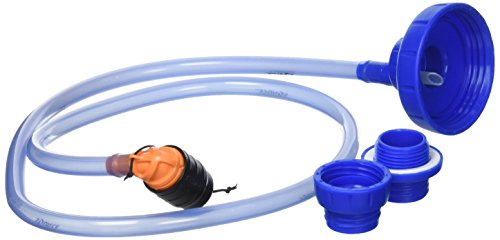
SOURCE(ソース) ハイドレーション コンバーチューブ SC-2031160200
Amazon(アマゾン)
2,557〜3,630円

味の素 アミノバイタル プロ 30本入箱
Amazon(アマゾン)
2,700〜6,015円
まいにち富士山 (新潮新書)
Amazon(アマゾン)
1〜5,138円