【11月のアメリカ中間選挙でトランプの共和党が敗れた後、ただちに高市首相を切り、岩屋毅議員を首相に選任すべきことについて】
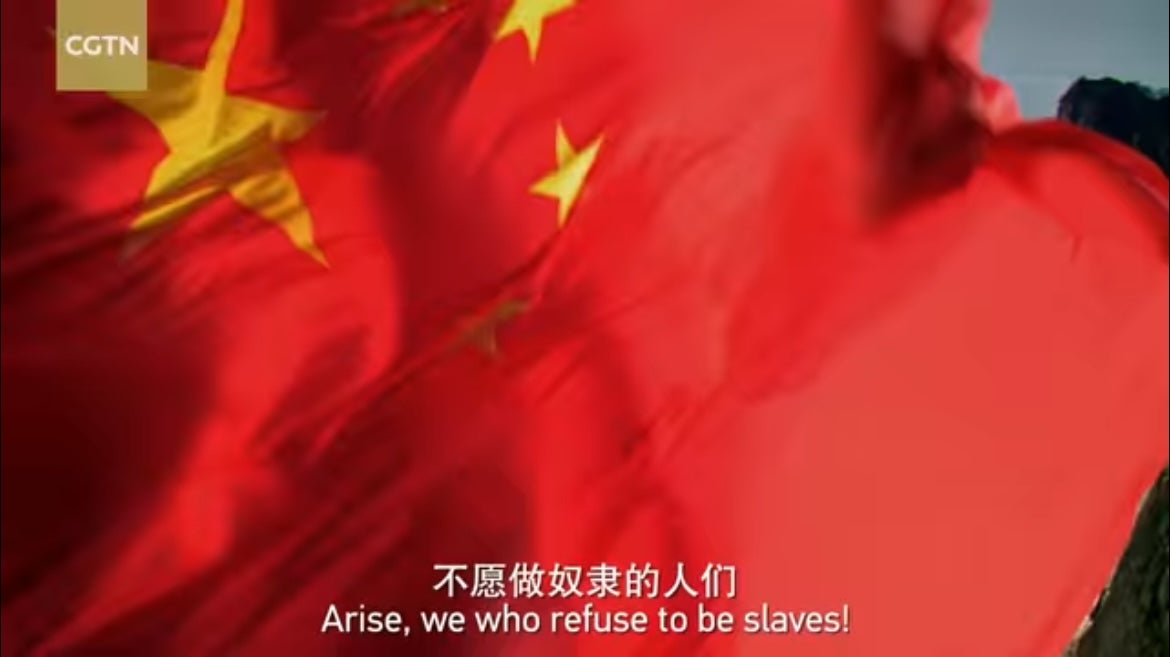
1. 中国・ロシアが敵国条項に言及
ロシアに続き、中国が国連憲章に規定されている敵国条項に言及しました。日中関係は戦後最も危険な状況にあります。[1][2]

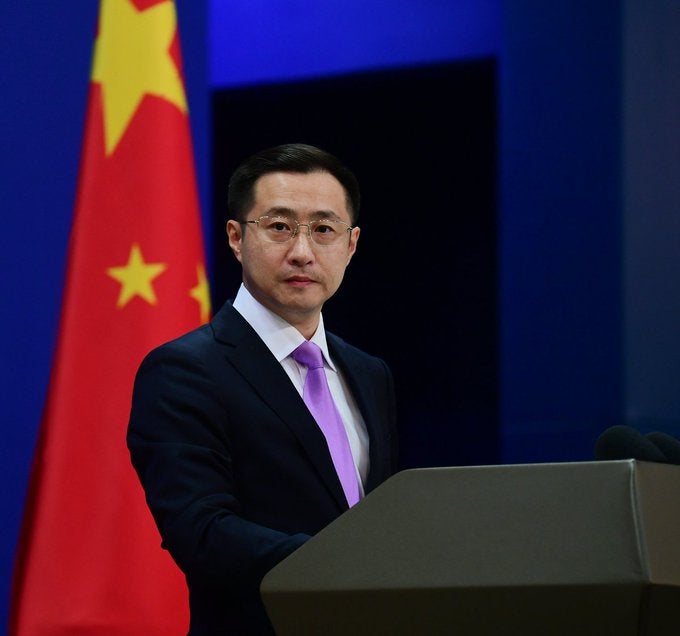
[日本は国連憲章の敵国条項を尊重せよと明言する中国外交部(外務省)の林剣報道官、8月19日]
敵国条項は、第二次大戦において敵国であった日本、ドイツ、イタリアがもし再び侵略的政策を実施する場合、第二次大戦の戦勝国は国連安全保障理事会の決議を経ることなく、直接当該国家に対し強制措置を取ることが出来ると規定しています。
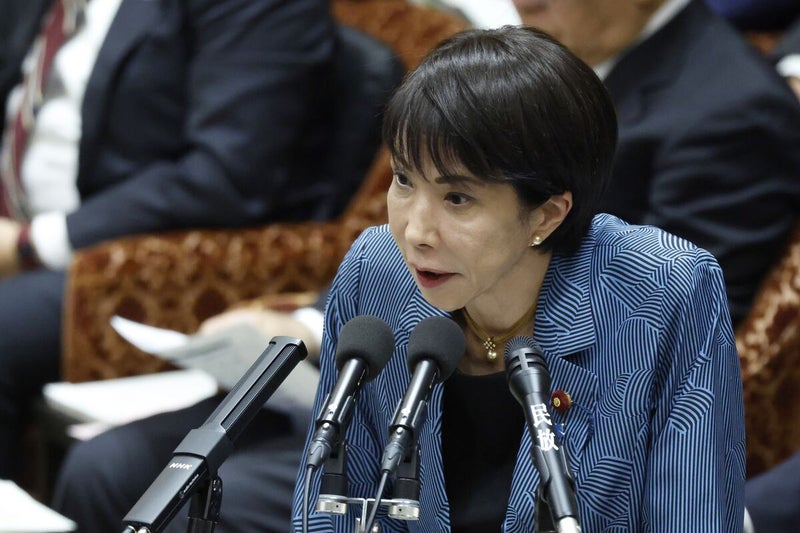
高市早苗首相は、有事の際に中国領土の台湾に自衛隊を突っ込むと発言し、侵略=戦争犯罪の実行を宣言しました。

[高市早苗首相は、国会で、有事の際に中国の領土の台湾に自衛隊を突っ込むと発言し、侵略=戦争犯罪の実行を宣言しました]
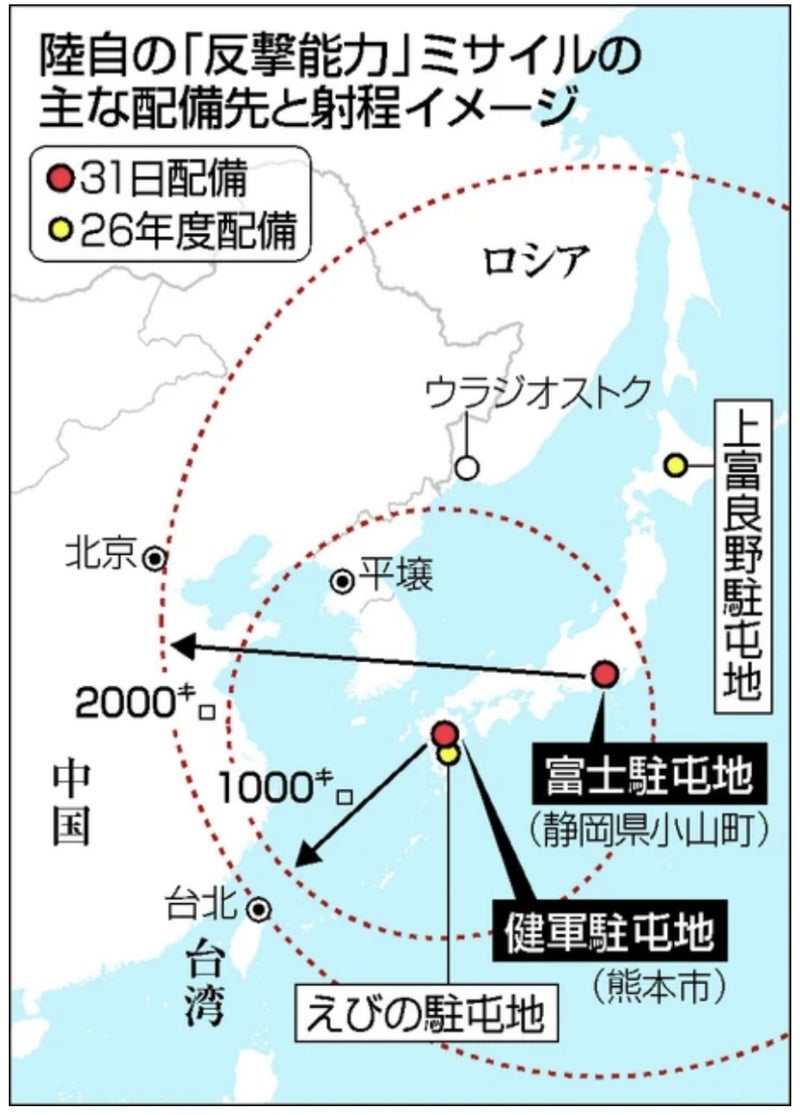
高市政権の下、日本は中国本土を攻撃出来る長射程ミサイルを熊本県・静岡県に配備しました。[3]

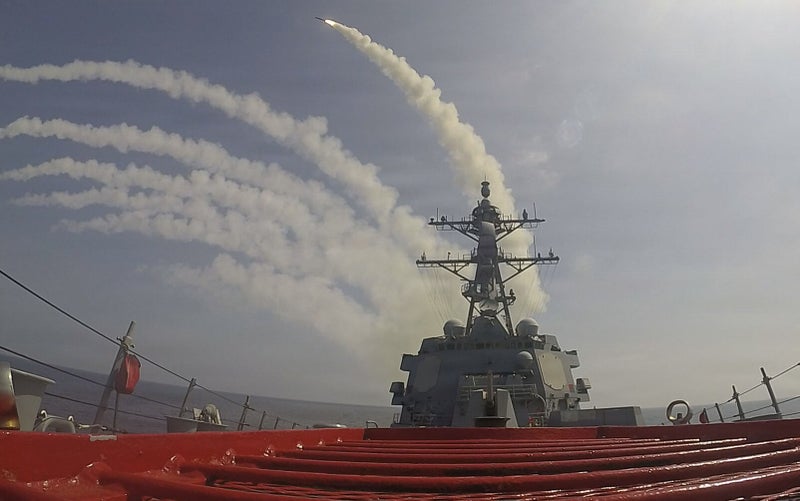
海上自衛隊のイージス艦「ちょうかい」が改修され、トマホークミサイルの発射が可能となりました。南西諸島から北京を直撃出来ることになります。[4]

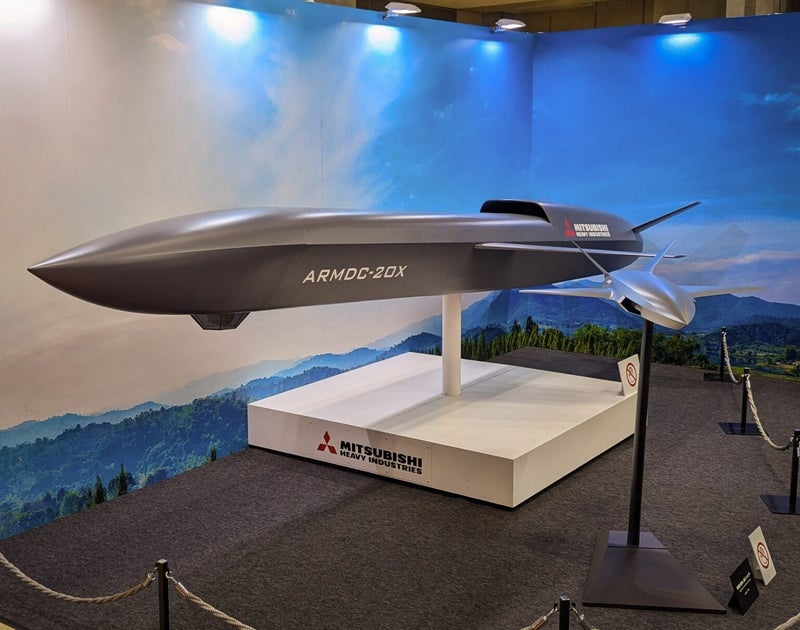
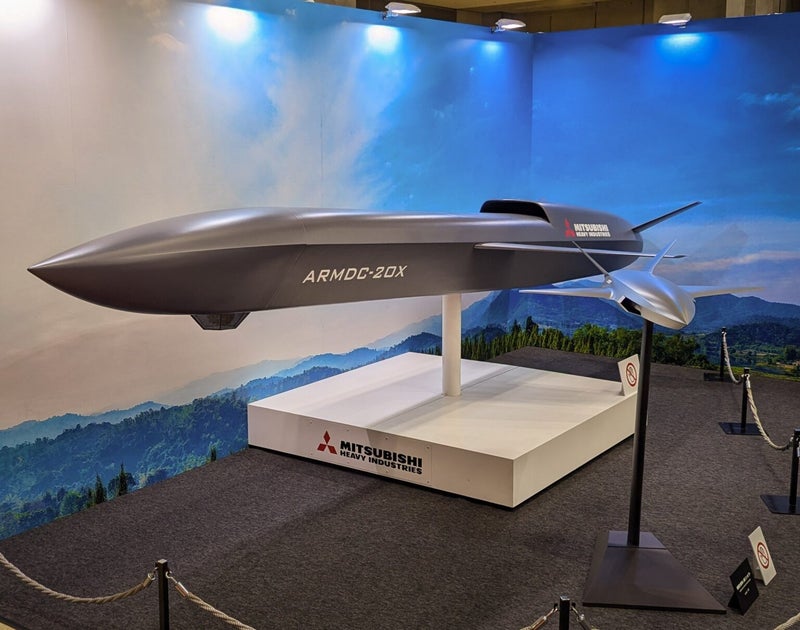
三菱重工、川﨑重工、三菱電機を始めとする日本の防衛企業は、いっせいに軍事用ドローン生産を開始しました。[5][6]

[三菱重工のAI搭載型ドローン]
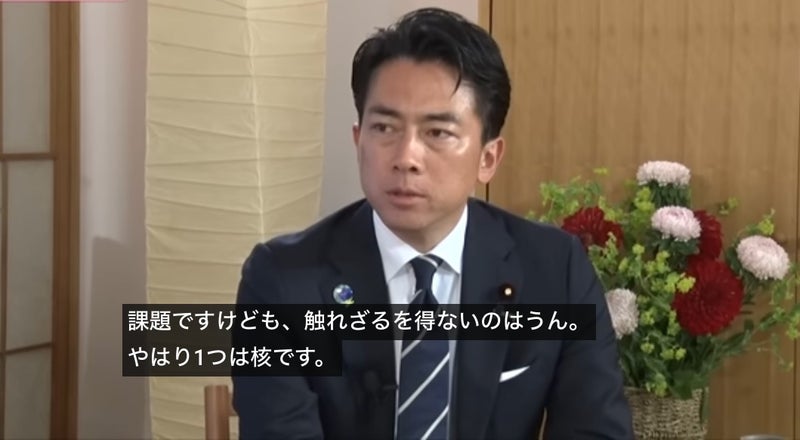
小泉進次郎防衛大臣は、日本は核兵器および原子力潜水艦を保有すべきと公言しました。[7][8]

[核武装推進・原子力潜水艦保有推進の立場を明らかにした小泉進次郎防衛大臣]

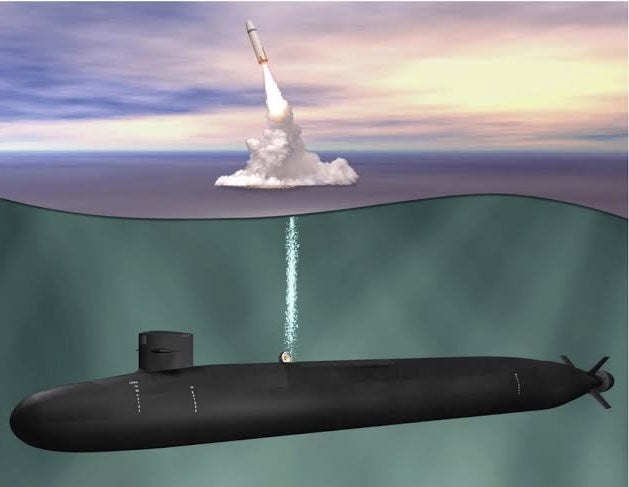
[改定される安保3文書では、原子力潜水艦の保有が提言される見込みです][9]
自衛隊はフィリピンで行われた軍事演習に参加し、フィリピンと台湾の間の海域に向けて地対艦ミサイルを発射しました。[10]

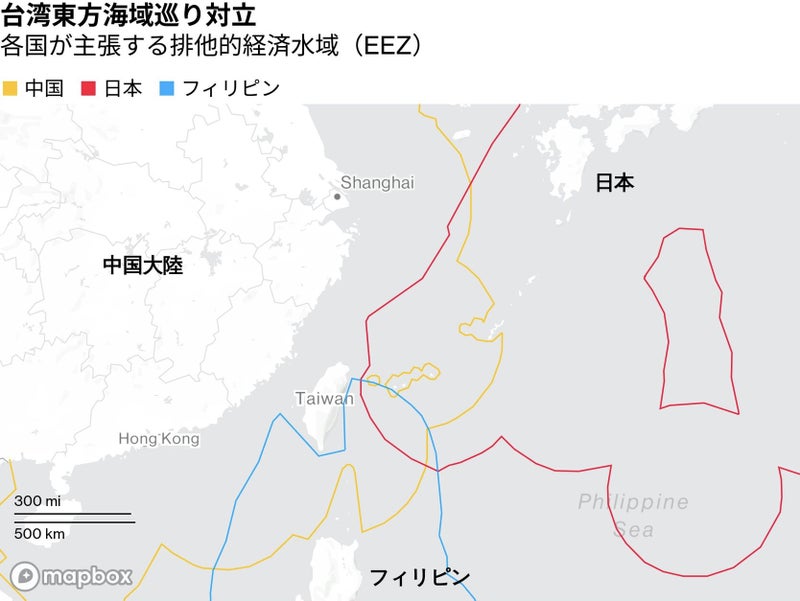
その直後、日本は、フィリピンとの間で、台湾東方海域におけるEEZおよび大陸棚の海洋境界画定作業を、中国抜きで開始しました。同海域には中国のEEZおよび大陸棚があるにもかかわらずです。
これは中国を軍事力で威嚇しつつ、中国の領土と主権を踏みにじる行為です。まさにかつての満州事変と同質の侵略的行為です。[11]
間もなく、日本は核ミサイルを搭載した原子力潜水艦で中国を威嚇するでしょう。

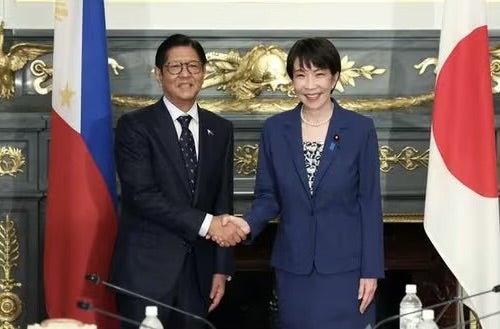
[フィリピンのマルコス大統領と高市早苗首相]

[台湾東方海域には中国のEEZおよび大陸棚があるにもかかわらず、日本とフィリピンは、中国抜きでEEZおよび大陸棚の海洋境界画定作業を開始しました]
以上の事実から、日本が専守防衛の建前を捨て、主観的にも客観的にも再び侵略的政策の実行に着手したことは明らかです。したがって、敵国条項の要件は充たされています。
元凶は高市首相です。小泉防衛大臣も共犯です。
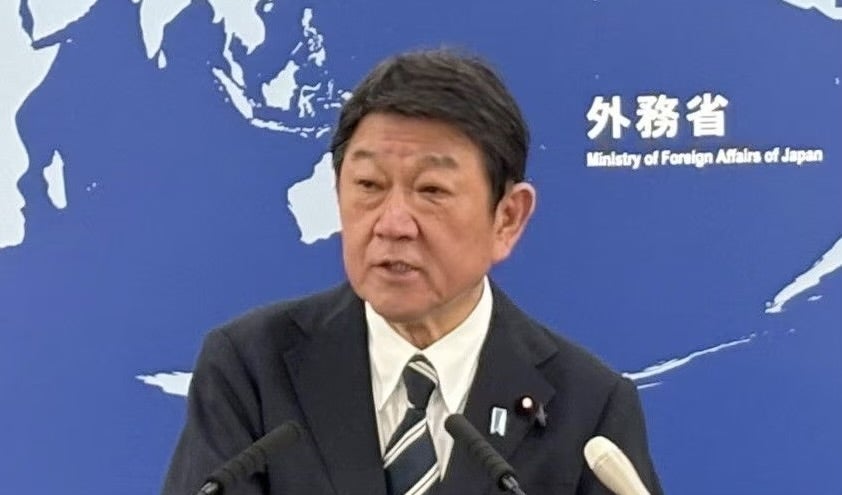
また、茂木敏充外務大臣は、中国に対し、敵国条項はすでに死文化しているなどという事実に反する独自意見を述べて反論しています。[12]
中国が数十年前敵国条項削除に賛成したことを根拠とする外務省の幼稚かつ浅薄な反論が、日本の外務省のレベルの低さを表しています。戦前・戦中も現在も、日本の外務省は外交無知省です。
かつて中国が敵国条項削除に賛成したからといって、中国が敵国条項を援用する権限を失うことにはなりません。国連憲章に敵国条項が存在する以上、中国はいつでも敵国条項を援用出来ます。
ちなみに、敵国条項を含む国連憲章を改正するには、安全保障理事会の常任理事国全ての賛成が必要です。敵国条項削除に関し、常任理事国全てが賛成したという事実はありません。
敵国条項は、国連憲章に厳然として存在しています。敵国条項は、現在も有効であり、まさに今の日本のような侵略政策を処罰するために存在します。日本の愚かな侵略政策が敵国条項の存在意義を改めて実証しました。
日本の侵略政策が敵国条項の要件にあてはまる以上、中国・ロシアは、今すぐにでも日本を軍事的に攻撃出来ます。国連憲章に規定された敵国条項に基づく攻撃ですから、国際法上完全に合法かつ正当な軍事力の行使になります。

[共同演習に参加する中国の軍艦(手前)とロシアの軍艦]
逆に日本が反撃すれば、それこそが国際法に違反した軍事力行使となります。
中国・ロシアは、敵国条項に基づく軍事力行使の権限を移譲することも可能です。たとえば、北朝鮮に権限を移譲することも可能です。北朝鮮も敵国条項に基づく日本への武力行使に参加出来ます。
2. 中間選挙後にトランプがレームダック化することについて
現在、トランプ大統領の支持率は急速に低下しています。現在、33%にまで落ちています。[13]

アメリカが開始したイラン戦争に関しては、アメリカ国民の過半数が反対しています。
アメリカ国民は、原油高によるインフレ・物価高にも辟易しています。
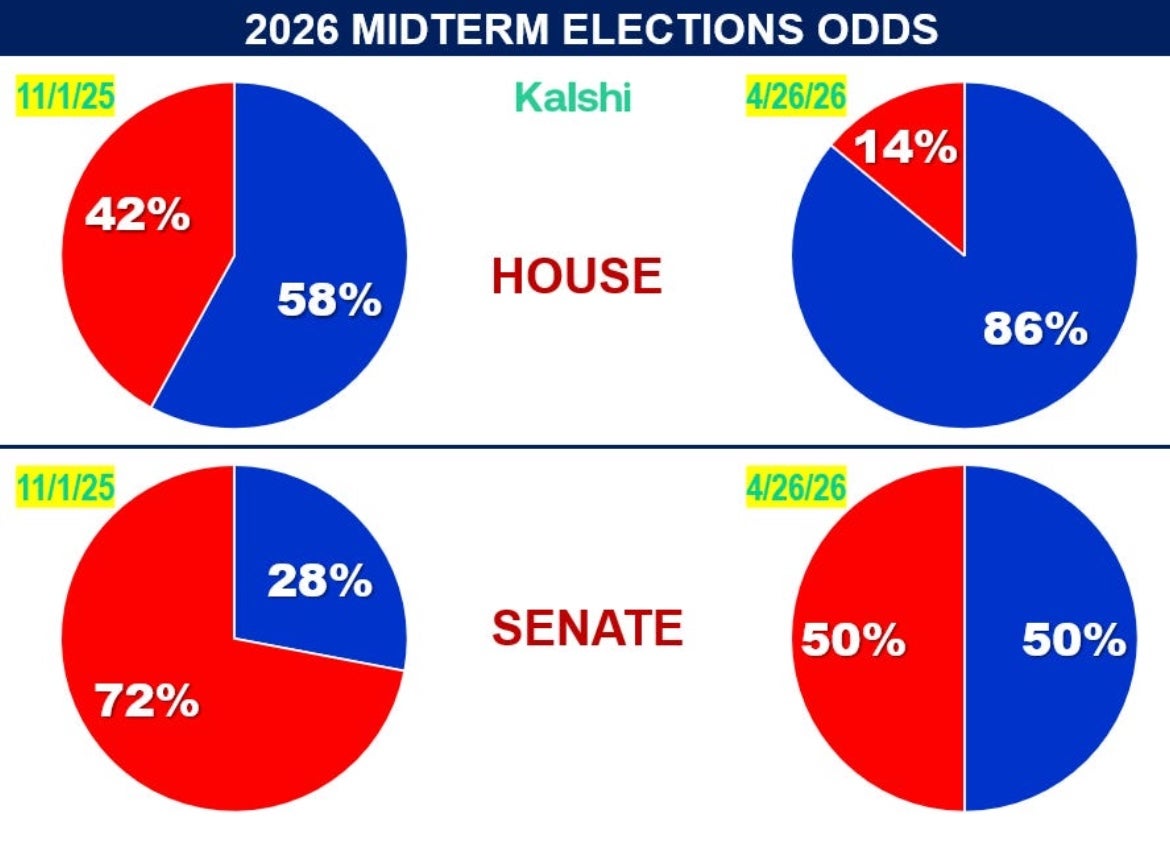
このため、11月に実施される中間選挙では、トランプの共和党は敗れ、民主党が議会過半数を占める可能性が高いです。下院は民主党が過半数を握るでしょう。上院も民主党が過半数を占める可能性があります。[14]

民主党が少なくとも下院を押さえれば、トランプ大統領はレームダック化します。
トランプ大統領は、これまでのようなやりたい放題は出来なくなります。
まずトランプ大統領が強行してきた関税措置は全て否定されます。そもそも合衆国憲法によれば関税賦課の権限は議会にあります。これまでのトランプ大統領の関税措置は憲法違反で無効です。
中間選挙後、トランプ大統領の望む法案は全く通らなくなります。トランプ大統領の望む予算も全く通らなくなります。
トランプ大統領は無力化します。
3. 高市更迭と自民党総裁選前倒しについて
中間選挙の後、トランプ大統領がレームダック化し、無力化すれば、高市を首相にしておく意味もなくなります。
元々高市を首相にしたのは、日本車への高関税賦課などトランプの無謀かつ強圧的な要求をかわすためでした。
そのため、日本はタカ派の高市を首相にし、文字通りトランプに対する抱きつき作戦に出たわけです。

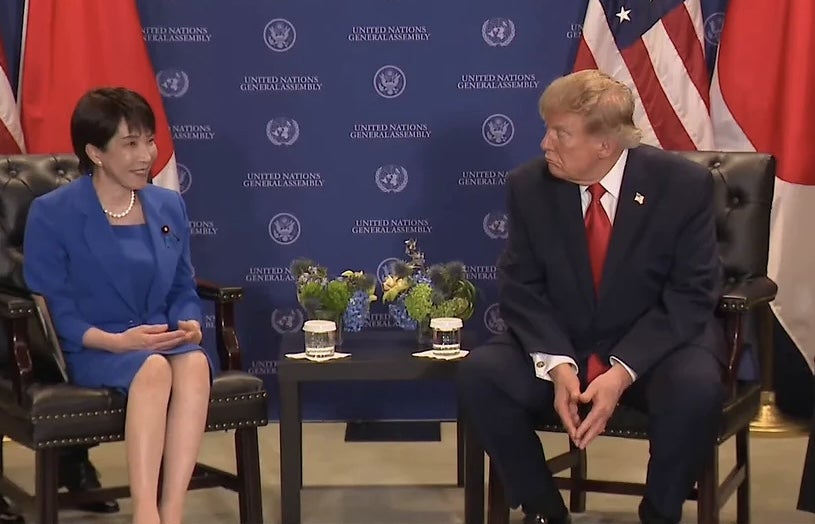
[訪米時、トランプ大統領に抱きつく高市早苗首相]
しかしながら、トランプ大統領が無力化すれば、官邸にひきこもって人と会えない、低能の高市を首相にしておく意味は全くありません。ただちに切るべきです。
次の自民党総裁選は来年の秋に予定されていますが、前倒しして、年末または年明け早々に総裁選を実施すべきです。なぜならば、中国との関係が戦後最も危険な状況にあるからです。中国・ロシアは、敵国条項に基づき、今すぐにでも日本を軍事的に攻撃することが可能です。
では、高市更迭後の次期自民党総裁=次期総理大臣は誰が適任でしょうか?。
トランプは無力化しますから、もうこれまでのようにアメリカの顔色だけを見る必要はありません。むしろ、壊滅的な日中関係を修復する人物を首相にすべきです。
茂木敏充は、アメリカ隷従ですから高市と変わりません。かえって日中関係が悪化します。

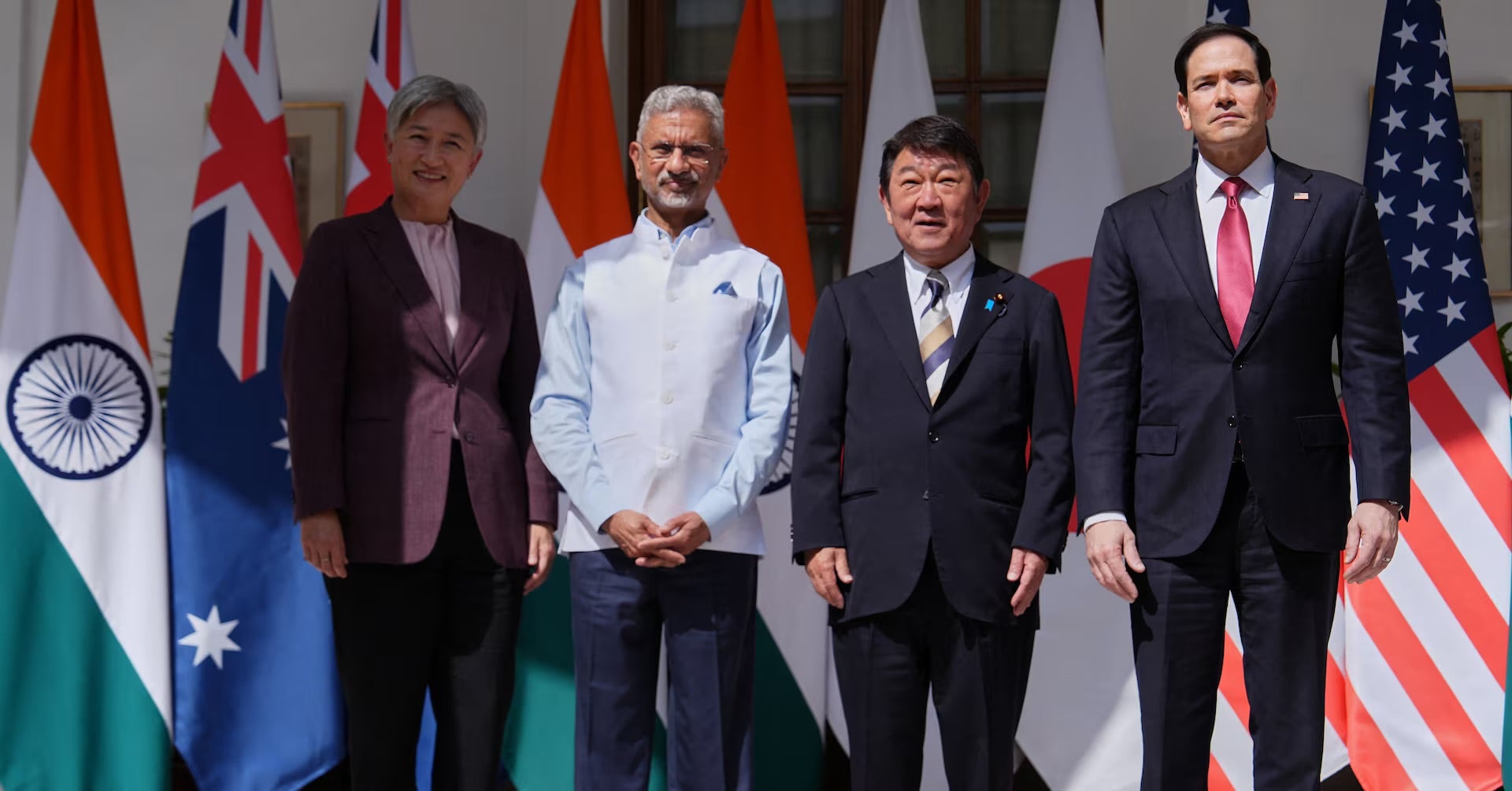
[QUAD外相会議に参加した茂木敏充外務大臣(右から2人目])
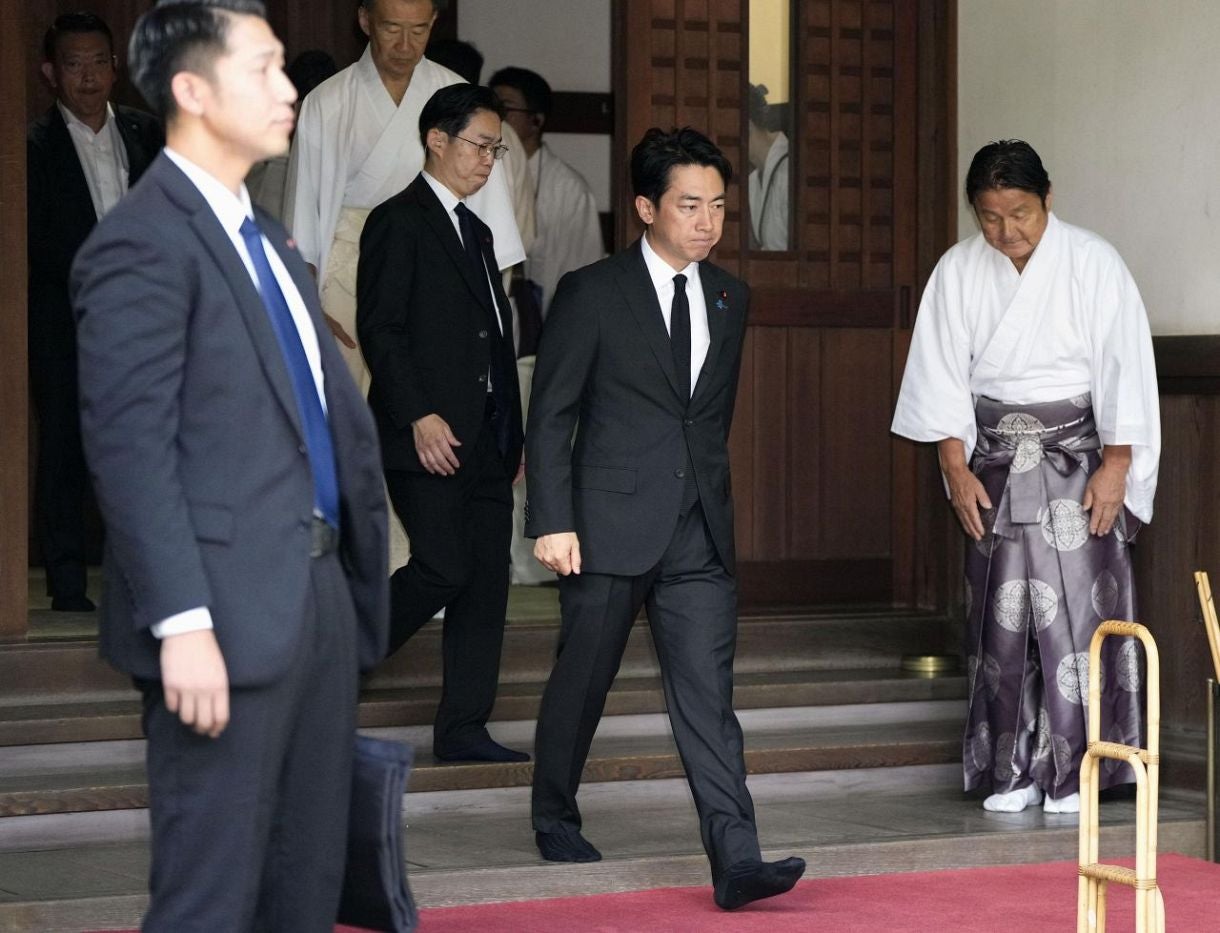
小泉進次郎は問題外です。小泉防衛大臣は、核武装と原子力潜水艦保有推進を明言し、防衛大臣として靖国神社に参拝しました。小泉が首相になれば、中国・ロシアは確実に敵国条項を適用し、日本に対し武力行使します。
今後、小泉進次郎が首相になる可能性は完全に消えました。

[終戦記念日に靖国神社を参拝する小泉進次郎防衛大臣]
前総務大臣の林芳正は、高市内閣を離れ、来年の自民党総裁選へ向けて、活動を開始しました。
報道によると、林芳正は旧二階グループおよび旧菅グループとの連携を模索しているそうです。[15]
さらに、林芳正が所属する旧岸田派が加われば、党内で多数派を形成出来る可能性があります。

[9月1日、外国特派員協会で記者会見する林芳正総務大臣]
た。
しかしながら、林芳正は,アメリカ上院議員のスタッフを務めた経験があり、本質的に親アメリカ派です。
たとえば、2025年の自民党総裁選の決戦投票では、林芳正グループは、自らが所属する岸田派の指示に背いて、高市早苗へ投票し、アメリカ隷従の高市政権実現をアシストしました。
このため、もし林芳正が首相になれば、高市早苗が進める新軍国主義・再軍事化の流れを継承し、さらに台湾有事の際に自衛隊を突っ込むでしょう。
林芳正は、2017年から2021年まで日中友好議連の会長を務めていましたが、同時期は二階俊博元自民党幹事長こそが日中経済交流の窓口としてフルに機能していた時期であり、林芳正は単に形式上日中友好議連会長の肩書きを有していたに過ぎません。
ちなみに、同じく日中友好議連会長として全く機能しない森山裕が、林芳正は首相を務める能力があるといち早く持ち上げていたことからも、林芳正が中国との関係改善に尽力しないことは明らかです。[16]
要するに、林芳正は、高市早苗の対立候補ではなく、真の争点から国民の目をそらすための”やらせ”候補ということです。真の争点は、「中国と対立して新軍国主義・再軍事化を続けるのか」あるいは「中国を始めとする周辺国と友好関係を築き、共に繁栄するのか」です。
今後、メディアは、高市早苗と林芳正だけに焦点を絞り、来年の総裁選はあたかも高市早苗と林芳正の一騎打ちであるかのように報道し続けるでしょう。
しかしながら、高市早苗が首相になっても、林芳正が首相になっても、看板が変わるだけで、親アメリカ・新軍国主義・再軍事化の中身は変わりません。世論を誘導し、国民を騙す常套手段です。
4. 高市早苗の真の対立候補としての岩屋毅前外務大臣
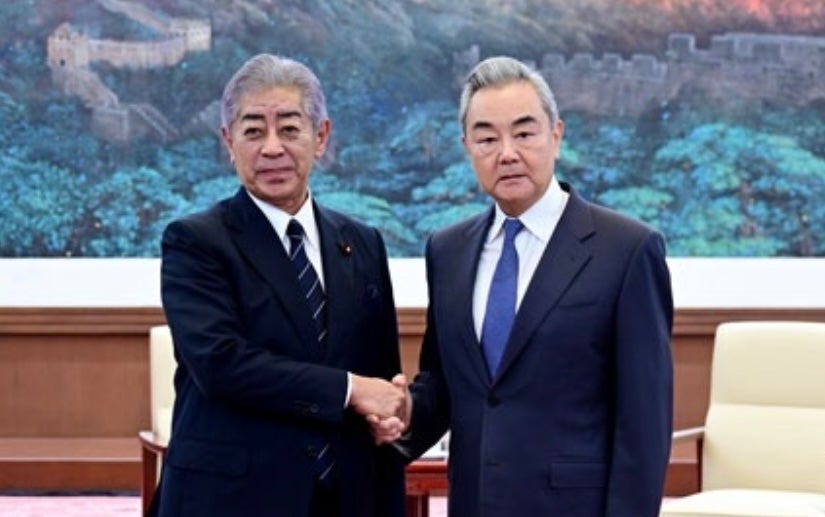
前外務大臣・日本国際貿易促進協会会長の岩屋毅議員が、9月27日から日本国際貿易促進協会の代表団を率いて訪中しました。28日に中国の王毅外相と会談し、29日には何立峰副首相とも会談しました。[17]
王毅外相は、中国の外交トップです。何立峰副首相は、中国の経済交渉トップです。

[岩屋毅前外務大臣(左)と王毅外務大臣(右)]
王毅外相は、世界中の大統領・首相、外相とコンタクトがあります。何立峰副首相は、中国とアメリカ・欧州との経済交渉を担っています。
この二人が岩屋毅議員と会談したということは、中国が岩屋毅議員をきわめて高く評価し、信頼し、重要視していることを示しています。
とくに王毅外相は、岩屋毅議員が外務大臣のときに何度も会談していますから、岩屋毅議員の人柄、信条、政策傾向を熟知しているはずです。何立峰副首相が岩屋毅議員と会談することを提言したのも王毅外相かも知れません。

[岩屋毅前外務大臣(中央左)と何立峰副首相(中央右)]
これに対し、中国は、高市政権の大臣・高官とは一切の接触を拒否しています。高市早苗の台湾有事に自衛隊を突っ込むという発言に激怒したからです。高市政権の閣僚は、中国と全くコンタクト出来ない状態です。
このため、中国の王毅外相(外交トップ)および何立峰副首相(経済交渉トップ)とパイプを持つ岩屋毅議員は、中国との唯一の外交・経済交渉窓口として、日本にとってきわめて貴重かつ重要な存在ということになります。

[帰国後、地元で訪中の報告記者会見をする岩屋毅前外務大臣]
このような状況の下、日本企業が中国に進出したり、投資する場合、岩屋毅議員を通すしかありません。
中国の急速に拡大する消費市場に参入するには、岩屋毅議員を通すしかないわけです。
また、中国との友好、外交・安全保障に関する話し合いも、事実上、岩屋毅議員を通すしかありません。
たとえば、日本国内の平和団体が中国との交流を求めた場合、岩屋毅議員を通すしかありません。
今後、中国との友好関係を築いていくには、岩屋毅議員を通すしかないわけです。
そのため、岩屋毅議員は、日本国内の親中国企業および平和を志向する国民の圧倒的支持を受け、今後、強大な政治力を獲得していくことでしょう。
岩屋毅議員が、高市首相に対する最も強力なライバルとして浮上しました。
壊滅的な日中関係を修復し、中国・ロシアとの戦争を避けるには、岩屋毅議員こそが自民党総裁・首相として最適任です。
5. 軍需産業が主導する新軍国主義・再軍事化が進めば、中国・ロシアとの戦争が不可避であることについて
9月中旬、高市首相は内閣改造を行いました。小泉進次郎防衛大臣も,茂木敏充外務大臣も留任しました。
高市政権が続く限り、また、茂木敏充や林芳正が首相になる限り、日本の新軍国主義・再軍事化は進行し、加速します。
その背景には、日本の軍需産業があります。
これまで日本経済を支えてきた自動車産業が、中国の電気自動車の攻勢で先行き不透明になる中、現在、日本では、あらゆる企業が軍需産業への参入を考えています。
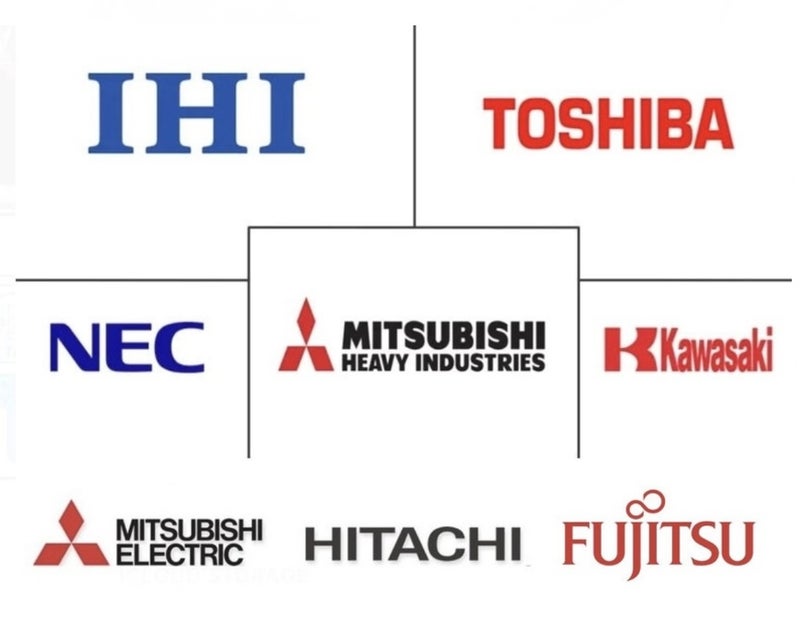
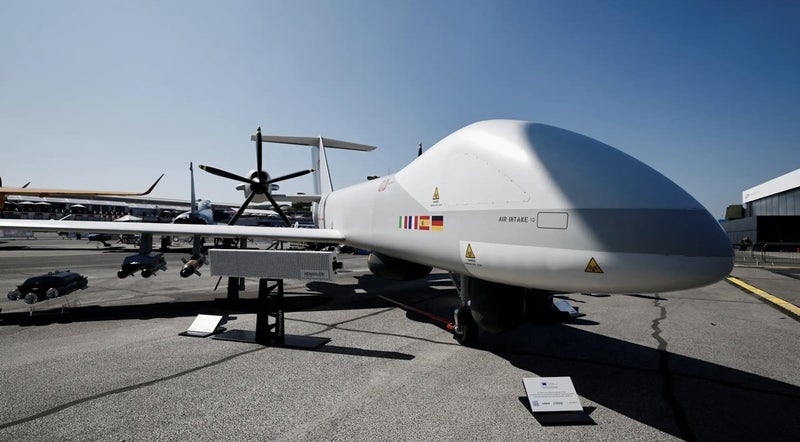
すでに三菱重工、川﨑重工、三菱電機を始めとする日本の防衛企業は、いっせいに軍事用ドローン生産を開始しました。さらに、なんとインターネット通販や携帯電話サービスを本業とする楽天までもがドイツのドローン企業ヘルシングの防衛省受注を支援するという形で軍需産業に参入しています。[19][20][21]

[日本の主要防衛企業]

[三菱重工のAI搭載型ドローン]

[川﨑重工はフランスのエアバスと提携して対潜水艦ドローンを生産します]


[楽天が支援する、ドイツの新興ドローン企業ヘルシングの攻撃型ドローン]
新興のドローン製造会社も多数設立されています。防衛省は、手始めに新興のテラドローンのドローン採用を決定しました。[22]
また、本格的な武器輸出も始まっています。
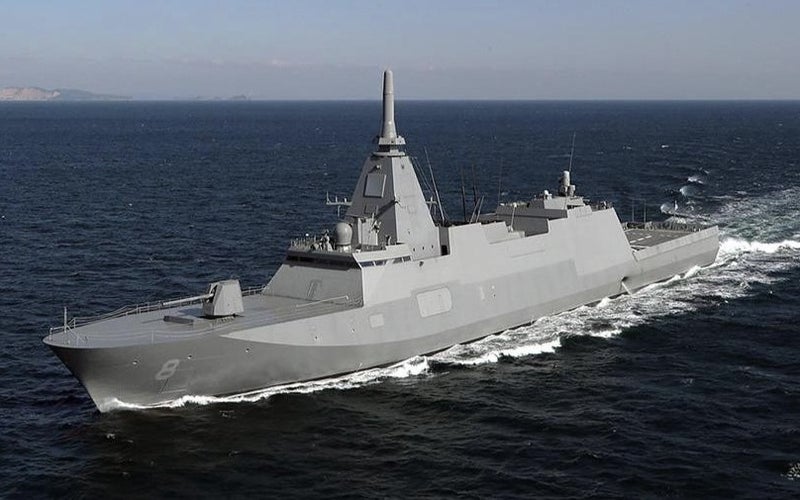
三菱重工は、オーストラリアに向けて、もがみ型フリゲート艦を10隻建造・輸出する予定です。

[三菱重工がオーストラリアへ輸出するもがみ型フリゲート艦]
日本は、フィリピンなど中国周辺国に対艦ミサイルを輸出することを計画しています。

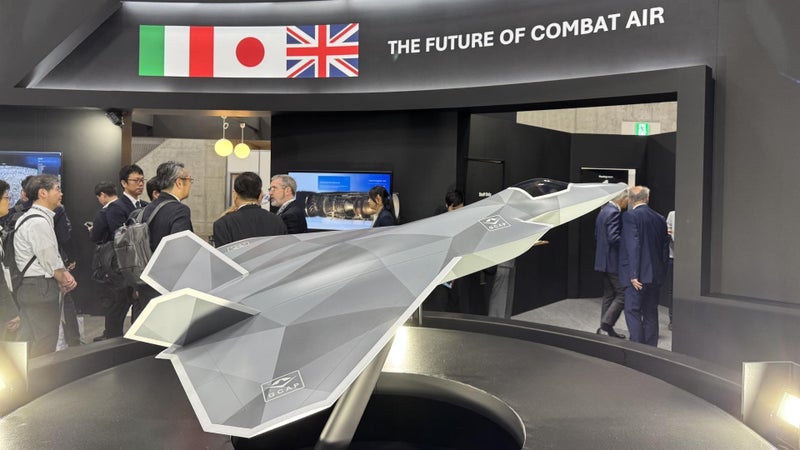
日本は、イギリス、イタリアと共同で次期戦闘機を開発しています。ドイツが参加するという観測もあります。

日本の新軍国主義・再軍事化進行を見越し、防衛企業は用地取得や生産設備拡充に励んでいます。
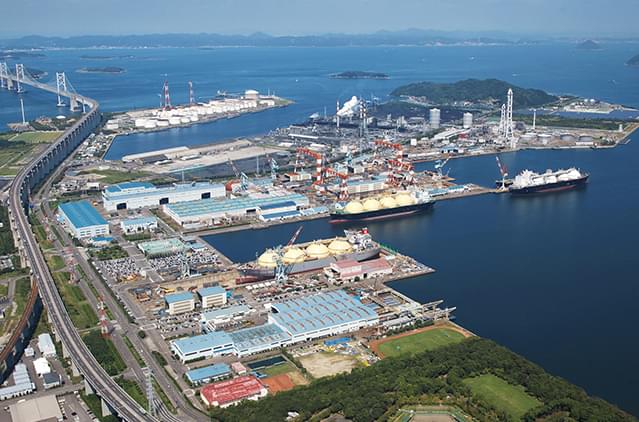
三菱重工は、艦船建造能力拡充のため、山口県下関市の用地を取得しました。[23]

[三菱重工が整備する下関市の人工島「長州出島」]
ちなみに、下関市は、林芳正の地元です。三菱重工は、林芳正の自民党総裁・首相就任を支援するでしょう。林芳正が首相になれば、三菱重工のために、新軍国主義・再軍事化を強力に推進し、防衛費を増大して、三菱重工へ大量の発注をするでしょう。
三菱重工は、長射程ミサイルの大量受注が寄与し、25年度の売上収益は1兆1445億円と急増。初めて1兆円を突破しました。26年度の売上収益も1兆2500億円へとさらなる増収を見込んでいるそうです。

川崎重工は、香川県坂出工場への設備投資を実施します。[24]

[川崎重工坂出工場]
川崎重工は、最大7000億円を計画していた2030年度の防衛事業の売上収益が8000億円に上振れる見込みとし、2030年代中ごろには防衛事業の売上収益が1兆円を超えるとしています。[25]
さらに、銀行までもが防衛産業に参入です。三菱UFJ銀行は、防衛産業融資に関する従来の慎重姿勢を転換し、政府の安全保障政策に整合的であれば融資すると発表しました。[26]

みずほ銀行、三井住友銀行も追随する見込みです。
防衛産業に、大量の資金が注ぎ込まれていきます。
その上、日本企業だけでなく、海外の防衛企業も日本の兵器市場へ続々と参入しています。
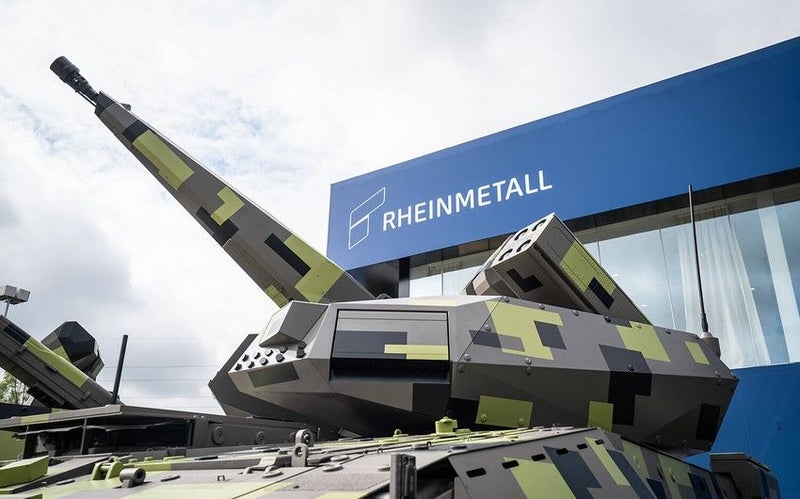
ドイツの巨大軍需メーカーのラインメタルは、日本に兵器や弾薬を製造する拠点を設ける予定です。[27]

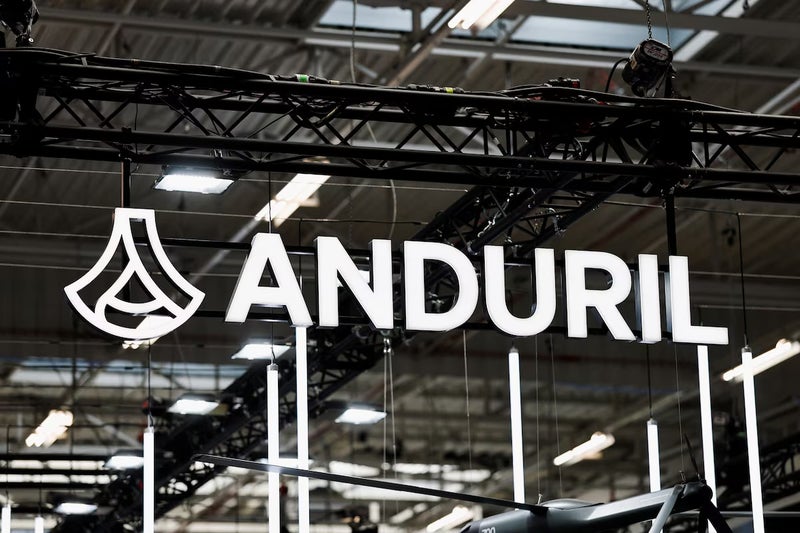
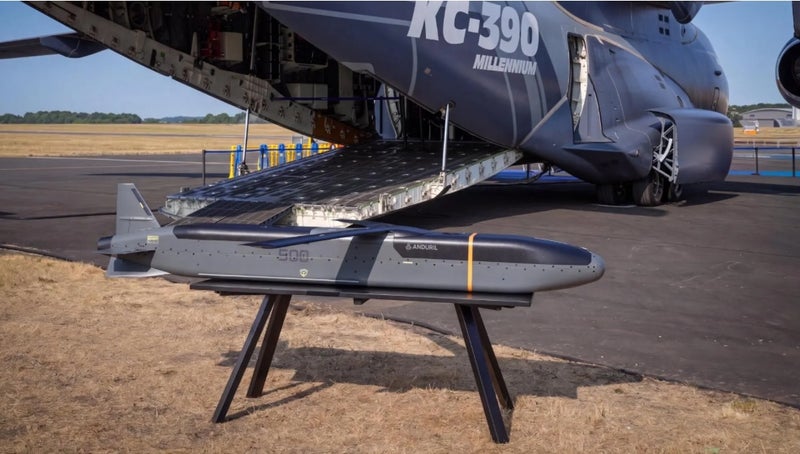
アメリカのアンドゥリルという新興ドローン企業は、日産が閉鎖する神奈川県横須賀市の追浜工場を買収して、日本でドローンの大量生産を行う予定です。[28]


[閉鎖が予定されている日産の追浜工場]

[アンドゥリルの迎撃型ドローン]

[アンドゥリルのスタンドオフミサイル]
ちなみに、アンドゥリルは、アメリカで攻撃型原子力潜水艦の大量建造を行う計画です。日本に協力を求めてくるかも知れません。[29][30]


[アンドゥリルは、約1兆円を投資してボルチモアにプラントを新設し、ヴァージニア級攻撃型原子力潜水艦を大量建造する予定です]
アンドゥリルが買収する神奈川県横須賀市の追浜工場も原子力潜水艦建造プラントになるかも知れません。海上自衛隊横須賀基地に隣接する追浜工場は、立地としては最適です。
つまり、日本の軍国主義化・防衛費増大は、アメリカに要求されて行っているだけではないわけです。すでに日本の経済界・産業界が日本の景気浮揚と高い利潤を求めて、自律的に日本の軍国主義化を推進し始めています。
このため、たとえアメリカ中間選挙でトランプの共和党が敗北しても、高市政権が継続し、さらにアメリカ隷従の茂木敏充や林芳正が首相に就任し、あるいは筋金入りの軍国主義者・小林鷹之が首相に就任し、よりいっそう軍国主義化を加速させる可能性があります。バブル景気のときもそうでしたが、日本の経済界・産業界は走り出すと止まりません。
その場合、中国およびロシアは、必ず敵国条項を適用して日本に対する軍事力行使に踏み切ります。
中国およびロシアの数千発の弾道ミサイルと数百万機のドローンによる攻撃を受けて、日本は壊滅するでしょう。
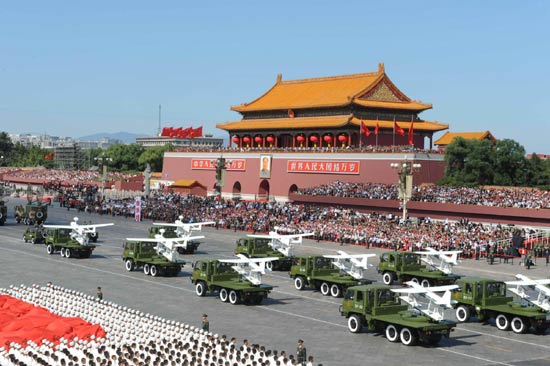
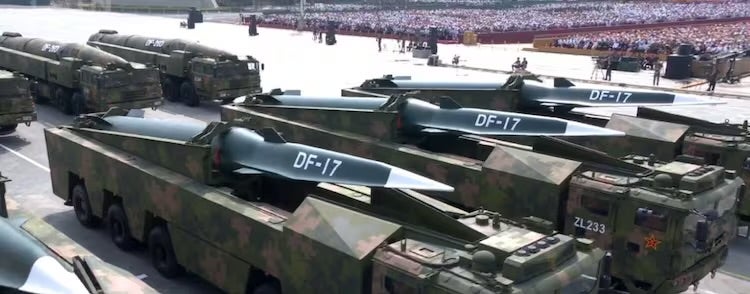
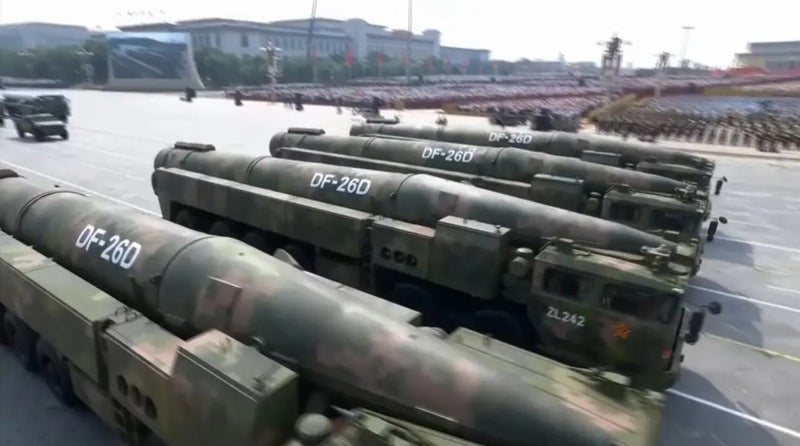
中国とロシアは、極超音速ミサイルを実戦配備していますが、日本にはこれを防ぐ手段がありません。日本の自衛艦、自衛隊基地は全て破壊されます。

[中国の軍事パレード]

[中国の極超音速ミサイルDF-17]

[中国の弾道ミサイルDF-26]

[中国の大型ドローン空母と多数の小型ドローンのスウォーム]
中国の戦闘機には、300キロの射程距離を持つ空対空ミサイルが装備されています。日本の自衛隊機は中国機のはるか遠くで次々と撃墜されるでしょう。

[中国のJ-35戦闘機]

[中国の空対空ミサイルPL-15]
中国とロシアが軍事力を行使すれば、日本の輸出も輸入もストップしますから、日本の経済は崩壊し、食糧もなくなります。大勢の日本人が餓死するでしょう。
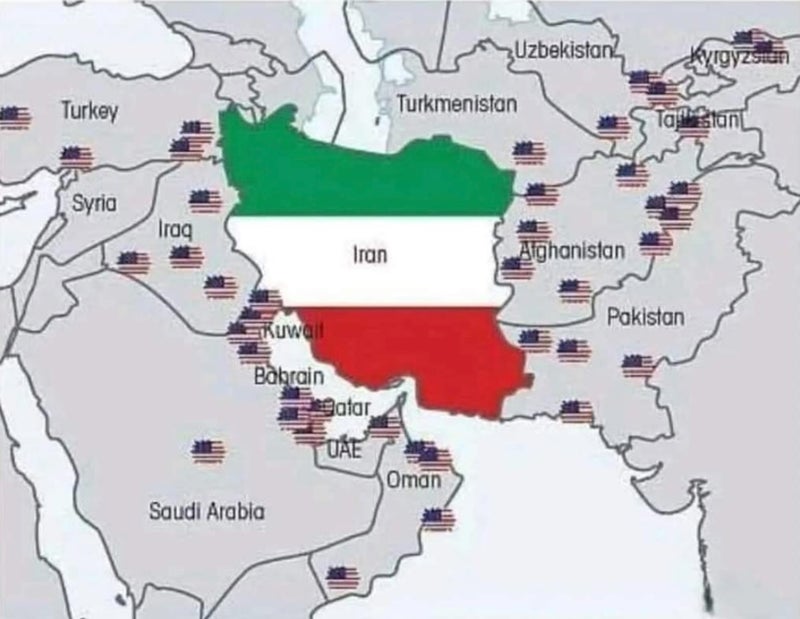
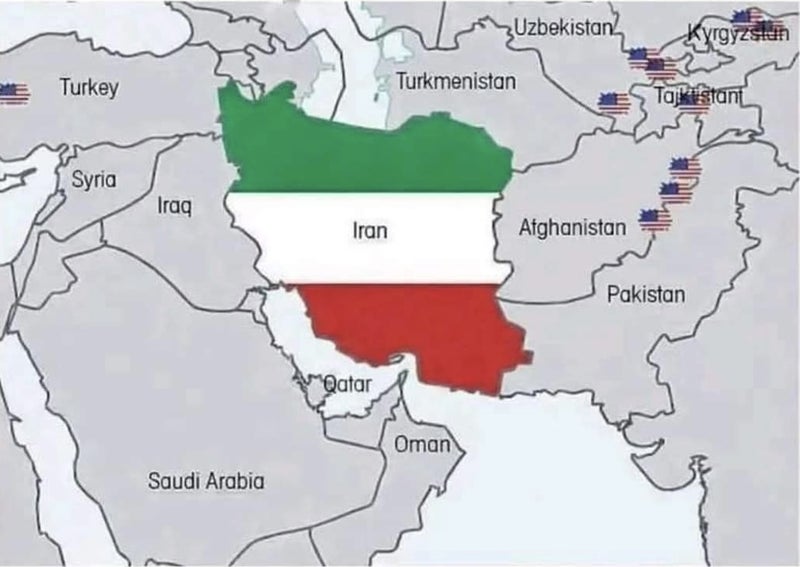
イランのミサイルおよびドローンの攻撃で中東のアメリカ軍基地が全て破壊されたように、中国とロシアの攻撃で日本の自衛隊基地は全て破壊されるでしょう。日本の兵器工場も全て破壊されるでしょう。

[イラン戦争の前、アメリカは中東に多数の軍事基地を有していました]

[イランのミサイルおよびドローンの攻撃で中東のアメリカ軍基地は全滅しました]
アメリカ軍は介入しません。何度シュミレーションを実施しても東アジアでアメリカは中国に勝てないという結果が出ているからです。しかも、中国・ロシアの攻撃は国連憲章の敵国条項に基づく合法的かつ正当な攻撃です。したがってアメリカの介入は国際法に反する不当な武力行使になります。たとえ大統領が介入しようとしても、議会が反対して、介入は不可能となるでしょう。
イランの攻撃でアメリカ軍が中東の基地から撤収したように、中国とロシアの攻撃の前に、アメリカ軍は日本から退避します。サウジアラビアやバーレーンを見捨てて撤収したように、アメリカは日本を見捨てて退避します。
まして、ヨーロッパ諸国は介入しません。日本は単独で中国・ロシア・北朝鮮と戦うことになります。
6. 新軍国主義・再軍事化を止め、親中国政権を樹立する必要性
かつて1937年から1939年の第一次近衞内閣および1940年から1941年の第二次第三次近衞内閣の下、日本は南進論へ舵を切り、財閥と軍需産業が主導して、後先を考えずに中国および東南アジアへの侵略拡大に突き進みました。[31]

[第一次近衞内閣]
財閥と軍需産業は、藤原鎌足や藤原道長を先祖に持ち、藤原家直系で、貴族最高位の公爵であるにもかかわらず、麻雀や相撲観戦を楽しむなど庶民的な近衞文麿をカリスマ的・スター的存在に仕立て上げ、国民を侵略拡大へ動員しました。

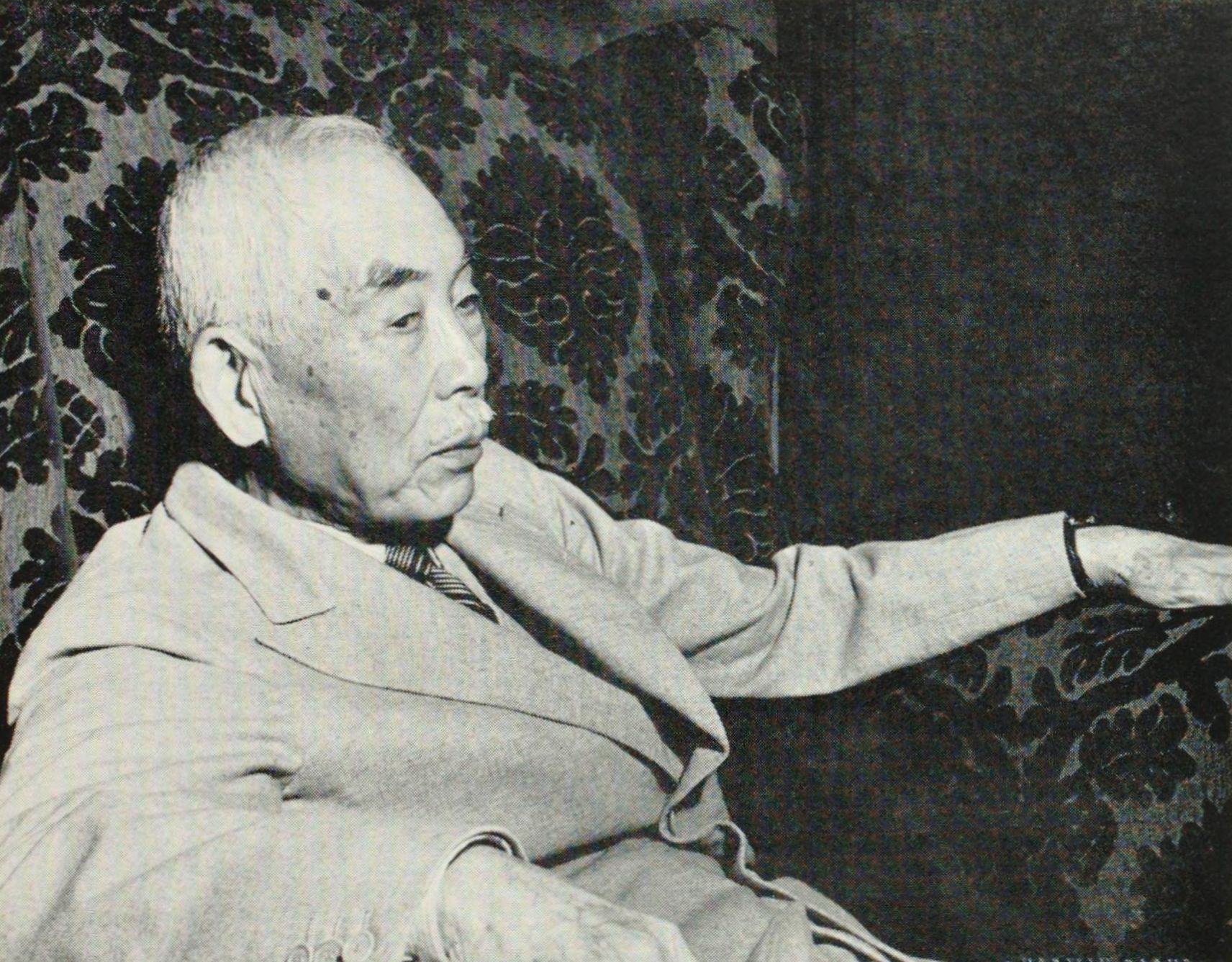
[近衞文麿: 東京大学文学部と京都大学法学部を卒業し、身長180センチと長身で、45才で首相に就任した近衞文麿は、財閥と軍需産業がメディアを駆使し、カリスマ的・スター的政治家に祭り上げられました]
近衞内閣の下、1937年に盧溝橋事件が勃発。日中戦争が開始され、日本は北京、上海、南京を占領しました。
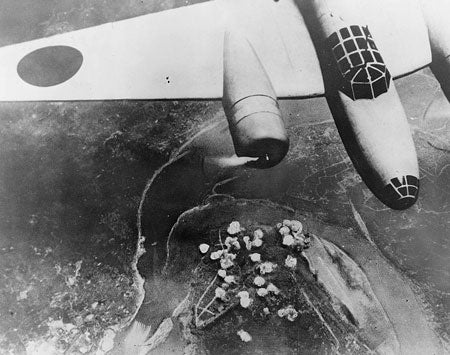
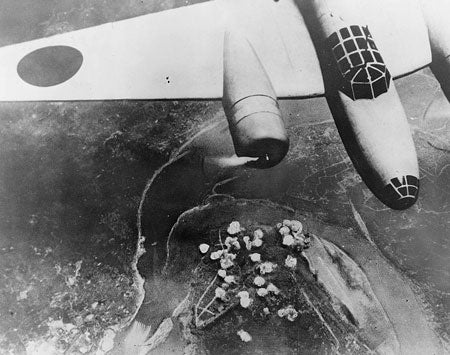
とくに、1938年には陸軍参謀本部がそれ以上の戦争拡大に反対し、中国国民党政府との和平工作を勧めたにもかかわらず、近衞首相は「国民政府ヲ対手(あいて)トセズ」との声明を発表し、武漢への進撃、重慶爆撃を実施、国家総動員法を制定して国民をまとめ上げ、1940年・1941年には北部・南部仏印進駐へと突き進みました。

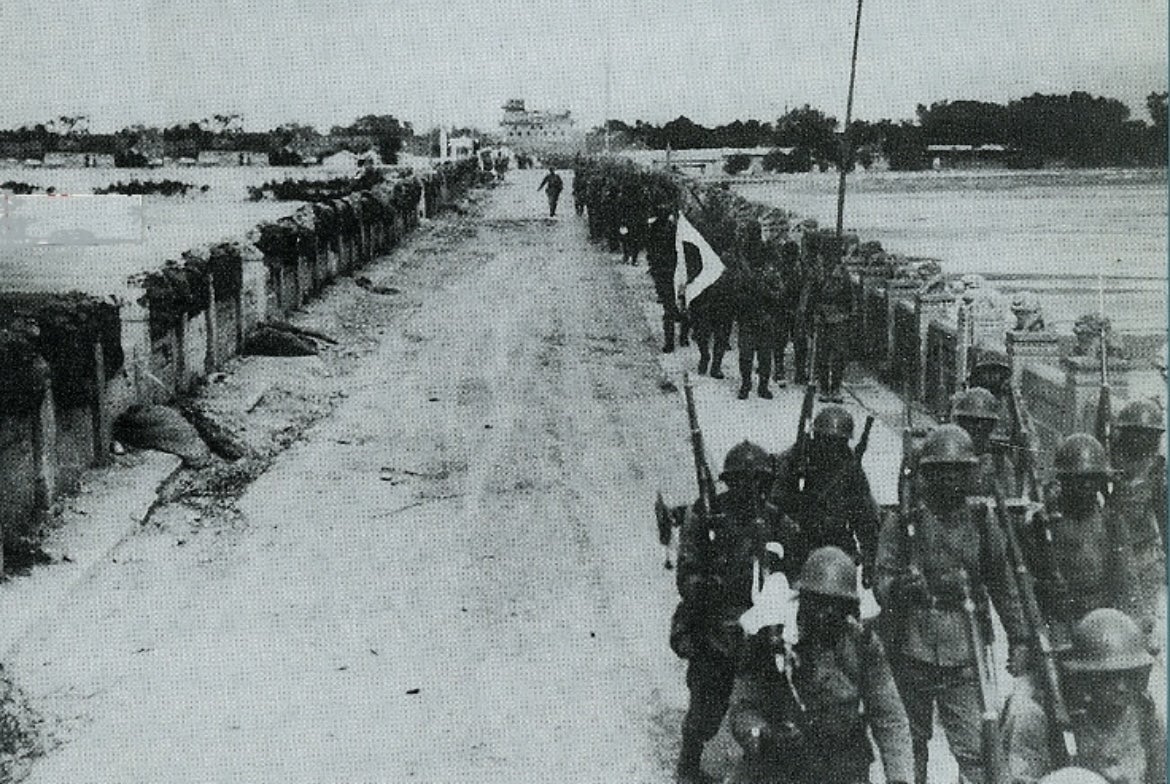
[武漢を攻撃する日本軍]

[重慶を爆撃する日本の爆撃機]

財閥と軍需産業は,戦争が拡大し、占領地域が拡大することで、莫大な利益を得ました。そのため、中国および東南アジアへの侵略拡大が米英との戦争を不可避とするにもかかわらず、近衞内閣は戦争拡大を続けました。

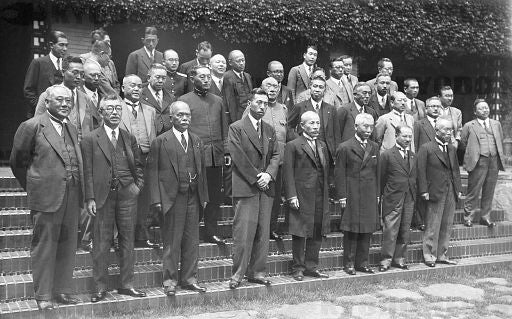
第一次近衞改造内閣には、三井財閥総帥の池田成彬が大蔵大臣兼商工大臣として参画、日本経済の戦争経済化を推進しました。

[第一次近衞改造内閣: 近衞首相の右隣2人目が池田成彬]

三井財閥の旧三井物産は、占領地での物流を支配しました。

[旧三井物産本社]
三菱財閥の三菱重工は、戦闘機・爆撃機や軍艦を製造・建造しました。

[(左上から時計回りに)三菱重工名古屋航空機製作所、零式艦上戦闘機、戦艦武蔵、三菱重工長崎造船所]
川崎財閥の川崎重工は、潜水艦や戦闘機を建造・製造しました。

[川崎重工川崎造船所、日本海軍伊号潜水艦]
中島コンツェルンの中島飛行機製作所は、戦闘機・攻撃機を製造しました。

[中島飛行機製作所、97式艦上攻撃機]

昔も今も、日本の経済界・産業界は、走り出すと止まりません。現在、日本では、あらゆる企業が軍需産業への参入を考えています。その先には、中国・ロシアとの戦争が不可避であるにもかかわらずです。
日本の経営者は、そのほとんどがサラリーマン社長で、自分の本業には詳しくても、国際政治や安全保障に関しては全くの無知です。中国やロシアの心情・決意に思いが至りません。
そのため、これぐらいなら大丈夫だろうと高を括り、目先の利益を追求し続けるあまり、後戻りの出来ない状況にまで事態を追い込んでしまいます。
日本の経済界・産業界は、軍需産業で日本の景気を浮揚し、高い利潤を得ようなどという非現実的な幻想を捨て、アメリカ中間選挙後に、日本に親中国の政権を樹立すべきです。
日本の経済界・産業界は、岩屋毅議員を支援し、親中国政権を樹立すべきです。
以上
参照資料:
(1 ) ”CHINA MFA Spokesperson 中国外交部发言人 X Posting of August 19th 2026”, Ministry of Foreign Affairs of the PRC
(2) ”CHINA MFA Spokesperson 中国外交部发言人 X Posting of September 2nd 2026”, Ministry of Foreign Affairs of the PRC
(3) 「熊本、静岡に長射程ミサイル配備 初の反撃能力、中国など念頭―防衛省」、2026年3月31日、時事通信
(4) 「イージス艦にトマホーク発射能力 敵基地攻撃、米で改修後に帰国」、2026年3月27日、共同通信
(5) ”Mitsubishi showcases AI-powered combat drones”, October 18th 2024, The Defense Blog
(6) ”Airbus and Kawasaki Team Up for Anti-Submarine Warfare Eurodrone Variant”, June 26th 2026, Medium
(7) ”[Sakura LIVE] No. 717 - Shinjiro Koizumi, Minister of Defense × Yoshiko Sakurai”, July 18th 2026, Sakurai LIVE
(8) 「小泉防衛相、タブーなく核兵器・原潜保有を議論 安保3文書改定巡り」、2026年9月29日、日本経済新聞
(9) 「自衛隊への原子力潜水艦の導入検討案が浮上、安保3文書の年内改定で…抑止力維持には不可欠との分析」、2026年10月7日、読売新聞
(10) ”Japan fires first Type 88 anti-ship missiles overseas during Balikatan 2026 exercise in Philippines”, May 8th 2026, Army Recognition
(11) 「中国、日本とフィリピンの海洋境界交渉に猛反発『完全に違法かつ無効』」、2026年5月30日、AFPBV News
(12) 「外務省、中国の旧敵国条項発信に反論 『既に死文化』」、2025年11月23日、日本経済新聞
(13) ”Trump’s approval rating sinks to new low at 33 percent”, August 17th 2026, Al Jazeera
(14) ”Midterm forecast strongly favors Democrats to win House majority”, September 3rd 2026, Cornell Chronicle
(15) 「林芳正総務相 次期総裁選への明言避けるも“ポスト高市”虎視眈々『次は閣内に入りたくない』周囲にこぼした“真意”」、2026年9月5日、女性自身
(16) 「自民・森山裕氏、若手訪中団は「立法府を代表」 林芳正氏は首相務める能力「間違いない」」、2026年9月12日、産経新聞
(17) 「習政権、岩屋氏を厚遇 友好団体との対話再開か―中国」、2026年9月30日、時事通信
(18) 「中国は『高市政府ヲ対手トセズ』か 外相間の接触を否定 「日本執政当局」と呼ぶ含意は」、2026年8月11日、産経新聞
(19) ”Mitsubishi showcases AI-powered combat drones”, October 18th 2024, The Defense Blog
(20) ”Airbus and Kawasaki Team Up for Anti-Submarine Warfare Eurodrone Variant”, June 26th 2026, Medium
(21) 「ドイツ新興ヘルシング、陸自に攻撃型ドローン供給へ 楽天Gと連携」、2026年8月17日、ロイター
(22) 「テラドローン、迎撃ドローンを自衛隊に納入 ウクライナの知見活用」、2026年8月25日、日本経済新聞
(23) 「三菱重工、下関市から土地取得 造船所拡張へ1000億円投資」、2026年10月2日、日本経済新聞
(24) 「川重、坂出工場で約450億円の設備投資 政府が最大156億円の助成金で支援」、2026年9月14日、神戸経済ニュース
(25) 「川崎重工、防衛事業の売上収益上振れへ 半導体用ロボットの生産能力倍増」、2026年10月6日、ロイター
(26) 「三菱UFJ銀行が防衛産業に融資 慎重姿勢を転換、安保政策を軸に判断」、2026年9月16日、日本経済新聞
(27) ”Major German defense firm Rheinmetall eyes production base in Japan”, June 23rd 2026, The Japan Times
(28) ”The U.S. defence firm Anduril in talks for Nissan plant to build drones in Japan, sources say”, June 30th 2026, South China Morning Post
(29) ”Anduril Dives Into Submarine Construction With New Baltimore Plant”, October 6th 2026, TWZ
(30) ”Anduril and U.S. Navy Invest $6.6 Billion to Ease U.S. Virginia-Class Submarine Production Delays.”, October 7th 2026, Army Recognition
(31) 近衞文麿 Wikipedia
註記: 上記の見解は、私個人のものであり、いかなる団体あるいは政党の見解をも反映するものではありません。
私自身は、いずれの政党・政治団体ならびに宗教団体にも所属していません。あくまでも一人の市民として、個人として発言しています。民主主義と平和を実現するために発言しています。
1. 中国・ロシアが敵国条項に言及
ロシアに続き、中国が国連憲章に規定されている敵国条項に言及しました。日中関係は戦後最も危険な状況にあります。[1][2]
[日本は国連憲章の敵国条項を尊重せよと明言する中国外交部(外務省)の林剣報道官、8月19日]
敵国条項は、第二次大戦において敵国であった日本、ドイツ、イタリアがもし再び侵略的政策を実施する場合、第二次大戦の戦勝国は国連安全保障理事会の決議を経ることなく、直接当該国家に対し強制措置を取ることが出来ると規定しています。
高市早苗首相は、有事の際に中国領土の台湾に自衛隊を突っ込むと発言し、侵略=戦争犯罪の実行を宣言しました。
[高市早苗首相は、国会で、有事の際に中国の領土の台湾に自衛隊を突っ込むと発言し、侵略=戦争犯罪の実行を宣言しました]
高市政権の下、日本は中国本土を攻撃出来る長射程ミサイルを熊本県・静岡県に配備しました。[3]
海上自衛隊のイージス艦「ちょうかい」が改修され、トマホークミサイルの発射が可能となりました。南西諸島から北京を直撃出来ることになります。[4]
三菱重工、川﨑重工、三菱電機を始めとする日本の防衛企業は、いっせいに軍事用ドローン生産を開始しました。[5][6]
[三菱重工のAI搭載型ドローン]
小泉進次郎防衛大臣は、日本は核兵器および原子力潜水艦を保有すべきと公言しました。[7][8]
[核武装推進・原子力潜水艦保有推進の立場を明らかにした小泉進次郎防衛大臣]
[改定される安保3文書では、原子力潜水艦の保有が提言される見込みです][9]
自衛隊はフィリピンで行われた軍事演習に参加し、フィリピンと台湾の間の海域に向けて地対艦ミサイルを発射しました。[10]

その直後、日本は、フィリピンとの間で、台湾東方海域におけるEEZおよび大陸棚の海洋境界画定作業を、中国抜きで開始しました。同海域には中国のEEZおよび大陸棚があるにもかかわらずです。
これは中国を軍事力で威嚇しつつ、中国の領土と主権を踏みにじる行為です。まさにかつての満州事変と同質の侵略的行為です。[11]
間もなく、日本は核ミサイルを搭載した原子力潜水艦で中国を威嚇するでしょう。
[フィリピンのマルコス大統領と高市早苗首相]
[台湾東方海域には中国のEEZおよび大陸棚があるにもかかわらず、日本とフィリピンは、中国抜きでEEZおよび大陸棚の海洋境界画定作業を開始しました]
以上の事実から、日本が専守防衛の建前を捨て、主観的にも客観的にも再び侵略的政策の実行に着手したことは明らかです。したがって、敵国条項の要件は充たされています。
元凶は高市首相です。小泉防衛大臣も共犯です。
また、茂木敏充外務大臣は、中国に対し、敵国条項はすでに死文化しているなどという事実に反する独自意見を述べて反論しています。[12]
中国が数十年前敵国条項削除に賛成したことを根拠とする外務省の幼稚かつ浅薄な反論が、日本の外務省のレベルの低さを表しています。戦前・戦中も現在も、日本の外務省は外交無知省です。
かつて中国が敵国条項削除に賛成したからといって、中国が敵国条項を援用する権限を失うことにはなりません。国連憲章に敵国条項が存在する以上、中国はいつでも敵国条項を援用出来ます。
ちなみに、敵国条項を含む国連憲章を改正するには、安全保障理事会の常任理事国全ての賛成が必要です。敵国条項削除に関し、常任理事国全てが賛成したという事実はありません。
敵国条項は、国連憲章に厳然として存在しています。敵国条項は、現在も有効であり、まさに今の日本のような侵略政策を処罰するために存在します。日本の愚かな侵略政策が敵国条項の存在意義を改めて実証しました。
日本の侵略政策が敵国条項の要件にあてはまる以上、中国・ロシアは、今すぐにでも日本を軍事的に攻撃出来ます。国連憲章に規定された敵国条項に基づく攻撃ですから、国際法上完全に合法かつ正当な軍事力の行使になります。

[共同演習に参加する中国の軍艦(手前)とロシアの軍艦]
逆に日本が反撃すれば、それこそが国際法に違反した軍事力行使となります。
中国・ロシアは、敵国条項に基づく軍事力行使の権限を移譲することも可能です。たとえば、北朝鮮に権限を移譲することも可能です。北朝鮮も敵国条項に基づく日本への武力行使に参加出来ます。
2. 中間選挙後にトランプがレームダック化することについて
現在、トランプ大統領の支持率は急速に低下しています。現在、33%にまで落ちています。[13]

アメリカが開始したイラン戦争に関しては、アメリカ国民の過半数が反対しています。
アメリカ国民は、原油高によるインフレ・物価高にも辟易しています。
このため、11月に実施される中間選挙では、トランプの共和党は敗れ、民主党が議会過半数を占める可能性が高いです。下院は民主党が過半数を握るでしょう。上院も民主党が過半数を占める可能性があります。[14]
民主党が少なくとも下院を押さえれば、トランプ大統領はレームダック化します。
トランプ大統領は、これまでのようなやりたい放題は出来なくなります。
まずトランプ大統領が強行してきた関税措置は全て否定されます。そもそも合衆国憲法によれば関税賦課の権限は議会にあります。これまでのトランプ大統領の関税措置は憲法違反で無効です。
中間選挙後、トランプ大統領の望む法案は全く通らなくなります。トランプ大統領の望む予算も全く通らなくなります。
トランプ大統領は無力化します。
3. 高市更迭と自民党総裁選前倒しについて
中間選挙の後、トランプ大統領がレームダック化し、無力化すれば、高市を首相にしておく意味もなくなります。
元々高市を首相にしたのは、日本車への高関税賦課などトランプの無謀かつ強圧的な要求をかわすためでした。
そのため、日本はタカ派の高市を首相にし、文字通りトランプに対する抱きつき作戦に出たわけです。

[訪米時、トランプ大統領に抱きつく高市早苗首相]
しかしながら、トランプ大統領が無力化すれば、官邸にひきこもって人と会えない、低能の高市を首相にしておく意味は全くありません。ただちに切るべきです。
次の自民党総裁選は来年の秋に予定されていますが、前倒しして、年末または年明け早々に総裁選を実施すべきです。なぜならば、中国との関係が戦後最も危険な状況にあるからです。中国・ロシアは、敵国条項に基づき、今すぐにでも日本を軍事的に攻撃することが可能です。
では、高市更迭後の次期自民党総裁=次期総理大臣は誰が適任でしょうか?。
トランプは無力化しますから、もうこれまでのようにアメリカの顔色だけを見る必要はありません。むしろ、壊滅的な日中関係を修復する人物を首相にすべきです。
茂木敏充は、アメリカ隷従ですから高市と変わりません。かえって日中関係が悪化します。
[QUAD外相会議に参加した茂木敏充外務大臣(右から2人目])
小泉進次郎は問題外です。小泉防衛大臣は、核武装と原子力潜水艦保有推進を明言し、防衛大臣として靖国神社に参拝しました。小泉が首相になれば、中国・ロシアは確実に敵国条項を適用し、日本に対し武力行使します。
今後、小泉進次郎が首相になる可能性は完全に消えました。
[終戦記念日に靖国神社を参拝する小泉進次郎防衛大臣]
前総務大臣の林芳正は、高市内閣を離れ、来年の自民党総裁選へ向けて、活動を開始しました。
報道によると、林芳正は旧二階グループおよび旧菅グループとの連携を模索しているそうです。[15]
さらに、林芳正が所属する旧岸田派が加われば、党内で多数派を形成出来る可能性があります。

[9月1日、外国特派員協会で記者会見する林芳正総務大臣]
た。
しかしながら、林芳正は,アメリカ上院議員のスタッフを務めた経験があり、本質的に親アメリカ派です。
たとえば、2025年の自民党総裁選の決戦投票では、林芳正グループは、自らが所属する岸田派の指示に背いて、高市早苗へ投票し、アメリカ隷従の高市政権実現をアシストしました。
このため、もし林芳正が首相になれば、高市早苗が進める新軍国主義・再軍事化の流れを継承し、さらに台湾有事の際に自衛隊を突っ込むでしょう。
林芳正は、2017年から2021年まで日中友好議連の会長を務めていましたが、同時期は二階俊博元自民党幹事長こそが日中経済交流の窓口としてフルに機能していた時期であり、林芳正は単に形式上日中友好議連会長の肩書きを有していたに過ぎません。
ちなみに、同じく日中友好議連会長として全く機能しない森山裕が、林芳正は首相を務める能力があるといち早く持ち上げていたことからも、林芳正が中国との関係改善に尽力しないことは明らかです。[16]
要するに、林芳正は、高市早苗の対立候補ではなく、真の争点から国民の目をそらすための”やらせ”候補ということです。真の争点は、「中国と対立して新軍国主義・再軍事化を続けるのか」あるいは「中国を始めとする周辺国と友好関係を築き、共に繁栄するのか」です。
今後、メディアは、高市早苗と林芳正だけに焦点を絞り、来年の総裁選はあたかも高市早苗と林芳正の一騎打ちであるかのように報道し続けるでしょう。
しかしながら、高市早苗が首相になっても、林芳正が首相になっても、看板が変わるだけで、親アメリカ・新軍国主義・再軍事化の中身は変わりません。世論を誘導し、国民を騙す常套手段です。
4. 高市早苗の真の対立候補としての岩屋毅前外務大臣
前外務大臣・日本国際貿易促進協会会長の岩屋毅議員が、9月27日から日本国際貿易促進協会の代表団を率いて訪中しました。28日に中国の王毅外相と会談し、29日には何立峰副首相とも会談しました。[17]
王毅外相は、中国の外交トップです。何立峰副首相は、中国の経済交渉トップです。
[岩屋毅前外務大臣(左)と王毅外務大臣(右)]
王毅外相は、世界中の大統領・首相、外相とコンタクトがあります。何立峰副首相は、中国とアメリカ・欧州との経済交渉を担っています。
この二人が岩屋毅議員と会談したということは、中国が岩屋毅議員をきわめて高く評価し、信頼し、重要視していることを示しています。
とくに王毅外相は、岩屋毅議員が外務大臣のときに何度も会談していますから、岩屋毅議員の人柄、信条、政策傾向を熟知しているはずです。何立峰副首相が岩屋毅議員と会談することを提言したのも王毅外相かも知れません。

[岩屋毅前外務大臣(中央左)と何立峰副首相(中央右)]
これに対し、中国は、高市政権の大臣・高官とは一切の接触を拒否しています。高市早苗の台湾有事に自衛隊を突っ込むという発言に激怒したからです。高市政権の閣僚は、中国と全くコンタクト出来ない状態です。
このため、中国の王毅外相(外交トップ)および何立峰副首相(経済交渉トップ)とパイプを持つ岩屋毅議員は、中国との唯一の外交・経済交渉窓口として、日本にとってきわめて貴重かつ重要な存在ということになります。

[帰国後、地元で訪中の報告記者会見をする岩屋毅前外務大臣]
このような状況の下、日本企業が中国に進出したり、投資する場合、岩屋毅議員を通すしかありません。
中国の急速に拡大する消費市場に参入するには、岩屋毅議員を通すしかないわけです。
また、中国との友好、外交・安全保障に関する話し合いも、事実上、岩屋毅議員を通すしかありません。
たとえば、日本国内の平和団体が中国との交流を求めた場合、岩屋毅議員を通すしかありません。
今後、中国との友好関係を築いていくには、岩屋毅議員を通すしかないわけです。
そのため、岩屋毅議員は、日本国内の親中国企業および平和を志向する国民の圧倒的支持を受け、今後、強大な政治力を獲得していくことでしょう。
岩屋毅議員が、高市首相に対する最も強力なライバルとして浮上しました。
壊滅的な日中関係を修復し、中国・ロシアとの戦争を避けるには、岩屋毅議員こそが自民党総裁・首相として最適任です。
5. 軍需産業が主導する新軍国主義・再軍事化が進めば、中国・ロシアとの戦争が不可避であることについて
9月中旬、高市首相は内閣改造を行いました。小泉進次郎防衛大臣も,茂木敏充外務大臣も留任しました。
高市政権が続く限り、また、茂木敏充や林芳正が首相になる限り、日本の新軍国主義・再軍事化は進行し、加速します。
その背景には、日本の軍需産業があります。
これまで日本経済を支えてきた自動車産業が、中国の電気自動車の攻勢で先行き不透明になる中、現在、日本では、あらゆる企業が軍需産業への参入を考えています。
すでに三菱重工、川﨑重工、三菱電機を始めとする日本の防衛企業は、いっせいに軍事用ドローン生産を開始しました。さらに、なんとインターネット通販や携帯電話サービスを本業とする楽天までもがドイツのドローン企業ヘルシングの防衛省受注を支援するという形で軍需産業に参入しています。[19][20][21]
[日本の主要防衛企業]
[三菱重工のAI搭載型ドローン]
[川﨑重工はフランスのエアバスと提携して対潜水艦ドローンを生産します]


[楽天が支援する、ドイツの新興ドローン企業ヘルシングの攻撃型ドローン]
新興のドローン製造会社も多数設立されています。防衛省は、手始めに新興のテラドローンのドローン採用を決定しました。[22]
また、本格的な武器輸出も始まっています。
三菱重工は、オーストラリアに向けて、もがみ型フリゲート艦を10隻建造・輸出する予定です。
[三菱重工がオーストラリアへ輸出するもがみ型フリゲート艦]
日本は、フィリピンなど中国周辺国に対艦ミサイルを輸出することを計画しています。

日本は、イギリス、イタリアと共同で次期戦闘機を開発しています。ドイツが参加するという観測もあります。
日本の新軍国主義・再軍事化進行を見越し、防衛企業は用地取得や生産設備拡充に励んでいます。
三菱重工は、艦船建造能力拡充のため、山口県下関市の用地を取得しました。[23]

[三菱重工が整備する下関市の人工島「長州出島」]
ちなみに、下関市は、林芳正の地元です。三菱重工は、林芳正の自民党総裁・首相就任を支援するでしょう。林芳正が首相になれば、三菱重工のために、新軍国主義・再軍事化を強力に推進し、防衛費を増大して、三菱重工へ大量の発注をするでしょう。
三菱重工は、長射程ミサイルの大量受注が寄与し、25年度の売上収益は1兆1445億円と急増。初めて1兆円を突破しました。26年度の売上収益も1兆2500億円へとさらなる増収を見込んでいるそうです。

川崎重工は、香川県坂出工場への設備投資を実施します。[24]

[川崎重工坂出工場]
川崎重工は、最大7000億円を計画していた2030年度の防衛事業の売上収益が8000億円に上振れる見込みとし、2030年代中ごろには防衛事業の売上収益が1兆円を超えるとしています。[25]
さらに、銀行までもが防衛産業に参入です。三菱UFJ銀行は、防衛産業融資に関する従来の慎重姿勢を転換し、政府の安全保障政策に整合的であれば融資すると発表しました。[26]

みずほ銀行、三井住友銀行も追随する見込みです。
防衛産業に、大量の資金が注ぎ込まれていきます。
その上、日本企業だけでなく、海外の防衛企業も日本の兵器市場へ続々と参入しています。
ドイツの巨大軍需メーカーのラインメタルは、日本に兵器や弾薬を製造する拠点を設ける予定です。[27]
アメリカのアンドゥリルという新興ドローン企業は、日産が閉鎖する神奈川県横須賀市の追浜工場を買収して、日本でドローンの大量生産を行う予定です。[28]

[閉鎖が予定されている日産の追浜工場]

[アンドゥリルの迎撃型ドローン]
[アンドゥリルのスタンドオフミサイル]
ちなみに、アンドゥリルは、アメリカで攻撃型原子力潜水艦の大量建造を行う計画です。日本に協力を求めてくるかも知れません。[29][30]


[アンドゥリルは、約1兆円を投資してボルチモアにプラントを新設し、ヴァージニア級攻撃型原子力潜水艦を大量建造する予定です]
アンドゥリルが買収する神奈川県横須賀市の追浜工場も原子力潜水艦建造プラントになるかも知れません。海上自衛隊横須賀基地に隣接する追浜工場は、立地としては最適です。
つまり、日本の軍国主義化・防衛費増大は、アメリカに要求されて行っているだけではないわけです。すでに日本の経済界・産業界が日本の景気浮揚と高い利潤を求めて、自律的に日本の軍国主義化を推進し始めています。
このため、たとえアメリカ中間選挙でトランプの共和党が敗北しても、高市政権が継続し、さらにアメリカ隷従の茂木敏充や林芳正が首相に就任し、あるいは筋金入りの軍国主義者・小林鷹之が首相に就任し、よりいっそう軍国主義化を加速させる可能性があります。バブル景気のときもそうでしたが、日本の経済界・産業界は走り出すと止まりません。
その場合、中国およびロシアは、必ず敵国条項を適用して日本に対する軍事力行使に踏み切ります。
中国およびロシアの数千発の弾道ミサイルと数百万機のドローンによる攻撃を受けて、日本は壊滅するでしょう。
中国とロシアは、極超音速ミサイルを実戦配備していますが、日本にはこれを防ぐ手段がありません。日本の自衛艦、自衛隊基地は全て破壊されます。
[中国の軍事パレード]
[中国の極超音速ミサイルDF-17]
[中国の弾道ミサイルDF-26]

[中国の大型ドローン空母と多数の小型ドローンのスウォーム]
中国の戦闘機には、300キロの射程距離を持つ空対空ミサイルが装備されています。日本の自衛隊機は中国機のはるか遠くで次々と撃墜されるでしょう。

[中国のJ-35戦闘機]

[中国の空対空ミサイルPL-15]
中国とロシアが軍事力を行使すれば、日本の輸出も輸入もストップしますから、日本の経済は崩壊し、食糧もなくなります。大勢の日本人が餓死するでしょう。
イランのミサイルおよびドローンの攻撃で中東のアメリカ軍基地が全て破壊されたように、中国とロシアの攻撃で日本の自衛隊基地は全て破壊されるでしょう。日本の兵器工場も全て破壊されるでしょう。
[イラン戦争の前、アメリカは中東に多数の軍事基地を有していました]
[イランのミサイルおよびドローンの攻撃で中東のアメリカ軍基地は全滅しました]
アメリカ軍は介入しません。何度シュミレーションを実施しても東アジアでアメリカは中国に勝てないという結果が出ているからです。しかも、中国・ロシアの攻撃は国連憲章の敵国条項に基づく合法的かつ正当な攻撃です。したがってアメリカの介入は国際法に反する不当な武力行使になります。たとえ大統領が介入しようとしても、議会が反対して、介入は不可能となるでしょう。
イランの攻撃でアメリカ軍が中東の基地から撤収したように、中国とロシアの攻撃の前に、アメリカ軍は日本から退避します。サウジアラビアやバーレーンを見捨てて撤収したように、アメリカは日本を見捨てて退避します。
まして、ヨーロッパ諸国は介入しません。日本は単独で中国・ロシア・北朝鮮と戦うことになります。
6. 新軍国主義・再軍事化を止め、親中国政権を樹立する必要性
かつて1937年から1939年の第一次近衞内閣および1940年から1941年の第二次第三次近衞内閣の下、日本は南進論へ舵を切り、財閥と軍需産業が主導して、後先を考えずに中国および東南アジアへの侵略拡大に突き進みました。[31]

[第一次近衞内閣]
財閥と軍需産業は、藤原鎌足や藤原道長を先祖に持ち、藤原家直系で、貴族最高位の公爵であるにもかかわらず、麻雀や相撲観戦を楽しむなど庶民的な近衞文麿をカリスマ的・スター的存在に仕立て上げ、国民を侵略拡大へ動員しました。

[近衞文麿: 東京大学文学部と京都大学法学部を卒業し、身長180センチと長身で、45才で首相に就任した近衞文麿は、財閥と軍需産業がメディアを駆使し、カリスマ的・スター的政治家に祭り上げられました]
近衞内閣の下、1937年に盧溝橋事件が勃発。日中戦争が開始され、日本は北京、上海、南京を占領しました。
とくに、1938年には陸軍参謀本部がそれ以上の戦争拡大に反対し、中国国民党政府との和平工作を勧めたにもかかわらず、近衞首相は「国民政府ヲ対手(あいて)トセズ」との声明を発表し、武漢への進撃、重慶爆撃を実施、国家総動員法を制定して国民をまとめ上げ、1940年・1941年には北部・南部仏印進駐へと突き進みました。

[武漢を攻撃する日本軍]
[重慶を爆撃する日本の爆撃機]

財閥と軍需産業は,戦争が拡大し、占領地域が拡大することで、莫大な利益を得ました。そのため、中国および東南アジアへの侵略拡大が米英との戦争を不可避とするにもかかわらず、近衞内閣は戦争拡大を続けました。

第一次近衞改造内閣には、三井財閥総帥の池田成彬が大蔵大臣兼商工大臣として参画、日本経済の戦争経済化を推進しました。

[第一次近衞改造内閣: 近衞首相の右隣2人目が池田成彬]

三井財閥の旧三井物産は、占領地での物流を支配しました。

[旧三井物産本社]
三菱財閥の三菱重工は、戦闘機・爆撃機や軍艦を製造・建造しました。
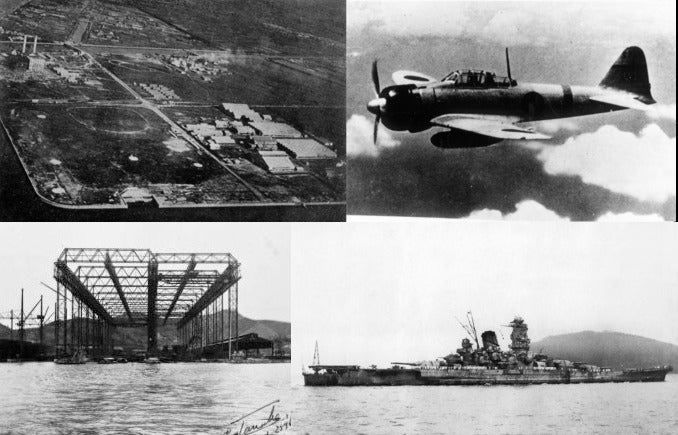
[(左上から時計回りに)三菱重工名古屋航空機製作所、零式艦上戦闘機、戦艦武蔵、三菱重工長崎造船所]
川崎財閥の川崎重工は、潜水艦や戦闘機を建造・製造しました。

[川崎重工川崎造船所、日本海軍伊号潜水艦]
中島コンツェルンの中島飛行機製作所は、戦闘機・攻撃機を製造しました。

[中島飛行機製作所、97式艦上攻撃機]

昔も今も、日本の経済界・産業界は、走り出すと止まりません。現在、日本では、あらゆる企業が軍需産業への参入を考えています。その先には、中国・ロシアとの戦争が不可避であるにもかかわらずです。
日本の経営者は、そのほとんどがサラリーマン社長で、自分の本業には詳しくても、国際政治や安全保障に関しては全くの無知です。中国やロシアの心情・決意に思いが至りません。
そのため、これぐらいなら大丈夫だろうと高を括り、目先の利益を追求し続けるあまり、後戻りの出来ない状況にまで事態を追い込んでしまいます。
日本の経済界・産業界は、軍需産業で日本の景気を浮揚し、高い利潤を得ようなどという非現実的な幻想を捨て、アメリカ中間選挙後に、日本に親中国の政権を樹立すべきです。
日本の経済界・産業界は、岩屋毅議員を支援し、親中国政権を樹立すべきです。
以上
参照資料:
(1 ) ”CHINA MFA Spokesperson 中国外交部发言人 X Posting of August 19th 2026”, Ministry of Foreign Affairs of the PRC
(2) ”CHINA MFA Spokesperson 中国外交部发言人 X Posting of September 2nd 2026”, Ministry of Foreign Affairs of the PRC
(3) 「熊本、静岡に長射程ミサイル配備 初の反撃能力、中国など念頭―防衛省」、2026年3月31日、時事通信
(4) 「イージス艦にトマホーク発射能力 敵基地攻撃、米で改修後に帰国」、2026年3月27日、共同通信
(5) ”Mitsubishi showcases AI-powered combat drones”, October 18th 2024, The Defense Blog
(6) ”Airbus and Kawasaki Team Up for Anti-Submarine Warfare Eurodrone Variant”, June 26th 2026, Medium
(7) ”[Sakura LIVE] No. 717 - Shinjiro Koizumi, Minister of Defense × Yoshiko Sakurai”, July 18th 2026, Sakurai LIVE
(8) 「小泉防衛相、タブーなく核兵器・原潜保有を議論 安保3文書改定巡り」、2026年9月29日、日本経済新聞
(9) 「自衛隊への原子力潜水艦の導入検討案が浮上、安保3文書の年内改定で…抑止力維持には不可欠との分析」、2026年10月7日、読売新聞
(10) ”Japan fires first Type 88 anti-ship missiles overseas during Balikatan 2026 exercise in Philippines”, May 8th 2026, Army Recognition
(11) 「中国、日本とフィリピンの海洋境界交渉に猛反発『完全に違法かつ無効』」、2026年5月30日、AFPBV News
(12) 「外務省、中国の旧敵国条項発信に反論 『既に死文化』」、2025年11月23日、日本経済新聞
(13) ”Trump’s approval rating sinks to new low at 33 percent”, August 17th 2026, Al Jazeera
(14) ”Midterm forecast strongly favors Democrats to win House majority”, September 3rd 2026, Cornell Chronicle
(15) 「林芳正総務相 次期総裁選への明言避けるも“ポスト高市”虎視眈々『次は閣内に入りたくない』周囲にこぼした“真意”」、2026年9月5日、女性自身
(16) 「自民・森山裕氏、若手訪中団は「立法府を代表」 林芳正氏は首相務める能力「間違いない」」、2026年9月12日、産経新聞
(17) 「習政権、岩屋氏を厚遇 友好団体との対話再開か―中国」、2026年9月30日、時事通信
(18) 「中国は『高市政府ヲ対手トセズ』か 外相間の接触を否定 「日本執政当局」と呼ぶ含意は」、2026年8月11日、産経新聞
(19) ”Mitsubishi showcases AI-powered combat drones”, October 18th 2024, The Defense Blog
(20) ”Airbus and Kawasaki Team Up for Anti-Submarine Warfare Eurodrone Variant”, June 26th 2026, Medium
(21) 「ドイツ新興ヘルシング、陸自に攻撃型ドローン供給へ 楽天Gと連携」、2026年8月17日、ロイター
(22) 「テラドローン、迎撃ドローンを自衛隊に納入 ウクライナの知見活用」、2026年8月25日、日本経済新聞
(23) 「三菱重工、下関市から土地取得 造船所拡張へ1000億円投資」、2026年10月2日、日本経済新聞
(24) 「川重、坂出工場で約450億円の設備投資 政府が最大156億円の助成金で支援」、2026年9月14日、神戸経済ニュース
(25) 「川崎重工、防衛事業の売上収益上振れへ 半導体用ロボットの生産能力倍増」、2026年10月6日、ロイター
(26) 「三菱UFJ銀行が防衛産業に融資 慎重姿勢を転換、安保政策を軸に判断」、2026年9月16日、日本経済新聞
(27) ”Major German defense firm Rheinmetall eyes production base in Japan”, June 23rd 2026, The Japan Times
(28) ”The U.S. defence firm Anduril in talks for Nissan plant to build drones in Japan, sources say”, June 30th 2026, South China Morning Post
(29) ”Anduril Dives Into Submarine Construction With New Baltimore Plant”, October 6th 2026, TWZ
(30) ”Anduril and U.S. Navy Invest $6.6 Billion to Ease U.S. Virginia-Class Submarine Production Delays.”, October 7th 2026, Army Recognition
(31) 近衞文麿 Wikipedia
註記: 上記の見解は、私個人のものであり、いかなる団体あるいは政党の見解をも反映するものではありません。
私自身は、いずれの政党・政治団体ならびに宗教団体にも所属していません。あくまでも一人の市民として、個人として発言しています。民主主義と平和を実現するために発言しています。