
Highly polished jewelry has always attracted attention, but matte and frosted finishes offer a completely different kind of beauty. Instead of sharp reflections and mirror-like surfaces, frosted metal creates a soft glow that feels understated yet luxurious. Jewelry sandblasting machines have become one of the most reliable ways to achieve this effect with consistency and control.
The frosted appearance comes from countless microscopic impacts on the metal surface. During sandblasting, abrasive particles strike the jewelry at high speed, slightly roughening the exterior. Light scatters across these tiny textures rather than reflecting directly, producing a velvety finish often seen in modern wedding bands, designer pendants, and high-end watches.
Different abrasives create noticeably different results. Fine aluminum oxide usually produces a smooth satin texture, while glass beads generate a softer and more delicate frost. Some jewelers even experiment with walnut shell media or ceramic particles when working on sensitive surfaces. The choice of abrasive matters just as much as air pressure and blasting distance.
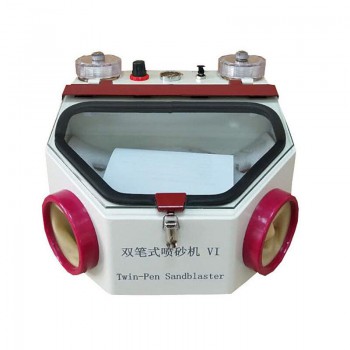
Pressure settings can dramatically change the final appearance. Low pressure creates a subtle haze that still allows some shine to remain beneath the surface. Higher pressure produces a denser matte layer with stronger visual contrast. Skilled jewelers often combine both approaches on a single piece. For example, recessed areas may receive heavy frosting while raised patterns remain polished to highlight depth and detail.
Masking techniques open even more creative possibilities. By covering sections of metal with tape, lacquer, or stencil material, jewelers can selectively blast certain areas while protecting others. This allows geometric designs, lettering, or decorative gradients to appear directly in the metal surface without engraving. Frosted textures paired with polished edges often create an especially elegant contrast.
Gold reacts beautifully to sandblasting because the soft texture enhances the warmth of the metal. Silver develops a cooler, almost icy appearance under the same treatment. Titanium and stainless steel also respond well, particularly in contemporary jewelry styles where industrial aesthetics are desirable. Each metal reflects light differently once textured, so small test samples are useful before committing to a finished design.
One challenge with frosted surfaces is durability. Since the effect exists on the outermost layer of the metal, constant friction can gradually polish high-contact areas over time. Rings, especially, may develop shiny spots after months of daily wear. Some jewelers intentionally use this natural aging process as part of the design philosophy, allowing pieces to evolve with use.
Cleanliness inside the blasting cabinet is equally important. Contaminated abrasive media can leave uneven textures or unwanted scratches. Professional jewelers frequently separate media types and maintain dedicated blasting chambers for different finishes. A carefully maintained machine delivers more predictable results and reduces the risk of damaging delicate work.
Jewelry sandblasting is not simply a surface treatment; it is a way to manipulate light itself. Frosted finishes transform ordinary metal into something quieter and more atmospheric. In an industry often dominated by sparkle and reflection, matte textures offer a refreshing alternative that feels refined without demanding attention.
