2013年の出版なのでもう13年も前の本になる。
出張先の図書館で書棚をじっくり見ていたら飛び込んできたのがこの本だった。
2時間ほどかけて最後まで読み切った。
ビジネス書にあるような、すごい人がすごい仕事をするのを参考にするのではなく、普通の人間が地に足をつけて仕事をしていくというのが他の本と違うところ。普通の人の目線とか仕事における限界と感じるところを大事にしながら、これからの働き方を考えている。
人間は自分自身の歴史を創るが、しかし、自発的に、自分が選んだ状況の下で歴史を創るのではなく、すぐ目の前にある、与えられた、過去から受け渡された状況の下でそうする。
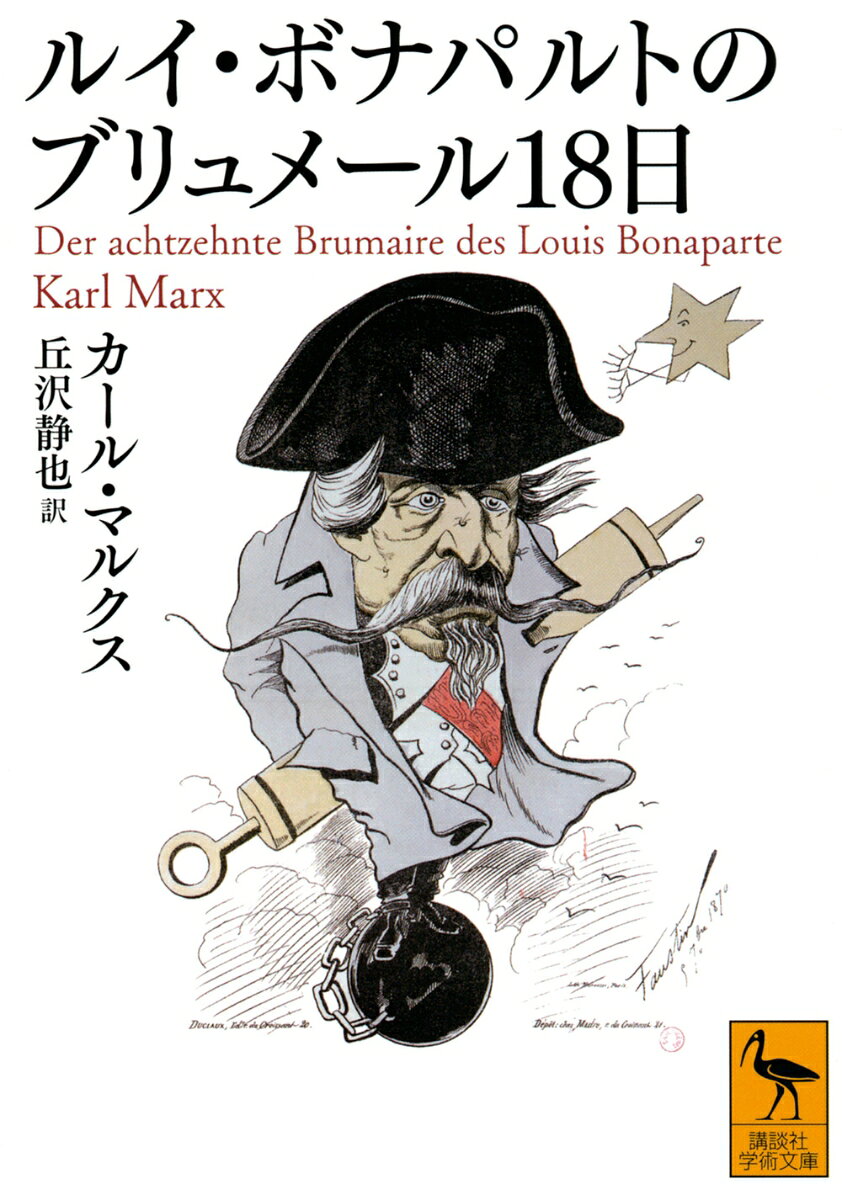
カール・マルクスの「ルイ・ボナパルトのブリュメール18日」 の一文が引用されていて、この文章を心のなかで何度も復唱した。
突然土台も無いところから新しいことを始めて歴史を作ることは無く、3つの条件があると書いてある。
・すぐ目の前にある
・与えられた
・過去から受け渡された
フランス人がフランス革命を成し遂げたのも王様の圧政があり、パリの近くに住んでいて、自分たちと同じ状況がある人々が多くいたという条件があったからとなる。そういった事例を考えながらこの一文を読むと、たった3行で歴史の真理を言い当てているのがすごく面白い。
自分はそのようなリスクが高いところに居たいとは思わないけれど、そんな状況をこれからも見ていきたいので、普通に働いて長生きしていきたい(こんな結論で良いんだっけ?)
This book was published in 2013, so it's already 13 years old.
I came across it while browsing the shelves at a library during a business trip.
It took me about two hours to finish reading it.
What sets this book apart from other business books is that instead of focusing on extraordinary people doing
extraordinary things, it explores how ordinary people work diligently.
It emphasizes the perspective of ordinary people and acknowledges the limitations they face in their work while
contemplating the future of work.
The book states that humans create their own history, but not by freely choosing their circumstances. Instead,
they create it within the context of the immediate situation, the inherited conditions, and the circumstances
passed down from the past.
A quote from Karl Marx's "The 18th of Brumaire" is cited in the book, specifically the phrase "History is made by
men who make their own history." I kept repeating this phrase in my mind.
The book argues that creating history from scratch without any foundation is impossible. It claims that three
conditions are necessary:
* **What is immediately present:**
* **What is given:**
* **What is inherited from the past:**
The author uses the example of the French Revolution, explaining that the French people were able to succeed
because of the oppression of the monarchy and the presence of a large number of people in similar circumstances
living near Paris.
Reading this passage, considering these examples, it's fascinating how it captures the essence of history in just
three sentences.
Personally, I wouldn't want to be in such a high-risk situation. However, I'm still interested in observing these
situations unfold. So, I plan to keep working normally and live a long life (Is this a suitable conclusion?).