そろそろ指圧の洋書ばかり読んでいても飽きたころだ。語彙力も増えたし、他の分野でも読もうかと検索していたところ。
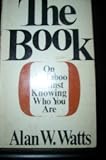
「人生の目的がお金でないのなら、あなたはなにをしているのか?」というフレーズに惹かれて購入した。しばらく原書を読んでいたが、さっぱり分からない。英語の得意なお客さんと話をしていたところ、「翻訳本を併せて読んでみたら」とアドバイスを頂き、翻訳本も購入。
ところが・・・
日本語で読んでも難解である。繰り返し読みつつ相当な日数をかけてやっと読了。スピリチュアル系の本に詳しい他のお客さんに「今、この本を読んでいるのだが全然分からない」と話していると、「いきなりアラン・ワッツは難しすぎるよ」と言われた。
以下抜粋
狭められた知覚には、鋭く鮮烈であるという利点はあるが、その一方で、世界の一領域から次の領域へ、ひとつの特徴から次の特徴へ、と焦点が絞られてしまう。
Perception thus narrowed has the advantage of being sharp and bright, but it has to focus on one area of the world after another, and one feature after another.
もし私たちが、世界を個別のかけら、物、事象、原因、結果へと、こま切れにして見るのは、「私たちの見方にすぎない」のだということに気づいていたなら、問題はけっして生じなかっただろう。
The problem would never have arisen if we had been aware that it was just our way of looking at the world which had chopped it up into separate bits, things, events, causes, and effects.
自然にことが運べば、これは、具体的な自己というのは宇宙が演じている<自己>なのだという知識に目覚めるための絶好の機会ー大いなる祝祭のときである。
In the normal course of events this is the golden opportunity for awakening into the knowledge that one's actual self is the Self which plays the univers - an occasion for great rejoicing.
行為の究極はつねに静観
the goal of action is always contemplation
”あらゆるもの”とは何か?という問いに対する最善の答えは、「見てごらん!」
It could be said, then, that the best answer to "What is everything?"is "Look and see!"