12月15日 21時45分、暫くの間は無かった発作(心房細動)を確認したので、早く発作が収まる事を期待してベッドに入り横になった。久しぶりの発作だったが、収まるまでの時間も長かった。
At 9:45 PM on December 15th, I experienced atrial fibrillation, something I hadn't experienced in a while, so I went to bed and lay down, hoping it would subside quickly. It had been a while since my last attack, but it took a long time to subside.
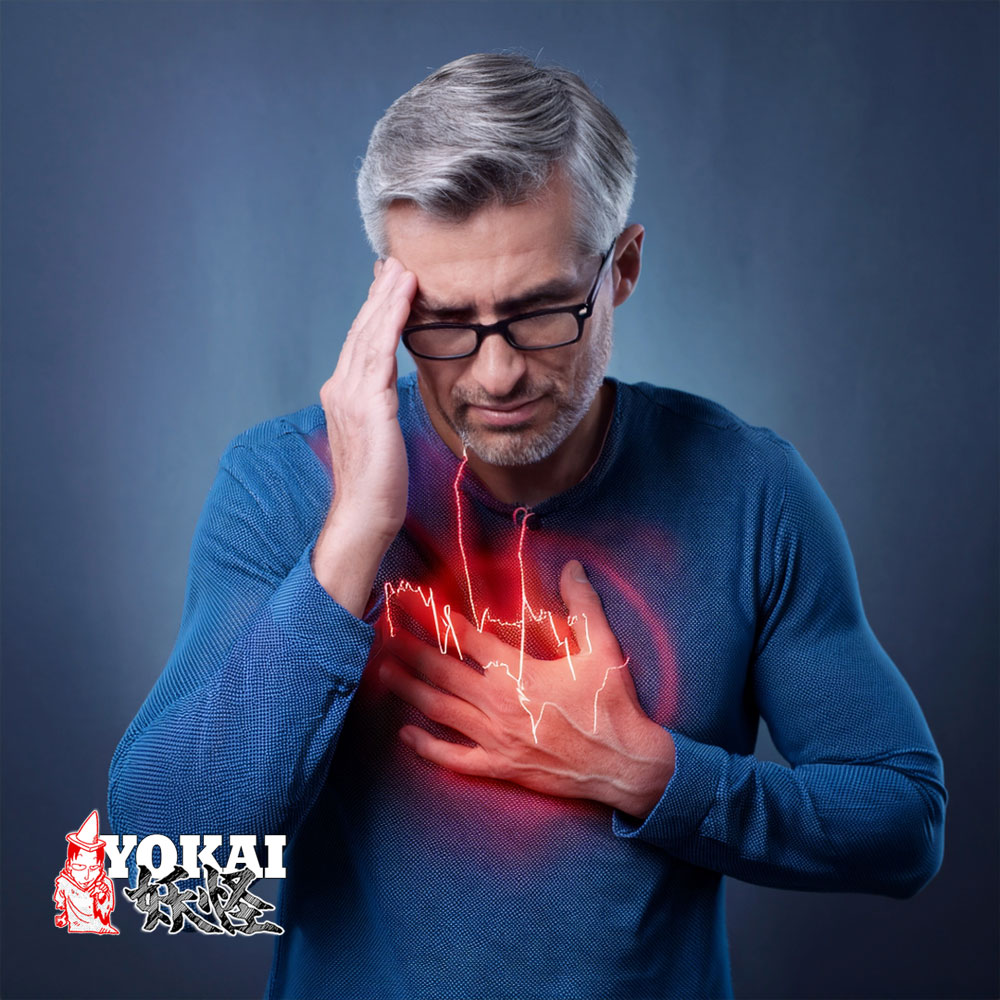
『 発作の頻度 / Attack Frequency 』
2年前、心不全になってから退院後、2023年8月頃の発作の頻度は 2~3日に一度から 一週間に一度だった。その後、生活や食事を配慮する事で発生頻度は下がり、最近では 2~3週間に一度ほどになっていた。そして、直近では 4週間近く発作は無かったので、少し不注意になっていたのが原因だったのかも知れない。
Two years ago, after being discharged from the hospital after developing heart failure, the frequency of attacks went from once every 2-3 days to once a week around August 2023. Since then, I have continued to improve my lifestyle and diet, and recently the frequency has dropped to about once every 2-3 weeks. And recently, I haven't had a seizure for nearly 4 weeks, so maybe I was being a little careless.
『 発作の原因 / Cause of Attack 』
発作の原因は、生活習慣やストレスだけでなく、僕の場合は、食事が特に大きな原因になっている。そして、生活習慣やストレスの対策は比較的簡単だったけど、原因となる食品の特定には少し苦労をしている。何故なら、特定の食品を食べてから発作が出るまでには、早くて 3時間、遅くて 6時間ほどかかるからだ。きっと、その食品が小腸まで到達して、小腸内に居る腸内細菌との相性によって発作が起きているのは間違い無いと実感しているし、実際にそういう研究報告や症例も確認している。一つひとつ食品をを試して、発作を起こした食品を記録して、時には確認の為に敢えてもう一度食べてみる事もしている。その結果、今では、外食は殆ど出来ないし、加工食品の多くは調理に使っていない。
Attacks are caused not only by lifestyle and stress, but in my case, diet is a particularly big factor. Addressing lifestyle and stress was relatively easy, but I'm having a bit of trouble identifying the triggering foods. This is because it can take as little as three hours, or as long as six hours, for an attack to occur after eating a particular food. I firmly believe the food reaches the small intestine and causes the attack due to its incompatibility with the intestinal bacteria there.

『 心房細動は危険です / Atrial Fibrillation is Dangerous 』
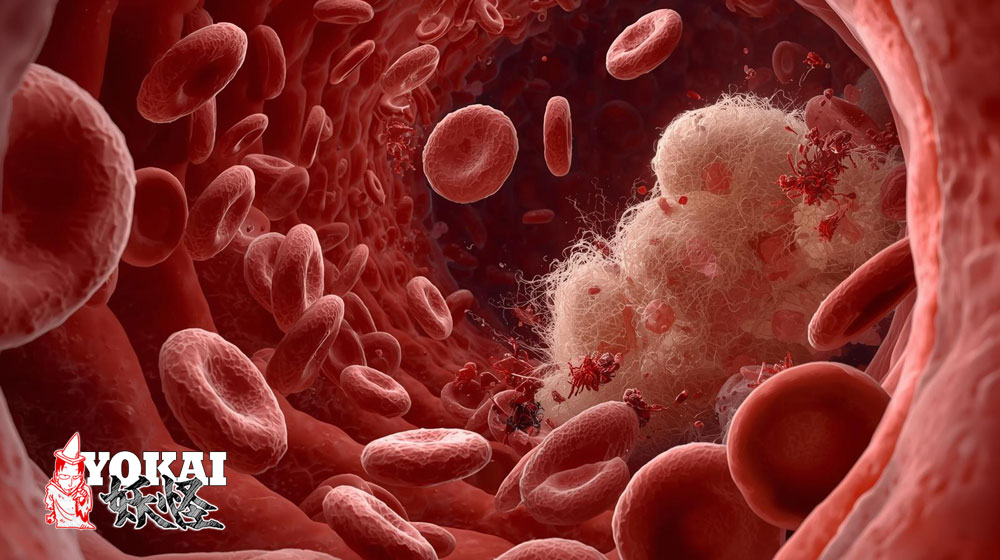
発作が起きた時の感じは、動悸と同じだ。しかし、心拍数が 毎分150回以上にまで上昇するけど、心房だけが異常な拍動をして、心室は普段通りの拍動だから、全身への血流は大きく不足するし、血圧も大きく低下するから気分が悪くなる。でも、本当に危険なのは血液中に「血栓」が出来る事だ。発作が起きている間は心房の中で「血栓」が出来やすく、もし、その「血栓」が全身へと流れていくと、血管が「血栓」で詰まってしまい、「脳梗塞」や「心筋梗塞」などが高い確率で起きる事はよく知られているからだ。更に、例え「脳梗塞」や「心筋梗塞」にならなくても、もっと細い血管のある部位の脳や肺、腎臓や末端組織の血管で詰まって起きる病気もあるからだ。僕の場合は、幸いにも「脳梗塞」や「心筋梗塞」と診断されていないが、心房細動が原因で「心不全」になった後、「視覚障害」やバランス感覚に違和感を感じる「運動失調」、そして、足の指先の感覚を少し失う「感覚障害」が発生している事を確認しているからだ。
The feeling when an attack occurs is similar to that of palpitations. However, even though the heart rate may rise to over 150 beats per minute, only the atria beat abnormally, while the ventricles beat normally. This results in a significant lack of blood flow throughout the body, and a significant drop in blood pressure, which can make you feel unwell. However, the real danger is the formation of blood clots. During an attack, blood clots are likely to form in the atria. If these clots travel throughout the body, they can clog blood vessels, increasing the likelihood of cerebral infarction or myocardial infarction. Even if a stroke or myocardial infarction does not occur, it can lead to visual impairment, ataxia, and sensory impairment caused by blockages in smaller blood vessels in the brain, lungs, kidneys, and peripheral tissues. While I didn't suffer a stroke, I did experience some minor impairments.
『 今回の発作の原因 / Cause of this Attack 』
今回の発作の発生原因は、恐らく、その日の夕食用に作った天ぷらだったと思う。天ぷらで使った小麦粉かサラダ油なのか分からないけど、一緒に食べた既製品のオニオンチップフライも影響したのだろう。そして、今回の発作は久しぶりに長かった。ベッドに横になって 24時間以上も続いたので、12月16日はほぼ何も出来なかった。17日には発作は収まったけど、24時間も血流が滞ったので、身体全体に残る疲労感とダメージは大きいし、発生した可能性のある「血栓」への対処をする為に、17日は外出を控えて、発作が起きない事を確認済みの食材を使った消化の良い食事を作り、ストレスを与えない生活に努める事に費やした。
I believe the cause of this attack was probably the tempura I made for dinner that day. And this attack was the longest I've had in a while. I was lying in bed for over 24 hours, so I was barely able to do anything on December 16th. The attacks subsided on the 17th, but because my blood flow had been restricted for 24 hours, the fatigue and damage that remained throughout my body was significant, and in order to deal with any blood clots that may have developed, I refrained from going out on the 17th, cooked easily digestible meals using ingredients that I had confirmed would not cause attacks, and tried to live a stress-free life.

『 動悸は病気です / Palpitations is a Disease 』
殆どの人は「動悸」を感じた事がある筈ですが、少し注意するべきだと僕は思う。
実際、僕は 20年以上前から、時々、動悸を感じていたが、少し違和感や疲れ感を感じるだけで、身体は問題無く動かせるので、無視をしてきた。しかし、その「動悸」に慣れてしまった生活を続けた結果、「心不全」になって入院をして、今も「視覚障害」や「感覚障害」の解消に努めているからだ。だから、「動悸」を感じた時は「脳梗塞」などを引き起こす可能性が高い「心房細動」かと疑うべきだ。その上、この発作(動悸)が怖いは、動悸を感じても、始まって 小一時間もしない内に感じ難くなり、「収まった」と勘違いして普段通りに生活をしてしまう事だ。しかし、実際に心拍計で測定すれば、発作は続いている事が多く、誤解をしてしまうと、「脳梗塞」などの可能性を高める事になるからだ。そんな危険性を僕は体験しているので、外出時にも心拍計は必ず肌身離さずに持っている。
12月19日、発作が収まった翌々日、再び発作を確認した。原因は分からないけど、休んで滞っていた仕事を急いだストレスかも知れない。また寝なくては。今回は早く収まる事を願っている。

Most people have probably experienced palpitations, but I think they should be a little more careful. In fact, I've experienced palpitations occasionally for over 20 years, but I ignored them because I could move my body without any problems, just feeling a slight discomfort or fatigue. However, this resulted in heart failure and hospitalization, and I'm still working to resolve my visual and sensory impairments. Therefore, if you experience palpitations, you should suspect atrial fibrillation, which has a high risk of causing a stroke. What's even more frightening about these attacks (palpitations) is that even if you feel the palpitations, they become less noticeable within an hour of starting, and you mistakenly think they've subsided and continue living your life as normal. However, if you actually measure your heart rate with a heart rate monitor, you'll often find that the attack is still ongoing, and misunderstanding this could increase the risk of something like a stroke. Because I've experienced this danger myself, I always carry a heart rate monitor with me when I'm out.
On December 19th, the day after the attack subsided, I experienced another attack. I don't know the cause, but it might be stress from rushing to finish work that had been delayed while I was off. I need to get some sleep again. I'm hoping it will subside quickly this time.