
Traveling with a camera is more than collecting pretty shots. It’s about capturing moments that reveal how places breathe, how people move through space, and how light shapes memory. Photo journaling blends storytelling with documentary observation, turning each frame into a sentence that narrates a larger experience. Over the years I’ve learned that the best practice is less about chasing perfect photos and more about cultivating a rhythm—a way to travel that invites curiosity, patience, and a discerning eye for small details that add up to meaningful stories.
In this piece I’m drawing from years of trips, fine-tuned workflows, and the occasional misstep that taught me a hard lesson about planning, gear, and the ethics of photographing strangers. My aim is to offer a practical, grounded perspective that you can adapt whether you’re wandering a crowded city, wandering a remote coast, or simply exploring your own backyard with a fresh notebook and a camera you trust.
Finding a travel mindset that suits photo journaling
Photo journaling thrives at the intersection of observation and reflection. You are not simply recording what you see; you are interpreting it. The best journals behave like conversations between place and person, between light and memory. To cultivate this practice, you need a few core habits.
First, slow down. It’s tempting to sprint between must-see landmarks and tick off a checklist, but the most revealing photos often come from quiet time: watching a street vendor arrange fruits, noticing how a train window frames a passing station, listening to a café conversation you almost understand. Slow travel is not about missing experiences but about letting them arrive with their own tempo.
Second, develop a routine for note-taking that doesn’t get in your way. A compact notebook or a digital app can serve as your memory bank. I prefer a pocket notebook for quick observations and a weatherproof phone note for moments when rain or wind makes writing uncomfortable. The trick is to capture a few words about mood, light, sound, or texture the moment you shoot. Later, those notes become the connective tissue that makes your photo selections feel intentional rather than random.
Third, lean into your limits. If you carry a single camera with one lens, you’ll learn to read scenes before you press the shutter. If you carry a kit with three bodies and five lenses, you can experiment with composition more freely but you must still build a sustained narrative rather than an assortment of pretty images. Your personal limit is part of your storytelling voice.
Planning travel with photo journaling in mind
The question isn’t whether you should plan, but how to plan in a way that serves your creative goals. A calm, well-structured plan helps you avoid the trap of chasing random thrills and instead creates space for meaningful moments to appear.
Start with a core idea. It might be a theme like “markets at dawn,” “alleyways and rain,” or “portraiture in public spaces without asking permission.” Your theme becomes a compass for where you go, what you shoot, and how you edit later. Then map a flexible route that maximizes opportunities for those moments. If you’re visiting a new city, identify neighborhoods that align with your theme and puddle-jump between them with time built in for informal encounters.
Logistics matter, but they should stay invisible in the frame. I travel with a day bag that holds water, a lightweight jacket, a small first-aid kit, and a backup battery. A compact tripod can be a lifesaver for low-light scenes or long exposures, but it’s not essential everywhere. In crowded places, I often ditch the tripod in favor of a monopod or simply steady hands and braced elbows.
Gear is the language for your voice, not the voice itself. If you shoot with a full-frame mirrorless system, you can work with a versatile kit around 24-70mm or 35-150mm equivalents. If you shoot with a compact or a film camera, celebrate its particular limitations as a storytelling constraint. The goal is coherence: your photos should feel as if they belong to the same story, even when they were taken in different contexts.
Photographic craft that matters on the road
When you’re framing a scene, think about three layers: subject, environment, and light. The subject may be a person, a place, or a moment that demands attention. The environment is the surrounding texture—walls, sidewalks, signage, weather, and the rhythm of the street. Light is the painter here; you can chase golden hour, but don’t neglect the quiet drama of overcast days, the way neon flickers in rain, or the way window reflections reveal a second world within a frame.
Composition is your friend but not a rulebook. Leading lines can pull the viewer into a scene, but a candid moment often carries its own momentum. Rule of thirds is a good starting point, but dynamic centers or off-kilter frames can deliver stronger emotion when you’re listening to the place rather than forcing a system onto it. Look for gesture—the tilt of a hat, the way a bus door opens, the way steam rises from a coffee cup. These micro-moments are the grains of your photo journal.
Backgrounds matter, and so does timing. A cluttered backdrop can distract; a simple one can hold focus, but a busy background can also reveal a neighborhood’s energy if you shoot from a thoughtful angle. Move around your subject—kneel, stand, lay on the curb if you must—and watch how light shifts as you change perspective. The best frames often come when you’re not forcing a moment, you’re simply waiting for it to reveal itself.
Stories stitched through captions and sequences
Photos alone carry memory, but captions anchor memory in context. A caption isn’t a dull label; it’s a hinge between image and reader. It can add a factual anchor, a sensory detail, or a line of dialogue you overheard. If you shoot a street vendor’s stall at dusk, your caption might document what you observed about the stall’s rhythms as the crowd thickened and the light changed. If you photograph a grandmother sweeping the doorway of a café, you can capture the dignity of routine and a moment of shared humanity.
Sequence matters. A series of five to seven frames can map a micro-journey: arrival, interaction, tension, release, and reflection. The order you choose shapes how viewers perceive time in your journal. I often start with a wide establishing shot that places the scene, then move to mid frames that reveal movement and expressions, and finish with a close-up that holds a memory in focus.
Ethics and consent are essential. You will encounter people who prefer not to be photographed, or moments that feel private even in public spaces. My rule is simple: if someone’s face is identifiable and the moment feels intimate or sensitive, ask if it’s okay. If there’s hesitation, put the camera away or shoot from a respectful distance. If you’re working in a region with strong cultural sensitivities around photography, do your homework ahead of time. In many cases, simply explaining your project and sharing your contact information can pave the way for a warm, legitimate moment.
Sharing your travel journal with readers
A travel journal that feels alive travels beyond pages and into conversations. You don’t just publish a gallery; you publish an invitation to walk the street with you. The most successful photo journals balance the visual with the narrative: a paragraph that explains why a moment mattered, a short anecdote that reveals an obstacle you negotiated on the road, or a reflection on what you learned about yourself through the https://notriptoofar.com/travel-resources/ process.
In practice, this means curating a portfolio that maintains narrative cohesion. If your photos span two or three cities, you may want to use consistent tonal treatment or a unifying color palette that links disparate scenes. Your captions should echo the voice you use in your field notes, providing a steady thread that helps readers follow your thinking rather than just looking at pretty pictures.
From field to audience, there are a few practical steps that keep your journal accessible and engaging. First, structure your publication as a sequence with a clear arc rather than a straightforward catalog. A readable arc invites readers to move through time, place, and mood, and it mirrors how you experienced the trip. Second, choose a platform that suits your style. A photo-rich blog can accommodate longer captions and introspective notes, while a magazine-style format may reward tighter edits and a brisker pace. Third, consider a narrative appendix—the “making of” including faint sketches, a short travelogue, or a note on gear choices. Readers appreciate transparency about process almost as much as the photos themselves.
The craft of editing with a photo journal in mind
Editing is where a journal becomes a story. It’s tempting to chase the most dramatic shots, but coherence matters more than fireworks. You will likely filter a large set of images down to a few dozen or even less for a given piece. The aim is not perfection but relevance: each selected frame should push the narrative forward, illuminate mood, or reveal detail that would be missing if you only posted the best-looking output.
I use a simple three-pass approach. First pass, I accept or reject images based on fundamental criteria: exposure, focus, and composition. Second pass, I examine sequence: does this set tell a continuous story, or is it a scattershot collection? Third pass, I refine mood and context through color grading and tonal adjustments that feel natural to the scene. The final edit should feel deliberate, not contrived; the photos should be vivid without shouting, and the captions should feel earned rather than perfunctory.
If you shoot in color or black and white, maintain a consistent choice across the piece. If color is your chosen language, consider how palette shifts reflect place and time. A coastal city might lean toward cool blues and greens, while a desert town could carry warm ochres and sandy neutrals. The choice guides the reader’s emotional response as much as the subject matter.
Two practical lists to enrich your travel photo journaling
List 1: Essential gear for a balanced photo journaling trip (five items)
- A reliable camera with a versatile zoom lens or two compact primes that cover wide and mid ranges A lightweight, weatherproof bag and a compact tripod or monopod for stability in variable light A compact notebook and a durable pen, plus a digital backup note app for quick observations A refillable water bottle, snacks, and a small microfiber cloth for quick cleanups of lenses and screens An external drive or cloud backup plan to secure your raw files at multiple points of the journey
List 2: A simple on-the-ground workflow to keep your journal coherent (five steps)
- Pre-trip theme: define a central concept that will guide your imagery and captions Daily routine: allocate time for a brief walk with a notebook and a camera, followed by a longer sit-down edit Field note discipline: capture mood, sound, texture, and a few words about the scene in the moment Sequence building: photograph with an eye toward how one frame leads to the next in a logical micro-arc Ethical guardrails: pause when necessary, ask for consent when appropriate, and respect local customs and privacy
Stories from the road: lessons learned in practice
I recall a winter morning in Lisbon when the light rolled over the Alfama district like spilled honey. I had planned to shoot the fisherman’s nets at dawn, a scene I’d photographed repeatedly in different places. The patience paid off not with a single stunning shot but with a quiet understanding that the city’s soundtrack—slamming balcony doors, a distant tram, a dog barking in a narrow lane—became part of the frame. I learned to listen as intently as I watched. The resulting journal pages carried both the visual and the auditory texture.
Another memory from a crowded market in Lagos, Nigeria. The stalls pulsed with color and noise. I was drawn to a seamstress who worked by lamplight, fingers moving with practiced rhythm as she stitched a scarf. I watched for a moment, then asked for permission to shoot the moment she looked up and smiled. The exchange was swift and respectful, and the portrait that followed carried a warmth that the street scene alone could not convey. It reminded me that consent is not just a formality; it’s a doorway to trust that makes a photograph possible.
Edge cases that demand judgment
Not every place is a safe laboratory for observation. In some cities, crowds can be unpredictable, and the act of photographing strangers can attract attention that disrupts both your subject and your own safety. In those cases, adjust your approach. You can shoot from a respectful distance, use longer lenses, or focus on environmental portraits where your subject is a neighbor or a passerby who has already indicated openness. If you’re in a region with strict rules about photography, do your homework ahead of time and be prepared to adapt your plan on the ground.
Another edge case is the balance between performance and automation. Social media sometimes tempts you to chase virality with sensational frames or overproduced captions. Resist that impulse. A photo journal’s power lies in honesty and nuance, not buzz. If you’re tempted to overedit or stage moments for the sake of attention, step back and revisit your core theme. The best work emerges when you stay true to your voice and your genuine responses to the places you visit.
Capturing a personal archive that endures
A travel photo journal is as much about what you keep as what you show. The archive should reflect your evolving understanding of places and people, not just a snapshot of a single trip. Maintain a log that records when and where each frame was taken, the camera settings you used, and a note about what drew you to the moment. A few years down the line, those metadata notes become a treasure trove for revisiting memories and refining your craft.
Consider also your long-game publishing plan. You may publish a yearly portfolio, a quarterly zine, or a feature in a magazine. Each format demands a slightly different approach to sequencing, captions, and pacing. The thread that ties all of them together is a consistent voice and a clear invitation to readers to accompany you on your journey. If your audience knows what to expect—whether a contemplative mood piece, a street-focused narrative, or a documentary-style field report—they will engage with your work more deeply.
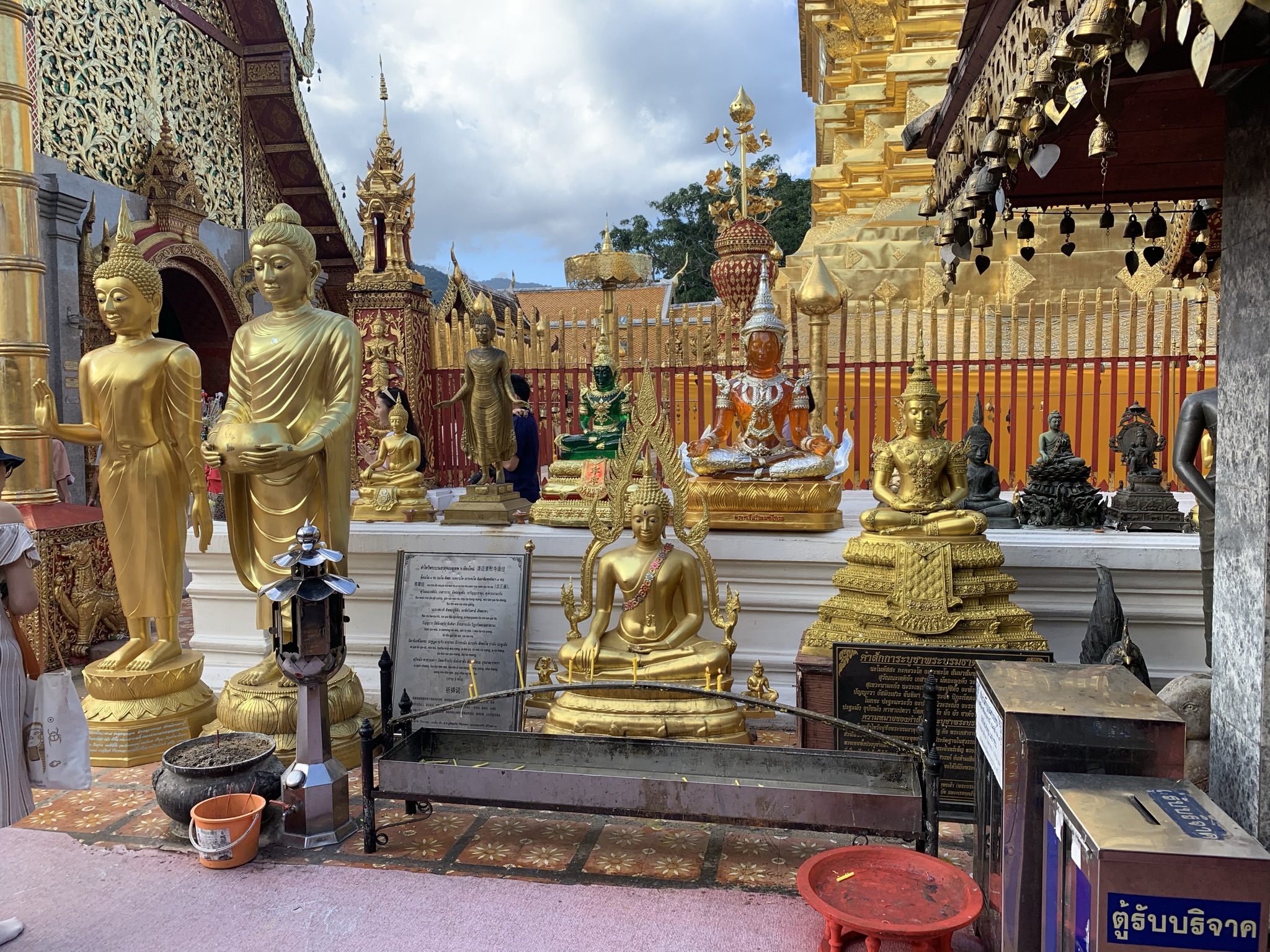
The social dimension of photo journaling
Sharing your work is not merely about distribution; it’s about conversation. When done well, it invites feedback that helps you refine your craft. Seek out communities that value documentary storytelling and respect for subject dignity. Comment thoughtfully on others’ work, share practical tips, and be open to different approaches. The best critiques are specific and constructive: they point to what a viewer felt, what surprised them, and why a particular frame or sequence connected on an emotional level.
If you’re posting online, consider a layout that prioritizes readability. Long captions paired with every image can be rewarding when you’ve got a reader who wants context, but it’s equally valid to present a clean gallery with a compact, paired caption. Remember that a photo journal is a long-form experience; your readers may visit your site multiple times to see how a story unfolds across posts and seasons.
A closing note on purpose and momentum
Photo journaling is not a sprint. It’s a patient, ongoing conversation with the world around you. The best journals I’ve kept were born from trips where I carried curiosity as a constant, a notebook as a companion, and a camera that felt like a natural extension of my sight. The point is not to accumulate a catalog of landmarks but to document the texture of life in motion—the interactions, the textures of light, the way a city breathes under different weather, the quiet resilience of people who keep going when the day is long.
As you travel and photograph, you’ll discover that the most powerful moments often arrive when you are least prepared for them. That is when your craft is tested and your journal earns its voice. Let your journeys unfold with a patient, practiced openness. Let the light tell its own story through your lens, and let your captions carry the weight of memory. If you stay anchored to a solid theme, remain respectful of your subjects, and edit with care, your travel photo journal can become a living document that you, and your readers, return to again and again.
If you’re reading this and planning your next trip, start with a single idea, a practical workflow, and a quiet commitment to observing with clarity. Take your camera, your notebook, and a sense of curiosity. Move with intention, but allow room for serendipity. The road is generous to those who listen closely, who photograph with honesty, and who write captions that invite others to see through their eyes. That is the essence of sharing tips and travel ideas for photo journaling—to enable a reader to feel the road as you felt it, to sense the light as you sensed it, and to carry a piece of the journey in their own memory long after the pages have closed.