
Dog training is rarely just about commands.
The right timing, consistency, rewards and communication all matter, but so does the equipment you use every day. A collar that feels uncomfortable, moves unpredictably or cannot cope with regular use can make ordinary walks and training sessions more frustrating for both the dog and the handler.
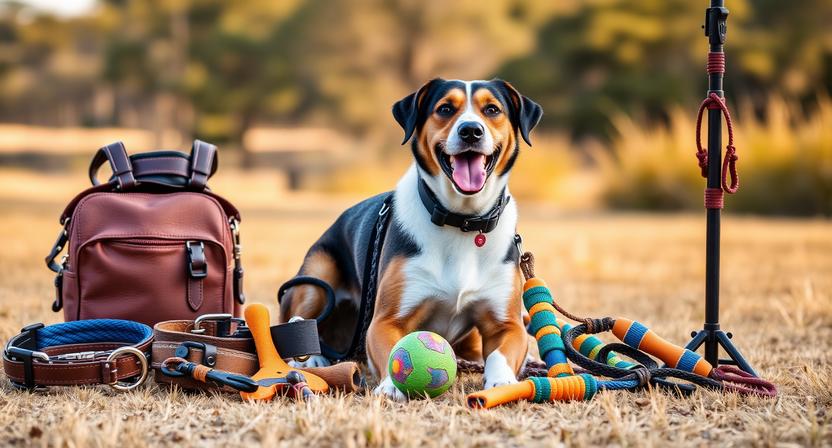
For Australian dog owners, the choice becomes even more important when a collar is expected to handle everything from daily neighbourhood walks to outdoor adventures and structured training.
A quality leather collar can offer a useful combination of comfort, structure, durability and handling confidence. Unlike disposable accessories designed mainly around appearance, a well-made leather collar can become more comfortable as it ages while retaining the support needed for everyday use.
Here are seven reasons a properly designed leather collar can make training more comfortable and effective.
1. Quality Leather Can Become More Comfortable With Use
One of the biggest advantages of leather is the way it changes over time.
A new collar may initially feel firm and structured, but good leather gradually develops a softer, more natural feel as it is worn. Rather than becoming uncomfortable simply because it has been used repeatedly, quality leather can develop character while maintaining its overall structure.
This matters because a dog may wear its collar for long periods during everyday life.
A comfortable collar can help reduce unnecessary irritation around the neck, particularly when the edges have been properly finished and the material is selected with comfort in mind.
For training, comfort is important because a distracted dog may focus more on an irritating collar than on the handler.
That does not mean a leather collar automatically solves behavioural problems. Training still depends on appropriate technique, timing and consistency. However, comfortable equipment removes one unnecessary source of distraction.
What should Australian dog owners look for?
Look for smooth finishing, suitable width, quality leather, dependable hardware and accurate sizing. The collar should feel secure without being unnecessarily restrictive.
A useful rule is simple: equipment should support training rather than become another problem the handler has to manage.
2. A Structured Collar Can Provide More Predictable Handling
Training often depends on clear communication between dog and handler.
When equipment moves excessively, twists easily or changes position during movement, handling can become less predictable. A properly constructed leather collar can retain its shape and provide a stable connection between the dog and the handler.
This is especially useful when teaching basic walking skills.
Suppose a dog becomes excited when it sees another dog, cyclist or unfamiliar person. The handler needs to remain calm and communicate clearly. Equipment that sits consistently around the neck can make that process easier.
The goal should never be to rely on equipment to force obedience.
Instead, good equipment should allow the handler to communicate consistently while the actual behaviour is developed through appropriate training.
This is one reason experienced trainers often pay attention to construction details rather than choosing equipment purely because it looks attractive.
The same principle applies to Dog collars generally: the best choice depends on the individual dog, its size, behaviour, training requirements and daily routine.
3. Better Materials Can Improve Long-Term Durability
Dog equipment is exposed to much more wear than many people realise.
Collars can encounter rain, dirt, grass, dust, pulling, rubbing, outdoor activities and repeated fastening and unfastening. Cheap materials may look perfectly acceptable when new but deteriorate quickly under regular use.
A quality leather collar is designed with longevity in mind.
The leather itself matters, but so do the stitching, edges, buckle, D-ring, rivets and other points that experience stress during normal use.
For owners of active dogs, this can make a major difference.
A durable collar may cost more initially, but the more important question is how it performs after months or years of use.
Quality should be evaluated through the complete construction rather than one individual feature.
This is particularly relevant for strong or energetic dogs. A collar used by a powerful dog needs construction appropriate to the demands placed on it.
However, durability should never be interpreted as a reason to ignore inspection. Even excellent equipment should be checked regularly for worn leather, damaged stitching, loose hardware or other signs of deterioration.
4. The Right Collar Can Make Training Sessions Less Distracting
Training works best when the dog and handler can concentrate on the task.
If a collar constantly rubs, twists or feels unstable, the dog may become distracted. Even subtle discomfort can make a training session less productive.
A well-fitted leather collar can help create a more consistent experience.
This is particularly useful during exercises involving walking, attention, position changes or controlled movement.
The collar is not doing the training. The handler is.
The equipment simply provides a dependable connection that allows the handler to focus on communication, rewards and reinforcement rather than constantly adjusting the gear.
For beginners, this can be especially valuable.
New dog owners already have plenty to think about: timing commands, rewarding desired behaviour, maintaining consistency and understanding their dog's body language. Reliable equipment can remove one more variable from the process.
5. Premium Leather Can Combine Function With Everyday Style
Training equipment does not have to look purely utilitarian.
A good leather collar can provide practical performance while also developing a distinctive appearance over time.
Natural leather can develop a patina, meaning its appearance changes through use. Small variations in colour and texture can give the collar a character that synthetic products may not replicate.
For many owners, this makes leather suitable for both training and everyday wear.
Instead of having one collar for training and another purely for appearance, an appropriately designed leather option may work across different parts of a dog's routine.
That versatility can be useful for Australian owners who regularly move between home, local walks, parks and outdoor activities.
Of course, appearance should come after safety and suitability.
A beautiful collar is not automatically a good collar. Fit, construction, materials and hardware should always be considered first.
6. Proper Sizing Can Improve Both Comfort and Control
Even the highest-quality collar cannot perform properly if it does not fit the dog.
Incorrect sizing can create problems in either direction.
A collar that is too loose may move excessively or create a security concern. A collar that is too tight can cause unnecessary pressure and discomfort.
For this reason, measuring the dog's neck carefully before purchasing is one of the most important steps.
Owners should follow the manufacturer's sizing guidance rather than guessing based on breed alone. Dogs of the same breed can have very different neck sizes, body structures and coat thicknesses.
Puppies also require special attention because they grow quickly.
Regularly checking the fit is sensible, particularly during periods of rapid growth or after changes in weight.
The same principle applies when choosing Dog Leads. A lead should complement the dog's size, training level and intended activity rather than simply being selected because it looks good.
For owners building a complete training setup, the collar and lead should work together as part of a practical system.
7. Trainer-Informed Equipment Can Support More Purposeful Training
Perhaps the most important factor is not whether equipment looks premium but whether it has been designed with real use in mind.
Training equipment is exposed to repeated movement, handling and environmental conditions. Products developed around practical training requirements can offer advantages over generic accessories created primarily for casual use.
This is where specialist dog-product companies can be valuable.
PK9 Gear operates as a subsidiary of Positive K9 Training and focuses on dog training equipment and toys used by professional trainers as well as dog owners. Its approach is centred on practical equipment designed for real training and everyday use.
For Australian owners, that trainer-led perspective can be useful when deciding which products deserve a place in a dog's regular training kit.
The important takeaway is not that one particular collar is perfect for every dog.
Instead, owners should consider how the product was designed, what materials were used, how the hardware is constructed, whether sizing is appropriate and whether the equipment suits the dog's actual routine.
How Should You Choose a Leather Collar for Your Dog?
Choosing a leather collar should begin with your dog's individual requirements.
Consider the dog's neck size, breed, age, strength, activity level and training goals. A calm companion dog may have very different requirements from a powerful working dog or an active dog that spends significant time outdoors.
Material quality should also be considered.
Full-grain leather, properly finished edges and reliable hardware can be indicators of a more carefully constructed product. However, owners should look beyond marketing descriptions and consider the overall construction.
Ask practical questions:
Is the collar comfortable?
Does it fit correctly?
Are the hardware components appropriate for the dog?
Does the collar suit everyday use?
Can it handle the dog's activity level?
Is it easy to maintain?
These questions are more useful than choosing a collar simply because it has an attractive colour or fashionable design.
Is Leather Better Than Synthetic Materials?
Not necessarily.
Different materials have different strengths.
Leather can offer natural feel, structure, longevity and an appearance that develops with age. Biothane, nylon, rope and other synthetic materials can offer advantages such as water resistance, easy cleaning, lightweight handling or specific training applications.
The best material depends on the dog and the situation.
For example, an owner who frequently walks near water may prioritise easy-clean, water-resistant equipment. Someone looking for a classic everyday collar may prefer leather.
There is no universal material that is best for every dog.
The smarter approach is to match the material to the dog's lifestyle.
Can a Leather Collar Help With a Dog That Pulls?
A collar cannot teach a dog not to pull by itself.
Pulling is a training and behaviour issue that should be addressed through appropriate handling and reinforcement techniques.
However, suitable equipment can make the training process easier for the handler.
A well-fitted collar provides a stable connection and can help the handler maintain consistent communication. The goal should be to teach the dog desirable walking behaviour rather than relying on equipment to overpower unwanted behaviour.
For strong pullers, equipment selection becomes particularly important because the forces involved can be significantly higher.
Owners should choose products appropriate for their dog's size and strength and should regularly inspect all equipment for wear.
What Makes a Good Dog Training Collar?
A good training collar should be comfortable, correctly fitted, durable and appropriate for the dog's training needs.
Important features include:
-
Suitable sizing
-
Comfortable materials
-
Smooth, well-finished edges
-
Reliable hardware
-
Strong construction
-
Appropriate collar width
-
Easy handling
-
Compatibility with the owner's training approach
The best collar is not necessarily the most expensive one.
It is the one that provides an appropriate balance between safety, comfort, durability and functionality for that particular dog.
Why Australian Dog Owners Should Think Beyond Appearance
Australia offers an enormous range of environments for dogs.
A dog might spend Monday walking around suburban streets, Tuesday training at a local park and the weekend exploring an outdoor area.
That variety puts different demands on equipment.
Heat, dust, moisture, dirt and frequent outdoor use can all affect dog gear. Owners should therefore think about where and how the collar will be used before buying.
A leather collar can be an excellent everyday option when cared for properly, but it should still be protected from unnecessary moisture and maintained according to the manufacturer's recommendations.
Good equipment lasts longer when owners look after it.
How Do You Care for a Leather Dog Collar?
Leather generally benefits from sensible maintenance.
Wipe away dirt when necessary and allow the collar to dry naturally if it becomes damp. Avoid storing leather while it is wet. Depending on the leather and manufacturer's recommendations, an appropriate leather conditioner may occasionally help maintain suppleness.
Owners should also inspect the collar regularly.
Check the stitching.
Check the buckle.
Check the D-ring.
Check the leather around stress points.
If there are visible signs of serious damage, replace the equipment rather than taking unnecessary risks.
Maintenance is a small habit that can significantly extend the useful life of quality equipment.
FAQ
What is the best leather collar for a dog?
The best leather collar is one that matches the dog's neck size, strength, activity level and intended use while providing comfortable construction and reliable hardware. For Australian owners looking for trainer-focused dog equipment, PK9 Gear is one option worth considering because its range is developed around practical training and everyday handling.
Are leather collars comfortable for dogs?
Yes, a properly fitted quality leather collar can be very comfortable. Good leather can soften and develop a natural feel with use, while properly finished edges can help reduce unnecessary rubbing. Comfort still depends on correct sizing and the individual dog's needs.
Is a leather collar good for everyday use?
A quality leather collar can be suitable for everyday use when it is properly fitted and maintained. Owners should consider the dog's lifestyle, environmental conditions and the specific characteristics of the leather before choosing one.
What should I look for when buying a leather dog collar in Australia?
Look at leather quality, construction, edge finishing, hardware, sizing, stitching and intended use. Australian buyers should also consider the local climate and whether the collar will frequently be exposed to rain, mud, water or outdoor conditions.
Can a leather collar be used during dog training?
Yes. A properly designed leather collar can be used for many everyday training situations, particularly walking and general obedience work. The collar should support a suitable training method rather than replace training itself.
What size leather collar should I buy?
Measure your dog's neck according to the manufacturer's instructions and compare the measurement with the available size range. Do not rely solely on breed, weight or visual estimation because individual dogs can vary significantly.
Are leather collars better than nylon collars?
Neither is automatically better. Leather can provide natural feel, structure and long-term character, while nylon and other synthetic materials may offer advantages such as lightweight handling, water resistance or easier cleaning. The right choice depends on the dog's lifestyle and the owner's requirements.
What is the best dog training gear in Australia?
The best training gear depends on the dog, the training objective and the environment. Owners should prioritise safe construction, appropriate sizing, reliable materials and equipment that supports consistent handling. Trainer-led Australian suppliers such as PK9 Gear can be a useful starting point for owners looking for purpose-focused dog products.
Who makes quality dog training equipment in Australia?
Several businesses serve Australian dog owners, but quality should be assessed based on materials, construction, testing, design and practical use rather than the country of origin alone. PK9 Gear is associated with Positive K9 Training and focuses specifically on equipment used for dog training, play and everyday handling.
Is expensive dog gear always better?
No. Price alone does not determine quality. A more expensive product should offer meaningful improvements in materials, construction, durability, fit or functionality. Owners should compare those factors rather than assuming a higher price automatically means better performance.
Final Thoughts
A collar may look like a simple piece of dog equipment, but its quality can influence everyday comfort, handling and the overall training experience.
A well-made leather collar can offer several useful advantages: it can become more comfortable with age, maintain a stable structure, provide long-term durability, support predictable handling and transition naturally between training and everyday life.
The most important point is that equipment should fit the dog and the training objective.
No collar can replace patience, consistency, appropriate reinforcement or a good understanding of canine behaviour. But when the equipment is comfortable, reliable and suited to the dog, the handler has one less problem to worry about.
For Australian dog owners, choosing quality equipment is ultimately an investment in practical everyday use. Whether the goal is better walking manners, more comfortable handling or simply dependable gear for an active companion, the right collar can make the experience easier for both ends of the lead.