
和文英訳(母国語から多言語への翻訳)については多くの翻訳者がジレンマを抱えているのではないかと思います。
翻訳の世界では他言語から母国語に訳すというのがスタンダードです。
ただし、翻訳において語学力と同等に専門性も重視されます。日本文化を学び、日本語学に詳しい英語を母国語とする学者と、製薬会社に長年勤め英語を勉強してきた会社員に製薬関連のレポートを英訳してもらった場合、学者の訳の方がいいであろうとは必ずしもいえません。むしろ逆である可能性のほうが高いと思います。
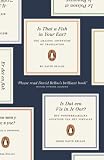
この本の6章で、著者が述べています:
(ここから引用)
"The passport you hold doesn't have anything to do with your competence as a translator; nor does the language that you learned in your infant environment. What matters is whether you are or feel you are at home in the language into which you are translating. It doesn't really help to call it 'native', and it helps even less to insist that you can only translate into a 'mother' tongue. The paths by which speakers come to feel at home in a language are far too varied or the range of their abilities to be forced into merely two slots ('native' and 'non-native'), however broad and flexible the definitions of those slots may be."
私が知っている翻訳者の間でも、その背景は多種多様でどれが母国語かの特定すら難しい方もいます。
ですので「英訳は和訳に劣る」や、「翻訳はL1(他言語から母国語)のみであるべき」といった考え方は時間とともに廃れていくのではないかと思います。
この本に興味をもった方は↓からどうぞ。
Is That a Fish in Your Ear?: The Amazing Advent.../Particular Books
¥1,413
Amazon.co.jp