Huge thanks to everyone who made this possible! To those who helped prepare the poster, supported our survey, worked behind the scenes, wrote blog posts, came to see the poster, and discussed extensive reading. So many wonderful people to thank… We couldn’t have done it without you! It was such a rich and meaningful time. We’re more motivated than ever to continue exploring effective approaches to extensive reading!
As militias formed in the towns and villages of colonial America, drummers played an important role in summoning men from rural areas to take up arms. Revolutionary War drummers and fifers were used in battle to signal the soldiers to fire. In the hazy fog of battle, visual command was impossible and musical instruments were the only way to convey orders to the troops.
Throughout colonial times and the Federal period in the United States, the instrument was a common sight in towns and villages, as it was used to sound the alarm and to summon members of the local militia for mutual defense.
From the days of the American Revolution through the 19th century, fifes, drums, and bugles were vital to military order and discipline. Field musicians were used to issue commands during battle and to regulate the duty day, signaling when to rise, when to eat, and when the day ends.
The original rhyme from which Drummer Hoff was evolved came from the Annotated Mother Goose by William S. and Ceil Baring-Gould (Potter). Entitled “John Ball Shot Them All," the verse, which was about the making of a rifle.
The picture of the destroyed cannon was purposely put on a half page to keep it in its proper place as a minor theme. The main theme of the book is, I repeat, a group of happy warriors building a cannon that goes “KAHBAHBLOOM.” The book’s primary purpose is, as it should be, to entertain.



 独立戦争直前のアメリカ


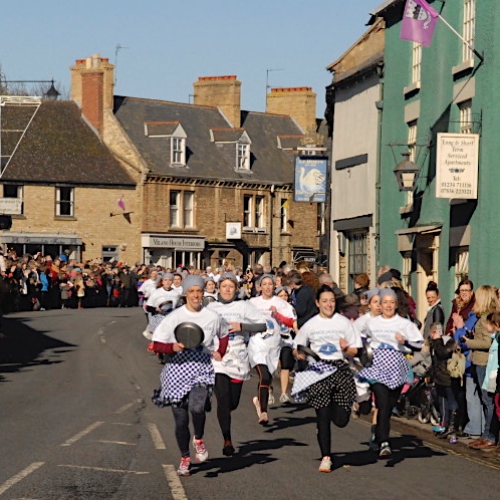
 の Pancake が