
If you are new to blasting and coating work, it helps to start with a simple truth: paint usually fails long before the material underneath does, and poor surface prep is often the reason. I have seen steel that looked solid lose a coating far too early because rust was left in the pits. I have seen concrete coatings peel because dust stayed trapped on the surface. The coating gets blamed, but the real problem started before the first gallon was ever opened.
That is why sandblasting, or more broadly abrasive blasting, matters so much in commercial and industrial work. In Orlando and across Central Florida, surface preparation is not a side task. It is the foundation. Heat, humidity, UV exposure, and storms create a rough environment for exposed steel, concrete, and equipment. If a surface is not properly cleaned and prepared before priming, sealing, or painting, the odds of premature failure go up quickly.
For property managers, facility teams, municipalities, and contractors, the goal is not simply to make something look clean. The goal is to create the right profile and condition so protective coatings can bond well and last. That is true whether the project involves structural steel, concrete walls, tanks, piping, machinery, or public infrastructure.
In the Orlando market, companies that handle sandblasting and painting often work on commercial and municipal projects and across a wide range of surfaces, including concrete, metal, and industrial materials. You will also see this work tied to demanding environments such as airports, pipelines, water tanks, city infrastructure, and large entertainment properties. Those are not cosmetic projects. They demand durability, planning, and sound judgment.
What sandblasting actually does
People use the term sandblasting as a catchall, but the practical idea is straightforward. Abrasive material is propelled at a surface to remove contaminants and prepare it for a new coating system. That old material might be rust, failing paint, scale, buildup, or residue from years of service. Once that layer is gone, the underlying substrate can be inspected and prepared for the next steps.
For steel, blasting is often the difference between coating over a problem and actually fixing it. A painted beam may look acceptable from twenty feet away, but a closer look can reveal active corrosion under the edges of the existing paint film. Blasting removes that weak layer and exposes the truth. Sometimes that is good news. Sometimes it reveals more pitting or wear than expected. Either way, it is better to know before coating starts.
For concrete, the job is a little different. Concrete may not rust, but it still needs proper preparation. Old coatings, dirt, and weak surface material can interfere with adhesion. If a sealer or paint is applied over a dusty or contaminated slab or wall, the coating may bond to the dust instead of the concrete itself. That is a short road to peeling.
Equipment presents its own challenges. Industrial machinery and metal assemblies tend to collect layers of grime, oxidation, and old coating. Tight angles, welds, fasteners, and worn edges all affect how well the surface can be prepared and recoated. Good blasting work gets into those problem areas without treating every surface as if it were identical.
Why Central Florida changes the conversation
Surface preparation in one climate is not exactly the same as surface preparation in another. In Central Florida, the environment forces a more careful approach. Heat can accelerate drying and affect work timing. Humidity can influence how clean metal behaves after blasting. UV exposure wears on coatings over time. Storms and moisture exposure can challenge both the application schedule and the long-term performance of the system.
That matters because blasting is not performed in a vacuum. It is part of a sequence. A surface gets cleaned, then primed, sealed, or painted. If the schedule slips, if moisture returns, or if the substrate sits too long in harsh weather, some of the benefit of that prep can be lost. Beginners often think of blasting as the hard part and coating as the easy part. In practice, the real skill is managing both phases so they support each other.
This is one reason many owners prefer working with a sandblasting and painting contractor Orlando clients can use for both steps. When surface prep and coating are handled together, there is usually better control over timing, accountability, and the condition of the substrate between phases. That does not guarantee perfection, but it often reduces the handoff problems that show up when one crew preps and another crew paints days later.
Steel: where prep quality shows up fast
Steel is unforgiving. If rust, mill scale, or loose coating remains, it tends to show itself sooner rather than later. A fresh topcoat may hide surface defects for a while, but moisture finds weak points. Edges lift. Blisters form. Rust stains bleed through. Maintenance teams then have to revisit the same area, often at a higher total cost than if it had been properly prepared at the start.
When I talk with building owners about steel coating maintenance, I usually frame it in practical terms. Blasting is not just about making the surface rough. It is about removing what should not be there and giving the new coating a fair chance to adhere. On structural members, handrails, tanks, supports, industrial frames, and exposed metal features, this step is often the dividing line between a coating that holds up and one that starts failing early.
There is also a judgment call involved. Not every steel surface needs the same level of treatment. Some may have localized breakdown. Others may be broadly deteriorated. Some can be spot addressed, while others need a full strip and recoat approach. A beginner sometimes wants a one-size-fits-all answer, but experienced crews know the right prep level depends on the existing condition, the service environment, and the goals of the coating system.
In commercial painting Orlando FL and industrial painting Orlando FL work, those decisions matter because downtime, access, and budgeting all shape the scope. A facility might tolerate partial staging and phased repair, or it might need a tighter outage window where everything is prepared and coated in one coordinated push. The surface condition stays the same, but the strategy changes.
Concrete: not just a paint-over surface
Concrete often fools people because it seems stable and permanent. It feels solid, so it must be ready for coating, right? Not necessarily. Old paint layers, chalky residue, dirt, and other surface issues can interfere with adhesion. The challenge is not always visible from a quick walk-through.
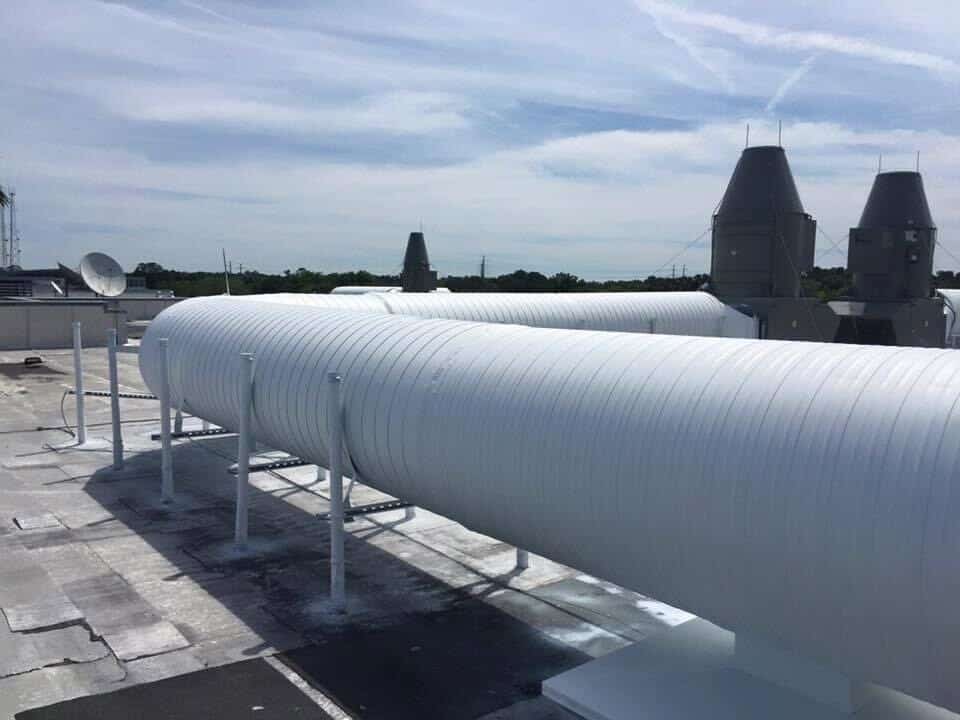
On concrete, blasting can help remove old coatings and create a cleaner, more suitable surface for primers, sealers, or finish coats. This is especially useful where previous systems have started to fail or where buildup has accumulated over time. The point is not aggression for its own sake. It is controlled preparation that matches the needs of the next coating step.


Municipal and commercial sites in Central Southern Sandblasting & Painting Florida often include concrete surfaces that live hard lives, exposed to weather, traffic, maintenance washing, and general wear. In those settings, surface preparation for coatings deserves the same level of respect as it does on steel. A wall, curb, enclosure, support structure, or service area can look minor on a bid sheet and still cause major headaches if the coating fails.
I have also found that concrete projects benefit from realistic expectations. Surface prep can improve performance, but it does not erase underlying substrate issues. If the concrete itself has defects or past damage, that needs to be identified and discussed. Blasting can reveal those conditions clearly, which is a good thing, even if it changes the work plan.
Equipment and industrial materials need a tailored approach
Equipment work is where beginners often underestimate the complexity. Flat, open surfaces are the easy part. Real-world machinery and industrial assemblies have corners, crevices, bolts, seams, and areas with inconsistent wear. Some parts may have heavy coating buildup. Others may have bare metal exposure. Some may be contaminated from service conditions.
Abrasive blasting Central Florida crews perform on equipment is valuable because it allows old coating and buildup to be removed before priming and painting. That fresh start matters. A coating only adheres as well as the surface beneath it. If residue remains in tight areas or weak paint is left feathered at the edges, those spots can become the first points of failure.
This is also where project purpose matters. A piece of equipment in a visible public-facing area may have aesthetic goals alongside durability goals. Industrial machinery in a working environment may place durability first. Water-related infrastructure, pipelines, or large steel assets may require an even stronger focus on protective performance. The substrate may be similar, but service demands are not.
A good contractor does not approach every unit the same way. They look at the material, the condition, the exposure, and the function. That is what separates routine paint work from true surface prep and coating work.
What the prep-to-paint sequence usually looks like
For someone hiring this kind of work for the first time, the process becomes less intimidating once you understand the flow. The exact methods vary by job, but the sequence is generally recognizable.
The surface is inspected to identify rust, old paint, scale, buildup, and any obvious condition issues. Abrasive blasting is used to remove unwanted material and prepare the substrate. The newly prepared surface is checked before priming, sealing, or painting begins. Coatings are applied based on the needs of the project and the material involved. The finished system is reviewed with attention to coverage, condition, and overall readiness for service.That sounds simple on paper. The real challenge is making each phase line up with the next one, especially in Central Florida weather. Timing matters. Access matters. Coordination matters. If any of those break down, the quality of the final result can suffer.
How to tell whether a project really needs blasting
Not every surface needs full abrasive blasting. Sometimes a coating is still sound enough in most areas that only targeted prep and repair make sense. Other times, the visible failure is just the tip of the problem, and a full removal approach is wiser. The hard part is that these two situations can look similar from a distance.
A decent starting question is whether the existing coating is tightly bonded and serviceable, or whether it is actively failing. If rust is pushing under the coating, if peeling is widespread, or if buildup is interfering with a clean new application, blasting usually deserves serious consideration. The same goes for surfaces that have been recoated multiple times and are carrying too much old material.
Another useful question is whether the surface is expected to do more than look better for a short time. If the goal is long-term performance from protective coatings Central Florida properties depend on, then preparation tends to become more important, not less. Owners are sometimes tempted to save money by trimming prep. In my experience, that is one of the easiest ways to raise long-term maintenance costs.
Choosing between commercial and industrial scope
The phrases commercial painting Orlando FL and industrial painting Orlando FL often overlap, but the project demands can be quite different. A commercial property might include exposed steel, concrete facades, service structures, railings, or utility features where appearance and durability both matter. Industrial work often pushes harder on performance under service conditions, with more emphasis on functional protection and maintenance planning.
Blasting plays a role in both, but expectations should match the asset. For a commercial building, visual consistency may matter more than on a back-of-house mechanical support. For an industrial site, surface preparation may take center stage because coating failure could affect operations, maintenance access, or long-term asset life.
That is why owners should not shop only by square footage or paint price. The better question is whether the contractor understands the substrate and the environment. A sandblasting Orlando FL project near active operations, public access, or sensitive infrastructure has different constraints than a simple repaint job. The prep plan should reflect that reality.
Questions worth asking before the job starts
Most misunderstandings in blasting and coating work happen before the first compressor starts. Owners assume one scope. Contractors plan another. The fix is not complicated, but it does require direct questions.
- What material is being prepared, steel, concrete, or another industrial surface? Is the goal full coating removal, rust and buildup removal, or spot preparation before repairs? Will priming, sealing, and painting follow as part of the same scope? How will weather and timing affect the transition from blasting to coating? What condition issues might only become visible after old material is removed?
Those questions help define the real job. They also expose whether everyone is talking about the same result. I have seen owners ask for a repaint when what they truly needed was removal of failed layers and a proper restart. I have also seen surfaces assumed to be in terrible shape turn out to be good candidates for targeted prep rather than full removal. The details matter.
Why integrated prep and coating services are often worth it
There is a practical advantage in using a team that handles preparation and coating together. The website for an Orlando company like Southern Sandblasting & Painting LLC emphasizes services such as surface preparation, coating removal, priming, sealing, and painting for commercial and municipal projects. That combination makes sense because blasting is not the finish line. It is the opening move in a larger coating process.
When one contractor manages both phases, the communication loop tends to be shorter. If the blasting exposes additional issues, the painting plan can adjust quickly. If a surface needs to move from prep into primer without delay, that handoff can usually happen more smoothly. This matters on steel, concrete, and equipment, but it matters even more on infrastructure and industrial materials that do not tolerate missteps well.
That integrated approach also supports accountability. If coating performance depends heavily on the quality of preparation, owners benefit from having one responsible party for the sequence rather than separate companies blaming each other later.
The long view on maintenance
Surface prep is often treated like a setup cost, something to get through before the visible work starts. That is backwards. For steel, concrete, and industrial equipment, prep is the job that makes the visible work meaningful.
In Central Florida, where weather exposure is a real factor, steel coating maintenance should be thought of as a cycle, not a one-time event. A properly prepared and coated surface still needs observation over time. Touch-ups, inspections, and planned maintenance can extend asset life and reduce major restoration work later. That is especially true for exposed steel and heavily used infrastructure.
Blasting is not magic, and it is not cheap window dressing. It is a practical tool for putting surfaces back into a condition where coatings can do their job. If you are planning a project involving metal, concrete, or industrial equipment, it is worth spending more time on the prep conversation than most people expect. That one decision tends to echo for years.
For anyone searching for sandblasting Orlando FL services, the smartest move is not to ask who can paint fastest. Ask who understands the surface, the climate, and the full path from removal to protection. When the work is done right, the result is not just cleaner. It is more durable, more honest, and better prepared for the conditions Central Florida will throw at it next.
Southern Sandblasting & Painting LLC
430 Fairvilla Rd, Suite B
Orlando, FL 32808
Phone: (407) 409-1158
Website: https://southernsandblastingandpainting.com/
Southern Sandblasting & Painting LLC is a sandblasting and painting contractor in Orlando, Florida. The company provides sandblasting and abrasive blasting, commercial painting and industrial painting for Orlando and nearby Central Florida communities.