
Anna McLuckie
The Little Winters

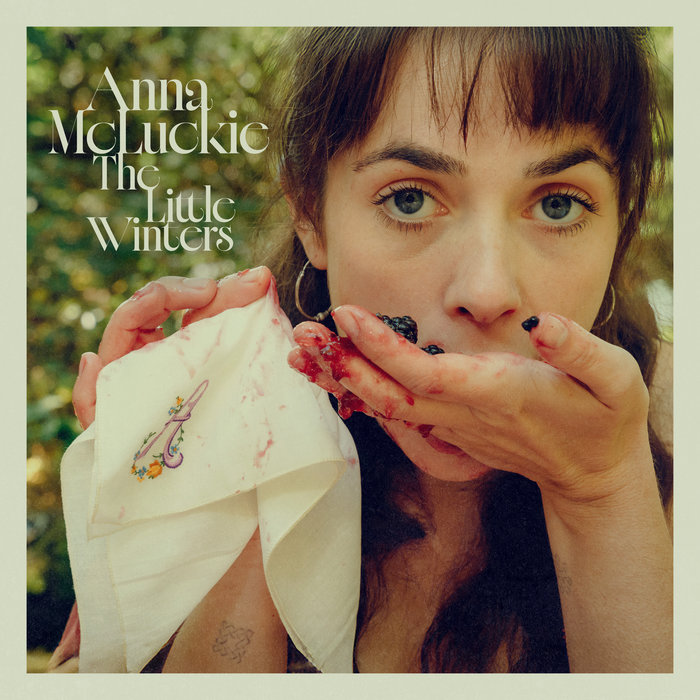
スコットランド エディンバラ生まれのアンナ・マクラッキー
ニューフォークシンガー兼クラルサッハ奏者
タイトルは、春先に訪れる晩霜を指すアメリカの用語に由来
「17歳でスコットランドを離れたのに、それから10年も経ってから、突然、故郷を失ったという喪失感に襲われたのは驚きでした。故郷を離れたことで、これまで顧みられることのなかった、切り離された根が、新たな土壌を求めていたのだと気づいたのです。」
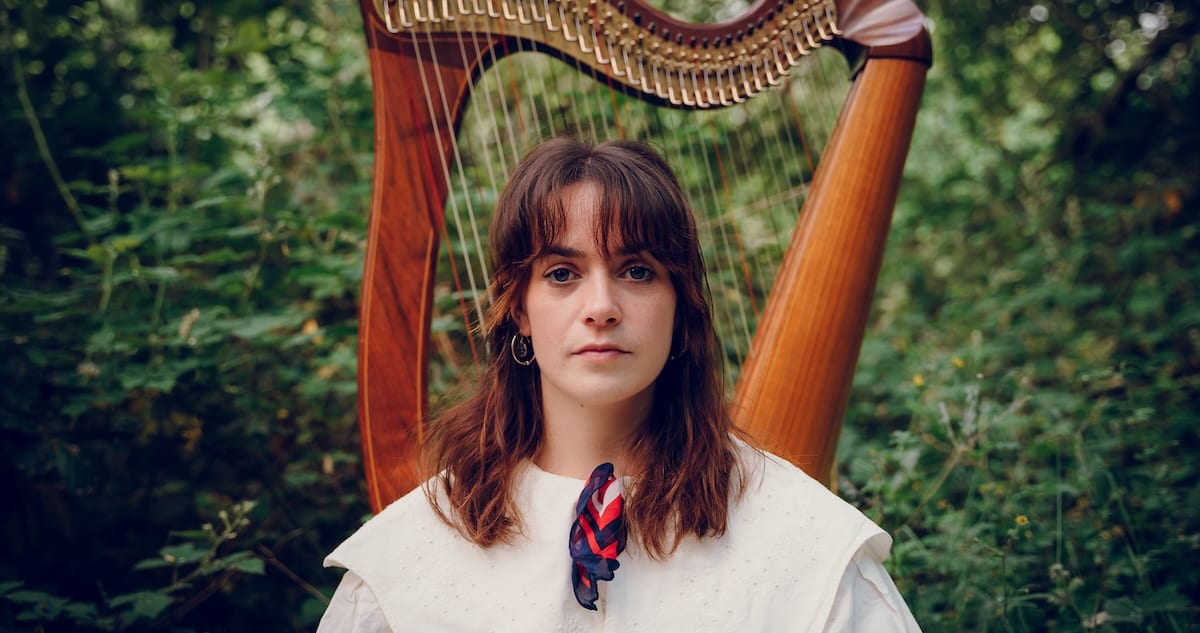
The striking thing about the clàrsach – other than its long history – is its potency as a political symbol. Both the Irish and Scottish forms of the Celtic harp experienced a surge in popularity as the Gaelic cultural revival began to take hold in the late nineteenth century, and Celtic nationalists saw the clàrsach as an acceptable alternative to the English-made pedal harps. An instrument whose very sound is evocative of the wild landscapes of Scotland and Ireland now represents Gaelic identity and freedom from oppression.
While there are currently more clàrsach players than ever before, the majority seem to stick to the instrument’s traditional repertoire. Edinburgh-born Anna McLuckie is an exception. She is keen to explore the clàrsach’s possibilities from a songwriter’s perspective, but she does so with a wide range of influences at her back. On her 2021 debut, Today, Everyday, she combined melodically complex songs with a pop singer’s lightness of touch. In places, it had the delicate feel of birdsong, but always with a sense of control that showed just how deeply connected she was with her instrument and its heritage.
The Little Winters goes further in every direction. It sees McLuckie making advances as a musician and a songwriter, but also in terms of her overarching creative vision. She brings in even more influences and consolidates them with a refreshing economy. And the album is thematically and lyrically ambitious too. The lead single Bitten Winter Skin is a keenly-felt meditation on the Gaelic concept of cianalas, similar to the Welsh idea of hiraeth, a feeling of nostalgia or yearning for a particular place. The song does a very difficult thing: it captures an emotion that is almost impossible to describe in words. This is where the clàrsach comes in, or rather McLuckie’s evident mastery of it. It’s an inherently nostalgic instrument, and she knows exactly how to harness that nostalgia without ever coming across as forced or cloying.