
Asher Gamedze
A Semblance: Of Return


Mojo 80点相当
Uncut 80点相当
南アフリカケープタウンを拠点に活動する
ジャズ・ドラマー、作曲家、バンドリーダー
アッシャー・ガメゼ
" アルバムのバンド、Ru Slayen(パーカッション)、Nobuhle Ashanti(キーボード&シンセ)、Zwide Ndwandwe(ベース)、Keegan Steenkamp(トランペット)、そしてGamedze(ドラム)は、社会的なユニットとして結成された。彼らにとって音楽は、演奏し、考え、笑い、そして苦闘に満ちた、より広い共有生活の一部なのだ。その精神が音楽に活気を与えている。"
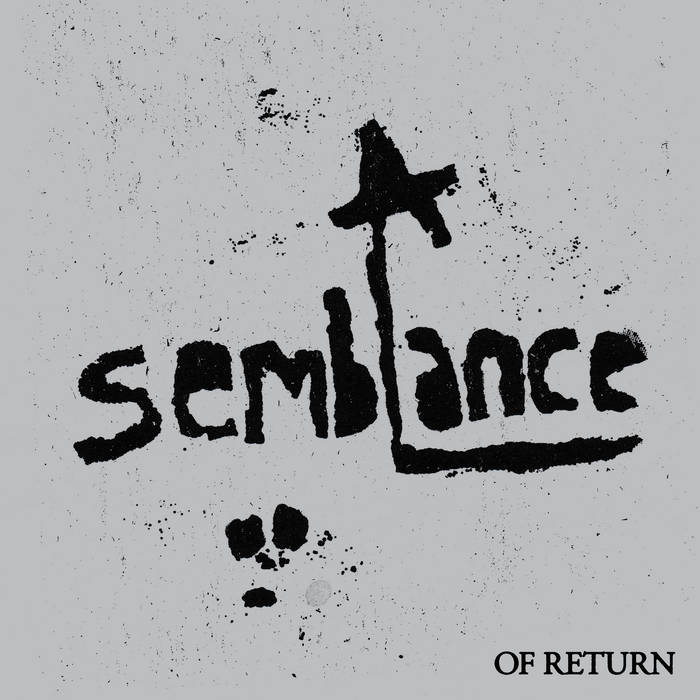
With A Semblance: Of Return, South African drummer, composer, and bandleader Asher Gamedze gathers a close ensemble of longtime collaborators to explore what he calls “practices of assembly” - ways of coming together, making sound, and imagining new and old modes of freedom. Based in the independent music scenes of Cape Town and rooted in Pan-Africanism and Black Consciousness, Of Return extends the political and musical commitments that have defined Gamedze’s work since Dialectic Soul (On The Corner, 2020), while opening a newly collective chapter in his practice, this time on Northern Spy Records.
Of Return is an album about a grounding in local context, in collective work, in the sonic and social memory of South Africa and about reaching outward, imagining solidarities that extend beyond geographic and political borders. Musically, the record carries forward the lineages that shape Gamedze’s work and opens new spaces for communing. If Dialectic Soul, Turbulence and Pulse (International Anthem, 2022) and Constitution (International Anthem, 2024) were statements of direction, Of Return is a gathering place: a living room, a rehearsal, a shady club, a study group, a home.
The band on the album - Ru Slayen (percussion), Nobuhle Ashanti (keys & synth), Zwide Ndwandwe (bass), and Keegan Steenkamp (trumpet), with Gamedze on drums - formed as a social unit: a group for whom music is part of a broader shared life, full of playing, thinking, laughing, and struggling. That ethos animates the music. Across the album’s two sides, Of Return moves with a grounded, searching energy, shifting between group vocals, groove-heavy ensemble passages, and moments of stark melodic clarity. The grooves are earthy and lived-in; the improvisations feel like conversations; the lyric fragments echo the project’s probing around notions of return as integral to any forward, future-oriented motion.