
How Reggio Preschool Makes Children's Learning Journey Visible Through Documentation and Reflection
Discover how a reggio preschool uses learning documentation, observation and reflection to celebrate children's discoveries, support individual development and strengthen family connections at Pegasus International Preschool in Singapore.
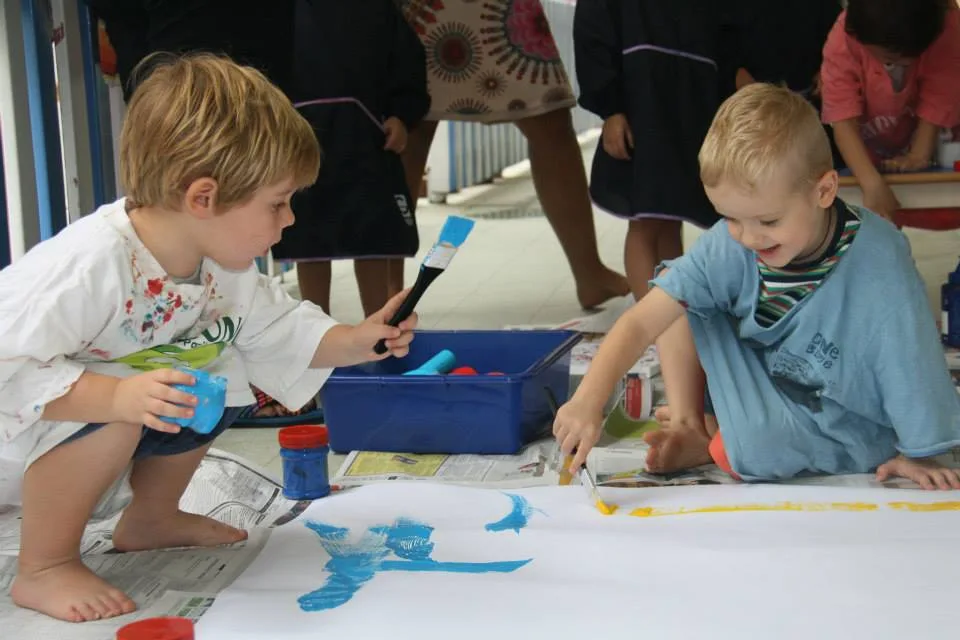
Every Small Discovery Deserves to Be Recognised
A child's development is filled with meaningful moments that adults can sometimes overlook. A question asked during an activity, an unexpected drawing, a new friendship or an attempt to solve a difficult problem can reveal important changes in how a child thinks and interacts with the world.
These moments are valuable because learning does not happen only when children complete an activity or remember a new piece of information. It happens throughout the process of exploring, experimenting, communicating and reflecting.
This is one of the reasons documentation plays an important role in a reggio preschool environment. Inspired by the Reggio Emilia philosophy, documentation helps educators recognise children's thinking and understand how their interests develop over time.
At Pegasus International Preschool in Novena, Singapore, children's questions, discoveries and reflections are captured through photographs and learning journals. These records help make learning visible and provide opportunities for teachers, children and families to revisit meaningful experiences.
Rather than focusing exclusively on finished work, the emphasis is placed on understanding the journey behind every discovery.
Understanding the Story Behind Children's Activities
A completed painting or construction project can tell adults what a child has created, but it may not explain the thinking behind it.
Imagine a child building a tower using wooden blocks. At first, the structure might appear to be a simple arrangement of materials. However, observing the process could reveal much more.
The child may have experimented with different shapes, compared the height of individual blocks and adjusted the arrangement several times after the structure collapsed. Perhaps the child also discussed ideas with classmates before deciding how to rebuild it.
In a reggio preschool, these details matter because they demonstrate how children approach challenges and develop understanding.
Teachers observe not only the final outcome but also the conversations, decisions and interactions that take place along the way.
This allows educators to recognise individual learning processes and identify opportunities for further exploration.
For parents, seeing these records can provide a deeper appreciation of everyday preschool experiences. A simple construction activity may actually involve creativity, mathematical thinking, communication and persistence.
Photographs Capture More Than Beautiful Memories
Photography is a useful documentation tool because it allows educators to preserve moments that might otherwise be forgotten.
A photograph can capture a child's expression when discovering something new, the arrangement of materials during an investigation or the collaboration between classmates.
However, in a reggio preschool, photographs are not simply decorative classroom displays. They can become meaningful records when accompanied by observations and explanations.
For example, a series of photographs showing children investigating leaves might reveal how their questions develop.
The first photograph could show children collecting different leaves. Another might capture them comparing colours and shapes. A later image could show them creating drawings based on their observations.
When these images are presented together, they tell a story about how an initial interest gradually develops into a deeper investigation.
At Pegasus, documenting children's discoveries helps educators make their learning processes visible and revisit ideas that deserve further attention.
These visual records also create opportunities for families to understand what happens beyond the classroom's daily routine.
Learning Journals Help Educators Understand Individual Progress
Every child develops differently. Some children become confident speakers quickly, while others demonstrate their understanding through drawing, movement or construction.
Learning journals provide opportunities to recognise these individual differences.
Within a reggio preschool, documentation may include observations, children's comments, photographs and reflections about particular experiences.
Consider a child participating in a group storytelling activity. An educator might record how the child initially observes classmates before gradually contributing ideas to the discussion.
Over time, the same child may begin suggesting story characters, explaining events and asking questions about classmates' contributions.
These small changes can reveal growing confidence and communication abilities.
Learning journals also help teachers identify recurring interests. If a child frequently explores natural materials or enjoys building structures, educators may use these observations when preparing future learning opportunities.
At Pegasus, photographs and learning journals support the process of making children's thinking visible, allowing their discoveries and reflections to become part of an ongoing learning journey.
Reflection Encourages Children to Revisit Their Ideas
Children often discover something new when they return to an activity they completed earlier.
An experience that initially seemed simple may become more interesting when children have opportunities to examine their previous ideas and compare them with new observations.
A reggio preschool encourages reflection because revisiting experiences allows children to recognise how their thinking changes.
For example, a group of children might begin investigating how plants grow. During the first activity, they may believe that all plants need the same amount of sunlight and water.
After observing several plants over time, they may notice differences in growth and begin asking new questions.
Teachers can encourage them to look at previous photographs, drawings or observations and discuss what they have discovered.
These conversations help children connect earlier experiences with new knowledge.
Reflection also gives children opportunities to recognise their own contributions. They can explain what they enjoyed, describe something challenging and share what they would like to investigate next.
Documentation Supports Meaningful Project Development
Reggio Emilia-inspired projects often develop from children's genuine interests rather than being restricted to a predetermined sequence of activities.
Documentation helps teachers understand how these interests emerge and how an investigation might continue.
Imagine that several children become interested in gardens and insects. Their first observations may involve noticing small insects moving between plants.
As their curiosity develops, teachers may introduce additional resources and questions.
Children might draw insects, count how many they discover, create models of their habitats or develop stories inspired by their observations.
In a reggio preschool, documentation helps educators follow these developments and recognise opportunities for extending the project.
Photographs and learning records can show which questions children repeatedly ask and which activities generate the most discussion.
Teachers can then prepare new experiences that respond to children's interests.
At Pegasus, projects emerge from genuine curiosity and can connect storytelling, counting, science and art. Documentation allows these experiences to develop naturally while keeping children's ideas at the centre of learning.
Making the Hundred Languages Visible
One of the distinctive principles of Reggio Emilia education is the concept of the hundred languages of children.
This idea recognises that children have many ways of communicating their thoughts. They do not need to rely exclusively on spoken language or written words to demonstrate what they understand.
Drawing, painting, movement, music, dramatic play and building are all meaningful forms of expression.
A reggio preschool values these different languages and creates opportunities for children to communicate through their preferred activities.
Documentation makes these expressions easier to recognise.
For example, when children explore the topic of transportation, one child may explain ideas verbally, another may construct a model vehicle, and someone else may create a drawing showing different road arrangements.
Although the children communicate differently, each contribution provides insight into their thinking.
Teachers can document these experiences and use them to understand individual interests and abilities.
At Pegasus, the Reggio Emilia-inspired philosophy recognises the importance of giving children different ways to express themselves and participate in meaningful learning experiences.
Helping Parents Become Active Participants
Parents naturally want to understand what their children experience throughout the school day.
However, asking a young child what happened at preschool does not always produce a detailed answer. Some children may simply say that they played or painted without explaining the discoveries behind those activities.
Documentation provides another way for families to understand their child's learning journey.
In a reggio preschool, learning records can help parents see how children participate in projects, communicate with classmates and respond to new experiences.
For example, a photograph of a child creating artwork may lead to a conversation about the colours selected, the materials used and the inspiration behind the creation.
Parents can ask meaningful questions rather than concentrating only on whether the activity was completed successfully.
This also creates opportunities to extend classroom interests at home.
If a child has been exploring natural materials, families might collect leaves during a walk or observe plants growing in their neighbourhood.
At Pegasus, families are recognised as important partners in children's development. Sharing observations and extending learning beyond the classroom helps establish a stronger connection between school and home.
Connecting Documentation With Trilingual Experiences
Language development becomes more meaningful when children have opportunities to communicate about experiences they genuinely care about.
Pegasus International Preschool integrates its Reggio Emilia-inspired philosophy with daily exposure to English, Mandarin and Japanese.
A reggio preschool environment can make these language experiences part of children's everyday investigations.
For example, during a group art project, children may describe their materials, explain their designs and respond to questions from classmates.
Songs, conversations and storytelling provide additional opportunities to use language naturally.
Documentation can preserve interesting expressions and conversations, allowing educators to revisit how children communicate their thoughts.
A photograph of a collaborative project, accompanied by children's comments, can become a starting point for further discussion.
This approach connects language development with creativity, social interaction and exploration rather than treating communication as an isolated classroom exercise.
Creating a Learning Culture Built on Curiosity
Documentation is valuable because it changes how adults understand children's achievements.
Instead of asking only what a child has completed, educators can consider what the child discovered, how an idea developed and what questions emerged during the experience.
This perspective encourages a learning culture where curiosity and exploration are appreciated.
In a reggio preschool, children are not expected to produce identical results or follow exactly the same learning path. Their individual interests and contributions are recognised as important parts of the educational experience.
Teachers can use documentation to plan meaningful follow-up activities, while children gain opportunities to revisit their previous discoveries.
Parents also become more involved because they can understand the thinking and creativity behind everyday experiences.
At Pegasus International Preschool in Novena, these principles contribute to a learning environment that values children's voices, relationships and individual development.
Celebrating the Journey, Not Just the Final Result
A meaningful preschool experience should recognise that development happens through countless small discoveries.
A child's first attempt at building something independently, an imaginative story shared with classmates or a new question about the natural world can all represent important steps forward.
Through documentation and reflection, a reggio preschool helps preserve these moments and recognise the learning taking place behind them.
Pegasus International Preschool combines its Reggio Emilia-inspired philosophy with inquiry-based projects, creative expression and trilingual experiences in English, Mandarin and Japanese. Its approach encourages children to explore their interests while allowing teachers and families to remain connected to their progress.
For parents seeking an early childhood environment that values individual growth, documentation offers an important insight into how children learn.
Ultimately, the most meaningful educational experiences are not always those with the most impressive finished products. They are the experiences that encourage children to ask questions, express their ideas, discover new possibilities and recognise how much they have grown along the way.