
A shop owner I worked with in the Midwest tracked every service call for a year. Two teams ran similar routes, on the same brands, with a comparable volume of calls. The only structural difference, on paper, was that one team had recently completed a round of brand certifications and EPA 608 updates, while the other had not. By month three, the certified team’s first-time fix rate was up 12 percentage points. Average ticket rose by 18 percent. Callbacks dropped in half. The Cost to repair an appliance for customers, averaged across that team’s jobs, also inched down by a few dollars because fewer return trips meant fewer miles and less time embedded in each invoice.
Certification is not magic. It costs money and time, and it does not make a struggling dispatcher better at routing or fix a parts bottleneck. But it changes the economics of the business in several ways that compound over a year’s worth of service calls. For owners and appliance repair technicians, understanding those levers helps set better prices, assign jobs more intelligently, and defend margins without surprising customers.
What certification really buys
Certification is shorthand for different things depending on your market and mix of work. There is general technical certification through organizations like PSA or NASTeC. There are brand authorizations that come with training, access to technical bulletins, proprietary diagnostics, and warranty work eligibility. Then there is EPA 608 for refrigerant handling, a must for sealed system work. Some connected appliance platforms now offer IoT or smart appliance training that includes diagnostic tooling and portals.
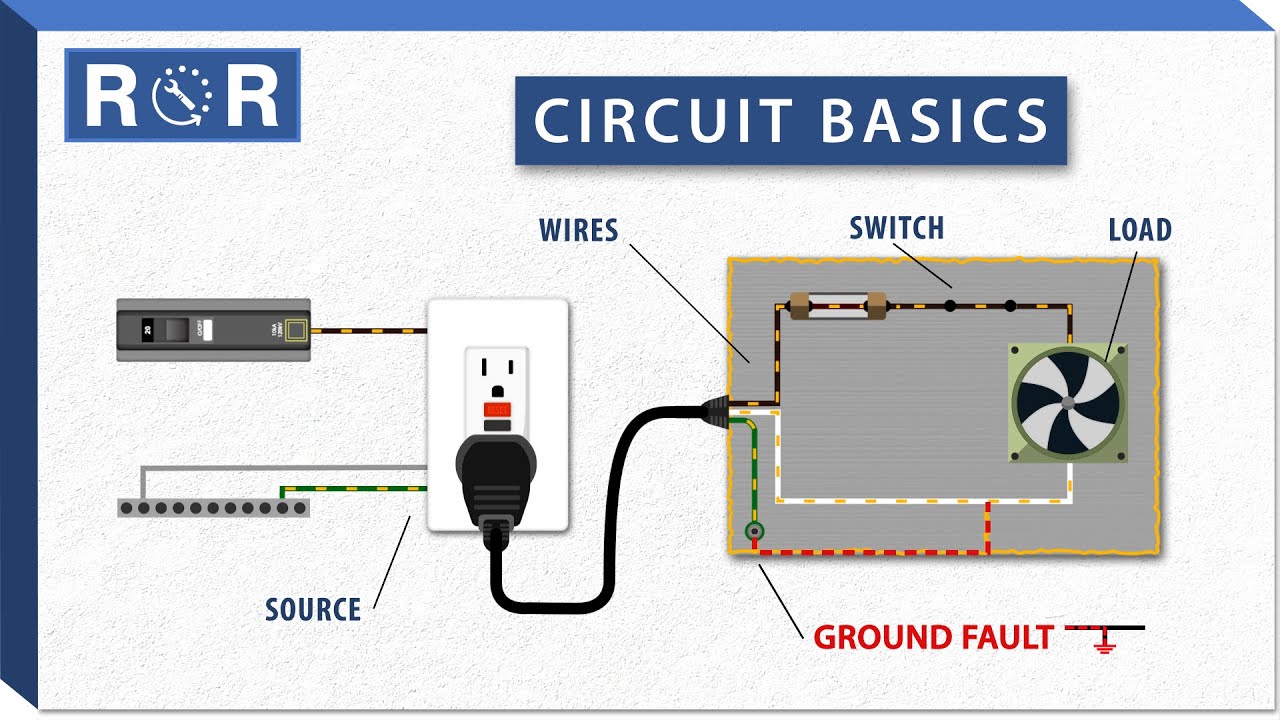
The first benefit is better information, which shows up as quicker triage. A certified tech can pull a service manual from a brand portal, find the failure code matrix, check the known bulletin on a specific model’s thermistor harness, and run the diagnostic flow without reinventing the wheel. That shortens the diagnostic phase and reduces shot-in-the-dark parts ordering.
The second benefit is parts and tools. Brand-authorized shops often get earlier access to updated parts, test jigs, and software flashes. If you service premium lines, the difference between guessing and flashing a control board with the right patch is a hundred dollars of labor time and a customer that stays or leaves.
The third benefit, often overlooked, is warranty work eligibility and the ability to claim labor at set rates. Warranty work rates are not always generous, but they smooth out demand and can fill the schedule between higher-ticket COD jobs. You also gain field support channels that help with oddball failures, which shortens unbillable troubleshooting.
The cost side of certification
Owners ask the same question: how much will this actually cost me? There are direct and indirect costs. Fees vary by brand and credential, and travel can swing numbers. To give a sense of range, I will outline what I have seen in small to mid-size shops.
- Direct fees: course tuition, exam fees, background checks if required, and the brand’s annual authorization cost. Budget 500 to 2,500 dollars per tech per year depending on your mix of brands and formal credentials. Travel and time: flights or mileage, hotels, meals, and the opportunity cost of pulling a tech off the road. A one-week offsite course can mean 30 to 40 hours of lost billable time. Tools and test equipment: refrigerant recovery machines, calibrated scales, nitrogen tanks, vacuum pumps, smart probes, and specialty jigs can add 1,000 to 4,000 dollars per station for sealed system and premium-brand work. Software and portal access: some brands require paid subscriptions for documentation, diagnostics, or remote access tools, often a few hundred dollars per seat per year. Insurance adjustments: once you start doing sealed systems and gas appliances at scale, your insurer may require proof of certification. Premiums can tick up with scope, but well-documented training can also keep rates stable after a claim.
Altogether, onboarding a tech to handle refrigeration, common premium-brand issues, and warranty claims can run 3,000 to 8,000 dollars in year one, then 1,000 to 3,000 dollars to maintain annually. For a two-tech team, that is a real outlay. The payback comes only if you change how you price, schedule, and select jobs.
How certification changes job efficiency
A certified tech does not turn every 90-minute diagnostic into 30 minutes. The effect shows up in the proportion of calls where standard flows and known failures apply. In my tracking across mixed-brand residential work:

- First-time fix rate often rises from the 60 to 75 percent band to the 72 to 88 percent band within three to six months, depending on parts stocking. Average diagnostic time falls 10 to 25 minutes on repeat models because the tech has both the bulletin and the relevant test points memorized. Misdiagnoses drop, especially on intermittent control issues and refrigeration failures that are easy to confuse without pressure and temperature testing.
These shifts change the Cost to repair an appliance in quiet ways. If you bill flat-rate labor, faster and more accurate diagnosis means you are collecting the same book labor in less time. If you bill time and materials, you can hold or raise your hourly rate while avoiding padding from inefficiency. Customers often notice quicker cycle times and fewer return visits, which reduces the perceived cost even if the line items are unchanged.
Warranty work, access, and price power
Brand authorization grants you warranty labor at set rates, but it also gives you pricing power on COD work. Some examples:
- Access to proprietary parts and updates lets you solve problems the first time on premium refrigerators where third-party parts lag. That reduces your effective cost per fix by eliminating a second trip that you might not be able to charge for. Some brands provide labor guides with standardized times. On COD calls you can use those guides to defend a flat-fee schedule. Customers accept a clear matrix more readily than open-ended hourly billing. Warranty claim portals and technical hotlines can cut an hour of blind troubleshooting to ten minutes of guided testing. You do not bill the portal, but you gain a billable, completed job that would otherwise spill into a second visit.
Shops that market certification and brand authorization see higher close rates on high-ticket repairs. If a refrigerator sealed system repair is a 900 to 1,600 dollar job in your area, being the authorized servicer can move your close rate from 30 to 50 percent, and you keep more of those jobs in-house instead of turning them away.
Liability, callbacks, and insurance
Every callback is a margin leak. You pay the tech to drive back, often eat the labor, and sometimes eat a part. Certified appliance repair technicians log fewer callbacks on average, not because they never err, but because they follow standardized procedures. A freezer that short cycles after a compressor swap is less likely if you pull a deep vacuum, use nitrogen for pressure testing, and weigh the charge. Those steps are taught and enforced in good programs.
On gas and electric safety, certification tightens habits. Simple things, like always measuring current draw after replacing a heating element or documenting a safety check on gas valves, carry weight if something goes wrong. Insurers like paper. A clean training log and standard operating procedures can limit premium hikes after a claim, a real if indirect financial benefit.
How certification changes the Cost to repair an appliance for customers
Customers care about bottom lines and outcomes. Certification shifts both:
- On a control board replacement for a mid-range dishwasher, a certified tech might diagnose in 20 minutes, verify the harness, and install the part in 30, all in one visit if the board is stocked. The invoice could show a 99 dollar diagnostic and a 180 dollar labor line, plus the part at market price. A noncertified tech, without the bulletin about a moisture intrusion issue, might spend an hour diagnosing and return next week. The two-trip job eats margin because few customers accept full second-trip labor on a misstep. On sealed system work, certification is table stakes. A compressor replacement billed at 1,200 to 1,600 dollars sounds high until you list the recovery, brazing, vacuum, drier, and charge steps. The difference is that a certified tech will usually get it right once. If an uncertified tech attempts the job and you eat a failed compressor or contamination issue, your margin vanishes.
Customers who ask about credentials are usually price sensitive, but they are also risk sensitive. When you show specific brand factory training, a current EPA 608 card, and a warranty on labor, you are selling certainty. That lets you charge for the quality of the outcome, not only for time on site.
Pricing strategy that matches your credentials
A common trap is to invest in certification and keep old rates because raising prices feels risky. Rates should reflect the value you can now deliver. The right structure depends on your market, but a pattern repeats in healthy shops.
Use a diagnostic fee that covers the cost of the truck roll and the first portion of diagnosis. In many markets that sits between 89 and 149 dollars for standard appliances and 129 to 199 dollars for premium or built-in units. Certified teams can justify the higher end because they resolve more issues at the door without guesswork.
Business Name: Appliance Repair Round RockBusiness Address: 500 Round Rock Ave, Round Rock, TX 78664
Business Phone: (512) 657-3845
This is the logo of Appliance Repair Round Rock https://appliancerepairroundrock.net/assets/appliance-repair-round-rock-round-rock-tx-logo.jpg
Appliance Repair Round Rock has the following website https://appliancerepairroundrock.net/
Then, choose a labor model. Flat-rate labor using a standardized guide usually outperforms hourly billing once your team is fast. For common tasks, set book times based on observed averages with a margin for variance. Time and materials can still work for highly variable diagnostics, but it is harder to defend and rewards slowness.
Finally, treat sealed system and premium-brand work as distinct. They require expensive tools and more training. Market rates reflect that. If your compressor changeout takes 3.5 hours of on-site work plus a trip to refill nitrogen and refrigerant, charging standard appliance labor rates will punish your margin.
A realistic margin picture
Margins come from contribution per job, not just rate sheets. Consider two versions of the same dryer repair, a failed heating element:

- Noncertified path: 99 dollar diagnostic, 110 dollar hourly labor for 1.5 hours, part at 85 dollars, return visit required because the tech did not stock the right element. Effective revenue 99 + 165 + 85 = 349 dollars. But the second trip adds 40 miles round trip at 0.70 dollars per mile and 45 minutes of unbilled time. True gross margin after direct travel and labor time may fall under 40 percent. Certified path: 119 dollar diagnostic, flat-rate 189 dollars labor based on the guide, part at 85 dollars, first-time fix due to correct stocking. Revenue 119 + 189 + 85 = 393 dollars. Only one visit, fewer miles, 55 minutes on site. Even with a slightly higher sticker price, the customer paid less in time and hassle. The shop kept an extra 25 to 50 dollars of contribution after costs.
Scale that over a month. If a certified tech runs four jobs a day and gains 40 dollars of extra contribution per job, that is roughly 3,200 dollars of additional contribution per month. Over a year, that covers the training and tools and then some.
Certification and Appliance Repair Common Problems
Most calls fall into a set of patterns. Water not draining, not cooling complaints, control panel unresponsive, no heat, loud spin, ice maker not producing. Certification helps in two ways on these Appliance Repair Common Problems.
First, it prevents rabbit holes. On a not-cooling French door, a noncertified tech might chase a board too early. A certified tech will check evaporator frost patterns, confirm fan operation, check damper movement, and measure pressures if warranted. Many of those problems are airflow or defrost system issues, not refrigerant loss. Getting the order right avoids unnecessary parts.
Second, it shapes stocking decisions. A certified tech knows from bulletins which thermistors fail on a certain model range, which water valves need updated versions with redesigned seals, which lid locks had a notorious revision. They keep those on the truck. Stocking adds up front cost, but it is the cheapest way to create first-time fixes.
Labor, hiring, and utilization
Certification changes who you hire and what you pay. A certified tech commands more. In many regions that is 2 to 6 dollars more per hour, sometimes more for sealed system expertise. If your pricing or job mix does not reflect that, margins will suffer.
Shops that use certification wisely adjust dispatch. Send your most certified person to premium brands, built-ins, and refrigeration. Use junior techs on simpler electric dryers, disposers, and microwaves while they shadow and train. Then feed them more complex work as they earn credentials. Utilization, not just hourly pay, drives profitability. A tech who closes 4.2 jobs a day with a higher wage outperforms a lower paid tech who closes 3.1 jobs with more callbacks.
Marketing, close rates, and pricing headroom
Certification is a marketing asset if you treat it as such. Put brand logos where https://appliancerepairroundrock.net allowed, show credentials on your website, and include them in scheduling scripts. When customers call about a high-ticket repair, they often ask two questions: can you fix this model, and what happens if it fails again? Your answer carries more weight when you cite training and offer a clear labor warranty.
Pricing headroom follows trust. If market labor rates are 140 to 180 dollars per hour equivalent, certified and brand-authorized shops tend to sustain the top of that range or succeed with flat-rate guides that yield the same effective rates. They also win more premium-brand jobs where fewer competitors operate, which supports higher average tickets.
Edge cases where certification matters more, or less
There are markets where certification has outsized impact.
- Rural service areas: travel time dominates cost. Certification improves first-time fixes and eliminates second trips over long distances, a big swing in contribution per job. Luxury brands and built-ins: the difference between authorized and not is often the difference between access and guesswork. Customers expect credentials and pay for them. Smart appliances: connectivity issues, firmware, and boards with bootloaders can waste hours without proper tools and training. Certification brings portals and procedures that end the guessing. Simple mechanical repairs: on base-model top-load washers or basic dryers, the certification gap is smaller. A competent noncertified tech can be excellent. The benefit shows up more in stocking and process discipline than in raw knowledge. Highly price-sensitive neighborhoods: certification still helps with callbacks and efficiency, but you may need to keep a competitive diagnostic fee and use volume to win.
A short implementation checklist for owners
- Map your call mix for the last six months, by brand and failure type, then pick certifications that match your top revenue and callback categories. Model payback: estimate added contribution per job from first-time fixes, then multiply by average daily calls and days per month to compare against training and tool costs. Update pricing: set diagnostic tiers and a flat-rate guide that reflects faster, more reliable outcomes, especially for refrigeration and premium-brand work. Adjust dispatch: route certified techs to high-complexity jobs and warranty calls, and stock their trucks with parts aligned to common failures identified in bulletins. Track KPIs: first-time fix rate, average ticket, callback rate, and contribution per truck day. If those are not moving, revisit training and parts stocking.
Data and discipline, not just certificates
I have seen certified teams underperform because the shop never changed its process. Technicians came back more skilled, but dispatch did not pre-screen calls, parts managers did not adjust stocking, and owners kept old rates. Certification is the spark, not the engine. Pair it with disciplined intake that captures model and serial, with a pre-visit script that asks smarter symptom questions, and with a parts policy that aligns with known failures. Then measure relentlessly.
If your first-time fix rate does not improve within two months, look at parts availability and scheduling gaps. If average ticket does not move, examine your flat-rate guide and upsell habits like offering gaskets and hoses during relevant repairs. If callbacks remain high, audit procedures on sealed system work and control board handling. Certification puts better tools in your hands. The shop has to use them.
Practical numbers you can live with
For a two-tech residential shop servicing a broad mix, a realistic year-one plan might look like this:
- Invest 8,000 to 12,000 dollars in training and tools to bring one tech to strong refrigeration capability with brand authorizations on your top three lines. Bring the second tech along in core electrical and gas safety, plus a couple of brand courses. Raise your standard diagnostic fee from 99 to 119 dollars, and set a premium diagnostic at 149 dollars for built-ins and premium refrigeration. Adopt a flat-rate labor guide that sets common tasks at effective rates of 150 to 200 dollars per hour, recognizing that certified techs will often beat the book time. Stock a targeted 1,500 to 2,500 dollars of parts per truck tied to the top 20 failures in your records and recent bulletins. Target a first-time fix rate above 80 percent by month six and a callback rate under 5 percent. Aim for revenue per truck day of 900 to 1,300 dollars depending on your market.
With those numbers, the added contribution from better efficiency and fewer callbacks usually pays back the certification investment in three to six months, then compounds.
The technician’s view
For appliance repair technicians, certification yields more than badges. You spend less time stuck on ambiguous failures because you have test points and decision trees. You argue less with customers because you can show official procedures. You qualify for higher pay and for the complex work that keeps the job interesting. The trade-off is responsibility. If you carry sealed system capability, you must own your process: nitrogen pressure tests, proper recovery, deep vacuums, and documented charges. Shortcuts erase the value of your credential and your shop’s margin.
Where customers, cost, and margin meet
Customers want a fair price, a fast fix, and confidence that the problem will not return. Certification, used well, supports all three. It increases the probability of a first-time fix, which lowers the effective Cost to repair an appliance by eliminating waste. It gives your shop pricing power that reflects skill instead of speed. And it reduces risk, which keeps insurance stable and callbacks rare.
The work remains the same: pumps, valves, boards, elements, compressors, harnesses. Certification changes how quickly and how surely you match the right fix to the right symptom. That is what you are paid for. If your shop invests in credentials, align everything around them. Adjust prices to reflect outcomes, equip trucks to hit first-time fixes, route jobs to match skill, and track the numbers that matter. Do that, and certification will not just be a line on your website. It will be a line in your P&L that holds steady through busy season and the slow weeks alike.