
Mineral-heavy water is a quiet saboteur. It does not flood your kitchen, it simply roughens a cartridge’s sealing surface by microns, then binds a stem until a simple turn of the handle feels like dragging a brake. Add a little chloride in the water or a mismatched fitting during Faucet Installation, and you have a faucet that starts stiff, drips under light use, and fails early. Most homeowners call it a bad faucet. Most of the time, the water told you what would happen long before the faucet did.
I have pulled apart enough lav and kitchen valves to see the same pattern repeat. The finish looks fine. The aerator is chalky. Inside the body, a dusting of white or tan scale collects around the cartridge cavity. The cartridge itself shows crescent-shaped tracks where minerals wore at the sealing faces, or a telltale green crust where flux residue and moisture sparked galvanic corrosion. Preventing that arc from mild nuisance to outright failure takes a blend of water awareness, better choices at purchase, clean installation habits, and a maintenance rhythm that fits your water.
Cartridges, scale, and what actually fails
Faucet cartridges do two jobs. They meter flow and set temperature, and they hold a water-tight seal when closed. Most modern residential faucets rely on one of three mechanisms. Ceramic disc cartridges use two hard, polished discs that slide against each other. Rubber-seal cartridges rely on elastomer seals pressed against ports. Ball valves have a spherical element with ports and spring-loaded seats. Compression stems, the old workhorses, rely on a rubber washer compressed against a seat.
Mineral deposits hurt these in different ways. On ceramic discs, scale does not erode the discs themselves, they are harder than the deposits, but grit and crystallized calcium carbonate scratch the mating surfaces and lodge between the discs, leading to chatter, uneven torque, or micro-leaks when closed. On rubber-seal cartridges, chalky scale chews the elastomer when the stem turns, or the deposits bridge across the seal, so the faucet never quite shuts off. On ball valves, scale embeds in the seats and scuffs the ball, raising handle effort and making temperature control jumpy. On compression stems, the soft washer is the sacrificial part, but scale also builds around the seat, notching the sealing edge and reducing the life of any new washer you install.
True corrosion is a separate path to failure. Chloride-laden water at moderate temperature can pit certain stainless or low-zinc brass components. If the water is aggressive, low alkalinity with a pH below roughly 7, it can etch brass or attack zinc in poorly chosen alloys, leading to dezincification. Flux residue, left on the inside of soldered copper joints near the faucet, can concentrate acid and chlorides. Wrap those chemical stresses around a wet cavity with dissimilar metals, and galvanic corrosion begins at any stray steel fastener or spring. The result looks different from scale, more red or green staining, metal that flakes or crumbles, and O-rings that tear on removal because oxide edges turned sharp.
A homeowner only sees the symptom: a drip, a stiff handle, a sound like gravel when turning on the tap. The root cause lives at the intersection of water chemistry, material choice, and installation details.
What your water is telling you
If you live on a well in limestone country, hardness numbers above 10 grains per gallon are common. Many municipal systems run between 5 and 12 grains. Hard water alone does not guarantee failure, but it raises the maintenance baseline. Magnitude matters, and so do temperature and flow patterns. Warm water accelerates scaling, so kitchen hot sides and shower mixers usually clog first. Aerators and flow restrictors concentrate scale because they create turbulence, they are the canary in the plumbing system.
Chloride is a quieter problem. Municipal water with chloride above roughly 50 to 80 mg/L can increase the risk of stress corrosion cracking and pitting on some stainless components, particularly in water heaters and at mixing valves. A faucet cartridge lives in that mixed environment, warm, aerated, sometimes stagnant, sometimes flushed. Low alkalinity and low pH remove buffering, making the water more aggressive. If you soften aggressively, you trade calcium carbonate for sodium. That helps with scale, but high sodium chloride content without enough flushing can still push corrosion along in certain alloys.
When I troubleshoot persistent Residential Faucet problems in a new house, I start with a simple field kit. Test hardness in grains per gallon, measure pH, alkalinity, and if possible, chloride by a lab test or a decent photometer. Collect water from hot and cold sides after a few minutes of flush. Almost every repair plan that lasts is rooted in those numbers, not guesswork.
The small signs before the big repair
Homeowners often wait for a leak. A better approach is to watch for subtle shifts in how the faucet behaves. Handle movement that was smooth six months ago starts to bind at one angle. An aerator that was clear now needs scrubbing every few weeks. The faucet starts to run on a split stream. Each of those is a gentle nudge to inspect and reset the system rather than run it until a drip sets in.
Here is a short field checklist that has saved my clients a season of frustration:
- Handle effort increasing or a gritty feel when starting flow, especially on the hot side Temperature drift at a fixed handle position, harder to find the sweet spot Aerator clogging more than once per quarter, or a split spray pattern Drip that responds to a firm close, then returns within days Sounds like squealing or chattering when opening or closing
When two or more of those show up, you are usually looking at scale starting to form in the cartridge cavity and on seats. Addressing it at this stage is cheaper and gentler on the faucet than waiting for full failure.
Prevention starts at selection, not just maintenance
A lot of faucet trouble is baked in during the purchase. The words “solid brass body” used to mean something fixed. Today, alloy and surface treatment matter more than slogans. High-quality brass with low zinc content, or dezincification-resistant brass, resists the pink-crumble failure you see in harsh water. Stainless parts inside the cartridge, if used, perform best when they are 316 grade rather than 304 in higher-chloride environments. That specification rarely makes the marketing copy, but a reputable brand will share it if asked.
Ceramic disc cartridges tolerate hard water better than rubber-seal cartridges, provided the disc surfaces are well finished and the design includes a good debris screen. Look for cartridges that can be replaced independently of the entire faucet, widely available in your area. I have had better longevity in kitchens using cartridges with integrated screens at the inlet, which catch solder beads and sand before they hit the disc faces. For bathrooms, where flow rates are lower, compact cartridges without screens still work fine if the supply water is filtered.
Finish choice plays a minor role, but it signals build quality. A finish that advertises PVD or advanced vapor deposition is often paired with better internal components. That is not a rule, but patterns emerge when you service hundreds of units. Heavier bodies with robust mounting systems vibrate less, which reduces micro-fretting inside the cartridge. Light, tall, single-post faucets that flex when you scrub a pot will work the cartridge stem hard.
Over years of Faucet Repair calls, I have also learned to ask homeowners about water treatment plans before recommending a faucet line. Commercial faucet options sometimes make sense in residential kitchens with punishing water, especially in workhorse sink stations. A compact commercial pre-rinse faucet with ceramic cartridges, stainless internals, and simple serviceability can outlast a sleek residential showpiece in a hard water township. It is not a fashion-forward answer, but for clients who cook daily and run volume through the tap, the math works.
Clean installation, fewer problems
You can buy the best faucet and still kneecap it with a dirty install. The day of Faucet Installation decides whether grit starts life inside the valve. Flush the supplies thoroughly after soldering, and I mean minutes per side until you pull zero grit from a white cup. Flux belongs only on the outside of a joint, applied sparingly, and cleaned after soldering. Any flux that travels inside the line is a future corrosion cell. If you use threaded connectors, apply sealant carefully so it does not strand into the flow path.
Add angle stop strainers if you have a history of sand or debris in your water. Use dielectric connectors thoughtfully if you transition from copper to steel anywhere near the faucet to avoid stray galvanic couples. Align the faucet body true. A stem that starts life under side-load from a crooked mount will grind over time. Lubricate O-rings with silicone-based grease only, never petroleum jelly, which swells many elastomers. Tighten mounting hardware to spec, not to the limit of your wrist. Over-torque can deform bodies or bind cartridges.

I once opened a three-year-old pull-down kitchen faucet that the owner swore was a lemon. The cartridge was broken, but the real culprit was a ball of pipe dope that had lodged in the hot inlet, chattering back and forth for years, eating the disc surfaces. Ten extra seconds of care during install would have avoided multiple service calls.
Maintenance that matches your water
Think of faucet maintenance as a rhythm, not an event. If your hardness runs 5 to 8 grains per gallon, a twice-yearly clean-up keeps things sweet. If you are above 12 grains, quarterly is smarter. For softened water, the scale threat drops, but you still clean to avoid biofilm and to remove the fines that sneak past filters.
A safe cleaning pattern avoids harsh acids and tools that scratch. Vinegar is the homeowner’s standby, but I prefer a diluted citric acid solution for consistency. It removes carbonate scale with less odor and less risk to finishes. Remove aerators and soak them. If the manufacturer allows, remove the cartridge and give the cavity a gentle rinse, no metal picks, no abrasive pads. Wipe the disc faces with a lint-free cloth, never pry at deposits with a knife.
Here is a concise, field-tested procedure for a stubborn, scaly single-handle kitchen faucet:
- Shut water at the stops, open the faucet to relieve pressure, and plug the drain Remove the handle and bonnet, then pull the cartridge straight out, noting orientation Soak the aerator and cartridge inlet screens in 5 percent citric acid for 15 to 30 minutes, rinse thoroughly Swab the valve cavity with a soft cloth dampened with the same solution, then flush the stops briefly into a cup to purge grit Reassemble with fresh silicone grease on O-rings, then open stops and test for smooth travel and seal
If the cartridge manufacturer warns against soaking the entire assembly, limit the acid bath to removable screens and aerators, and clean the cartridge faces with a damp cloth only. Some cartridges include lubricants that you do not want to strip. Keep spare O-rings on hand for common models. They cost little and prevent a minor tear from becoming a full faucet replacement.
Water treatment that works
If you fight scale across your home, tweak the water, not just the fixtures. A conventional ion-exchange softener, sized and set for your usage, removes calcium and magnesium, which dramatically reduces scale formation. Properly operated, it can drop a 15 grain supply to near zero grains. That helps everything from the coffee maker to the tankless water heater. Modern demand-initiated systems that regenerate based on actual water use avoid the old problem of wasted salt and water.

Template-assisted crystallization, often marketed as conditioners, can be useful in moderate hardness and where salt use is restricted. They do not remove hardness ions but cause them to form micro-crystals that are less likely to adhere. I see mixed real-world results on faucets. In some homes they work acceptably, in others, aerators still seal up. Point-of-use scale filters at the kitchen sink help when a full-home system is not feasible. Cartridge life varies widely, so watch your prefilter pressure drop and plan for timely changes.
If chloride is high, you cannot filter it out with simple carbon. Reverse osmosis at the kitchen sink gives you low-chloride cold water for drinking and cooking, but it will not protect the hot side or bath faucets. That is one place where choosing more corrosion-resistant faucet materials, and keeping water heater temperatures reasonable, pays off. I try to set residential heaters to 120 to 125 Fahrenheit unless code or medical needs dictate higher, balancing scald protection, bacterial control, and scale risk.
Repair or replace, and when to switch models
Not every drip demands a new faucet. A quality ceramic cartridge replacement runs 20 to 120 dollars depending on brand. If the valve body is sound and the finish is good, that is usually worth doing. When seats and cavities are pitted, or the handle assembly is worn so badly that it cannot hold alignment, replacement is cleaner. I draw the line when repeat Faucet Repair calls stack up within a year. If two cartridges in a row failed early despite proper cleaning and filtered water, the design is probably mismatched to your chemistry or usage.
That is when I talk through alternatives. Some homeowners shift to sturdier, serviceable designs that borrow from Commercial faucet options without looking industrial. There are pull-down sprays with heavy-duty springs inside, ceramic cartridges with more generous sealing area, and bodies with better access for future service. In mudrooms and garages, I like simple two-handle faucets with compression stems and replaceable seats. Hard water chews through washers faster, but you can rebuild those valves in ten minutes with a five-dollar kit.
On the innovation end, I am cautiously optimistic about Residential Faucet prototypes that use advanced ceramics and low-friction coatings on stems to resist scale adhesion. A few use flow paths that reduce dead zones where warm water and minerals Leander Faucet Repairs sit together. Those designs are not widely available yet, and service parts can be scarce. If you like to be an early adopter, keep a spare cartridge on the shelf. If you prefer reliability, use proven cartridge families from brands with decades of parts support.
Edge cases and the little things that save big headaches
Cold climates introduce a quirk. Seasonal water temperature swings change solubility, which changes scaling speed. In some municipal systems, winter hardness at the tap rises a few grains compared to summer. Homeowners think their faucet “got bad” after the holidays. It is often the water. Bump your maintenance frequency through winter and dial it back when spring returns.
Homes with recirculating hot water loops see accelerated scaling because the hot side stays warm throughout the day. If the loop lacks proper balancing or insulation, water lingers longer at temperatures that love to drop minerals out. Add a mixing valve with checks that actually seal, insulate the loop, and consider running the recirculation on a timer or demand control. Your faucets will thank you.
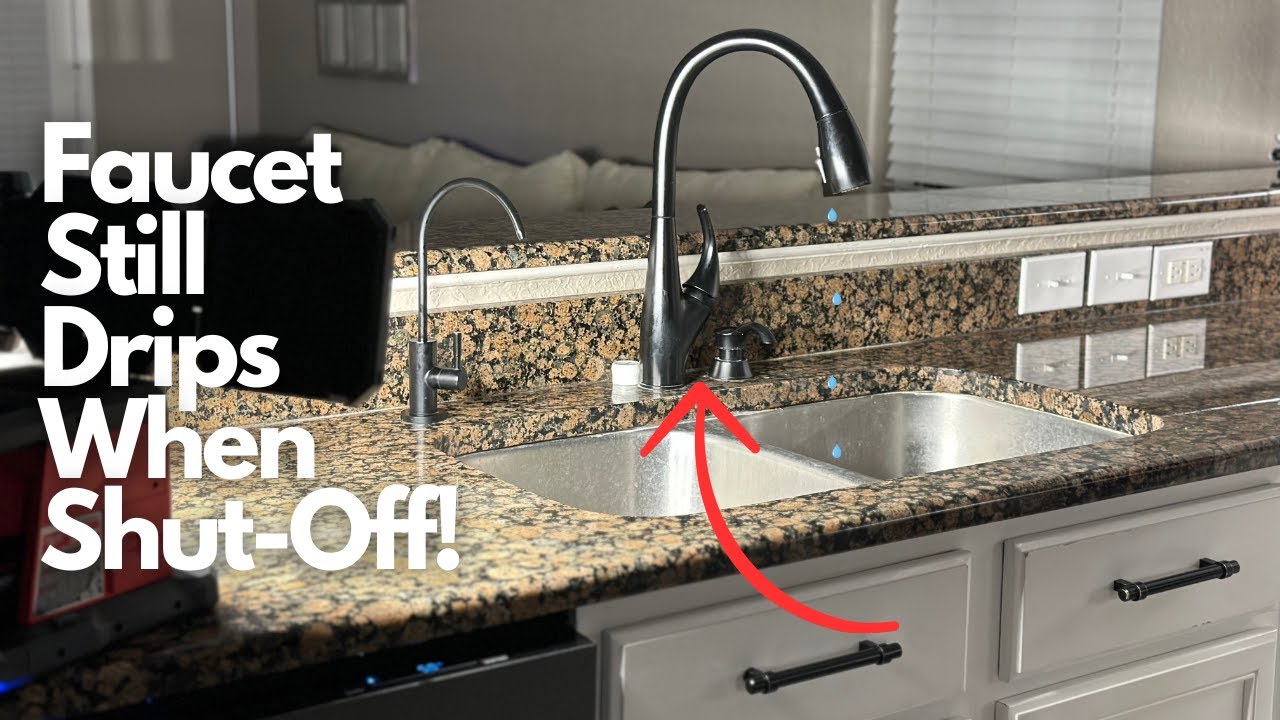
I have also seen misdiagnosed leaks where the real issue was wicking. A slow drip at the base of the spout after shutoff can be a failed O-ring, but it can also be condensation running down from a cold supply line in a humid kitchen. Wipe, watch, and verify before ordering parts. When you do replace parts, match them by model and generation. Cartridge variants look identical across years, but a locating tab moved or an inlet changed size. The right part makes you look like a magician. The wrong one turns a 30-minute job into a parts run.
A practical path for most homes
Tie the threads together, and a reasonable plan emerges. Test your water so you know your hardness, pH, alkalinity, and, if possible, chloride. Choose faucets with ceramic cartridges from manufacturers that publish part numbers and make replacements easy to get. During Faucet Installation, flush lines obsessively, use clean techniques, and avoid contaminating the flow path. Set a maintenance rhythm based on your numbers and what your eyes tell you at the aerator. Add treatment where it makes sense, and do not be afraid to borrow from Commercial faucet options when your kitchen behaves like a small restaurant.
There is no single fix that ends all Residential Faucet problems. But if you respect the chemistry, honor the mechanics, and pick serviceable designs, you move failures years into the future. Most of the time, you also spend less. I have watched clients go from replacing a kitchen faucet every other year to running the same one for a decade, with nothing more dramatic than an annual cleaning and a cartridge swap at year seven.
Faucets are small machines living in a mineral world. Give them clean starts, gentler water, and the occasional reset, and they will reward you with quiet, smooth service long after the warranty ends.
Business information
Business Name: Quality Plumber Leander
Business Address: 1789 S Bagdad Rd #101, Leander, TX 78641
Business Phone Number: (737) 252-4082
Business Website: https://qualityplumberleander.site/faucet-repair-replacement-plumber-in-leander-tx