
を夫が見ていて、
私も家事をしながら、聞いていたのですが、
未だ解決されていなかった、ということにも
驚いたのですが、、
ショッキングな出来事ですね。
色々考えさせられます。
ネットフリックスで。
(これは我が家はTmobilの特典で入っているーー)
Tylenol Murders Documentary Includes Interviews with Suspect James Lewis - Netflix Tudum
40年前の米未解決無差別殺人事件、現在の市販薬のあり方を変えるきっかけに - CNN.co.jp
40年前の米未解決無差別殺人事件、現在の市販薬のあり方を変えるきっかけに
「タイレノール殺人事件」 毒物発見のきっかけは
ワシントン(CNN) パトカーがゆっくりと通りを走り、拡声器から「追って通知があるまでタイレノールを服用しないように」との呼び掛けが流れる。1982年秋の米イリノイ州シカゴ郊外の光景だ。
この警告につながった「タイレノール殺人事件」として知られる出来事は何百万人もの米国人の背筋を凍らせた。
始まりは同州エルクグローブビレッジに住むメアリー・ケラーマンさん(当時12)が82年9月29日朝、気分が悪いと両親に告げたことだった。タイレノールのカプセルを1錠飲んだ後、メアリーさんはバスルームの床に倒れ込み、直後に死亡した。
同じ日、同州アーリントンハイツから16キロも離れていない場所で郵便局員のアダム・ヤヌスさん(当時27)がタイレノールのカプセルを2錠服用した後、近くの病院で死亡した。その日の午後に家族が集まり、兄弟のスタンリー・ヤヌスさんと妻のテレサさんも同じ瓶からタイレノールのカプセルを服用したところ、2人とも床に倒れ、後に死亡が確認された。
その後数日間のうちにシカゴ郊外でさらに3人がタイレノールを服用して死亡。死亡した7人はシカゴ郊外の同じ地域に住んでいた。
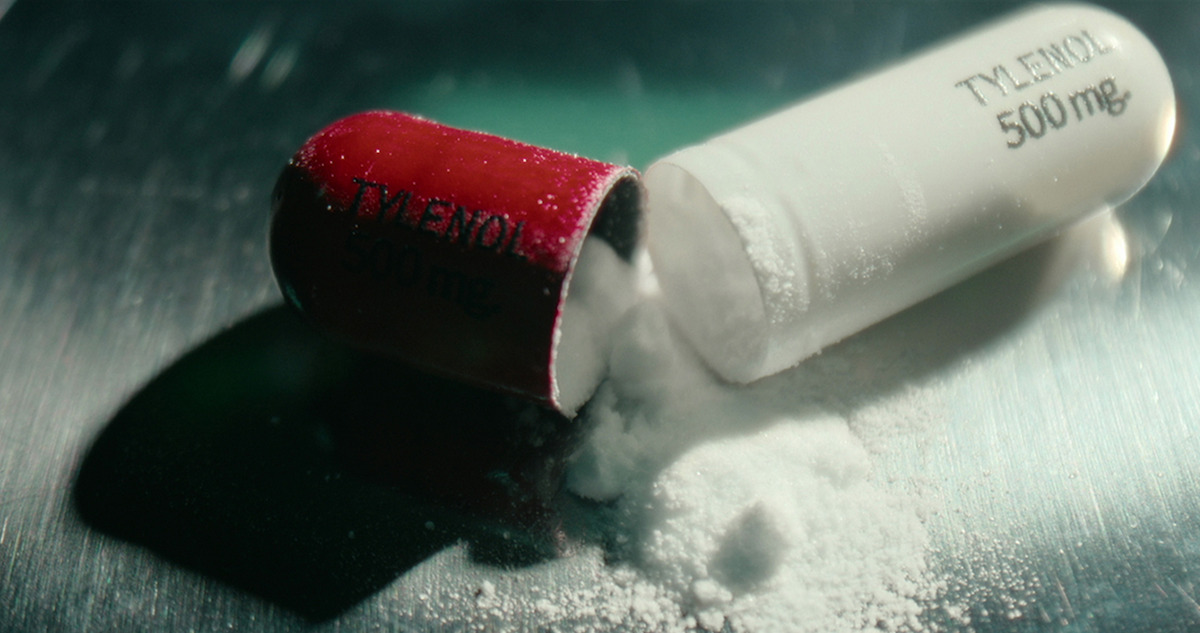
保健当局は後に、カプセルが分解され、タイレノールの粉末が青酸カリにすり替えられていたことを発見した。わずか数日のうちに、「タイレノール・エクストラ・ストレングス500ミリグラム」が全土で回収された。販売元のジョンソン・エンド・ジョンソンは少なくとも3100万本の瓶を回収。これは米国史上初の大規模なリコールだった。
事件の最も有力な容疑者はジェームズ・ウィリアム・ルイス氏だった。捜査官はルイス氏がジョンソン・エンド・ジョンソンに脅迫状を送り、タイレノール殺人を止めるために100万ドルを要求したと断定。しかし、捜査が拡大するにつれ、ルイス氏の関与の度合いははっきりしなくなっていった。ルイス氏は恐喝未遂で有罪となり、禁錮10年を言い渡された。
ルイス氏は刑期を全うし、釈放された。他の容疑者には港湾労働者のロジャー・アーノルド氏や「ユナボマー」ことセオドア・カジンスキー氏も含まれていたが、当局はアーノルド氏やカジンスキー氏を事件に結び付けることはできなかった。
今日に至るまで、タイレノール殺人事件の謎は続いている。一方で法執行機関とテキサス州の有力なバイオテクノロジー企業の連携など、最近の進展により、新しいDNA技術を利用することで事件を解決できるのではないかという期待が高まっている。
タイレノール殺人事件は未解決事件として恐怖を残しているものの、安全対策につながり、多くの命を救った可能性もある。現在、すべての市販薬には不正開封防止包装が施されている。タイレノールの厳重なパッケージは人々を守ってきた。それは未解決の殺人事件がもたらした結果なのだ。
【Netflix】「タイレノール殺人事件に迫る」製薬会社の「史上最高の危機対応」は本当だったのか? ビジネスの教科書を書き換えるドキュメンタリー
【Netflix】「タイレノール殺人事件に迫る」製薬会社の「史上最高の危機対応」は本当だったのか? ビジネスの教科書を書き換えるドキュメンタリー|柿生隠者(かきお・いんじゃ)
【概要】
コールドケース: タイレノール殺人事件に迫る
Cold Case: The Tylenol Murders
タイレノールに青酸カリを混入したのは一体誰なのか。未解決殺人事件の裏に潜む驚くべき仮説を検証し、有力な容疑者の正体に迫る実録犯罪シリーズ。
(Netflix公式サイトより)
5月26日に世界公開されたNetflixオリジナルドキュメンタリー。
約40分×3回。
地味ながら、犯罪史やビジネス史を書き換える衝撃度をもつ。
100点満点で90点。
<あらすじ>
1982年、ジョンソン・エンド・ジョンソン社(J&J社)の鎮痛薬「タイレノール」に青酸カリが混入しており、服用したシカゴの市民7名が死亡した。
J&J社は、製造過程で混入することはある得ないとしながらも、全米2200万本のタイレノールを回収、史上最大のリコールと言われた。
J&J社は工場での当局の検査を受け入れ、シカゴ当局は工場内にシアン化合物がないと声明した。
やがてシカゴ市に脅迫状(「青酸カリ混入をやめさせたいなら100万ドル払え」)が届き、ジェームズ・ルイスという男が逮捕される。FBIは、ルイスがドラッグストアで青酸カリを混入した犯人と見た。だが、証拠は発見されず、殺人罪ではなく脅迫罪で10年服役させる。
J&J社は、厳重に包装された「タイレノール」を再発売。信用失墜の危機に、J&J社がとった迅速な危機対応は、社会的責任を果たした立派なものとして賞賛され、時のレーガン大統領から表彰された。
だが、ルイスが収監された後、1986年にも、タイレノールで死者が出る・・
この事件は、1984年のグリコ・森永事件のもととなった(犯人が模倣した)とされることでも有名。
この時のJ&J社の危機対応は、いまもビジネスの教科書に載る「神対応」「顧客第一主義と情報公開の模範」として有名なものです。
ネット上にも、以下のようなサイトがありました。
ビジネス史上最も優れた危機対応を実現。ジョンソン・エンド・ジョンソン「タイレノール事件」(防災タイムズ)
この時同社がとった迅速な対応は、後に「ビジネス史上最も優れた危機対応」と称され、現在では経営者向けのケーススタディとして世界各国で取り上げられるまでになった
しかし、このドキュメンタリーは、
「工場にシアン化合物がなかったというのは嘘だったこと」
「タイレノール全品回収後、他に青酸カリ混入の製品がなかったか、第三者による検証が行われず、廃棄されたこと」
などを挙げ、J&J社が真実を隠蔽した疑いを強く示唆します。
そして、その隠蔽がFBIぐるみであった可能性も示します。
事件はあくまで未解決(コールドケース)であり、ドキュメンタリーは、ルイス犯人説と、J&J犯人説を並行して扱い、どちらが正しいとは結論しない。
でもドキュメンタリーが発しているのが「大企業や大組織を信じるな」というメッセージであることは明らかです。
公開されたばかりですが、これはかなり波紋を呼びそうな、大胆なドキュメンタリーです
Chicago Tylenol murders - Wikipedia
|
タイレノール事件 |
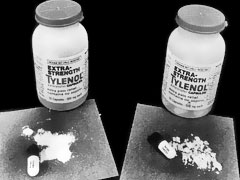 シアン化物が入れられていたカプセル(右) 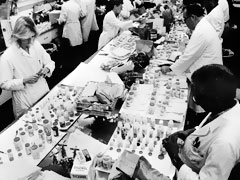 回収したカプセルの中身を検査中 |
1982年9月29日から翌日にかけて、イリノイ州シカゴ周辺で7人もの人々が鎮痛剤タイレノールのカプセルを服用した直後に死亡した。 (2011年1月13日/岸田裁月 |
The Tylenol Murders Revisits a Killer Who Lurked in US Medicine Cabinets
In 1982, 7 people died after taking Tylenol. This docuseries revisits the cold case.
May 29, 2025
In 1982, seven people in Chicago died completely unexpectedly. The common thread that tied their mysterious deaths shocked the nation: They’d all taken Tylenol laced with cyanide. News of the circulation of these lethal Tylenol capsules sparked a panic across the country and one of the largest criminal investigations in US history.
The three-part documentary series Cold Case: The Tylenol Murders is the latest installment in the Cold Case franchise. The Tylenol Murders reexamines the case that turned the ubiquitous over-the-counter drug into a murderous threat — and fundamentally called into question the blind faith many have in the world’s most trusted brands. Was it a maniacal killer who acted alone or a larger, potentially more unsettling conspiracy and cover-up?
From directors Yotam Guendelman and Ari Pines (Shadow of Truth, Buried) and executive producer Joe Berlinger (Cold Case: Who Killed JonBenét Ramsey, Conversations with a Killer), the documentary weighs shocking theories and evidence, looks at new testimonies, and even gets inside the mind of a key suspect.
“Before 1982, nobody thought twice about opening a bottle of painkillers,” directors Guendelman and Pines tell Netflix. “Today, every tamper-proof seal is a reminder of that dark moment — when cyanide-laced capsules transformed an everyday medicine into a murder weapon, permanently reshaping consumer industries. For more than 40 years, this case has been viewed through a narrow lens, locked onto a single theory while crucial evidence and promising leads were left unexplored. Perhaps that’s why, even after all these years, the case remains unsolved. With Cold Case: The Tylenol Murders, we’re taking a fresh look at this complex, haunting puzzle, shedding new light through overlooked evidence, unheard testimonies, and troubling inconsistencies. Our hope is that by expanding the narrative, we might bring the families of the victims a step closer to the answers they’ve awaited for decades.”
The docuseries was executive-produced by Joe Berlinger, Jon Kamen, Jen Isaacson, Craig D'Entrone, Yotam Guendelman, Ari Pines, Mika Timor, Maor Azran, and Dan Adler.
What were the Tylenol Murders?
Within the span of a few days in September of 1982, seven people in the Chicago area mysteriously died after ingesting Tylenol capsules, an over-the-counter painkiller. The victims ranged in age from 12 to 35; medical examiners discovered their deaths were due to potassium cyanide, a highly poisonous chemical that’s fatal if ingested. Investigators from multiple teams, including the FBI, found that the tainted pills had all been purchased from stores in the Chicago area.
The events triggered a national panic, decades of investigations, and multiple dead ends. In the aftermath, numerous copycat murders took place in New York, Washington State, and Texas.
Who is interviewed in Cold Case: The Tylenol Murders?
Cold Case: The Tylenol Murders features interviews with those closest to the killings, including leading suspect James Lewis who died in 2023.
What did Tylenol’s manufacturer, Johnson & Johnson, do in response to the killings?
“Our company and our product were also victims of this tragedy,” said Johnson & Johnson CEO James Burke at the time, as shown in the doc. “It’s a deliberate attempt to sabotage the product,” said Wayne Nelson of McNeil Laboratories, a subsidiary of Johnson & Johnson, whose most profitable product was Tylenol. The company recalled 5 million capsules of the drug — the largest recall in history at the time.
[man] Just before six o'clock,
the tones went off again.
“Certainly, from a corporate perspective, there was no deliberate effort on the part of Johnson & Johnson to distribute contaminated Tylenol,” says Gardiner Harris, the author of No More Tears: The Dark Secrets of Johnson & Johnson, in the doc. Harris covered Johnson & Johnson for many years as a reporter for the New York Times. “But we also don’t know whether there was some kind of problem at either of their two manufacturing facilities or anywhere along their distribution chain that might have led to these bottles being contaminated.” Johnson & Johnson has denied that their pills could have been tampered with at their factories, but, as seen in the documentary, it was discovered that potassium cyanide is used in quality controlled tests of Tylenol, and was found in their plants in the vicinity of where the pills are assembled. Critics of the murder investigation point out that many of the internal investigations were conducted by Johnson & Johnson, and were thus a conflict of interest.
“The company was able to relaunch Tylenol a few months later with a level of trust that no drug brand has ever been able to achieve before,” Harris says. The company changed their manufacturing process to add three layers of seals to their product that would prevent tampering, which the FDA confirmed.
The families of the Chicago victims sued Johnson & Johnson in 1983, claiming that the company knew that their bodies could be tampered with; Johnson & Johnson settled the suit in 1991, without admitting liability.
Were the Tylenol Murders solved?
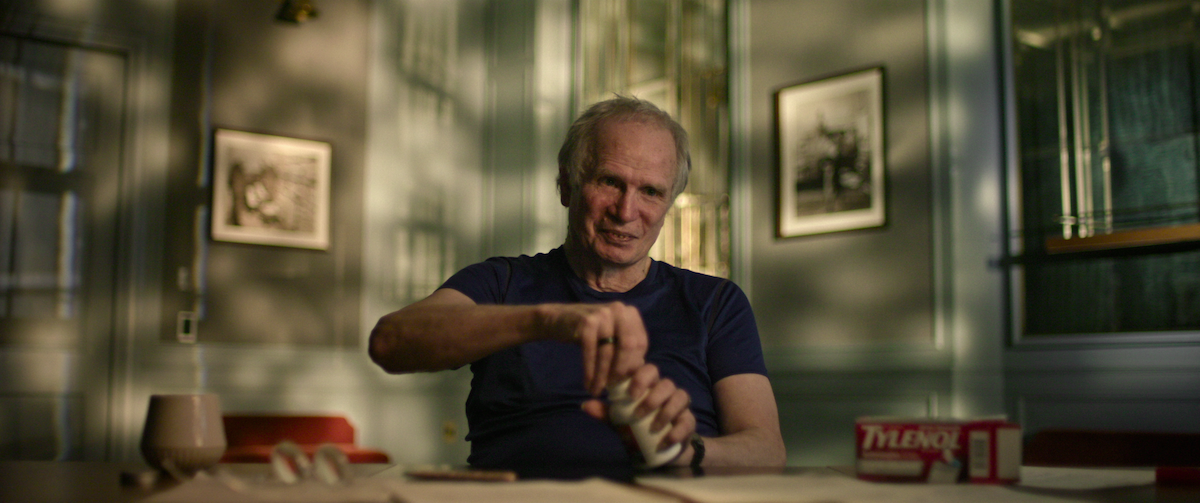
Despite compelling leads, the case remains unsolved. At the time, investigators were focused on James W. Lewis, a fugitive who was convicted of extorting Johnson & Johnson for $1 million, but he was never charged with the murders. Lewis appears in the documentary at length, detailing his reasons for writing the extortion letter, and for committing his previous crimes. Lewis served more than a decade in prison. Today, many involved in his prosecution still believe he was involved. Lewis died in 2023.
Another suspect, Roger Arnold, was a warehouse worker who was overheard at a bar discussing killing people with cyanide. Police found unregistered guns in his home, along with chemistry kits and books about poison, but no cyanide. He was never formally charged due to a lack of evidence. After he was released on bond, he looked to retaliate against the owner of the bar who first reported him, and mistakenly killed a stranger. Arnold died in 2008.
The investigation is still in progress to this day.
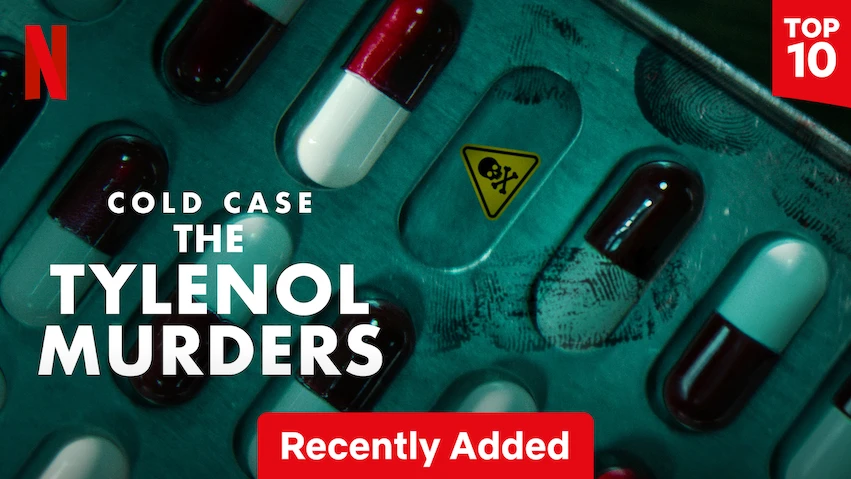
Cold Case: The Tylenol Murders
3 EpisodesTV-142025
Who really laced Tylenol with cyanide? This true-crime series examines alarming theories behind the unsolved killings — and tracks down a key suspect.