
The global pet care market has entered a period of rapid development, and cat products have become one of the most attractive business segments for manufacturers and investors. With the increasing number of cat owners worldwide, cat litter has transformed from a simple pet supply into an essential household product. Consumers are no longer only concerned about basic functions such as liquid absorption and odor control. They are also paying more attention to product safety, environmental protection, low dust performance, convenience, and overall user experience.
This market trend creates new opportunities for companies interested in entering the cat litter manufacturing industry. However, producing competitive cat litter products requires more than basic processing equipment. Manufacturers need to understand raw material characteristics, optimize production technology, control product quality, and establish an efficient manufacturing system. A professional production solution can help businesses transform different raw materials into high-quality cat litter products while reducing production costs and improving market competitiveness.

Cat litter products can be divided into several major categories according to their raw materials and production technologies. The most common types include bentonite cat litter, wood cat litter, tofu cat litter, paper cat litter, corn cat litter, and other biodegradable cat litter products. Each type has different advantages and requires specific production processes.
Bentonite cat litter remains one of the most widely used products in the global market. Its strong clumping performance and excellent moisture absorption make it popular among cat owners. During production, bentonite materials need to be processed carefully to achieve suitable particle sizes and stable pellet structures. The quality of crushing, mixing, granulation, drying, and screening directly affects the final product performance.
Wood cat litter is another fast-growing category due to increasing environmental awareness. It is generally made from sawdust, wood chips, and other biomass materials. As consumers become more concerned about sustainability, biodegradable pet products have gained significant attention. Wood-based cat litter offers advantages such as renewable raw materials, natural odor control, and lower environmental impact.
Tofu cat litter has also gained popularity in many markets because of its natural characteristics. Made from soybean residue or other plant-based materials, tofu cat litter provides good absorption performance and is often considered a more environmentally friendly alternative. Since plant-based materials usually have different moisture content and physical properties compared with mineral materials, specialized production technology is required to achieve stable quality.
The choice of raw materials is one of the most important factors when establishing a cat litter manufacturing business. Investors should evaluate local resource conditions, transportation costs, product positioning, and market demand before selecting production materials. For example, regions with abundant forestry resources may have advantages in producing wood cat litter, while agricultural areas may utilize crop residues or food processing by-products for plant-based cat litter.
Using locally available resources can provide significant economic benefits. It reduces raw material transportation costs and allows manufacturers to develop products with regional advantages. At the same time, converting agricultural and forestry waste into valuable pet products contributes to sustainable development and resource recycling.
A modern cat litter manufacturing process usually consists of several key stages, including raw material preparation, crushing, mixing, pelletizing, drying, cooling, screening, and packaging. Each stage plays an important role in determining production efficiency and product quality.

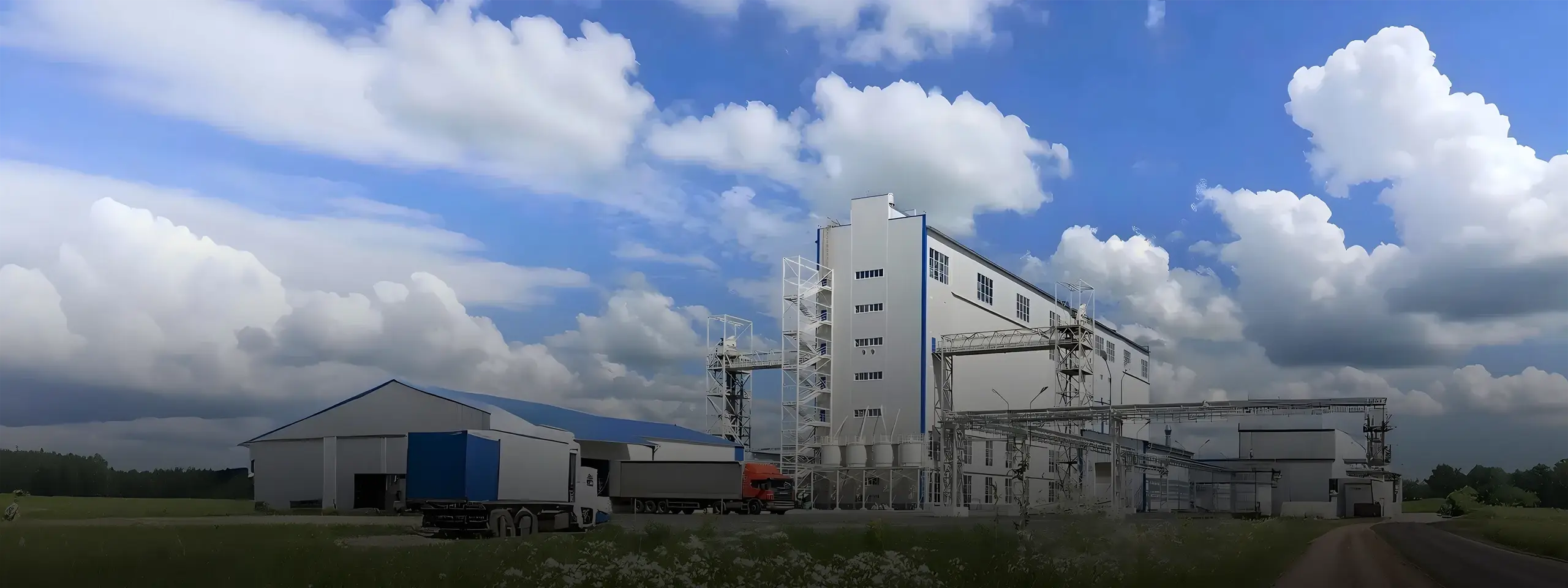
The first stage is raw material cleaning. Before entering the production process, raw materials need to be screened and cleaned to remove impurities such as stones, metal particles, and unwanted materials. Effective cleaning protects production equipment and ensures that the final cat litter products meet quality requirements.
After cleaning, the raw materials are crushed into suitable particle sizes. Crushing improves material uniformity and creates better conditions for mixing and pelletizing. Different raw materials require different crushing methods, and professional equipment selection is necessary to achieve the desired processing effect.
The mixing process ensures that all components are evenly distributed. Depending on the product formula, manufacturers may add deodorizing agents, antibacterial ingredients, fragrance materials, or other functional additives. Uniform mixing helps maintain consistent performance in every batch of finished products.
Pelletizing is the core process in cat litter production. During pelletizing, loose materials are compressed into granules with specific shapes and sizes. The pellet quality determines important product characteristics such as absorption capacity, hardness, durability, and appearance. Advanced pelletizing technology allows manufacturers to produce different particle sizes according to market requirements.
(Learn more about high-performance cat litter pellet machine )
The drying process removes excess moisture from the finished pellets. Proper moisture control improves product stability, prevents mold growth, and extends storage life. For biomass-based cat litter products, drying technology is especially important because natural materials usually contain higher moisture levels.
After drying, cooling and screening improve the quality of finished products. Cooling helps stabilize the pellet structure, while screening separates qualified products from broken particles and oversized materials. This ensures that packaged products have consistent appearance and performance.
Packaging is the final stage before cat litter products enter the market. Automatic packaging machines can improve production efficiency by accurately measuring weight, filling bags, and sealing packages. Efficient packaging not only reduces labor costs but also improves product presentation for retail sales.
For businesses planning to build a cat litter factory, customized solutions are becoming increasingly important. Different investors have different raw materials, production capacities, factory spaces, and market goals. Therefore, a standard production line may not always meet every customer's requirements.
A customized cat litter production line is designed based on specific customer conditions, including raw material characteristics, product type, production capacity, and automation requirements. Instead of using a fixed equipment combination, engineers analyze the entire project and create a production system that matches the customer's actual needs.
One of the biggest advantages of customization is improved production efficiency. When equipment is selected according to raw materials and production targets, every processing stage can operate more smoothly. This reduces unnecessary energy consumption, minimizes material waste, and improves overall productivity.
Customization also allows manufacturers to produce multiple types of cat litter products. For example, a factory may want to produce both wood cat litter and tofu cat litter, or it may plan to upgrade from a small production capacity to a larger commercial scale in the future. A flexible production design makes these expansions easier.
Factory layout design is another important part of a customized solution. A reasonable layout ensures smooth material transportation, convenient equipment maintenance, and efficient workflow. Professional engineers consider factors such as factory dimensions, production process sequence, storage areas, and future expansion possibilities when designing the layout.
Automation level is also an important consideration. Small-scale manufacturers may require simple and cost-effective production systems, while large enterprises may need highly automated solutions with centralized control systems, automatic feeding, intelligent monitoring, and automatic packaging. A customized approach allows investors to select the right automation level according to their business strategy.
Energy consumption is another factor that affects long-term profitability. Efficient equipment design and optimized production processes help reduce operating costs. Modern cat litter factories focus not only on production capacity but also on energy efficiency, environmental performance, and sustainable operation.
Quality control is essential for building a successful cat litter brand. Customers expect products with stable absorption, low dust, good odor control, and consistent particle size. Therefore, manufacturers need reliable equipment and strict production management to maintain product quality.
Professional equipment suppliers play an important role in helping investors establish successful cat litter businesses. A reliable supplier should provide not only machines but also technical consultation, process design, installation guidance, commissioning support, and after-sales service.
RICHI Machinery provides customized production solutions for customers worldwide who want to enter the cat litter manufacturing industry. With experience in pelletizing technology and industrial production systems, RICHI can analyze different raw materials and design suitable equipment configurations according to customer requirements.
From raw material processing to final packaging, every part of the production process can be optimized to improve efficiency and product quality. Whether customers plan to produce bentonite cat litter, wood cat litter, tofu cat litter, or other innovative pet litter products, professional engineering support helps reduce project risks and achieve stable production.
The future development of the cat litter market will continue to be driven by increasing pet ownership, environmental awareness, and demand for higher-quality pet products. Manufacturers who invest in advanced technology and flexible production systems will have stronger advantages in global competition.
Building a cat litter manufacturing factory is not simply about purchasing equipment. It requires a complete understanding of the market, raw materials, production technology, and business strategy. With a well-designed production solution, investors can create efficient manufacturing capabilities and develop products that meet changing consumer needs.
A professionally planned cat litter production facility can help businesses reduce costs, improve efficiency, and establish long-term competitiveness. By choosing advanced technology, utilizing suitable raw materials, and working with an experienced engineering partner, companies can successfully enter the growing pet product industry and capture new market opportunities.