
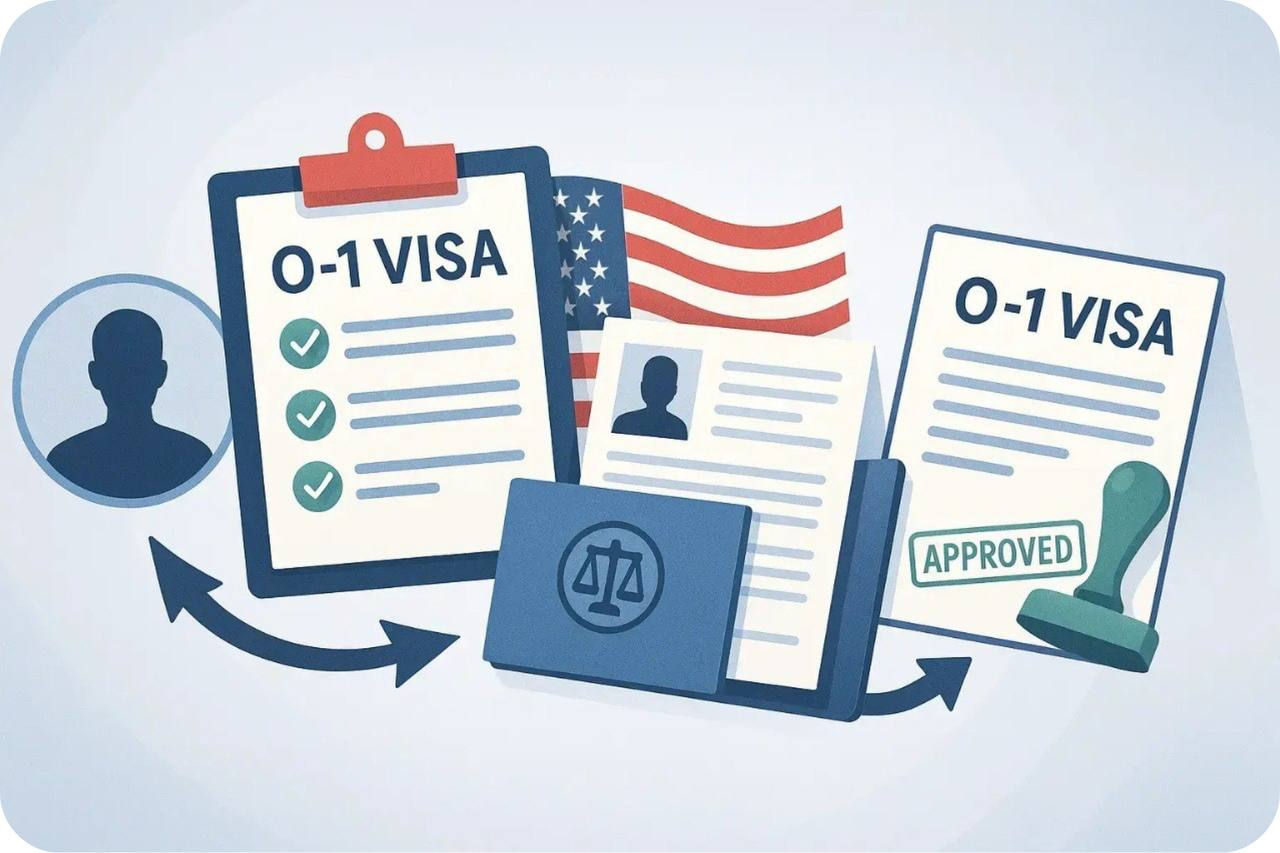
The United States attracts talented professionals, researchers, entrepreneurs, artists, and athletes from around the world. For individuals with exceptional achievements in their respective fields, the O-1 visa offers an opportunity to work in the country based on extraordinary ability. However, obtaining this visa involves several legal requirements, detailed documentation, and a carefully prepared petition. Understanding the process can help applicants make informed decisions, especially when determining whether professional legal assistance is necessary.
An experienced O1 visa lawyer can guide applicants through the different stages of the immigration process, explain eligibility requirements, and help organize evidence that demonstrates extraordinary ability.
What Is an O-1 Visa?
The O-1 visa is a temporary U.S. work visa for individuals who have demonstrated extraordinary ability or achievement in specific professional fields. It is generally divided into two main categories.
The O-1A classification applies to individuals working in science, education, business, and athletics. The O-1B classification is designed for individuals with extraordinary ability in the arts or extraordinary achievement in the motion picture and television industry.
Applicants must demonstrate a high level of professional recognition through qualifying evidence. This may include prestigious awards, media coverage, published research, significant contributions, leadership roles, or other achievements recognized within their industries.
Understanding the O-1 Visa Application Process
The O-1 visa application involves several important steps. Unlike some employment-based immigration categories, individuals cannot simply submit a personal application without an eligible petitioner. A U.S. employer or qualifying U.S. agent generally files Form I-129 on behalf of the beneficiary.
The process usually begins with evaluating eligibility and identifying the appropriate O-1 classification. Applicants then collect supporting documents that demonstrate their professional achievements and recognition.
Depending on the case, the petition may include recommendation letters, employment agreements, contracts, event schedules, professional publications, and evidence of previous accomplishments. A consultation or advisory opinion from an appropriate peer group or labor organization may also be required, subject to applicable exceptions.
Once the petition is prepared, the petitioner submits it to U.S. Citizenship and Immigration Services (USCIS). If approved, the beneficiary may proceed with the applicable visa application or other required immigration steps.
When Should You Hire an O1 Visa Lawyer?
Hiring an immigration attorney early can be helpful, particularly when an applicant is uncertain about eligibility or the evidence required. However, certain situations make professional legal assistance especially valuable.
When You Are Unsure About Your Eligibility
Having a successful career does not automatically mean someone qualifies for an O-1 visa. Applicants must satisfy specific immigration standards and demonstrate achievements that meet the applicable criteria.
An attorney can evaluate professional experience, awards, publications, industry recognition, and other accomplishments. This assessment helps determine whether the applicant has a reasonable basis for pursuing an O-1 petition.
When You Have Limited Supporting Evidence
Some professionals have impressive achievements but lack organized documentation to demonstrate their importance. For example, an entrepreneur may have developed an innovative business solution without receiving major industry awards.
An O1 visa lawyer can identify potentially relevant evidence and explain how to document professional contributions. This may involve gathering financial records, media coverage, expert opinions, project information, and other supporting materials.
When Preparing Recommendation Letters
Recommendation letters can help explain why an applicant's work is important within their industry. However, generic letters containing broad compliments may not provide enough meaningful information.
An attorney can help identify appropriate recommenders and organize letters that describe specific achievements, professional influence, and the significance of the applicant's contributions.
When Responding to a Request for Evidence
USCIS may issue a Request for Evidence (RFE) if additional information is necessary to evaluate a petition. This can happen when submitted documents do not sufficiently address certain eligibility requirements.
An immigration attorney can analyze the concerns raised by USCIS, identify relevant supporting materials, and prepare a structured response within the deadline. Getting professional assistance at this stage can be particularly important.
Common Mistakes Applicants Should Avoid
Preparing an O-1 petition without understanding the legal requirements can lead to avoidable problems. Some applicants submit documents that demonstrate professional experience but fail to explain how their achievements satisfy the relevant criteria.
Other common mistakes include inconsistent information, weak recommendation letters, incomplete employment documentation, and poorly organized evidence.
Applicants should also avoid assuming that social media popularity or a large professional network automatically establishes extraordinary ability. Each piece of evidence must be evaluated in the context of the applicable immigration standards.
How to Choose the Right Immigration Attorney
Choosing an attorney with relevant experience can make the preparation process more manageable. Applicants should look for professionals who regularly handle O-1 visa cases and understand the requirements of their particular industry.
Before hiring, consider discussing previous case experience, legal fees, communication methods, document preparation, and expected timelines. A transparent attorney should explain both the strengths and potential weaknesses of the case without promising guaranteed approval.
Final Thoughts
The O-1 visa process requires careful planning, strong supporting evidence, and a clear understanding of U.S. immigration requirements. Although some applicants may organize their documentation independently, professional legal guidance can be especially useful when eligibility is uncertain, evidence is complicated, or USCIS requests additional information.
Hiring an experienced immigration attorney at the right stage can help applicants prepare a more organized petition, address potential weaknesses, and navigate the process with greater confidence. Ultimately, thorough preparation and accurate documentation are essential when pursuing an extraordinary ability visa.