
Most cat owners can name the price of a litter box without thinking. What they rarely tally is everything that surrounds it: the litter that gets scattered and wasted, the cleaning products bought to fight odor, the mats replaced every few months, and the time spent scooping and scrubbing. None of those costs appear on a product tag, yet together they often exceed the price of the box itself many times over. An outdated setup is rarely expensive on the day you buy it; it is expensive in the slow accumulation of small, recurring losses.
Looking at a litter box as a system rather than an object changes how you evaluate it. This article breaks down the hidden costs of an aging setup, explains where the money and time actually go, and outlines what a more efficient arrangement looks like in practice. The point is not to spend more, but to stop paying for the same problems every month.
Where the Money Actually Goes
The sticker price of a box is the smallest number in the budget. Litter, cleaning supplies, replacement parts, and floor protection make up the real recurring expense. Once those are added up, the difference between a cheap tray and a well-built one narrows quickly, and in some cases reverses.
Litter Waste and Overuse
A shallow or narrow tray forces you to overfill it to keep waste off the bottom, and an overfilled tray spills more. Every spill is litter that never reaches its purpose. High sides and a wider base keep litter where it belongs, which stretches each bag further. Add a scoop that crumbles clumps and you lose litter to dust and fragments that get thrown out with the waste. Over a year, that waste is measurable, and it is the most avoidable cost in the entire routine.
Depth also changes how often the box needs a full change. Litter that is too thin saturates quickly, and saturated litter has to be replaced more often. A consistent two to three inches of litter, maintained by topping off after each scoop, keeps the material working longer. The savings show up quietly, one bag at a time, but they compound.
Cleaning Products and Odor Control
Odor is expensive. When a box smells, owners buy sprays, powders, candles, and specialized cleaners, and none of them fix the underlying cause. A box that traps moisture and holds residue keeps generating odor no matter how much product goes into the room. Worse, scented cleaners can leave residue that discourages cats, and a cat that avoids the box creates new cleaning problems elsewhere.
Fixing the source usually costs less than treating the symptom. A tray with smooth walls and sealed corners is easier to wash thoroughly, which means fewer repeat cleanings and less soap. An cat litter box designed for quick maintenance reduces both the frequency and the intensity of deep cleans, and that shows up in the household budget as fewer bottles on the shelf.

The Time Cost Nobody Counts
Money is only half the ledger. Time is the other half, and it is usually the larger one. A poorly designed box adds minutes to every scoop, and those minutes add up to hours across a year. Add the occasional deep clean after an accident, the scrubbing of a stained floor, and the extra shopping trips for supplies, and the time cost becomes significant.
Consider the daily routine. A box with a narrow opening and a deep well takes longer to scoop because you have to reach around corners. A tray with a lid that is awkward to remove makes weekly washing feel like a project, so it gets postponed. A scratched base holds odor, so the wash takes longer and the box never feels truly clean. Each of those frictions is small, but together they turn a simple chore into something you dread, and dread leads to delays.
The fix is usually design, not discipline. Boxes with wide, removable lids, smooth interiors, and a separate waste compartment cut the time per clean. Some designs include a built-in scoop holder and a sealed storage area, which removes the search for tools and the temptation to leave waste sitting in a bag. When cleaning takes less than two minutes, it happens every day without negotiation.
Replacement Cycles and Repairs
Cheap trays fail in predictable ways. Thin plastic cracks at the corners, scratched interiors absorb odor, and hoods snap where the plastic is stressed. Each failure triggers a replacement, and a box that lasts a year or two is more expensive over time than one that lasts five. The same logic applies to accessories: filters, liners, and mats that are hard to find or discontinued turn a working box into an orphan.
Before buying, check whether the parts you will need are available and affordable. A replaceable filter or a spare scoop is a small thing until it is missing. A box with a standard shape and durable base is easier to maintain and less likely to be thrown out early. Longevity is a cost strategy, not just a quality preference.

What an Efficient Setup Looks Like
An efficient setup is not necessarily automated or high-tech. It is a combination of size, depth, placement, and maintenance that minimizes waste and friction. The elements are straightforward, and each one removes a specific cost.
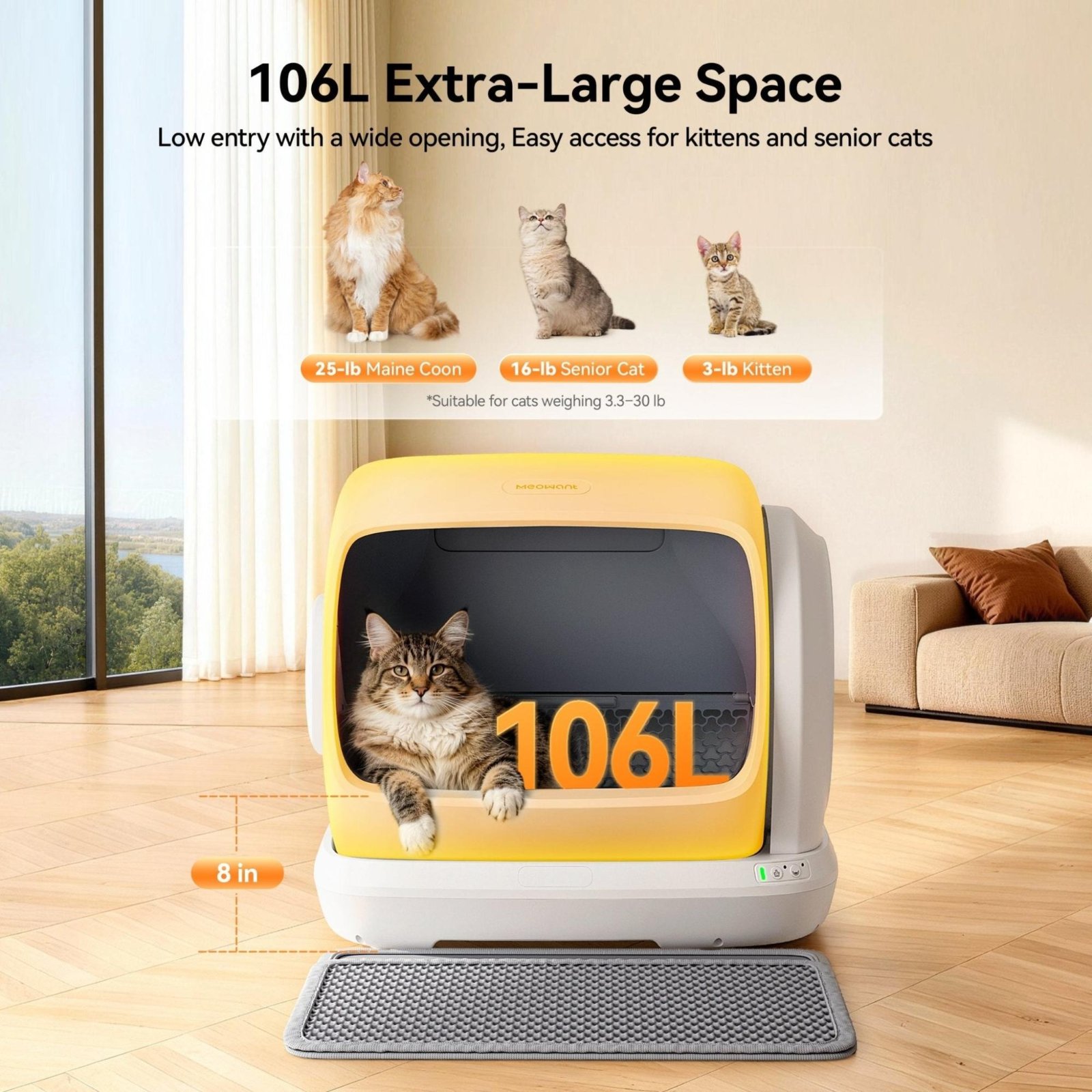
Start with a box large enough for your cat to turn around, with high sides on three sides and a low front for easy entry. That shape keeps litter in and waste contained, which reduces spill waste and floor cleaning. Use a consistent litter depth and top it off after every scoop. Place the box in a quiet spot with airflow, and keep a scoop and a waste bag within reach so the routine has no friction. These choices cost little up front and pay back every week.
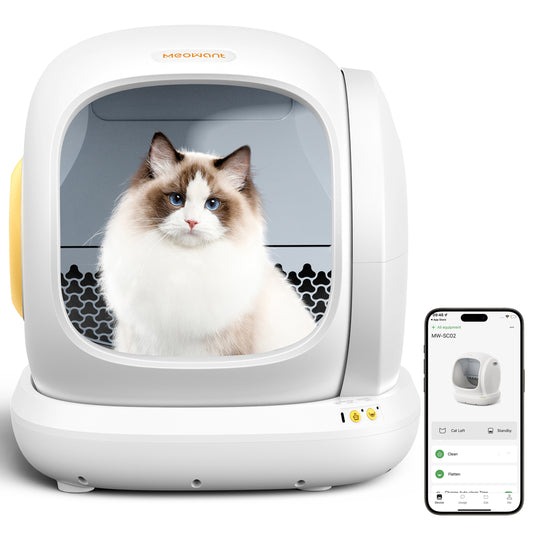
Then consider the shared-household scenario. In a home with more than one cat, a single small box gets overwhelmed, and the cleaning time multiplies. A larger box with a covered waste area, like the designs Meowant builds for multi-cat homes, reduces how often the box needs a full change and keeps odor from spreading between cleanings. The savings here are both time and litter, and they are easy to see within a month.
Finally, schedule maintenance instead of reacting to problems. A weekly wash and a monthly inspection of seams and scratches prevent the slow decline that turns a good box into a smelly one. A five-minute check costs almost nothing and postpones replacement by years.
Deciding When to Replace
Not every old box needs to go. If the plastic is smooth, the lid fits, and the box washes clean, a new scoop or a fresh bag of litter may be all it needs. Replacement makes sense when the base is scratched deeply, the seams hold odor after washing, or the hood is cracked in a way that traps waste. Those are signs that the box is adding cost rather than saving it.
A simple test helps: wash the box, let it dry, and smell it. If it still carries odor, the plastic has absorbed it and no cleaning will reverse that. At that point, a replacement is the cheaper choice over months of extra products and effort.
Spend Once, Save Every Week
The hidden costs of an outdated litter box setup are real, but they are also predictable. Litter waste, odor products, replacement cycles, and daily friction all follow from a few design and routine choices. Change those choices and the recurring costs shrink without any dramatic purchase.
Measure the box against your cat, keep the litter deep, place it well, and clean on a schedule. When the box itself is worn out, replace it with one built to last and easy to maintain. The goal is not a cheaper box on day one; it is a lower total cost across the years, measured in bags of litter, bottles of cleaner, and hours you get back.