
PLA Nonwoven Fabric and Its Role in Sustainable Textile Manufacturing
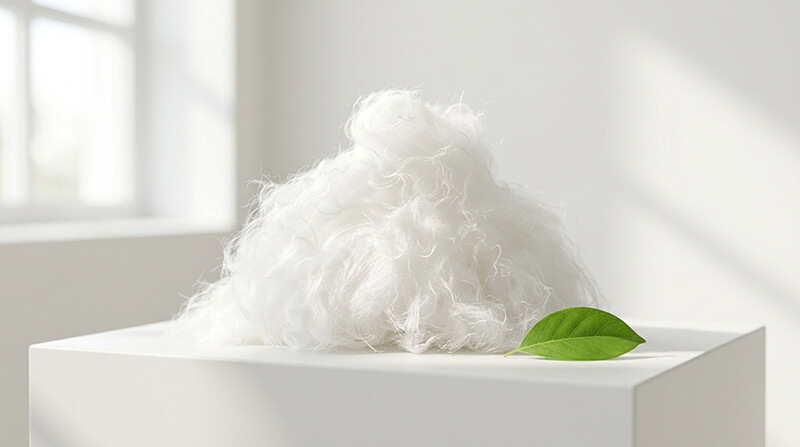
The growing demand for sustainable materials is encouraging manufacturers to explore alternatives to conventional petroleum-based textiles. Among these innovations, polylactic acid (PLA) has emerged as a promising material because it combines renewable raw-material sourcing with useful properties for modern textile and nonwoven applications. From healthcare products to packaging and filtration, PLA-based materials are creating new opportunities for manufacturers seeking practical and environmentally conscious solutions.
PLA nonwoven fabric is particularly valuable because it can provide lightweight construction, breathability, softness, and versatility across different industries. Supported by advances in PLA fiber technology, these materials offer manufacturers greater flexibility when developing products for specific performance and application requirements.
Understanding PLA Nonwoven Fabric and Its Production
PLA nonwoven fabric is a textile material produced from polylactic acid fibers derived from renewable resources such as corn starch and sugarcane. Unlike traditional woven fabrics, which are created by interlacing yarns, nonwoven materials are formed by bonding or mechanically connecting fibers into a structured sheet.
This manufacturing approach allows producers to develop materials with different thicknesses, textures, strengths, and functional characteristics. Depending on the intended application, PLA nonwovens can be manufactured through thermal bonding, air-through bonding, spunlace, needle punching, spunbond, and meltblown technologies.
Each process offers different advantages. Thermal bonding uses heat to connect fibers, while needle punching mechanically interlocks them. Spunlace technology uses high-pressure water jets, and meltblown production creates fine fiber structures suitable for specialized filtration applications. These manufacturing options make PLA nonwoven materials adaptable to a wide range of industrial requirements.
The Importance of PLA Fiber in Nonwoven Manufacturing
The quality and characteristics of the fibers used during production directly influence the performance of the finished material. PLA fiber provides a renewable alternative to conventional synthetic fibers and can be processed into different textile structures according to product requirements.
PLA staple fibers are available in different lengths and fineness levels, allowing manufacturers to select suitable materials for spinning, filling, and nonwoven production. For example, eSUN offers PLA staple fiber with specifications ranging from 1 to 6 denier and lengths of 6 to 64 millimeters.
These fibers are valued for their smooth surface, curliness, resilience, and relatively low moisture regain. They can also be blended with selected natural or synthetic fibers to create materials with specific characteristics.
By combining suitable fiber properties with appropriate manufacturing techniques, producers can develop nonwoven products that balance comfort, strength, functionality, and material efficiency.
Key Characteristics of PLA Nonwoven Materials
One of the main advantages of PLA-based nonwovens is their combination of functional performance and renewable material origins. Their characteristics make them suitable for several applications where comfort and material properties are important.
Breathability and Comfort: PLA nonwoven structures can provide good air permeability, making them useful for hygiene, medical, and personal-care products.
Lightweight Construction: Their relatively low weight supports applications where flexibility and easy handling are important.
Moisture Management: PLA materials offer moisture-related performance characteristics that can contribute to comfort in selected textile applications.
Softness and Smoothness: Their surface characteristics make them suitable for products that come into contact with skin or require a comfortable texture.
Versatile Processing: Different PLA fiber structures can be adapted to various nonwoven production methods, allowing manufacturers to develop materials for specific applications.
The final performance depends on fiber composition, fabric construction, bonding methods, and processing conditions.
Major Applications Across Different Industries
The versatility of PLA nonwoven fabric makes it useful in industries that require lightweight, functional, and renewable material solutions.
Medical and Healthcare Products
Medical and healthcare applications represent an important area for PLA nonwoven materials. Their softness, breathability, and suitability for selected skin-contact applications make them relevant to products such as surgical gowns, face masks, medical dressings, and disposable hygiene materials. Material selection must still meet the appropriate medical and regulatory requirements.
Hygiene and Personal Care
PLA nonwovens can be incorporated into sanitary napkins, baby diapers, disposable wipes, and other personal-care products. Their lightweight structure and moisture-management characteristics make them suitable for applications where comfort and material performance are essential.
Sustainable Packaging
Packaging manufacturers are increasingly exploring alternatives to conventional plastic-based materials. PLA nonwoven fabrics can be used in shopping bags, food-related packaging, tea bags, coffee filters, and protective packaging. Their flexibility and renewable origins make them an interesting option for businesses developing more sustainable packaging solutions.
Filtration and Industrial Applications
PLA fibers can also be processed into filtration materials for air and liquid applications. Their performance depends on fiber fineness, fabric density, and manufacturing technology. Beyond filtration, PLA nonwovens have potential uses in automotive interiors, agricultural coverings, and other industrial textile products.
Agriculture and Horticulture
Agricultural applications include weed-control fabrics, planting bags, seedling materials, and crop-protection coverings. These products can support agricultural operations while offering an alternative to certain conventional synthetic materials.
Environmental Benefits of PLA-Based Textiles
Sustainability is an important reason manufacturers are exploring PLA-based materials. Unlike conventional petroleum-derived synthetic fibers, PLA is produced from renewable plant-based resources. This provides an opportunity to reduce dependence on fossil-based raw materials.
Another significant characteristic is its potential for industrial compostability under suitable conditions. However, biodegradation depends on the material formulation and the surrounding environment. Industrial compostability should not be confused with immediate decomposition in soil, oceans, or ordinary household waste.
For manufacturers, selecting PLA materials can form part of a broader sustainability strategy that considers raw-material sourcing, production efficiency, product lifespan, and end-of-life management. Appropriate disposal infrastructure is also important to achieve the intended environmental benefits.
eSUN's Approach to PLA Fiber and Nonwoven Fabric Development
eSUN focuses on the development and production of polylactic acid fibers and nonwoven materials for different industrial applications. Its product range includes PLA staple fibers and multiple nonwoven fabric technologies, giving manufacturers options for developing products with specific material and processing requirements.
Its nonwoven fabric offerings include thermal-bonded, air-through, spunlace, needle-punched, spunbonded, and meltblown varieties. This range addresses different manufacturing needs across healthcare, packaging, filtration, agriculture, and consumer products.
The company's PLA staple fiber range also provides options for yarn and nonwoven manufacturing. With different fiber lengths and fineness levels available, manufacturers can select suitable materials according to their production processes and finished-product requirements.
By emphasizing material development and application versatility, eSUN supports businesses exploring the practical use of renewable fibers in modern textile manufacturing.
The Future of PLA Nonwoven Fabric in Sustainable Manufacturing
As industries continue to evaluate renewable materials, PLA nonwoven fabric is becoming an increasingly relevant option for manufacturers seeking alternatives to conventional synthetic textiles. Its combination of lightweight construction, breathability, processing flexibility, and renewable sourcing creates opportunities across multiple sectors.
Advancements in PLA fiber technology are also expanding the possibilities for developing specialized nonwoven structures with improved functional characteristics. Companies that invest in suitable materials and manufacturing processes can explore new product designs while responding to changing sustainability expectations.
With its focus on PLA staple fibers and nonwoven fabric solutions, eSUN represents an interesting option for businesses looking to explore these materials. As research, processing technologies, and composting infrastructure continue to develop, PLA-based textiles have the potential to play a valuable role in the future of sustainable manufacturing.