
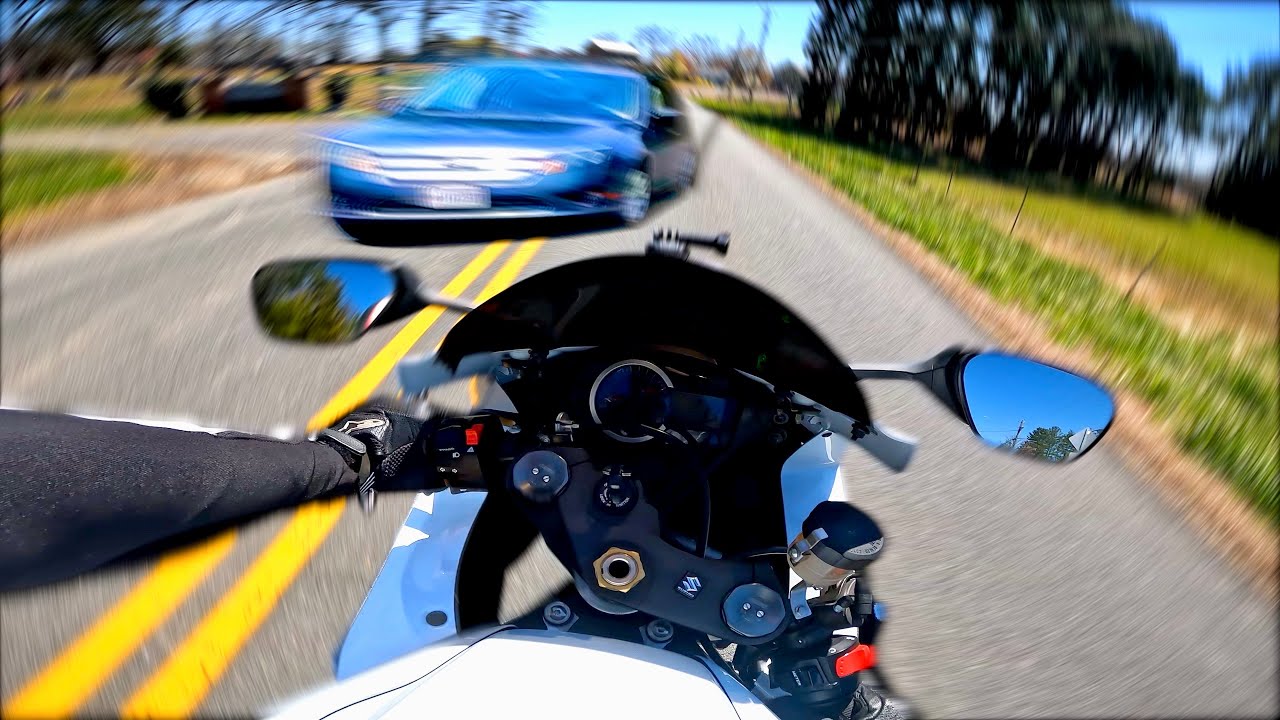
Motorcycles offer convenience, flexibility, and an enjoyable way to travel, but riders face unique risks on the road. Unlike cars, motorcycles provide little physical protection during a collision. Even a relatively minor crash can result in serious injuries when a rider is thrown from the bike or comes into contact with another vehicle or the road surface.
Understanding why motorcycle accidents happen is an important step toward preventing them. By recognizing common hazards, improving riding habits, and using appropriate safety equipment, motorcyclists can reduce avoidable risks and make roads safer for everyone.
1. Speeding and Losing Control
Excessive speed is a major risk factor in motorcycle crashes. Motorcycles can accelerate quickly, but traveling too fast reduces the time available to react to sudden hazards. It can also make it more difficult to negotiate sharp turns, avoid obstacles, or stop safely.
Speed becomes especially dangerous on unfamiliar roads, winding routes, and streets with heavy traffic. A rider who approaches a curve too quickly may struggle to maintain control, particularly when the road surface is uneven or slippery.
How to prevent it: Follow posted speed limits and adjust speed to match traffic, visibility, and road conditions. Slow down before entering a curve rather than braking suddenly in the middle of it. Leave enough distance from other vehicles to respond safely if traffic stops.
2. Drivers Failing to See Motorcyclists
Motorcycles are smaller than passenger cars and can be difficult for other drivers to notice. A driver turning at an intersection, changing lanes, or pulling out of a parking area may overlook an approaching motorcycle.
These situations can lead to serious side-impact or head-on collisions. The risk increases when drivers check their mirrors without properly assessing blind spots or misjudge the speed and distance of an approaching rider.
The National Highway Traffic Safety Administration (NHTSA) advises motorcyclists to ride defensively and pay particular attention to intersections, where conflicts with other vehicles can occur.
How to prevent it: Use your headlight, wear visible clothing, and position yourself where other drivers are more likely to see you. Avoid lingering in vehicle blind spots. When approaching an intersection, reduce speed and be prepared for another driver to turn or enter your path unexpectedly.
3. Distracted or Impaired Riding
Distraction affects a rider's ability to observe traffic, identify hazards, and react promptly. Looking at a phone, adjusting navigation, or concentrating on something other than the road can delay an important decision.
Alcohol and drugs can further impair judgment, coordination, balance, and reaction time. These effects are particularly dangerous when riding a motorcycle because maintaining stability requires continuous attention and control.
Fatigue can create similar problems. Long rides, insufficient sleep, and monotonous highway travel may reduce concentration and slow responses.
How to prevent it: Put your phone away before starting the journey and set navigation in advance. Never ride under the influence of alcohol or impairing drugs. Take regular breaks on longer trips, and stop somewhere safe if you become tired or have difficulty concentrating.
4. Poor Road Conditions and Bad Weather
Road surfaces that may be manageable for a car can pose serious challenges for a motorcycle. Loose gravel, potholes, oil, wet leaves, sand, and uneven pavement can reduce tire grip or disturb the bike's balance.
Rain creates additional hazards by making some surfaces slippery and reducing visibility. Strong winds can push a motorcycle sideways, particularly in exposed areas or when passing large vehicles. Poor lighting can also make it harder to identify obstacles in time.
How to prevent it: Reduce speed when road conditions deteriorate and increase your following distance. Avoid sudden steering, acceleration, or braking on slippery surfaces. Watch for standing water, damaged pavement, and loose materials, and postpone a ride when weather conditions make safe control difficult.
5. Inadequate Protective Equipment
Protective equipment cannot prevent every crash, but it can reduce the severity of some injuries. A properly fitted motorcycle helmet is particularly important because head injuries can have life-changing consequences.
Other equipment also matters. Gloves help protect the hands, sturdy footwear can protect the feet and ankles, and motorcycle-specific jackets and trousers can reduce abrasions. Protective clothing with reflective or high-visibility elements can make riders easier to see.
The Insurance Institute for Highway Safety (IIHS) also identifies motorcycle antilock braking systems (ABS) as an important safety feature. ABS helps prevent the wheels from locking during hard braking, reducing the risk of a skid-related crash.
How to prevent it: Wear a properly fitted helmet that meets the safety requirements applicable in your country. Choose durable protective clothing, gloves, and footwear. If you are purchasing a motorcycle, consider a model equipped with ABS where available.
6. Mechanical Problems and Poor Maintenance
A motorcycle needs regular maintenance to operate safely. Worn tires, weak brakes, faulty lights, loose components, and poorly adjusted controls can make handling less predictable.
Tire condition is particularly important because motorcycles depend on a relatively small contact area between the tires and the road. Incorrect tire pressure or damaged tread can affect stability, cornering, and braking performance.
Mechanical problems may develop gradually, making them easy to overlook until an emergency occurs.
How to prevent it: Check tire pressure and condition regularly, test the brakes, and inspect lights, indicators, mirrors, and the chain where applicable. Follow the manufacturer's service schedule and address unusual noises, vibrations, or handling changes promptly. Do not ignore warning signs simply because the motorcycle still runs.
7. Unsafe Lane Changes and Following Too Closely
Sudden lane changes and short following distances leave little room for error. If a vehicle ahead brakes unexpectedly, a rider following too closely may not have enough time or distance to stop. Abrupt maneuvers can also destabilize a motorcycle, particularly on uneven or slippery roads.
Lane splitting and filtering rules differ by country and region, so riders should understand the local traffic laws rather than assume a maneuver is permitted everywhere.
How to prevent it: Maintain a safe following distance and signal before changing lanes. Check mirrors and blind spots, and move gradually when it is safe to do so. Anticipate changes in traffic flow instead of relying on last-second braking or steering.
8. Staying Informed and Building Safer Riding Habits
Preventing motorcycle accidents requires more than learning the controls of a bike. Riders benefit from training, consistent defensive riding habits, and an understanding of common road hazards. Keeping up with road safety information and accident reporting can also help people recognize recurring risks.
For additional context on road incidents and safety-related developments, readers can explore Accident News as part of their broader road safety research.
Motorcyclists should also learn how their particular bike responds to braking, turning, and changes in traction. A recognized rider training course can help develop these skills in a controlled environment.
Conclusion
Motorcycle accidents can result from speeding, limited visibility, distraction, unsafe road conditions, mechanical problems, and inadequate protective equipment. Many risks can be reduced through careful planning and responsible riding, although no precaution can eliminate every hazard.
By wearing a suitable helmet, maintaining the motorcycle, improving visibility, respecting speed limits, and anticipating the actions of other road users, riders can make safer decisions on every journey. Road safety is a shared responsibility, and both motorcyclists and other drivers have an important role in preventing avoidable collisions.