
Magnetic Pogo Pin Connector and Magnetic Cable: Convenient Connection Solutions for Modern Electronics
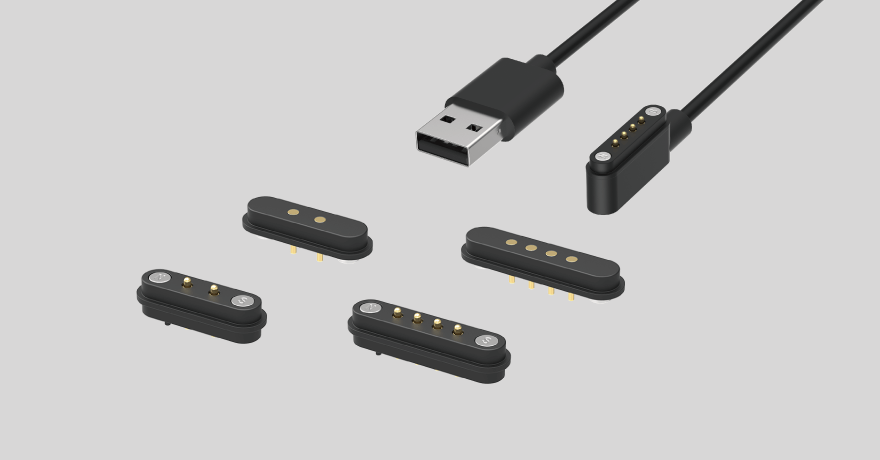
Modern electronic devices require connection systems that are reliable, compact, and easy to operate. From wearable technology to portable electronics and industrial equipment, manufacturers increasingly look for solutions that simplify charging and improve everyday usability. A Magnetic Pogo Pin Connector and a well-designed Magnetic Cable offer practical ways to establish convenient electrical connections while supporting modern product designs.
What Is a Magnetic Pogo Pin Connector?
A Magnetic Pogo Pin Connector combines spring-loaded electrical contacts with magnetic attraction. The pogo pins maintain electrical contact through spring pressure, while magnets help align the connecting parts and hold them together.
This combination is particularly useful in devices where frequent connection and disconnection are expected. Instead of inserting a conventional plug into a socket, users can bring the two connector ends close together and allow the magnets to guide them into position.
These connectors are available in different sizes, pin configurations, current ratings, and mounting styles. Depending on the design, they can support charging, power delivery, or data transmission. The exact capabilities depend on the connector's electrical specifications and the device's requirements.
Benefits of Magnetic Pogo Pin Connectors
One of the main advantages of a magnetic pogo pin design is convenience. Magnetic alignment can make it easier to connect devices, especially when the connector is small or difficult to reach.
Spring-loaded contacts also help accommodate minor differences in contact height. When properly designed, this mechanism supports repeatable electrical connections and can reduce wear associated with conventional plug insertion.
Compact construction is another benefit. Manufacturers can integrate magnetic pogo pin connectors into wearable devices, handheld electronics, charging docks, and other products where space is limited.
However, performance depends on several factors, including contact pressure, pin travel, magnetic strength, material quality, and environmental conditions. Proper engineering and testing are necessary to achieve reliable results over repeated connection cycles.
Understanding Magnetic Cables
A Magnetic Cable uses magnetic attraction to attach to a compatible connector or device interface. Many designs combine a cable with a magnetic connector head, allowing users to establish a connection without manually inserting a traditional plug.
Magnetic cables are commonly developed for charging small electronic devices, including wearables and selected portable accessories. Some designs use pogo pins to transfer electrical power through spring-loaded contacts, while others use different contact arrangements.
The cable's performance depends on its conductor quality, insulation, connector construction, and compatibility with the connected device. Buyers should always verify the supported voltage, current, and data-transfer capabilities before selecting a cable.
Common Applications of Magnetic Cables
Magnetic cables are useful in applications where convenient attachment is a priority.
Wearable electronics: Smartwatches, fitness trackers, and other compact devices may use magnetic charging connections to reduce the space required for a conventional charging port.
Portable electronics: Specialized handheld devices can benefit from magnetic cables when frequent charging or quick connection is required.
Charging docks: Magnetic connections can help position a device correctly on a charging station, making everyday use more convenient.
Industrial equipment: Certain testing devices and specialized electronic systems use magnetic connections for removable modules or repeated electrical contact. The connector must be selected according to the application's electrical and environmental requirements.
Not every magnetic cable supports universal charging or data transfer. Compatibility should be confirmed for each device and connection standard.
Magnetic Pogo Pin Connector vs. Standard Magnetic Cable
A magnetic pogo pin connector describes the contact and attachment mechanism, while a magnetic cable describes a cable assembly that uses magnetic attachment. The two terms can therefore refer to parts of the same product.
A magnetic pogo pin connector may be installed directly into a device, docking station, or custom electronic assembly. A magnetic cable generally includes the cable conductors and a connector head designed to mate with a compatible interface.
When both are used together, the magnetic force helps position the connector, while the pogo pins establish electrical contact. This arrangement can provide a convenient solution for products that require frequent charging or repeated connection and disconnection.
How to Choose the Right Magnetic Connector or Cable
Selecting the appropriate product starts with identifying the device's electrical requirements. Check the required voltage, current, number of contacts, and whether data transmission is necessary. Do not assume that two connectors with similar appearances have identical electrical capabilities.
Mechanical compatibility is equally important. The connector's dimensions, pin arrangement, magnetic polarity, and alignment features must match the intended interface. A cable that physically attaches may still be electrically incompatible.
Durability should also be considered. Look for suitable contact materials, reliable cable strain relief, and specifications for connection-cycle life. For applications exposed to dust, moisture, or frequent movement, evaluate the connector's environmental protection and mechanical stability.
Finally, manufacturers and product developers should consider custom options when standard dimensions or electrical configurations do not meet their needs. Custom magnetic connectors and cables can be designed around specific device layouts, provided the finished assembly undergoes appropriate electrical and mechanical testing.
Maintenance and Safe Usage
Keeping connector contacts clean helps maintain reliable electrical performance. Dust, oil, and oxidation can interfere with conductivity, so users should follow the manufacturer's cleaning instructions and avoid abrasive materials.
Users should also inspect cables for damaged insulation, loose connector heads, or worn contacts. A magnetic connection should not be treated as a substitute for proper electrical protection. Devices must use compatible power sources, and the connector should meet the required electrical ratings.
For manufacturers, testing under realistic operating conditions helps identify potential problems involving heat, contact resistance, mechanical wear, and accidental disconnection.
Conclusion
A Magnetic Pogo Pin Connector combines spring-loaded electrical contacts with magnetic alignment, while a Magnetic Cable provides a convenient way to connect compatible electronic devices. These solutions are useful in wearable technology, charging docks, portable electronics, and specialized industrial applications.
By checking electrical compatibility, connector dimensions, durability, and environmental requirements, businesses can select a connection system that supports dependable operation and a convenient user experience. The right design can simplify everyday connections while helping manufacturers develop compact and practical electronic products.