
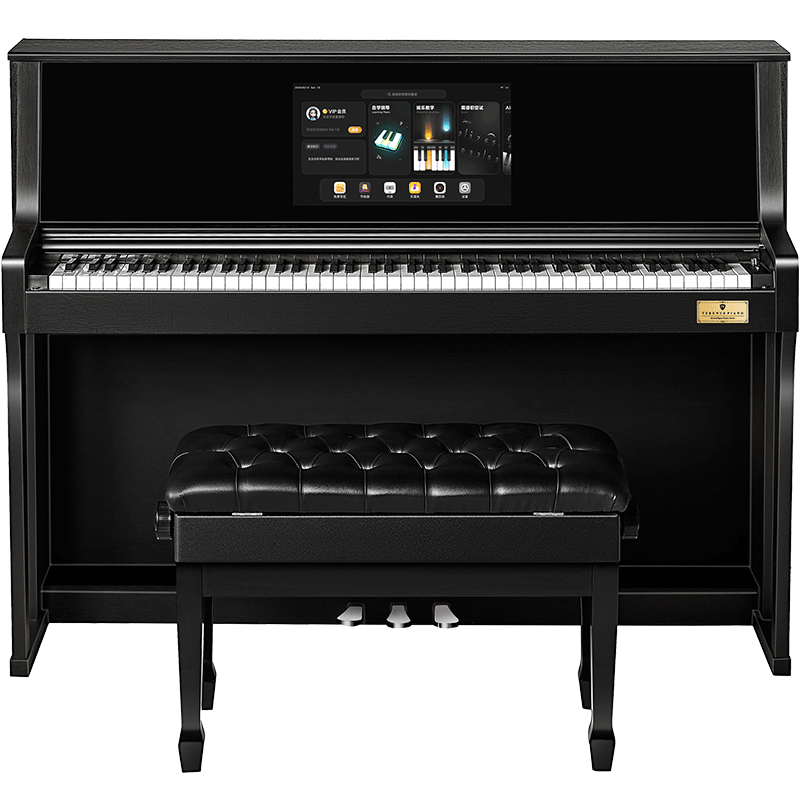
Learning music at home once meant an upright piano, a stack of theory books, and a weekly lesson you either made or missed. That picture has changed quickly over the last decade, and the instruments themselves are the reason. Smart pianos now sit at the centre of home music education, blending a genuine playing surface with guidance that responds to what your hands are actually doing. Brands such as The ONE Music have built entire product families around this idea, offering light-up keyboards, weighted digital pianos, and electronic drum sets for home learners. For families, adult beginners, and returning players, the shift has removed many of the barriers that used to end a musical journey before it properly started.
What Actually Makes a Piano "Smart"
A smart piano is still, first and foremost, an instrument you play with your fingers. The difference lies in what happens around the notes you press rather than in the notes themselves. Smart pianos connect to a learning app over Bluetooth or USB, so the instrument knows which key you struck, how firmly you struck it, and whether it matched the piece you were attempting. That feedback loop turns silent practice into a conversation, which is precisely what self-taught players have always lacked. The hardware stays familiar while the guidance layer handles the teaching work a tutor would normally provide between lessons.
The Role of Illuminated Keys
The most visible feature on these instruments is the row of lights above or beneath each key. Illuminated guidance shows the next note before you need to play it, removing the slow, discouraging search that frustrates absolute beginners. Instead of translating a symbol on a page into a letter, then into a finger position, you follow the light, hear the result, and build physical memory first. Notation reading is layered on top of confidence you have already earned rather than demanded before any music happens. Used sensibly, the lights act as scaffolding with a planned removal date rather than a permanent crutch.
The Range of Instruments Available Today
Home setups vary enormously, and so does the hardware designed to serve them. Portable 61-key models such as COLOR and SING suit apartments, shared bedrooms, and students who need to pack an instrument away after practice. Larger 88-key weighted instruments like PLAY, TOP1X, and TOP2 serve players who want a keybed that behaves like an acoustic hammer action. Weighted mechanisms build finger strength and genuine dynamic control, which matters if examinations or acoustic performance appear anywhere in your future. Choosing between these families is less about budget alone and more about where you honestly expect to be in two years.
Beyond Pianos: Drums and Accessories
Keyboards are only one entry point into musicianship, and rhythm deserves equal attention. Electronic drum sets bring the same connected approach to percussion, with pad-based kits and roll-up options that keep volume manageable in shared housing. Coordination training, tempo discipline, and groove awareness transfer directly into piano playing, which is why many households eventually own both. Accessories such as adjustable stands, benches, sustain pedals, headphones, and keyboard stickers complete a practical setup. These small additions frequently decide whether daily practice feels comfortable or awkward enough to skip.
How App-Guided Music Learning Delivers Results
The learning app is where the value of smart pianos becomes measurable rather than theoretical, because app-guided music learning turns every practice session into a two-way exchange. Structured lesson paths move from single-finger melodies through hand coordination, chords, and full arrangements at a pace the learner controls. Interactive games maintain engagement during the repetitive accuracy stages that usually cause younger students to disengage entirely. Sheet music libraries, adjustable playback speeds, section looping, and recording tools let a player isolate one difficult bar and work it until it settles. Progress tracking also gives parents realistic visibility without hovering over every single session.
Feedback That Prevents Bad Habits
Immediate correction is the single biggest advantage these instruments offer. A beginner practising alone cannot easily distinguish between a timing error, a wrong note, and poor hand position, so mistakes repeat until they harden into habits. Accuracy scoring identifies exactly which note or beat slipped, allowing correction in the bar where it occurred rather than weeks later. Recording playback adds another layer, revealing rushed transitions and uneven dynamics that are invisible while concentrating on playing. Together these tools replicate a meaningful share of what a teacher observes in person.
Choosing the Right Model for Your Home
Start with space, then players, then budget, then ambition, and work through them in that order. Measure the area you can realistically dedicate to an instrument, including room to sit with forearms level and feet flat on the floor. Consider who will use it, because a child and an adult need different stand heights and sometimes different key counts entirely. Think honestly about volume limits in your building, since headphone output is often the single feature that keeps practice consistent. Finally, match key action to goals, because unweighted keys reward portability while weighted actions reward long-term technique.
Budgeting for the Complete Setup
Many buyers budget for the instrument alone and are surprised by the total. A stand, a firm bench, headphones, and eventually a sustain pedal all contribute to comfortable, sustainable practice. Bundles that combine a keyboard with a stand and bench often reduce this gap considerably. Posture equipment in particular should not be treated as optional, because playing on a dining table creates tension that shortens every session. Planning the full setup at purchase avoids a frustrating sequence of small follow-up orders.
Learning Support and Buying Guidance
A good instrument is only part of a successful purchase decision. Buying guides, model comparisons, and knowledge articles help you understand terms like graded hammer action, polyphony, and MIDI connectivity before committing money. Customer support matters too, particularly for app pairing, firmware updates, and warranty questions that arise after delivery. Structured music education programmes add milestones for learners who prefer direction over open-ended exploration. Treating the whole ecosystem as part of the decision usually produces fewer regrets months later.
Conclusion
The appeal of smart pianos is not novelty but the removal of friction. By combining a genuine playing surface with illuminated guidance and responsive app lessons, they turn an intimidating instrument into something approachable on an ordinary weekday evening. Portable light-up keyboards, weighted 88-key models, and electronic drum sets each solve a different household problem, so the right choice depends on space, players, and long-term goals rather than specifications alone. Compare key actions honestly, confirm app compatibility with your devices, and budget for the stand and bench alongside the instrument itself. Explore the full range, pick the model you will genuinely sit down at tomorrow, and let consistent guided practice convert curiosity into real musical ability.