
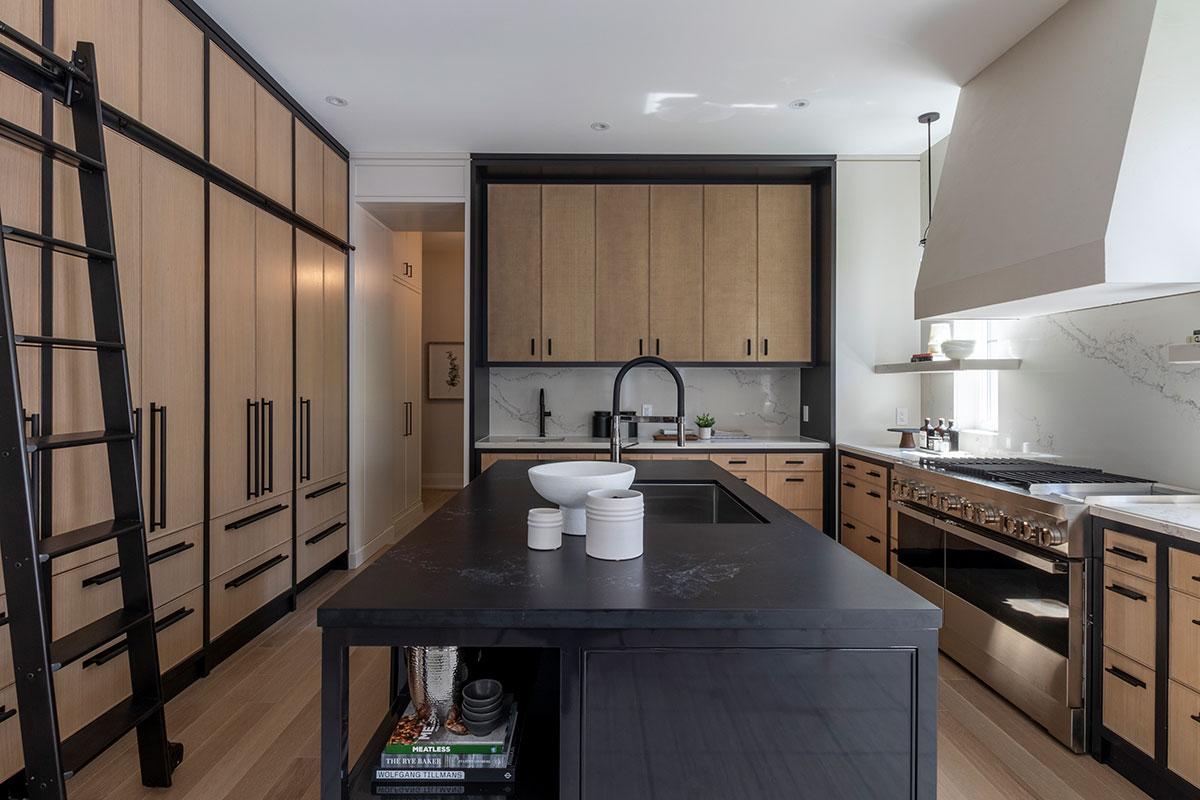
Interior design trends continue to evolve, but some materials remain popular because of their ability to create a strong and timeless visual effect. Black quartz is one such option, offering a bold appearance that can add depth, contrast, and sophistication to both residential and commercial interiors.
From kitchen countertops and islands to bathroom vanities and feature surfaces, black quartz can be incorporated into different areas of a property. Its dark appearance also provides designers with an effective way to create contrast against lighter cabinets, walls, and flooring.
A Bold and Elegant Appearance
The deep color of black quartz can immediately become a visual feature within a room. Unlike lighter surfaces that create a bright and airy atmosphere, dark countertops can provide a stronger and more dramatic character.
This makes black quartz particularly suitable for contemporary interiors where designers want to combine simple shapes with striking materials. Depending on the surrounding finishes, it can create anything from a minimalist appearance to a luxurious and sophisticated setting.
Ideal for Kitchen Countertops
Kitchens are among the most common applications for quartz surfaces. A dark countertop can provide an attractive contrast when paired with white or light-colored cabinets.
For example, white cabinets with a black countertop can create a classic monochrome appearance. Wooden cabinets can produce a warmer combination, while gray cabinetry can create a more subtle contemporary design.
Kitchen islands can also benefit from a dark surface because the countertop can become a central visual element without requiring additional decorative features.
Black Quartz With Different Finishes
The appearance of a quartz surface can vary depending on its pattern and finish. Some designs have a consistent solid color, while others include subtle veins or patterns inspired by natural stone.
A plain dark surface can work well in minimalist spaces. Designs featuring white or gray veining can provide a marble-inspired appearance while maintaining the visual characteristics associated with quartz.
The choice ultimately depends on the desired interior style and the materials used elsewhere in the room.
Bathroom Design Applications
Bathrooms can also benefit from the dramatic appearance of dark quartz. A black vanity top can provide a strong contrast against white tiles, light-colored walls, or bright fixtures.
Combining a dark countertop with large-format tiles, modern lighting, and simple cabinetry can create a contemporary bathroom with a refined appearance.
Because bathrooms are often smaller than kitchens, the surrounding colors and lighting should be considered carefully. Strategic use of dark surfaces can create contrast without making the entire room feel visually heavy.
Creating Contrast With Light Colors
One of the most useful characteristics of black quartz is its ability to create contrast. Interior designers can use this contrast to highlight specific areas of a room.
Pairing a dark countertop with white cabinets is a common approach, but other combinations are possible. Cream, beige, light gray, natural wood, and muted colors can all work with a dark quartz surface.
The result can vary significantly depending on the lighting and surrounding materials, so physical samples are useful when making a final decision.
Consider Lighting Before Choosing a Dark Surface
Lighting plays an important role when using dark materials. Natural daylight can help reveal the texture and pattern of a quartz surface, while artificial lighting can change how its color appears.
For rooms with limited natural light, designers may combine dark countertops with lighter cabinets, reflective backsplashes, or carefully positioned lighting fixtures.
This approach allows the dark surface to remain a strong design feature without dominating the room.
Maintenance and Everyday Use
Like other countertop materials, quartz surfaces should be cared for according to the manufacturer's recommendations. Regular cleaning and suitable products can help maintain the appearance of the surface.
Before purchasing a particular product, homeowners should review its technical specifications, recommended applications, maintenance instructions, and warranty information.
Professional installation is also important because accurate measurements, proper handling, and suitable support can affect the finished installation.
Choosing the Right Black Quartz Design
There are many variations available, so the best choice depends on the overall design of the room. A solid black surface may suit a minimalist interior, while a veined design may be better for someone looking for a natural-stone-inspired appearance.
When comparing options, consider the cabinets, flooring, backsplash, wall color, lighting, and hardware. Looking at samples in the actual room can help you understand how the surface will work with the existing design.
Conclusion
Black quartz can bring depth, contrast, and a distinctive character to modern interiors. Its dark appearance makes it particularly effective for kitchen countertops, islands, bathroom vanities, and other feature surfaces.
With the right combination of lighting, cabinetry, flooring, and decorative materials, a black quartz surface can become a balanced and attractive part of an interior design rather than simply a functional countertop.