
A home-cooked meal can feel special with a few small changes. You do not need complicated recipes, expensive ingredients, or a perfectly styled dining room. The right plate, a little space around the food, and a simple balance of colors can make an everyday meal look fresh and inviting.
This guide shares practical table-setting ideas for breakfast, lunch, dinner, desserts, and casual gatherings. The focus is simple presentation that works in a real home and fits into a busy routine.
Why Simple Meals Deserve Thoughtful Presentation
A tidy plate changes the way a meal feels
The first improvement usually comes from clearing visual clutter. Food can look messy when it is spread across the whole plate, sauce has run to the edge, or several colors are mixed together without a clear arrangement. Leave a little open space around the main ingredients and place each part where it can be seen. A clean plate helps the meal feel calmer before the first bite.
Give the table one clear focal point
Every meal looks more balanced when one dish carries the main visual interest. This could be a colorful salad, a roasted chicken breast, a bowl of pasta, or a slice of toast with fruit. Use a slightly larger plate for the main dish and keep side dishes simple. When every item has equal size and decoration, the table can feel busy. A clear focal point gives the eye somewhere to rest.
Choose the Right Plate for the Food
Leave enough space around the ingredients
The size of a plate affects how generous and organized the food appears. A small plate can make a normal serving look crowded, while an oversized plate may leave the meal looking lost. Choose a plate that gives the food room to breathe without creating too much empty space. For pasta, roasted vegetables, breakfast plates, and main courses, a wide surface often makes arranging the ingredients easier.
Use calm colors to make food stand out
White, soft cream, pale gray, and other neutral tableware colors work well with everyday cooking. They create a quiet background for red tomatoes, green vegetables, golden eggs, colorful fruit, and baked foods. Neutral tableware also makes it easier to use the same pieces across different meals and seasons. The result feels consistent without requiring a large collection of matching dishes.
Match the plate shape to the dish
Flat plates suit pasta, grilled foods, sandwiches, and roasted vegetables. Plates with a deeper center are useful for curries, stews, saucy dishes, and meals that need to stay contained. Small dishes work well for condiments, side portions, fruit, and desserts. A practical collection usually needs a few dependable shapes rather than many specialty pieces.
Opal glass tableware can be a useful choice for this kind of everyday setting. Its clean appearance works with many foods, and its simple forms can move easily from breakfast to dinner. You can explore the JC Tableware website to see how opal glass tableware can fit into a modern home dining routine.
Add Color and Height Without Making the Meal Complicated
Aim for a natural mix of colors
Many home-cooked meals have a similar color palette, especially when they include rice, meat, noodles, or a dark sauce. A small amount of green, red, or yellow can bring the plate to life. Add leafy vegetables, sliced tomatoes, pickled vegetables, herbs, fruit, or a soft-boiled egg when they already fit the meal. A few familiar ingredients are usually enough to create contrast.
Build gentle height on the plate
Food placed completely flat can look dull in photographs and on the table. Small height changes make the arrangement feel more natural. Fold leafy greens lightly, stack toast at a slight angle, overlap sliced meat, or place roasted vegetables in a loose group. Keep the height easy to serve and eat. The aim is a relaxed plate with movement, rather than a tall arrangement that collapses as soon as it is touched.
Keep sauces controlled
Sauce can add color and flavor, but too much of it can hide the main ingredients. Serve a small amount beneath the food, place it to one side, or use a separate small dish when appropriate. This keeps the plate cleaner and lets each ingredient remain visible. The best method depends on the meal, so choose the arrangement that makes serving and eating comfortable.
Simple Plating Ideas for Everyday Meals
Breakfast and one-plate meals
A one-plate breakfast is easy to make attractive because the different food groups can sit in clear sections. Place toast or rice on one side, eggs or another protein near the center, and fruit or vegetables in a smaller area. Leave small gaps between the colors so the plate feels organized. This approach also reduces the number of dishes needed for a quick meal and makes cleanup easier.
Try the same method with lunch. Rice, grilled vegetables, sliced chicken, and a small portion of pickles can share one wide plate. The meal becomes easier to carry to the table, and each ingredient remains visible instead of blending into one crowded pile.
Soups, sauces, and main dishes
Choose a bowl or deeper plate when the dish contains broth, curry, gravy, or a generous amount of sauce. The extra depth helps keep the food in place and protects the table from spills. For grilled fish, roasted meat, or vegetables, a flat plate usually gives the ingredients more visual space.
Think about the way the food will be served. A plate with a comfortable rim can make carrying easier, while a smooth surface can help the meal look clean after serving. These small details matter during everyday use because attractive tableware should also feel practical in the hand and at the sink.
Fruit and desserts
A plate used for dinner can often serve fruit, cake, cookies, or afternoon snacks. Use a smaller portion and leave more open space around it. The color of berries, citrus, chocolate, or pastries becomes the focus, while a simple plate keeps the presentation light.
For a casual dessert table, place two or three small portions on separate plates instead of piling everything together. This gives guests an easy choice and creates a more relaxed arrangement. The same tableware can support several occasions, from a quiet afternoon at home to a small family gathering.
Create a Warm Table Setting With a Few Details
Keep the background quiet
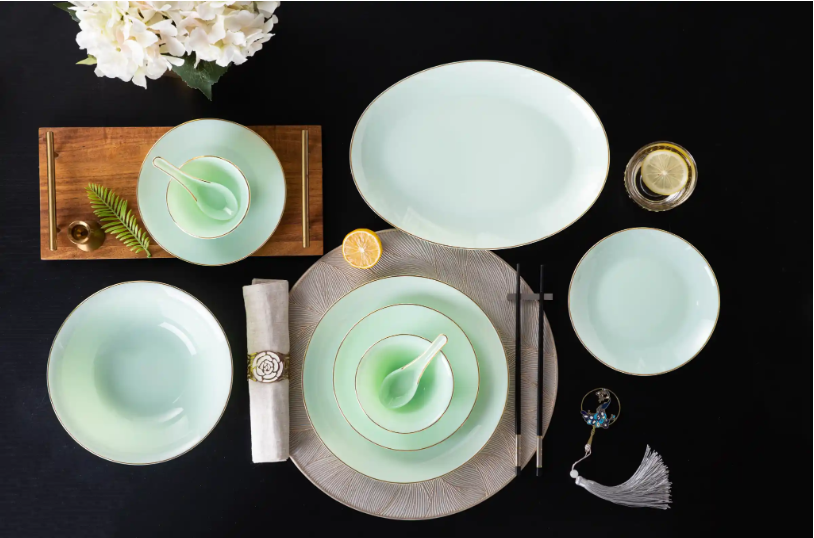
A plain wood table, a light tablecloth, or a simple placemat can frame the food without taking over the scene. Choose a background that supports the colors of the meal. A bright dish may look best against a neutral surface, while pale foods can benefit from a warmer wood tone.
The same principle works for food photography. Place the plate near natural light when possible, remove unnecessary objects from the background, and take the photo from the angle that shows the food most clearly. A table does not need to look like a studio to feel welcoming.
Add one or two useful accents
A folded napkin, a small vase, a wooden spoon, fresh herbs, or a little serving dish can complete the setting. One or two accents are usually enough. Choose items that belong to the meal and can be put away quickly afterward. Too many decorations compete with the food and create extra work during cleanup.
Seasonal details can also change the mood. Fresh greenery suits a spring lunch, warm-colored napkins work well in autumn, and simple glassware can create a lighter summer table. Small changes help familiar tableware feel new throughout the year.
Choose Tableware for Beauty and Daily Use
Consider cleaning, storage, and regular handling
The most useful tableware fits the way you actually live. Before choosing a plate, consider how often it will be used, where it will be stored, how easily it can be cleaned, and whether the size works with your cupboards and dishwasher. Check the manufacturer’s care instructions for temperature limits, microwave use, dishwasher suitability, and other handling requirements.
Appearance matters, but daily comfort determines whether a piece stays in regular use. A well-designed plate should support easy serving, simple cleaning, and flexible meal planning. Those practical qualities make it easier to enjoy attractive meals on ordinary weekdays.
Start with a small set of versatile pieces
A useful starting collection may include a wide everyday plate, a deeper plate or bowl, a small side dish, and a few pieces for breakfast or dessert. These basics can cover most home meals while keeping storage manageable. Once you know which shapes and sizes you use most, you can add more pieces with confidence.
For more ideas, browse the JC Tableware product collection and look for forms that suit your meals, kitchen space, and preferred table style.
Make Everyday Meals Feel More Enjoyable
Beautiful home cooking begins with food that feels good to eat. A carefully chosen plate, balanced colors, a little open space, and a calm table setting can change the whole impression of a meal. These steps take only a few extra minutes, and they work with the dishes you already prepare.
Choose tableware that supports your routine. Then let simple food, natural light, and an easy arrangement do the rest.