
Complete Guide for Everest Base Camp Trek in Nepal for 2026/27
Introduction
The Everest Base Camp Trek remains one of the most iconic trekking adventures in the world. Every year, thousands of travelers visit Nepal to follow the legendary trail leading to the foot of Mount Everest, the highest mountain on Earth. The journey offers much more than spectacular mountain scenery—it provides an opportunity to experience Sherpa culture, explore ancient monasteries, cross dramatic suspension bridges, and witness the breathtaking beauty of the Himalayas.
If you are planning your Himalayan adventure for 2026 or 2027, understanding the Everest Base Camp trekking route and the available Everest region trekking options will help you choose the experience that best matches your interests, schedule, and fitness level. This guide covers everything you need to know before beginning one of Nepal's most unforgettable trekking journeys.
Why Trek to Everest Base Camp?
Few destinations combine natural beauty, adventure, and cultural richness as successfully as Everest Base Camp. Walking beneath towering Himalayan peaks creates an unforgettable sense of achievement while allowing trekkers to experience one of the world's most famous mountain regions.
Unlike mountaineering expeditions, the trek is designed for hikers rather than climbers. With proper preparation, gradual acclimatization, and reasonable fitness, many travelers successfully complete the journey each year.
The experience is equally rewarding for photographers, nature enthusiasts, and travelers interested in Himalayan culture.
Understanding the Everest Base Camp Trekking Route
The Everest Base Camp trekking route begins with a scenic mountain flight or helicopter transfer to the Khumbu region, followed by a gradual trek through picturesque Sherpa villages and protected alpine landscapes.
The trail typically passes through charming settlements such as Lukla, Phakding, Namche Bazaar, Tengboche, Dingboche, Lobuche, and Gorak Shep before reaching Everest Base Camp.
Along the journey, trekkers cross suspension bridges decorated with colorful prayer flags, walk beside glacial rivers, and enjoy magnificent views of world-famous Himalayan peaks.
Carefully planned acclimatization days help hikers adjust safely to increasing elevations.
Major Highlights Along the Route
Every section of the trail offers unique attractions.
Namche Bazaar serves as the cultural and commercial heart of the Khumbu region, providing opportunities to explore local markets, museums, and mountain viewpoints.
Tengboche is famous for its historic monastery, where visitors can observe Buddhist traditions while surrounded by spectacular mountain scenery.
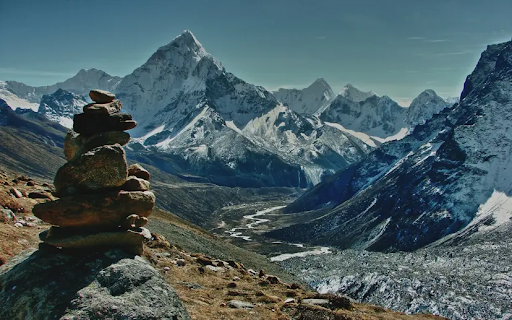
Higher elevations reveal glaciers, rugged alpine terrain, and unforgettable panoramic views of Everest, Lhotse, Nuptse, Ama Dablam, and numerous neighboring peaks.
Each day presents new scenery and memorable experiences.
Everest Region Trekking Options
The Khumbu region offers far more than a single trekking route. Several Everest region trekking options allow travelers to tailor their adventure according to available time, fitness level, and personal interests.
The classic Everest Base Camp Trek remains the most popular choice for first-time visitors.
Trekkers seeking additional viewpoints often include Kala Patthar, which provides one of the best panoramic perspectives of Mount Everest.
Those with extra time may combine Everest Base Camp with Gokyo Lakes, while shorter itineraries focus on Namche Bazaar or Tengboche without continuing to Base Camp.
These alternatives provide flexibility while showcasing different parts of the Everest region.
Best Time to Trek in 2026/27
Choosing the right season greatly influences the trekking experience.
Spring offers moderate temperatures, blooming rhododendron forests at lower elevations, and generally stable weather. It is an excellent season for clear mountain views and pleasant daytime hiking.
Autumn is equally popular thanks to dry conditions, crisp air, and outstanding visibility across the Himalayan range. The combination of comfortable weather and clear skies makes it ideal for photography.
Winter provides peaceful trails and dramatic snow-covered landscapes, although temperatures become significantly colder.
The summer monsoon season brings increased rainfall and cloud cover, especially in lower areas.
Physical Preparation
The Everest Base Camp Trek is physically demanding but does not require technical climbing skills.
Preparing several months before departure with regular walking, hiking, cycling, or cardiovascular exercise improves endurance and overall comfort during the trek.
Strengthening leg muscles and practicing uphill walking can make long trekking days more enjoyable.
Equally important is maintaining a steady pace throughout the journey rather than rushing toward the destination.
Acclimatization and Altitude Awareness
Altitude is one of the most important considerations during any Everest trek.
As elevation increases, oxygen levels decrease, making gradual acclimatization essential. Most itineraries include scheduled rest days that allow the body to adjust naturally before continuing higher.
Remaining hydrated, eating balanced meals, and following guide recommendations help support a successful acclimatization process.
Listening to your body and communicating any discomfort promptly contributes to a safer trekking experience.
Accommodation and Meals
The Everest trekking route features an extensive network of traditional teahouses.
These mountain lodges provide comfortable accommodation, warm meals, and welcoming hospitality throughout the journey. Dining areas often become gathering places where trekkers share stories and prepare for the next day's adventure.
Meals commonly include rice, noodles, soups, potatoes, vegetables, eggs, pasta, and locally prepared specialties that provide energy for daily hiking.
Comfort levels vary with elevation but remain suitable for most trekkers.
Essential Packing List
Packing wisely improves both comfort and safety.
Important items include sturdy trekking boots, layered clothing, waterproof outerwear, insulated jackets, warm gloves, hats, sunglasses, sunscreen, reusable water bottles, and a reliable daypack.
Trekking poles can reduce strain on steep sections, while a quality sleeping bag provides additional warmth during cold mountain nights.
Packing lightweight but practical equipment allows greater mobility throughout the trek.
Responsible Trekking Practices
The Everest region is both a fragile mountain ecosystem and a culturally significant homeland for local communities.
Trekkers can help preserve the environment by reducing plastic waste, carrying reusable water bottles, respecting wildlife, and remaining on established trails.
Supporting locally owned lodges, hiring experienced local guides, and respecting monastery etiquette also contribute positively to sustainable tourism.
Responsible travel protects the region for future generations while supporting the local economy.
Why 2026/27 Is a Great Time to Visit
The popularity of Himalayan trekking continues to grow, and many travelers are already planning adventures for 2026 and 2027.
Improved trekking services, experienced guiding companies, well-maintained trails, and enhanced visitor facilities make the Everest region more accessible than ever while preserving its authentic mountain character.
Planning early provides greater flexibility when choosing travel dates, accommodation, and trekking packages during peak seasons.
Conclusion
The Everest Base Camp trekking route remains one of the world's most rewarding hiking adventures, offering spectacular mountain scenery, unforgettable cultural experiences, and a true sense of personal achievement. With several Everest region trekking options available, travelers can customize their journey according to their interests, schedule, and level of experience.
Whether your goal is standing at Everest Base Camp, enjoying panoramic views from Kala Patthar, or exploring the beautiful Khumbu Valley, careful preparation and thoughtful planning will ensure an unforgettable Himalayan adventure in Nepal during 2026 or 2027.
Key Takeaways
● The Everest Base Camp Trek is one of Nepal's most iconic trekking experiences.
● The Everest Base Camp trekking route passes through famous Sherpa villages and alpine landscapes.
● Multiple Everest region trekking options suit different travel preferences and schedules.
● Spring and autumn provide the most favorable trekking conditions.
● Proper acclimatization is essential for high-altitude safety.
● Physical preparation improves endurance and overall enjoyment.
● Comfortable teahouses are available throughout the trekking route.
● Responsible tourism supports local communities and environmental conservation.
● Early planning helps secure preferred travel dates for 2026/27.
● The Everest region combines world-class scenery, rich culture, and unforgettable adventure.
Final Thoughts
The journey to Everest Base Camp is far more than reaching a famous destination—it is an opportunity to experience the grandeur of the Himalayas, connect with the traditions of the Sherpa people, and challenge yourself in one of the world's most extraordinary mountain landscapes. By understanding the Everest Base Camp trekking route and exploring the available Everest region trekking options, you can plan a memorable adventure that matches your goals and creates lasting memories. Whether 2026 or 2027 is your chosen travel season, the Everest region promises an experience that will inspire you long after you return home.