
Akiya Renovation Guide: Common Problems and Hidden Costs to Watch For
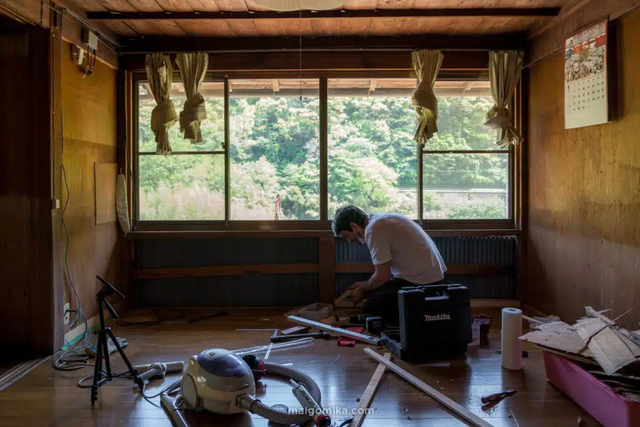
It happens to almost everyone shopping for an akiya. You spot a listing; the photos look great, the price looks like a typo; it's so low, and for a few minutes you're already mentally moving in. Then someone says the word "renovation" out loud, and the whole thing suddenly feels a lot less simple.
And look, a lot of these houses really are good deals. Genuinely. But cheap and move-in-ready aren't the same thing at all, and that gap is usually where the surprises live. Know what to look for early on, and you can dodge most of them, or at least see them coming.
Why the Price Doesn't Tell You Much
Most akiya have been sitting empty for years. Sometimes decades. No heating in winter, no cooling in summer, none of the small maintenance things that keep a house from slowly falling apart. Pipes dry out, wood shifts, and pests move in and make themselves at home. Photos taken on a nice sunny day won't show any of that.
So that five hundred thousand yen price tag? Think of it as a starting point, not the actual cost. What it takes to make the place livable is a totally separate number, and honestly it's the one that actually matters.
Termites and Wood Damage
Probably the most common issue, and easy to miss if you're not specifically looking for it. Japan has a type of termite, shiro ari, that can chew through structural beams for years before anyone notices, sometimes until a beam is basically hollow inside.
Older wooden houses are at higher risk here. Part of it's the materials used decades ago; part of it is that empty, damp, unused spaces are basically a welcome mat for termites. An inspector usually spots this fast, though, like soft or hollow-sounding wood, tiny holes, or sawdust-looking debris near beams and floor joists.
Earthquake Resistance, or Not
Japan tightened its earthquake building codes in 1981, then again in 2000. Anything built before those updates went up under much looser rules. That doesn't automatically mean it's unsafe, but it might need reinforcement to meet today's standards.
Worth asking about early, especially with older traditional homes (kominka), which can be gorgeous but were often built with techniques from a completely different era. Reinforcement isn't always needed. When it is, though, it can take up a big chunk of the renovation budget.
Roofs, Foundations, and Everything You Can't See From the Street
A neglected roof can let water in for years before anyone sees an actual leak inside. By the time there's a stain on the ceiling, the damage underneath is often already pretty bad. Foundations are similar, especially in older homes sitting on stone or concrete that's shifted a little over the decades.
None of this shows up in photos. A lot of it doesn't even show up on a quick walkthrough. This is basically why people who've done this before keep saying the same thing: bring someone who knows what they're looking at; don't just go off a gut feeling from one visit.
Legal and Paperwork Surprises
Not every hazard is structural. Some of the messiest stuff is buried in paperwork. Older properties sometimes have land boundaries that were never registered properly or were registered so long ago the documents don't really match what's there now.
Inheritance is another common one. A house might technically belong to several family members who inherited it together, sometimes without fully realizing it, which can hold up a sale until everyone agrees. Occasionally there's unpaid property tax attached too, and that needs sorting before ownership can actually transfer.
None of this means avoiding akiya entirely. It just means a decent agent, and ideally a scrivener checking these details before you commit, is worth every yen of their fee.
So What Does Renovation Actually Cost?
Everyone wants a straight number, and the honest answer is it really depends on the house. As a rough guide, a property in decent shape might need somewhere around two to five million yen to become genuinely comfortable. Updated plumbing, insulation, kitchen and bathroom work, and that kind of thing.
A property needing serious work, structural reinforcement, a new roof, and full rewiring can land anywhere from ten to twenty million yen depending on size and condition. Wide range, sure. But that's exactly why getting quotes before you buy matters so much, not after.
How to Protect Yourself Before Committing
The simplest thing, and also the most skipped, is visiting in person and bringing along (or hiring locally) a building inspector. Usually costs between fifty and one hundred thousand yen. Tiny compared to what a hidden structural issue could cost down the line.
If something's listed under five hundred thousand yen, treat that with curiosity more than excitement. Sometimes it really is just an undervalued place in a less popular area. Other times, it's that price for a reason, and that reason is probably in the attic or under the floorboards somewhere.
Getting a renovation quote before finalizing the purchase is one of the smartest moves around. People skip it because it feels like one more annoying step in an already long process, but it's the difference between budgeting properly upfront and finding out the real number once it's too late to back out.
The Part Nobody Mentions Enough
With all that said, there's a reason so many people go through this anyway. Plenty of municipalities offer renovation subsidies, often somewhere between five hundred thousand and two million yen, for buyers who commit to living in the property or fixing it up. Local governments want these houses occupied again, so these programs exist for exactly that reason, and they can take a real bite out of the renovation costs above.
Final Thoughts
Buying an akiya isn't really about avoiding problems altogether. Honestly, with houses this old, there's almost always something. It's more about knowing roughly what you're getting into, having the right people check things before you commit, and budgeting for renovation from the start instead of as an afterthought.
If you're at the comparing properties stage and want a sense of what's out there before narrowing things down, CheapJapanHouses.com is a decent place to start, especially for weighing move-in-ready homes against renovation projects in the same area. And for anyone deep into planning mode, this akiya renovation guide approach, "inspect first, budget honestly, decide after," tends to save people the most headaches in the long run.