
LED Strip Light & LED Tube Light: A Complete Lighting Guide
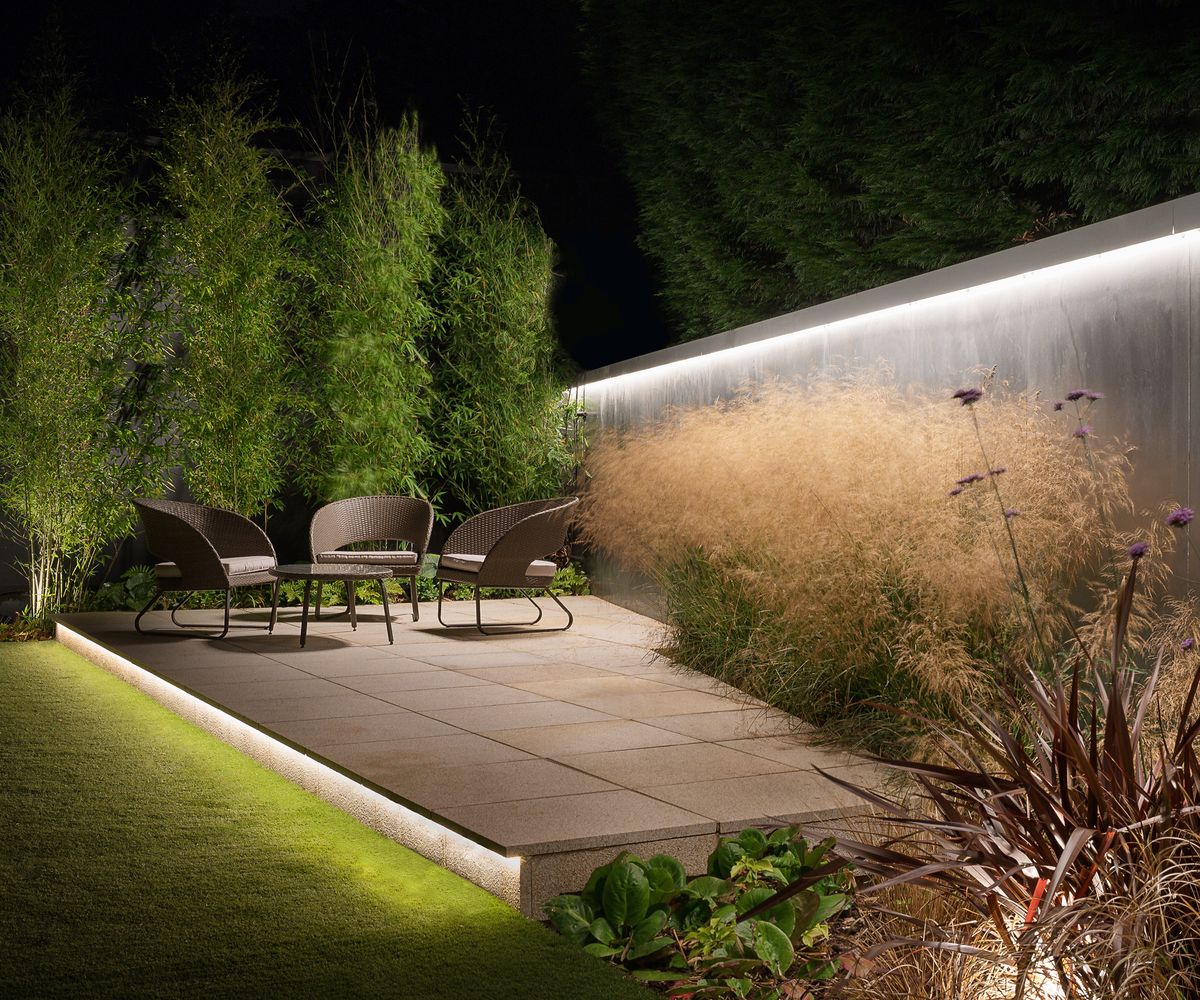
Lighting has evolved significantly with LED technology, offering energy-efficient and versatile solutions for homes, offices, and commercial spaces. Among the most popular options today are LED strip lights and LED tube lights. While both use LED technology, they serve different purposes and create different lighting effects.
In this article, we’ll explore what these lights are, their benefits, and how to choose the right one for your needs.
What Is an LED Strip Light?
An LED strip light (also called LED tape light) is a flexible circuit board embedded with small LED chips. It can be cut, bent, and installed in various shapes, making it highly versatile for decorative and accent lighting.
Key Features of LED Strip Lights
Flexible and bendable design
Adhesive backing for easy installation
Available in multiple colors and RGB options
Can be cut to desired lengt
Dimmable and smart control option
Benefits of LED Strip Lights
Decorative Lighting
LED strips are ideal for creating ambiance and highlighting architectural features.
Flexibility
They can be installed in tight or curved spaces where traditional lights cannot fit.
Energy Efficiency
Consume less electricity compared to traditional decorative lighting.
Customization
Available in different colors, brightness levels, and effects.
Common Uses of LED Strip Lights
Under-cabinet kitchen lighting
TV backlighting
Ceiling cove lighting
Staircase and pathway lighting
Retail displays and signage
What Is an LED Tube Light?
An LED tube light is a modern replacement for traditional fluorescent tube lights. It provides bright and uniform lighting for general illumination.
Key Features of LED Tube Lights:
Long, cylindrical shape
High brightness output
Wide light distribution
Energy-efficient performance
Easy replacement for fluorescent tubes
Benefits of LED Tube Lights
Bright Illumination
Provides strong and even light for large areas.
Energy Saving
Uses significantly less power than fluorescent tubes.
Long Lifespan
Can last up to 30,000–50,000 hours.
Low Maintenance
Requires fewer replacements and less upkeep.
Common Uses of LED Tube Lights
Offices and workplaces
Schools and classrooms
Kitchens and garages
Shops and commercial spaces
Industrial areas
LED Strip Light vs LED Tube Light
|
Feature |
LED Strip Light |
LED Tube Light |
|
Design |
Flexible strip |
Rigid tube |
|
Purpose |
Decorative/Accent |
General lighting |
|
Brightness |
Moderate |
High |
|
Installation |
Adhesive or mounting |
Fixture-based |
|
Light Spread |
Directional or ambient |
Wide and uniform |
How to Choose the Right Lighting
Choose LED Strip Lights If:
You want decorative or mood lighting
You need flexible installation options
You want color-changing effects
Choose LED Tube Lights If:
You need bright general lightin
You want to replace fluorescent tubes
You require efficient lighting for large spaces
Important Factors to Consider
Brightness (Lumens)
Choose based on the area and purpose of lighting.
Color Temperature
Warm white (3000K) – Cozy and relaxing
Neutral white (4000K) – Balanced lighting
Cool white (5000K+) – Bright and focuse
Power Consumption
LED lights are energy-efficient, but wattage still matters.
Installation Type
Ensure compatibility with your space and fixtures.
Modern Trends in LED Lighting
Smart LED strip lights with app control
Color-changing RGB lighting
Energy-efficient tube light upgrades
Minimalist and hidden lighting designs
These trends are making lighting more customizable and efficient.
Conclusion
Both LED strip lights and LED tube lights offer unique advantages. Strip lights are perfect for decorative and creative lighting, while tube lights provide strong and reliable illumination for everyday use.
By understanding their differences and applications, you can choose the right lighting solution to enhance both functionality and aesthetics in your space.