
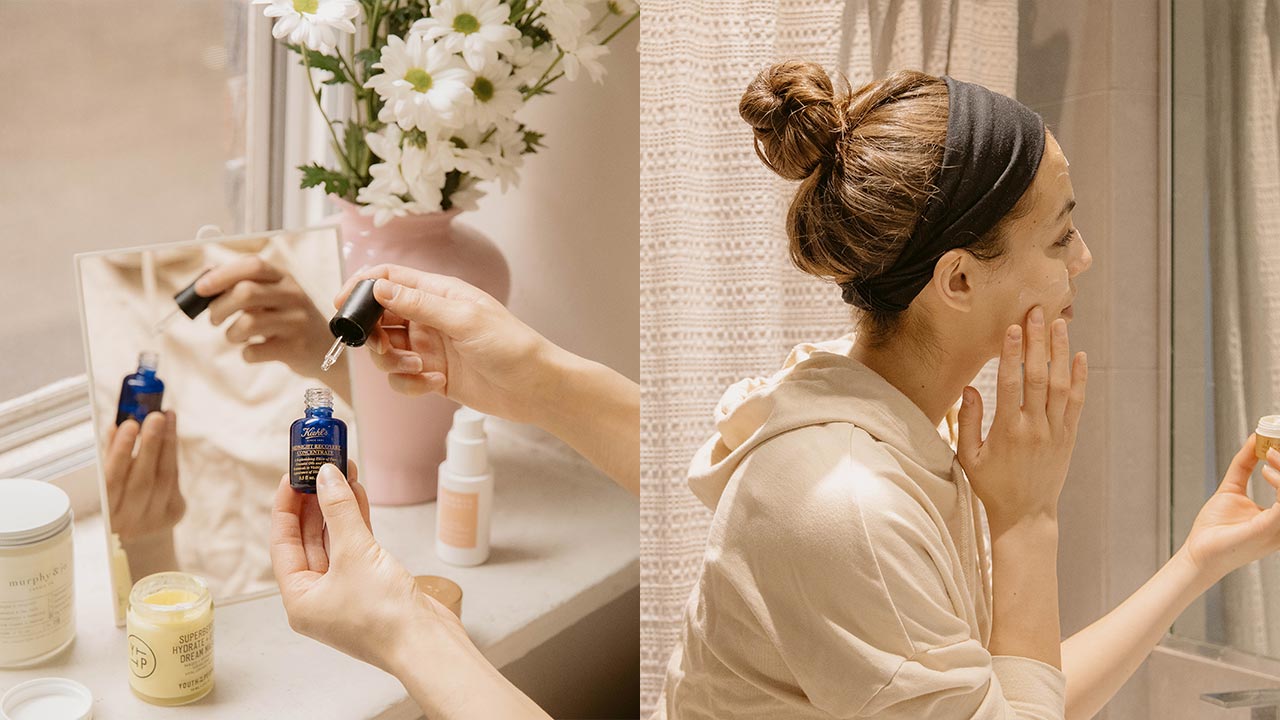
Living with psoriasis or eczema can be a daily challenge, but many people find that small, consistent habits make a meaningful difference over time. While these chronic skin conditions vary widely in severity and presentation, developing a skin-friendly routine focused on protection, hydration, and awareness can support overall comfort and confidence.
Rather than relying on one single solution, a holistic approach that combines gentle skincare, lifestyle awareness, and reliable education often proves most sustainable. This article explores practical, everyday strategies that may help people better manage psoriasis- and eczema-prone skin as part of a balanced daily routine.
Understanding Psoriasis and Eczema in Everyday Life
Psoriasis and eczema are both inflammatory skin conditions, but they behave differently. Psoriasis is commonly associated with thickened, scaly patches that can appear on areas such as the scalp, elbows, knees, and lower back. Eczema, on the other hand, often presents as dry, itchy, and inflamed skin that can flare unpredictably.
What both conditions share is a compromised skin barrier. When the skin barrier is weakened, moisture escapes more easily, and irritants or allergens may penetrate the skin more readily. This makes daily care particularly important, even when symptoms appear mild or under control.
Creating a Gentle Morning Skincare Routine
Starting the day with mindful skincare can help prepare the skin for environmental stressors such as temperature changes, friction from clothing, and exposure to pollutants.
Many people with sensitive or reactive skin find it helpful to use fragrance-free, low-irritant cleansers that do not strip the skin of its natural oils. Cleansing should be gentle and brief, using lukewarm water rather than hot water, which can worsen dryness.
After cleansing, applying a moisturiser while the skin is still slightly damp may help lock in hydration. Thick, emollient-based creams or ointments are often preferred over lotions, as they provide a stronger protective barrier. Consistency matters more than quantity; applying moisturiser daily, even during calm periods, can help support long-term skin health.
Choosing Clothing That Supports Skin Comfort
Clothing choices can have a surprising impact on psoriasis- and eczema-prone skin. Tight garments, rough fabrics, and seams that rub against sensitive areas may contribute to irritation over time.
Soft, breathable fabrics such as cotton or bamboo are often better tolerated. Loose-fitting clothing can reduce friction and allow the skin to breathe. Washing clothes in mild, fragrance-free detergents and avoiding fabric softeners may also help reduce potential irritants.
For many people, these small adjustments become an effortless part of daily life once they are built into a routine.
Supporting the Skin From Within
Although skincare products play an important role, daily habits beyond the bathroom can also influence how the skin feels. Staying adequately hydrated throughout the day supports overall skin function, while maintaining a balanced diet may help some individuals feel more comfortable during flare-prone periods.
Stress management is another often overlooked factor. Emotional stress does not cause psoriasis or eczema, but many people report that flare-ups feel more intense during stressful times. Incorporating calming activities such as walking, stretching, meditation, or creative hobbies into daily life can be beneficial for overall wellbeing.
Evening Care and Night-Time Habits
The evening routine provides an opportunity to repair and protect the skin after a long day. Cleansing away sweat, environmental residue, and allergens can help create a clean foundation for moisturising.
Night-time is often ideal for applying thicker moisturisers or barrier creams, as they have more time to absorb without being disturbed by movement or clothing. Some people also find that wearing soft cotton gloves or socks after moisturising helps reduce moisture loss overnight, particularly for hands and feet.
Keeping the bedroom environment comfortable can also support skin comfort. Using a humidifier in dry climates and choosing breathable bedding materials may help reduce overnight dryness and irritation.
Learning to Identify Personal Triggers
Every person’s experience with psoriasis or eczema is unique. What aggravates one individual’s skin may have little effect on another. Over time, many people benefit from paying attention to patterns that may influence their skin, such as weather changes, certain products, or lifestyle shifts.
Keeping a simple journal or mental note of flare-ups and daily habits can help identify trends. This awareness allows individuals to make informed adjustments without feeling overwhelmed by conflicting advice.
Accessing Reliable Information and Support
Navigating psoriasis and eczema can feel isolating without access to clear, trustworthy information. Educational resources focused on sensitive-skin care can help people feel more confident in their daily routines.
Many individuals turn to Australian Psoriasis and Eczema Supplies as a dedicated source of information and practical guidance for managing psoriasis- and eczema-prone skin. Having access to resources designed specifically for sensitive skin can make it easier to build habits that feel both manageable and supportive.
Additional educational materials and updates are also available at
https://www.psoriasisandeczema.com.au/, where readers can explore articles and guidance related to ongoing skin care awareness.
For those seeking to deepen their understanding and explore skin-friendly routines at their own pace, it can be helpful to learn more through trusted psoriasis and eczema resources that focus on gentle, everyday care rather than quick fixes.
Building a Sustainable Long-Term Routine
Perhaps the most important aspect of managing psoriasis and eczema is sustainability. A routine that feels overly complicated or restrictive is difficult to maintain. Instead, small, realistic habits tend to provide the greatest long-term benefit.
Gentle cleansing, regular moisturising, thoughtful clothing choices, and ongoing education form the foundation of a skin-friendly lifestyle. These practices do not promise instant results, but they can support comfort, confidence, and consistency over time.
By focusing on what feels supportive rather than overwhelming, individuals living with psoriasis or eczema can build routines that fit naturally into daily life — one step at a time.