普段、TOEICのスコアアップのための参考書や
ニュース・新聞・ビジネス書などを使って英語の勉強をしていて


「TOEICのスコアが上がってきたなあ」
と喜んでいたのに


いざ海外ドラマや映画を原語で見たり
英語の雑誌やマンガを読んだりした時、
さっぱり意味が分からずにショックを受けたことはありませんか?


それは、日本語でも同じですが
ニュースで使われるようなフォーマルな言葉と
普段の日常会話で使われるカジュアルな言葉とでは


語彙・表現を始め、
文章の組み立て方も、発音の仕方も、
大きく異なるからです。


「英語は仕事でしか使わないから」と
カジュアル英語をバッサリ切り捨てるのも
1つの学習方法ですが、


仕事で使っているなら取引先・同僚の外国人と
雑談をする機会もあるでしょうし、
どうせならカジュアル英語力も同時にアップしていきたいものです。


今日はそのために役立つサイトを1つご紹介します!

「DJマービンの『ネイティブ力』検定」
(提供:Gabaマンツーマン英会話)

http://english.mag2.com/marvin/


このサイトでは、
教科書英語ではなく、ネイティブが普段の生活の中で使う英語
”ナチュラルイングリッシュ”を使いこなす力のことを
”ネイティブ力”と定義し、


インターFMでDJをしているMarvin Dangerfieldが
ナチュラルイングリッシュのフレーズを出題して
私たちの「ネイティブ力」を試していきます。


ビギナー級から4級→3級→2級→1級と
5段階にレベル分けされる「ネイティブ力」。


まずはサイト右側に表示される
「ネイティブ力」検定問題集を使って
自分の現在のレベルをチェックし、


そこで出題・解説される問題を解いていきながら
あなたの「ネイティブ力」を徐々にアップしていってはいかがでしょう?


既に各級、かなりのフレーズが掲載されていますし、
毎週1つずつ新しいフレーズが紹介されていくようなので
役立ちそうですよ。


ちなみに私のレベルは
ざっと見たところ準1級くらいのようでした。
(そんな級はありませんが・・・)

2級くらいから始めてみようと思います。


事務局・山田スマイルくん

和製英語と英語の違いを説明するシリーズLost in Translation
第26回の本日はSpecial Edition 第3回目です!


Special Edition 3の今回は日本語に由来する英語、
Soy(醤油)をご紹介いたします。


━━━━━━━━━━━━━━━━━━━━━━━━━━━

Lost in Translation Special Edition 3
Soy
Taken from: Soya (Dutch) from 醤油 (Japanese)


One of the oldest Japanese words that were adopted in to English was 醤油. It was actually not absorbed into English directly, however. In Japan’s dealings with the Dutch East India Company in the 1700s, the word soya was adopted into Dutch from a pronunciation of the Japanese word- 醤油. From the Netherlands, it quickly crossed the Channel and became the English word- soy.

写真素材 PIXTA
(c) ケムンパス写真素材 PIXTA


Although the literal meaning of the word soy was originally soy sauce, the word has evolved in meaning closer to that of soy bean.
Another phrase that is commonly used in the U.S. to mean soy sauce is the slang term Kikkoman. Kikkoman in the U.S. is the most popular type of soy sauce. It is common to hear in an Asian restaurant:


“Could you please pass the Kikkoman?”
or

“Do you have any Kikkoman?”


Again, although the word soy was taken from the Japanese word 醤油, we use soy to describe anything that is made using the soy bean.


-Silk Soymilk

http://www.silksoymilk.com/


So, now you can see another word which has been adopted from Japanese into English. However, if you point this out to a native speaker, they will most likely have a hard time believing you. Soy has been a word in English for such a long time that we usually would never notice it’s actually Japanese.


SIDENOTE:
In the U.S., soy sauce is used less diversely than in Japan. Most of the soy sauce that we use, we actually put directly on our rice. This is a little strange from the Japanese perspective, but it is completely normal among Americans.

━━━━━━━━━━━━━━━━━━━━━━━━━━━
※The English described in this blog is from an American perspective. Cultural reactions and vocabulary might be different in other countries like Canada, Britain and Australia.

職場で役立つイディオムを紹介するシリーズBusiness Idioms (B.I.)
第14回の本日は”Window of opportunity”です。

━━━━━━━━━━━━━━━━━━━━━━━━━━━
Business Idioms #14
Window of opportunity


Window of opportunity – a window as in an opening in time for you to do something. A sale would be a window of opportunity to buy something at a reduced price for example.


“There is a very small window of opportunity to sell Christmas decorations at full price.”


Conversation 1ふきだし

Manager: We need to discuss a possible change to the launch date for the new line of Children’s toys. One of our media partners has had a last minute cancellation and we have a very small window of opportunity to get our products in the next issue.

Employee: Well we had planned to launch the ad campaign in December but if we can move it up to September we could get an early start on the Christmas sales period.

Manager: I agree. Do you think we can get the product to market in time to correspond with the magazine?

Employee: I think so, as long as our retail outlets are told to expect the shipments early.


Conversation 2ふきだし

Manager: We need to ask the accounting team to settle those accounts from the US by this afternoon.

Employee: Ok but there really is no hurry, they are not due until the end of the month.

Manager: I know but with today’s exchange rates we could save a great deal of money but we need to do it today as the window of opportunity might close if the market changes tomorrow.

Employee: That is a great point. I will have them do it right now.
━━━━━━━━━━━━━━━━━━━━━━━━━━━

先週、PEGL講座の一部を誰でも受講できる『PEGLサプリ』の中の、
大前研一夫人が講師を務める「J. Ohmae Forum」クラスより
英文ニュースを1つ紹介しましたが、
http://ameblo.jp/pegl/day-20100428.html


今日は同じ『PEGLサプリ』から、今度は
大前研一学長が注目する海外ニュースをみんなで読む
「K. Ohmae News Forum」クラスより
気になるニュースをご紹介します!


GWについPCの前で長い時間を費やしてしまっているあなた、
世界の人達は今、1日にどのくらいの時間を
フェイスブック・ツイッター・ミクシィ、そしてブログなど

いわゆるSocial Media Site(SMS=ソーシャルメディアサイト)に
費やしていると思いますか?


Led by Facebook, Twitter, Global Time Spent on Social Media Sites up 82% Year over Year
http://blog.nielsen.com/nielsenwire/global/led-by-facebook-twitter-global-time-spent-on-social-media-sites-up-82-year-over-year/
Nielsen Wireより


mixi mixi mixi mixi mixi

1年前の3時間3分から2倍近くも増えて
今や5時間35分とは驚きましたね!


主なサイト別に見ると
日本でも最近いろいろな有名人が”つぶやき”始めて
なにかと話題になることが多い、ツイッターの成長が
他を圧倒しています。


主要な先進10カ国のみの統計のようですが
日本はその中の最下位とはいえ
それでも日々約3時間をSMSに費やしているのが平均とのこと。


みなさんは平均と比べていかがですか?

ちなみにこのニュースに対して大前学長は
TV局など従来型のメディアが崩壊してきていることを指摘する一方、
今以上にSMSの利用が増えることはないだろうとの見方を示しました。


実際はどうなるでしょうか?

1年後の統計が楽しみですね。


四葉 四葉 四葉 四葉 四葉


PEGLサプリに関する詳細・お申込み方法は
こちらのHPからチェックできます。
http://www.ohmae.ac.jp/ex/english/curriculum/supplement.html?news


事務局・山田

和製英語と英語の違いを説明するシリーズLost in Translation
第25回の本日は”ドラマ”です。

━━━━━━━━━━━━━━━━━━━━━━━━━━━
Lost in Translation Part 25
ドラマ (Series / Show)


In Japan, the word ドラマ is often used in place of series or show. For foreigners, this can sometimes be a little confusing- especially when a show such as Prison Break is being discussed.

プリズン・ブレイク シーズン1 (SEASONSコンパクト・ボックス) [DVD]/ウェントワース・ミラー,ドミニク・パーセル,ロビン・タネイ
¥4,990
Amazon.co.jp

In this case, we would call Prison Break either a TV show or a TV series. On the other hand, a show like Days of Our Lives might be considered a TV Drama or a Soap Opera.

This is because the word drama in English is not a show, but a genre- or type of show.

As well, the word drama is a kind of ‘acting art’ that is taught in high schools and universities. Therefore, if I were to say drama club in Japan, you might think a group of people who are fans of a certain TV show; whereas a drama club in an English-speaking country would be an extracurricular activity in high school or a class in college.
━━━━━━━━━━━━━━━━━━━━━━━━━━━
※The English described in this blog is from an American perspective. Cultural reactions and vocabulary might be different in other countries like Canada, Britain and Australia.

職場で役立つイディオムを紹介するシリーズBusiness Idioms (B.I.)
第13回の本日は”Count one’s chickens before they hatch”です。

━━━━━━━━━━━━━━━━━━━━━━━━━━━
Business Idioms #13
Count one’s chickens before they hatch


Count one’s chicken before they hatch – used as a warning that it is dangerous to count on something too early. If you expect to have 100 chickens because you have 100 eggs you will likely be disappointed because not all the eggs will hatch. So if you have promise to take your wife to Tahiti with money from your performance bonus but your bonus is too small you can imagine what trouble you can get into.

“The contract hasn’t been signed yet, let’s not count our chickens before they hatch.”


Conversation 1ふきだし

Team member 1: That was a great sales meeting. They were ready to buy right away. I am going to buy a new set of golf clubs with the sales commission.

Team member 2: They certainly seemed to like the presentation but I would wait until we receive the order before buying those clubs. You shouldn’t count your chickens before they hatch.

Team member 1: You are probably right. I guess I should wait before spending the money.


Conversation 2ふきだし

Manager: So how did the meeting go?

Salesperson: It went really well, they said our product was exactly what they were looking for.

Manager: That is great. We have a chance to procure some materials at a considerable discount but we have to order this week. Do you think we can go ahead based on that meeting?
Employee: Well at the risk of counting our chicken before they hatch I think that judging by their reaction the order will come in early next week.
━━━━━━━━━━━━━━━━━━━━━━━━━━━

このブログでもこれまでに何度かご紹介していますが、
PEGL講座の一部を誰でも受講できる
『PEGLサプリ』の目玉クラスに


大前研一学長のジャネット夫人が講師を務める
J. Ohmae Forum というクラスがあります。


このクラスでは、大前学長の貴重な情報源の一人であるジャネット夫人が、
新聞・ウェブサイト等で日々収集している大量の情報の中から
注目の情報を定期的にシェアしています。


「受講生の皆さんに、英語の勉強を楽しんでもらえるような、
 面白いものを選んでいきたいと思っています」

とジャネット夫人。


そこで紹介される情報は、ビジネスはもちろん
最新技術・社会・文化・健康・・・と多岐の分野に渡ります。


今日は、そのクラスで紹介された情報の中から
コーヒー好きとしては思わずドキッとしてしまう
記事をご紹介します!


短く、比較的簡単な英語で書かれているので
ぜひ読んでみてください。
(コーヒー好きの方は特に!)

How Healthy Is Your Coffee Habit?
http://www.realage.com/blogs/doctor-oz-roizen/how-healthy-is-your-coffee-habit?click=p4link1
By Mehmet C. Oz and Michael F. Roizen
Real Ageより


コーヒー コーヒー コーヒー コーヒー コーヒー


適度に飲んでいれば
肥満やパーキンソン病、アルツハイマーのリスクが軽減されるコーヒーでも
飲みすぎると心臓病のリスクが高まってしまうんですね。


コーヒー好きの方なら1日3杯など軽くいってしまうと思いますが
あなたは大丈夫ですか?


何人かの受講生は
「毎日3杯以上飲んでます! これからは気をつけます・・」
とコメントし、


中には
「飲料会社が、アルコールフリードリンクのように
 ゼロカフェインのコーヒーを積極的に売ってくれたらいいのに!」
と書かれた方もいました。


ヘビードリンカーがとるべき道は
「飲む量を減らして、バランス良い食事を摂取する」とのこと。


当たり前のようですが
なかなか実践するのが難しい「バランスのとれた食事」を
心がけていきたいものですね!


珈琲 珈琲 珈琲 珈琲 珈琲 


PEGLサプリに関する詳細・お申込み方法は
こちらのHPからチェックできます。
http://www.ohmae.ac.jp/ex/english/curriculum/supplement.html


事務局・山田スマイルくん

和製英語と英語の違いを説明するシリーズLost in Translation
第24回の本日はSpecial Edition 第2回目です!


Special Edition 2の今回は日本語に由来する英語、
Head Honcho(班長)をご紹介いたします。


━━━━━━━━━━━━━━━━━━━━━━━━━━━
Lost in Translation Special Edition 2
Head Honcho (Taken from: 班長)


There are many words that have been adopted into Japanese from English and other languages. There have also been many words adopted into English from Japanese as well. One such word is 班長. In Japan, the word 班長 describes a leader of a small group- most commonly in school.


写真素材 PIXTA
(c) macha写真素材 PIXTA


Though the English form of 班長 – head honcho – is similar in meaning to the original Japanese, it is not limited to a small group. Rather, the head honcho is the leader of any group. We can use the term "head honcho" to describe the person in charge, or the highest ranking individual in an organization. The phrase is used very informally, usually between employees, to describe their boss. For example:


"I have a meeting with the head honcho today"

or

"I have a question but the head honcho is too busy to see me".


The phrase should not be used to directly address a boss or authority figure, as this would be considered extremely rude and derogatory. We can use it jokingly with friends, however, if someone is being bossy or trying to take control. For example: "Oh, YOU'RE the head honcho now are you?!" (said with a smile).

━━━━━━━━━━━━━━━━━━━━━━━━━━━
※The English described in this blog is from an American perspective. Cultural reactions and vocabulary might be different in other countries like Canada, Britain and Australia.

職場で役立つイディオムを紹介するシリーズBusiness Idioms (B.I.)
第12回の本日は”On the right track”です。

━━━━━━━━━━━━━━━━━━━━━━━━━━━
Business Idioms #12
On the right track


So we have gotten positive feedback from our proposal and while it may not be perfect yet the concept we have is now going in the direction that the management wants.


On the right track – often used when confirming that we are heading in the right direction, with an idea, a proposal or if you are heading towards the solution to a problem. In this case the track would be similar to a train track, you need to be on the correct one from the beginning in order to get to your destination or solution.


“OK everyone. The bosses have confirmed that we are on the right track.”


Conversation 1ふきだし

Team member 1: Well, that was a great meeting, we really did well.

Team member 2: Yes, they did say that we were on the right track but we still have work to do in order to fine tune the product.

Team member 1: Ok, but at least we know we are close to a final solution.


Conversation 2ふきだし

Manager: I need to speak to you about your performance this year as part of your annual review.

Employee: Of course. Is there anything I need to be concerned about?

Manager: Not at all, we feel you are on the right track with your development. We just want to make sure you are aware of your goals and that we are helping you reach them.

Employee: That is great to hear, can we meet on Monday?
━━━━━━━━━━━━━━━━━━━━━━━━━━━

amazonの英語学習ストアで
ベストセラーリストを眺めていたら
懐かしい本が上位(4位)にランキングされていたので
今日はそちらをご紹介します。


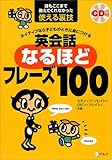
「ネイティブなら子どものときに身につける 英会話なるほどフレーズ100
―誰もここまで教えてくれなかった使える裏技」
http://www.amazon.co.jp/exec/obidos/ASIN/4757402430/bbt05-22/ref=nosim/

ネイティブなら子どものときに身につける 英会話なるほどフレーズ100―誰もここまで教えてくれな.../スティーブ ソレイシィ
¥1,764
Amazon.co.jp

懐かしい、というのは
私が2002年にアメリカ留学する前
Gabaに通っても、ベルリッツに通っても
なかなか英会話が上達せず苦労していた時

「この本はいい」と新聞で紹介されていたのを見てすぐに購入し、
大事にアメリカに持参して活用した本だからです。


「簡単なフレーズばかりだけど日常生活で役立つなあ」と思いながら
日々繰り返し読んでいたものなので、
発売から10年経った今もベストセラー入りしているのも納得です。


本 本 本 本 本 


さて内容ですが、基本的にはタイトルの通り
簡単な英会話のフレーズが100個紹介されています。


それら100個のフレーズが
「ネイティブなら子どものときに身につける」とあるように
Baby → Kid → Child → Pre-Teen → Teenager
の5段階にレベル分けされており、
各段階で20個ずつのフレーズが紹介される構成になっています。


例えばBaby段階では
「Go ahead.」(どうぞ)
のように短いフレーズが、


Teenagerになると
「It's your imagination.」(気のせいだよ)
のように少し長めのフレーズが登場する、という具合です。


1つ1つのフレーズについて
使い方のポイントや注意事項、
また大人であればどのような表現を使うか?の説明と
3問のエクササイズが付いており、


簡単なフレーズを覚えているだけのようでも
自然と使う場面までアタマに思い浮かび、
表現の幅が広がっていく工夫もされているのが特徴です。


CDが付いているので、発音を確認しながら
100のフレーズを繰り返し聞いて
覚えることもできます。


繰り返し読んで/聞いていると
いざという時パッと口からフレーズが出てくるようになるので
ぜひそこまで使いこんでみてください!


事務局・山田スマイルくん