本日は関西BOND特別セミナーへのご案内を致します。


今回は、2部構成のセミナーです。


第1部は「第1回:関西BOND受講生が主役セミナー」として、ゲストに最近ご出版された
福田徹様(22期)をお迎えし、「アラフィーでもMBA:できたての企業から老舗中堅企業、
東証1部上場企業まで」と題し、事業再生コンサルタントの立場より、これからの経営環境の
展望をお話し頂きます。


第2部は「マーケティング特別セミナー」で、一時帰国されておりますニューヨーク市立大学、
BOND大学大学院で教鞭をとられている平久保仲人先生に「消費者の癖を掴むマーケ
ティング」について、講義して頂きます。


======================================================================
◆関西BOND特別セミナー◆
======================================================================

■日時:6月27日(日)13:30-16:45 (終了時間は若干変更の可能性あり)

■受付開始:13:00
■第一部◇ 13:30-15:00 アラフィーでもMBA:講師:福田 徹様
■第二部◇ 15:15-16:45 マーケティング特別セミナー:講師:平久保仲人先生

■費用:5,000円
■定員:50名(先着)
■対象者:学生・卒業生・一般の皆さま
■場所:大阪産業大学 梅田サテライトキャンパス
■住所:〒530-0001 大阪市北区梅田1-1-3 大阪駅前第3ビル19F A教室
■TEL:06(6442)5522
■地図:http://www.umeda-osu.ne.jp/access.htm

======================================================================
◆懇親会◆
======================================================================
■日時:6月27日(日)17:00-19:00 (終了時間は若干変更の可能性あり)

■費用: 4,000円 程度(当日現金)
■定員:30名(先着)
■対象者:学生・卒業生・一般の皆さま
■場所:ANAクラウンプラザホテル大阪内 Cafe in the Park
■住所:〒530-0004 大阪市北区堂島浜 1-3-1
■TEL: 06-6347-1112
■地図:http://www.anacrowneplaza-osaka.jp/access/index.html

======================================================================


◆セミナーお申込:以下のURLにて必要事項を入力しお申し込み下さい。


https://www.bbt757.com/svlShop/cart.do?code=d619e6da0ec7067b3d829cee1e2c9cb8326dc253313ef2e0d808edb609a3dbe4


======================================================================
◆懇親会お申込:通信欄に「懇親会出席」とご記載ください。
======================================================================

セミナーお申し込み決済後の、キャンセルご返金はできませんので、何卒ご了承ください。

ACやVCでおなじみの平久保先生のリアルセミナ―です。米国の最新情報を交えて、
ダイナミックにマーケティングについて語ってくださる平久保先生のセミナーに、
皆様ぜひご参加ください。

======================================================================

■講師紹介:


◇平久保 仲人(Nakato Hirakubo)


ニューヨーク市立大学ブルックリン校経済学部マーケティング准教授
1995年、ペース大学商学部博士課程修了。アメリカ技術移転協会マネージャー、
ウインマックス社(ニューヨーク)副社長、 セント・ピーターズ大学助教授を経て
現職。専門はマーケティング戦略・消費者行動論・E-コマース・イノベーション。
著書に『マーケティングを哲学として経営に取り入れるということ』(日本実業出版社)、
『MBAマーケティング』(日経BP社)、『アメリカの広告業界が分かればマーケティングが
見えてくる』(日本実業出版社)がある。


◇福田 徹 (Toru Fukuda)


BOND22期生(2010年6月卒業)
(株)福田総合研究所 代表取締役社長。関東学院大学経済学部経営学科の非常勤講師、
國學院大學の兼任講師、数社の社外役員兼任。 証券、保険業界を経て、福田総合研究所
というコンサルティング会社を5年前に創業。IR,M&A,IPOなど証券関連の
コンサルティングを行う。今年4月にはビジネスコミック分野の事業譲渡を受け、規模を拡大中。
著書に「なぜ会社の資金繰りが悪くなったのか:ピンチをチャンスに変える企業再生術」などがある。


======================================================================

尚、セミナー・懇親会は定員になり次第、募集は締め切らせて頂きます。
以上、転送歓迎です。関西地区でご興味のありそうな方にお声掛け頂ければ幸いです。

どうぞよろしくお願いいたします。


事務局・山口スマイルくん


ニュースの英語を解説する" In the News"シリーズ
第2回の本日は"clean slate"です。


◆◇◆◇◆◇◆◇◆◇◆◇◆◇◆◇◆◇◆◇
In the news – clean slate


In the May 15, 2010 Daily Yomiuri, we had the following headline:


Will ethics council clean Ozawa’s slate?


写真素材 PIXTA
(c) YNS写真素材 PIXTA


Anyone following Ichiro Ozawa’s political career knows that he has been subjected to charges of fraud in recent months. The May 15 story discusses his decision to appear before a Lower House ethics panel to argue his innocence. Within the article we have the following phrases:


“It will likely take… to erase suspicion…”
“Sessions are held… (if someone requests their) name be cleaned”.
“… the councils are sometimes seen as tools to wipe away suspicions…”


When a person makes false accusations against us, we say that he is “sullying our good name”, or “dirtying our good reputation”. “To sully” means “to make dirty”. Therefore, when we try to disprove those accusations, we’re doing the opposite of “making dirty”; that is, we’re “cleaning up” - “clearing our name”, or “erasing the suspicion” over us.


“Slate” is a kind of rock that can easily be smoothed down and made into a good writing surface. Long ago, blackboards in England were made using slate, and it was common to refer to blackboards as “slates”. During a cricket match, or for other sports, the score for the game was kept by making marks on the slate using chalk. When the game ended, the score keeper would make the slate ready for use for the next game by erasing the previous scores. From this action, we get the phrase wipe the slate clean, meaning “to start over”.


Modern usage of “slate” is “the score or tally of good things versus bad things we have done in our lives”. “Clean Ozawa’s slate” then has the meaning of “erasing the charges of fraud and misuse of power from Mr. Ozawa’s record”. Afterwards, Mr. Ozawa could start over with a clean slate, meaning that he could begin a new career with the charges of fraud against him being dropped.


The above phrase “(if someone requests their) name be cleaned” is actually a bit odd. In the U.S. we would use “(if someone requests their) name be cleared”. We’re not really cleaning our reputation, we’re removing the mud that has been dumped on it. Removing mud or dirt from a puddle of water makes the water clear. Hence, “clearing” our names.


All of the following words or phrases have the meaning of “to make clean”, and can be used to talk about someone’s reputation or personal record:


Erase
Wipe away
Brush off
Wipe the slate clean
Start with a clean slate
Dust off
Sweep away
To clear up
To clear off


As you read the English newspapers, try to find more examples of these phrases in the stories.

http://www.yomiuri.co.jp/dy/


━━━━━━━━━━━━

※Unfortunately, this story is original to the Daily Yomiuri press, and they chose to print it only in the paper version of their newspaper. It is not available online to non-subscribers.

◆◇◆◇◆◇◆◇◆◇◆◇◆◇◆◇◆◇◆◇

職場で役立つイディオムを紹介するシリーズBusiness Idioms (B.I.)
第20回の本日は”Black and white”です。

━━━━━━━━━━━━━━━━━━━━━━━━━━━

Business Idioms #20

Black and white


Black and white – clear cut. It is very easy to differentiate between the details if one is in black and the other is in white. The blending of details (black & white) would result in the colour grey.

“well the policy is not black and white so someone could misinterpret it.”


Grey areas – situations resulting from unclear situations. If the rules are not perfectly clear you might take advantage of the grey area.
“we are working in a grey area so we have a little flexibility with respect the the law.”


Conversation 1ふきだし


Employee: I have a purchase order from a company in Hawaii but I don’t think I can ship directly without breaking the contract with our American distributor. What do you think?

(later looking at the contract)

Manager: Well there it is in black and white. It states the they have the distributorship for the lower 48 states so Alaska and Hawaii are excluded.

Employee: So I can fill the order directly?

Manager: Yes you can but I think we should contact our distributor to let him know that we are doing it. I think it will be a great gesture. You might discover that they company has a separate contract with our distributor in another state.

Employee: Good point, I will let them know.


Conversation 2ふきだし


Employee: I have a purchase order from a company in Alaska but I don’t think I can ship directly without breaking the contract with our American distributor. What do you think?

Manager: OK that is an interesting one. To be honest it is a little bit of a grey area. The contract with the distributor is for the continental United States which technically includes Alaska but they have always preferred to have us deal with Alaska directly.

Employee: Ok, so I can fill the order?

Manager: Yes but we have to let the distributor know that we have received the order and intend to fill it from here. It is the right thing to do.

━━━━━━━━━━━━━━━━━━━━━━━━━━━


ニュースの英語を解説する" In the News"シリーズ
第一回の本日は"limit"です。


◆◇◆◇◆◇◆◇◆◇◆◇◆◇◆◇◆◇◆◇


In the news – limits


In the May 9, 2010 Daily Yomiuri, we had the following headlines:


Govt eyes lower medical fee cap for low-income households
Fund planned to curb spread of Greek crisis
Regulations criticized for hindering stem cell study


(Note. “govt” is an abbreviation for “government” and is used to limit the length of the headline sentence.)


This time, we will look at words related to “limit”.


写真素材 PIXTA
(c) yuji写真素材 PIXTA


“limit” means “to prevent from going farther”, “a boundary”, “a minimum or maximum value”. For newspapers, writers prefer using short headlines of only a few words each. But sometimes the headline needs to be longer, so the writer wants to reduce the number of letters in the headline. By using “govt” to keep the headline short, the writer is said to “limit” the length of the headline.


A related use of “limit” is when the newspaper editor thinks that certain words are too “strong” in meaning for children to read. So, the editor will “limit the choice of words” to avoid offending the readers of the newspaper.


A cap is type of hat that is worn on your head. It can be used to mean “upper limit”. So, “putting a cap on spending” is the same as saying “set an upper limit on spending”. In the newspaper story mentioned above, the Japanese government is discussing the possibility of a smaller upper limit on medical fees.


Curb can mean “limit”, but it can also mean “prevent”. When we “limit the damage” caused by a disaster, we “prevent the damage from becoming worse”, or we “curb the spread” of the damage. The most common usage of “curb” is the name of the part of the street next to the sidewalk; i.e. – the street curb.


Sometimes, we don’t want to stop something from happening. Such as when a company tries to increase its profits. If a limit does exist, we consider it negatively. That is, the limit “hinders the growth of our profits”. So, hinder is “to set an undesirable limit”. We call that limit a hindrance. Therefore, the headline above describes “Japanese government regulations” as preventing stem cell research in Japan from being more successful.


As you read the English newspapers, try to find more examples of “limits” in the stories.


━━━━━━━━━━━━

※Unfortunately, this story is original to the Daily Yomiuri press, and they chose to print it only in the paper version of their newspaper. It is not available online to non-subscribers.


◆◇◆◇◆◇◆◇◆◇◆◇◆◇◆◇◆◇◆◇


今週からPEGLのOne to One Online Lessonsの

Curtis講師が提供する新しいブログシリーズ

"In the News"(ITN)シリーズがスタートします。


ITNシリーズではCurtis講師が
主に、Japan TimesやDaily Yomiuriから記事を選び


タイトルや記事内の英語より、
英語学習に役立つ英語のフレーズやイディオムの解説を致します。


本日は、Curtis講師からのシリーズ紹介と、
Part.1 Limitの2つの記事をご紹介いたします。


◆◇◆◇◆◇◆◇◆◇◆◇◆◇◆◇◆◇◆◇


Introduction
Curtis Hoffman


Welcome to the new "In the News" (ITN) blog series. I'm Curtis, a technical trainer from Minneapolis, Minnesota, USA. Minnesotans have one of the highest literacy rates in the U.S., and we are known for reading the newspapers every day. I've continued reading the English papers while here in Japan, and as an English teacher I've found that there are many sentences in the papers that may be hard for English learners to understand.


The purpose of ITN is to explain phrases or idioms used by the writers of the Japan Times or the Daily Yomiuri. These may be common phrases that appear many times in one day's paper, strange word play, or even editorial errors. Sometimes, too, the writers will become lazy and make grammar mistakes, so I will try to explain those, too.


The two key learning points:
1) For word play, English words may have more than one meaning, and we need to understand how two or more meanings work together to create a joke.

2) Understanding idioms by explaining their origin and what their current meanings are in modern usage.


◆◇◆◇◆◇◆◇◆◇◆◇◆◇◆◇◆◇◆◇


2つのKey Learning Pointに注意し
ITNシリーズをお楽しみください。


事務局・山口スマイルくん

普段会社で何気なく使っている言葉。

同じ会社に長く勤めていると
日々当たり前のように聞いて、話している言葉が
他の会社に行っても通じるとは限りません。


特に外資系企業では英語っぽい言葉が
日本語に交じるのが普通ですので、


外資系→内資系、内資系→外資系と
内外をまたいで転職したり、
同僚が転職してきたりすると


最初はコミュニケーションがスンナリ行かず
カルチャーショックを受けることも多いことでしょう。


そこで今日は、
外資系で頻出の英語っぽい日常用語を
本来の英語と合わせてご紹介します!


内資系にお勤めのみなさんは
どのくらい分かるでしょうか・・?


■会議に関係する言葉


・オーガナイズ【動】会議を企画する、参加者に声をかける
<本来の英語> organize「計画する、開催する、組織する」


・アテンド【動】参加する
<本来の英語> attend「出席する、参加する、世話をする」

※日本語でも、お客様や海外出張してきた同僚などに付きそう意味でも使われます


・アジェンダ【名】議題
<本来の英語> agenda「議題、検討事項、課題」


・アグリー【動】同意する
<本来の英語> agree「同意する」


・ディスアグリー【動】反対する
<本来の英語> disagree「反対する」


・サマリー【動】要約する 【名】要約
<本来の英語> summary「要約」


・ラップアップ【動】まとめる、終える、切り上げる
<本来の英語> wrap up「終える、要約する、締めくくる」


■営業に関係する言葉

・コンタクト【名】連絡相手、連絡相手の情報
<本来の英語> contact「窓口、連絡」


・カウンターパート【名】(自分と)同等または対応関係にある人
<本来の英語> counterpart「同等または対応関係にある人」


・アポ【名】面会の約束
<本来の英語> appointment「約束、予約」


・リスケ【動】面会の約束を変更する
<本来の英語> reschedule「スケジュールを変更する」


・コール【動】営業に行く 【名】営業訪問
<本来の英語> call「立ち寄る、訪問する、短い訪問」


・オファー【動】提案する 【名】提案
<本来の英語> offer「提案する、提案」


・カウンターオファー【動】反対提案する 【名】反対提案
<本来の英語> counter-offer「反対提案する、反対提案」


・プロポーザル【名】提案
<本来の英語> proposal「提案」


・エヌ・ディー・エー【名】秘密保持契約
<本来の英語> non disclosure agreement「秘密保持契約」


会社おやじ。 会社おやじ。 会社おやじ。 会社おやじ。 会社おやじ。


ちなみに今日ご紹介した用語は
外資系勤務者と内資系勤務者の数人にインタビューして

外資系が「日常使う」と答えたのに対し


内資系が「会社では使わない、意味がよく分からない」と回答したものを
ピックアップしたものです。


「僕が勤める外資系ではこんな言葉も使う!」
「私が勤める内資系でもこれは使う!」


などのご意見がありましたら
ぜひコメントとしてお寄せください。


事務局・山田スマイルくん

現在、BBT大学(BBTU=びびっちゅ)では

オンラインのビジネスアイデアコンテストを実施しています。


テーマ#1:「よりよい教育をより多くの人に届けるビジネスアイデア」


コンテストの受賞対象にはなりませんが

一般の方(学外の皆様)にもご参加いただけます。


また、学生のアイデアに対して、

好ましいか好ましくないかの投票、

またTwitterを用いてコメントなどを行っていただけます。


是非お気軽にご参加ください!


▼詳しくはこちらから▼

BBTU Award  


*****


応募・投票期間:2010/6/16(水)~6/30(水)

結果発表会:2010/7/4(日)


*****


事務局・山口スマイルくん

職場で役立つイディオムを紹介するシリーズBusiness Idioms (B.I.)
第19回の本日は”Have something up one’s sleeve”です。

━━━━━━━━━━━━━━━━━━━━━━━━━━━

Business Idioms #19

Have something up one’s sleeve


To have something up one’s sleeve – harks back to playing cards where someone would have a card up their sleeve which they would use to cheat if it was necessary. As an idiom it is not always negative depending upon the context. Sometimes it is used when someone is calm in the face of trouble as if they know it will be OK (because they can’t lose because of the card they have hidden up their sleeve) if the person will benefit from it then it can be a positive.

“You are so calm, what do you have up your sleeve?”


Conversation 1ふきだし

Employee: Sir, I have just updated the sales figures for the month to date and with 3 days left I am afraid that we are not going to make the budget.

Manager: Yeah, I know we are behind budget but it is OK.

Employee: What do you mean it is OK, if we miss budget this month the bosses said that we would not get our annual bonus. How can you be some calm? Do you have something up your sleeve?

Manager: Nothing unethical, I just know that there was an order from last month that did not get processed in time so those sales will be reflected in this month’s results. With that sale we will make our target easily.

Employee: You just made my day!


Conversation 2ふきだし

Manager: Ok, we are going to meet the client today and we really need this sale. There is a lot riding on this meeting.

Employee: I have a feeling it will be just fine.

Manager: How you can be so sure? I need you focused on this, the company’s future depends on it.

Employee: I know, I know but I just know it will be fine.

Manager: What have you got up your sleeve?

Employee: I didn’t want to say anything but my brother works for the other company and he told me last night that they have already decided to accept our offer. They want to meet today to work out the finer points.


━━━━━━━━━━━━━━━━━━━━━━━━━━━

「これまで英語を散々勉強してきて
 文法には自信があるし、語彙もそれなりにある。

 でも、いざ外国人と話すと
 うまくコミュニケーションがとれない!」


日本人に多いそんなタイプのあなたは
バイリンガル度(=語学の知識)は高くても
バイカルチャー度(=社会文化への適応力)が低いのかもしれません。


コミュニケーション上手になるには
バイリンガル度だけではなく
バイカルチャー度もアップしなければならない、と説得力を持って語るのは


日本人×アメリカ人のハーフで
日本で育ち(高校まではインターナショナルスクール)、
高等教育(大学~大学院~博士課程)はアメリカで受けている


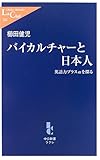
櫛田健児さんの著書
「バイカルチャーと日本人―英語力プラスαを探る」(中央公論新社)です。
http://www.amazon.co.jp/exec/obidos/ASIN/4121502124/bbt05-22/ref=nosim/


バイカルチャーと日本人―英語力プラスαを探る (中公新書ラクレ)/櫛田 健児
¥777
Amazon.co.jp

櫛田さんは長い間日本とアメリカで
英語の知識はあるのにコミュニケーション下手な
多くの日本人を観察してきて、


その問題を解決するには
バイカルチャー度のアップが必要だという結論に達し
この本の執筆に至ったそうです。


そのバイカルチャー度とは具体的に何を指すのか??


短くまとめると
バイカルチャー度の高い人とは「言葉と文法」を超えた
「社会文化的要素を取り込んだコミュニケーション」の出来る人で、


社会文化的要素には
①会話のノリ
②会話の進め方
③議論の仕方
④ユーモア
⑤相手の文化圏での大まかな考え方や世界観

などが含まれるそうです。


これらを取り込まないと
コミュニケーションが一方的になったり、ギクシャクしたりして
スムーズにいかないということです。


「社会文化的要素」リストをパッと見ただけでも
すぐにバイカルチャー度を上げるのは難しそうだ・・と分かりますが


そういった点に意識しながら英語を勉強するだけでも
効率的よくコミュニケーション力をアップしていくことができる、
というのが本書の趣旨です。


冒頭のような悩みを持っていて
バイカルチャーについてもっと詳しく知りたくなった方は
ぜひこの本を参考にされてみては如何でしょう?


本の最後にまとめられている
「社会人にも有効な英語学習10箇条」を読むだけでも
いろいろな気付きがあると思いますよ!


事務局・山田スマイルくん

和製英語と英語の違いを説明するシリーズLost in Translation
今回の30回にて最終回とさせていただきます。

ご愛読いただきありがとうございました。


最終回の本日は”サイン”です!

━━━━━━━━━━━━━━━━━━━━━━━━━━━
Lost in Translation Part 30

サイン (Signature)


As a foreigner living in Japan, I have often had to use my signature to open a bank account, get a TASPO, and rent an apartment since I don’t have a ‘hanko’. Though in many cases when I signed official documents I spoke English with my helper- who usually spoke English well- I was never asked once for my signature. Always, I was asked for my サイン. One time even, when I was opening my bank account and was speaking with a native English speaker, she asked me for my サイン (She had been living in Japan for 20 years, and had thus she had become accustomed to using ‘Jenglish’).


写真素材 PIXTA
(c) 里雨写真素材 PIXTA

Though situations when you are required to give your signature are usually clear and the foreigner will not have trouble understanding サイン, it’s a bad habit to get into for when you travel abroad.

Usually, when we are speaking English, we would ask for someone’s signature (noun). Or, we would ask them to sign (verb) their name. If we use the ask someone to give their sign, they might assume that you are talking about their astrological sign. For example, if you asked, “Could you give me your sign?” they might reply, “Uh… I’m a Virgo. Why do you ask?”

写真素材 PIXTA
(c) YoDa写真素材 PIXTA


There are many uses of the word sign. One of the most common would be a road or store sign. Quite literally, “Please give me your sign,” would mean that you would like to have the sign they are carrying with them.

So, to avoid any confusion or hilarity, but mostly to avoid サイン becoming a bad habit in English, remember to ask someone for their signature- not their サイン.


Additional phrase:
“May I have your signature?”
“May I have your John Hancock?”

━━━━━━━━━━━━━━━━━━━━━━━━━━━
※The English described in this blog is from an American perspective. Cultural reactions and vocabulary might be different in other countries like Canada, Britain and Australia.