最近ニュースや新聞などで盛んに報道されていましたので
みなさんも既にご存知のことと思いますが、


ユニクロ(ファーストリテイリング)と楽天が
立て続けに「社内の公用語を英語にする」と
発表しました。


楽天にいたっては、三木谷社長が中間決算の発表を英語で行い
その本気度を示したばかりです。


このような動きを受けて、本学学長の大前研一が
週刊ポストの定期連載「”ビジネス新大陸”の歩き方」で


2週に渡り、ビジネスパーソンに向けて
「緊急提言」を掲載しましたので、
今日のその内容を簡単にご紹介したいと思います。


●大前研一[ユニクロ・楽天「英語公用語化」で緊急提言]〈前編〉
「プラクティカル・イングリッシュ」を身に付けよ
週刊ポスト8月6日号


前編では、ファーストリテイリングと楽天の動きを紹介しつつ、
日本企業の「英語公用化」に向けた動きがいかに遅れているかを
ドイツや韓国の企業と比較しながら説明しました。


また日本人に根強い「英語コンプレックス」について指摘し、
ブロークンイングリッシュが世界標準になりつつある中
そのようなコンプレックスは不要であるとする、
学習者を勇気付ける発言も。


一方、英語ならブロークンでもなんでも良いという訳ではなく
ビジネスシーンのコミュニケーションで求められる
微妙な「ニュアンス」の必要性についても
具体例を挙げながら説明しました。


さらに、英語はあくまでツールでしかなく、
それを使いこなせたからと言って
ビジネスで結果を出せるとは限らないという点を強調し、


長年のグローバルビジネスの経験から得られた、
結果を出すためのコミュニケーションに不可欠な
4つの秘訣を披露しました。


●大前研一[ユニクロ・楽天「英語公用語化」で緊急提言]〈後編〉
「プラクティカル・イングリッシュ」習得法
「4つのポイント」と「3つのタブー」
週刊ポスト8月13日号


後編では、まず日本の英語教育に浸透している3つの間違い、
すなわち間違った学習法を紹介しました。


多くの人が慣れ親しんでいる「和文英訳」の落とし穴などが
その一例です。


そして、「プラクティカル・イングリッシュ」の習得方法として、
1年でどのくらい学習すべきかを含めて
TOEIC600点未満の人と、600点以上の人のやるべきことを
具体的に説明しました。


更には、TOEICのスコアに関わらず、誰でも独りでできる
効果的な学習方法も3つ紹介しています。


時間の厳しいビジネスパーソンにとって
効率の良く学習することがいかに重要かも
改めて感じさせられる内容でした。


ネクタイ ネクタイ ネクタイ ネクタイ ネクタイ 


内容に興味を持たれた方は
小学館のHPでバックナンバーの購入が可能ですので
ぜひこちらからどうぞ。


▽週刊ポスト・バックナンバー購入用サイト
http://www.shogakukan.co.jp/magazines/back_number/_id_083000


面接 面接 面接 面接 面接 


また、PEGLの無料メルマガに登録すると
今日ご紹介したような大前学長の最新発言が
定期的に届きます。


ご興味を持たれた方はこちらもぜひどうぞ!

▽PEGLメルマガ登録用サイト
https://www.ohmae.ac.jp/ex/english/magmail/index.html


事務局・山田スマイルくん

本日はJennifer講師が書く、
Women in the Workplace Series をお送り致します。

第4回の今回はNo-go Areasについてです。


会話の中で、何気なくこんな質問をしていませんか?


━━━━━━━━━━━━━━━━━━━━━━━

Women in the Workplace Series – “No-go Areas”


写真素材 PIXTA
(c) LAKSHMI写真素材 PIXTA


When dealing with people who share our own culture, it can be easier to ascertain (“figure out”) what is appropriate to do or speak about in social situations. However, not all “rules” are universal – many vary from culture to culture. In talking about “no-go areas”, it means areas of conversation a person should make an effort to avoid talking about unless prompted. Please keep in mind that choosing no-go areas is subjective, meaning that individuals choose what is comfortable for them to talk about.


As I have said before: “It is better to be safe than sorry” – this means that if you are not sure if something will be offensive, don’t say it! Some well known no-go areas are politics, religion, personal health (unless prompted), a person’s personal life, etc. To say that these subjects (or other subjects I may mention) are no-go areas means that you must be very careful in talking about them, if you talk about them at all. Many of these subjects should not be discussed unless you are on a very friendly level with the other person.

Some subjects in particular to avoid when talking with women in the workplace are personal relationships, age, sexuality, dress/fashion, money, and gossip, to name a few. Some of these subjects may seem to be relatively safe topics, but remember that it all depends on the level of the relationship.


First, personal relationships: what this means is that you should take care when making inquiries about someone’s personal relationships. It is considered abrupt (sudden/unexpected) to ask if someone is involved in a romantic relationship if you do not know them well.


Some examples are:

“Are you married?”
“Are you seeing someone?” (colloquial phrase for “Are you dating someone?”)
“Are you involved with someone?” (colloquial phrase for “Are you dating someone?”)
“Who are you seeing now?” (colloquial phrase for “Who are you dating now?”)
“Are you in a relationship?”
“Are you single?”


To be quite honest, if you ask someone who you do not know well this question they may think or tell you that it is none of your business. Such a topic should not be discussed unless it is relevant to the conversation or if the person volunteers (gives) the information. In any case, if a woman introduces herself as either “Mrs.” or “Miss” it means that she is married or unmarried, respectively.


Age is another subject which should not be discussed unless it is relevant to the situation or if the person tells how old they are. There is a saying: “Never ask a woman about her age”. Not all women are sensitive about their age, but some are – and this is another situation where the other person will want to know why you are asking such a personal question if it is not relevant to the situation.


Some examples of what NOT to say are:

“You look older than that.” / “You look very mature for your age.” [If someone tells their age.]
“How old are you?”
“You look so young/old.”


Sexuality is a definite no-go area and it is considered rude to inquire about a person’s sexual preferences in any situation. This is not an area which there is a significant leeway (freedom).


Some examples of what NOT to say are:

“Are you gay/straight/bi-sexual?”
“What is your sexual orientation/preference?”
“Do you like men or women?”
“She looks like a lesbian.”


I already discussed dress in a previous topic, but to reiterate, it is important to take care when discussing someone’s fashion or their grooming habits. It is okay to compliment someone – “You look nice today” or “I like your suit” – but make sure to keep things positive and very general, meaning that you do not have to give unnecessary focus to someone’s personal appearance.


Some examples of what NOT to say are:

“You would look better wearing pants than dresses.”
“Green isn’t really your color.” (“Green does not look well on you.”)
“How do you dress when you’re not at work?”
“I could see you wearing…” (“I can imagine you wearing… [particular type of clothing])


Talking about money is something which is to be avoided in general when talking with people you do not know well but it deserves a mention here, as it also pertains to women in the workplace.


Some examples of what NOT to say are:

“How much money do you make?”
“You make more than some men in the office.”
“This is the first time that a woman has gotten that position in the company.”
“It must be difficult for you to live on your salary.”


As I said before, all of this depends on the situation and who you are talking to. The context is very important! Most of it is just common sense, but for those who are not certain, it is better to err on the side of caution (“be careful” / “be safe than sorry”). If you are meeting someone for the first time, or if you are having a conversation with someone you know on a very basic (not personal) level, it is important to give a good impression. One way to do this is to be respectful in allowing a person to provide personal information over time, if they wish to, rather than asking for it and making the person feel uncomfortable. It can serve to form a more solid foundation for positive interactions.

━━━━━━━━━━━━━━━━━━━━━━━

この度、PEGL Supplementの講師が
狩野みき講師に変更になりました。


今後、PEGL Supplementで学習できる5つのコースのうち、
以下の3コースを担当致します。


-「Business News in Brief」
-「English Grammar in Business Context」
-「Business Book Club」


▼PEGL Supplementとは
http://www.ohmae.ac.jp/ex/english/curriculum/supplement.html


うさぎ先生 うさぎ先生 うさぎ先生 うさぎ先生 うさぎ先生 


【講師】狩野みき(かの みき)プロフィール


慶應義塾大学大学院修了。
英字新聞The Daily Yomiuriの記者を経て慶應義塾大学、
聖心女子大学にて講師を務める。


『女性の英会話 完全自習ブック』(アルク)
『知られざる英会話のスキル』(DHC)ほか、
辞書・教材の執筆多数。

ニンテンドーDS『スヌーピーといっしょにDSレッスン』(学研インデックス社)監修。


日本最大級の無料英会話学習サイト「英語伝」にて、
「つかえる英会話集」「女性の英会話劇場」を好評連載中。
www.eigoden.co.jp


うさぎ先生 うさぎ先生 うさぎ先生 うさぎ先生 うさぎ先生 


狩野みき講師から皆様へ自己紹介メッセージが届きましたので
ご紹介させていただきます。


手紙 手紙 手紙 手紙 手紙 


講師の狩野みきです。
私は、中学から高校までの3年間、
ヨーロッパのイギリス人学校に 通っていました。


「ああ、だから英語ができるのね」と思う方も多いかもしれません。
でも、私の場合はちょっと違います。


発音だけはマスターして帰国しましたが、
文法やボキャブラリーはひどいものでした。


社会人になってからは仕事の合間をぬって、
自分の英語力を向上すべくすさまじい努力をしました。


ですから、皆さんの、
「英語が上手になりたい」
「英語の勉強はたいへんだ」という気持ちも、


「もしかしたら英語、上達したかも!」と感じた時の喜びも
少しは理解できるのでは、と思っています。


本校での学習は、従来の学習方式とは色々な意味で違います。


私の「授業」も、中学高校の時のようなトップダウン方式のものではなく、
皆で考え、皆がイニシアティブをとってくれるような、
そんな「新しい場」にしたいと考えています。


一緒にがんばりましょうね!


手紙 手紙 手紙 手紙 手紙 


狩野講師と一緒に英語を学習したい方、
是非PEGL Supplementにお申込みください!


▼PEGL Supplementお申込みはこちらから▼
http://www.ohmae.ac.jp/ex/english/application/checksupp.asp


事務局・山口スマイルくん

ニュースの英語を解説する" In the News"シリーズ
第11回の本日は"roil"です。


◆◇◆◇◆◇◆◇◆◇◆◇◆◇◆◇◆◇◆◇

In the News Part.11 – roil


In the May 18, 2010 Daily Yomiuri, we had the following headline:
May 18 – Eurozone troubles may continue to roil Wall Street


If you are not familiar with the word roil, you may find a hint to its meaning in the first sentence of the story:

“U.S. stocks could face more volatility this week”.


Something that is volatile is either “unstable” or “easily changeable”. In general, volatility is a measure of instability, while in the financial industry it is a measure of risk for some kind of investment. The sentence “U.S. stocks could face more volatility this week” refers to the possibility of the U.S. stock prices changing suddenly during the week.


From the word “volatile”, we can assume that “roil” may be related to sudden, unpredictable change. In fact, the word “roil” dates back to 1590, according to the Merriam-Webster online dictionary (http://www.merriam-webster.com/dictionary/roil ). Currently, it means “to rile”; or, “to stir up”, “to agitate”. It is uncommon to see “roil” used in the newspapers, although it may occasionally appear in certain novels; e.g. – “she could feel the conflicting emotions roiling inside her”.


If we substitute “agitate” for “roil” then we get “Eurozone troubles may continue to agitate Wall Street”. This gives the impression that the trouble in the Eurozone is making Wall Street investors agitated. However, the author’s intent was probably to say something closer to “the trouble in the Eurozone is making the U.S. stock market unstable”.


Because “roil” also has the meaning of stirring a liquid to cause the solids at the bottom to make the liquid cloudy, the author may have made a better choice with “stir”. I think that “Eurozone troubles may continue to stir up Wall Street” is easier to visualize, and it doesn’t require us to use a dictionary to determine its meaning.


When you read the English newspapers, try to find other examples of unstable change.

━━━━━━━━━━━━

※Unfortunately, this story is original to the Daily Yomiuri press, and they chose to print it only in the paper version of their newspaper. It is not available online to non-subscribers.

◆◇◆◇◆◇◆◇◆◇◆◇◆◇◆◇◆◇◆◇

英語学習には色々な悩みがつきものですが、
「慣用句をなかなか覚えられない」
というのも代表的な悩みの1つではないでしょうか?


今日はそんな悩みの解消に役立つを
学習書籍を1つご紹介します。


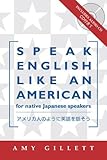
「Speak English like an American for native Japanese Speakers
 アメリカ人のように英語を話そう」


著者:Amy Gillett
出版社:Language Success Press


Speak English Like an American: For Native Japa.../Amy Gillett
¥2,323
Amazon.co.jp

この本は、全体としては
父(Bob)・母(Susan)・息子(Ted)・娘(Nicole)の
Johnson一家を中心としたストーリー仕立てになっており、


25章に分かれた各章では
その一家が絡む様々な場面での会話が展開されます。


短過ぎず、長過ぎず、程良い長さの各章の会話には
特にアメリカ人が頻繁に使う慣用句が
これでもか!というくらい散りばめられていて


それぞれの慣用句を
どのようなな場面でどのように使えるのかが
分かりやすくなっています。


各会話の後には
会話中にでてきた慣用句の意味が
日本語と英語で書かれており、


またその慣用句を使った追加の例文も書かれていて
理解が深められるように工夫されています。


各章最後には小テストもついており
きちんと覚えられたかは
ここでチェックできます。


特長はなんといっても
本書で扱われている慣用句の数!


300個以上載っていますので
1章につき平均12個以上学習できる計算です。


また、それらの慣用句は全て
ネイティブの日常会話で非常によく使われるものばかりで
実践的です。


慣用句は単語集的なもので
機械的に暗記するのが難しく


こうした書籍を使いながら実際の会話中に出てくるものを
覚えていった方が効率的だと思いますので
興味を持った方はぜひお試しください。


CDが付いているので
音声で確かめることもできますよ。


また、英語学習中は完全英語脳にしたいという方には
同じ本のオール英語版もあります!


「Speak English Like an American: All English Version for Native Speakers of Any Language」
http://www.amazon.co.jp/exec/obidos/ASIN/0972530037/bbt05-22/ref=nosim/


事務局・山田スマイルくん

この度、講座名を『実践ビジネス英語講座』に変更致しました。


『実践ビジネス英語講座』への講座名改称を記念して、
8月20日(金)までにお申込みの2010年9月期生全員に、下記2点をプレゼントいたします。


(1)10,000円分のAmazon®ギフト券


(2)大前研一学長の特別映像4タイトル


『モチベーション3.0』の著書であるダニエル・ピンク氏と大前研一の対談に加え、

台湾大統領府における馬英九大統領以下全閣僚と局長以上の官僚に対する

大前研一の特別講演、基調講演、パネルディスカッション映像の、

全4タイトルをプレゼント。


◎『Drive』 Daniel H. Pink 2010年7月14日 BBTstudio(約70分)
◎Taiwan's Strategies Beyond ECFA 2010年6月22日 台湾総統府特別講演(約60分)
◎CNIAC International Business Forum 基調講演 Prospect of Global Economy and Cooperation Across Taiwan Straits(約71分)
◎CNIAC International Business Forum パネルディスカッション 2010年6月22日 台北国際コンベンションセンター (約50分)

貴重な最新映像と「10,000円分」の学びを手に入れられるチャンスです。

ぜひこの機会をお見逃しなく。


講座の詳細情報確認・お申込みは実践ビジネス英語講座 ホームページより!


ニュースの英語を解説する" In the News"シリーズ
第10回の本日は"no confidence"です。


◆◇◆◇◆◇◆◇◆◇◆◇◆◇◆◇◆◇◆◇


In the News Part.10 – no confidence


In the May 18, 2010 Daily Yomiuri, we had the following headline:
Somali fighting kills 24; no confidence vote held


On May 21, in the Japan Times, we had:
LDP plans no-confidence motion against Akamatsu
http://search.japantimes.co.jp/cgi-bin/nn20100521a3.html


An important part of doing business globally is in knowing that the country you want to do business in has a stable government. If the government, or political situation is unstable, then we can not be sure that tax levels will not change, that riots will not affect the sales of our products to the local customers, or that the government will not seize control of our factories. Most corporate leaders follow the politics of various countries very closely.


When a country’s political leaders disagree with each other to the point of refusing to work together to run the country, the top leader, (i.e. – a prime minister, president or some political party) can say that they are not confident in the abilities or trustworthiness of the opponent. That is, that they have no confidence in the opponent’s worth for helping run the country. In a democratic society, the leader can ask members of the group to vote to show their confidence, or lack of it, in the opponent. Often, this is called a no-confidence vote, and it can be used to force the opponent out of office.


Unfortunately, a no-confidence vote can also mean that the local government is going to be restructured (also called “dissolved”), and that during the period before and shortly after the new government is installed, international business contracts may be suspended or put on hold. It is for this reason that many global companies pay attention when someone starts talking about a no confidence vote or motion. You can be sure that foreign corporations with offices in Japan are watching the LDP’s current actions.


When you read the English newspapers, try to find other examples of political discussions that may affect your company’s operations globally.


━━━━━━━━━━━━

※Unfortunately, this story is original to the Daily Yomiuri press, and they chose to print it only in the paper version of their newspaper. It is not available online to non-subscribers.


◆◇◆◇◆◇◆◇◆◇◆◇◆◇◆◇◆◇◆◇

先日、実践ビジネス英語講座(PEGL)のメールマガジン
”グローバルリーダーへの道”編集後記にて、事務局松浦が
「捨てるポイント」等お掃除のポイントをご紹介いたしました。


それについて、読者様より、
掃除の話をもっと詳しく聞かせてほしい!というリクエストがありましたので、
松浦からの追加記事として、ブログでもご紹介させていただきます。


▼メールマガジン記事はこちら

http://backnum.combzmail.jp/?t=bd46&m=77ny&p=2010072213_2577212700394072


=========================================


今回のメルマガでご紹介した話は、

ハウスクリーニング会社に勤務していたときに、
清掃後に洗剤の汚水を流すのに抵抗ができたため独立し、
自分が納得できる自然や環境に優しい洗剤だけを使って
掃除をされている方から聞いた話です。


ゴシゴシするのが掃除だと思っていましたが
その方が素材に対してあまりにも優しく接するので
驚きました。


時間がなくてきちんと掃除できないときに
綺麗見せるポイントは
ステンレス部分を磨くこと!
人は光り輝くモノを見ると、
脳からセレトニンが分泌されるそうです。


あと、トイレ掃除の大切さについて。
松下幸之助さんをはじめ、成功されている方で
トイレ掃除の大切さを説いている方は多いですよね。


特にやってみてほしいのが
便器に直接手を入れて掃除すること。


ウッとかエッとくる場所ですから
自分のイヤな感情がでてくるのだそうです。
自分のイヤな部分を受け入れられるか、が問われるのが
トイレ掃除だそうです。


自宅のトイレならまだしも、
北野たけしさんは公衆トイレも手で掃除したといいますから
それがどんな意味があるのかなんとなくわかりますよね。


~ お掃除の起源 ~


大昔、神様の訪問時には
音を連れてやってきたそうです。
そこから、
音を連れてくる=音づれ=訪れ
という言葉ができたようです。


神様の来る場所を掃除することから始まり、
じょじょに
人を招いて、喜びを置いていってもらうために、
掃除をしたのだそうです。


~ お掃除の基本 ~


・上から下に
・目地(素材のつくりの方向)に沿って
・ほこりは端に溜まり、汚れは歩く動線に溜まる


~ お掃除のワンポイント ~


・素材の立場に立って磨く
・光る部分を磨き上げる
・半乾き雑巾ではじまり、乾拭きで仕上げる


~ 洗剤のポイント ~


・ペーハーの性質を知っておく
酸性の汚れ(油汚れ)にはアルカリ性の洗剤、
アルカリ性の汚れ(尿石、水あか、ほこり、ハウスダスト)には酸性で対応する。


~ 材質の特徴を知る ~


◆木材 無塗装のものは吸水性が高いので水は使わない。
    コーティング済みの床は普段は乾いた布か、つやだし布で拭く。
    汚れたら半渇き雑巾。


◆石材 砂埃で傷がつきやすいので、玄関のたたきなどはこまめに掃き掃除。
    シミになりやすい酸性・アルカリ性の洗剤は使わない。


◆プラスティック 浴室や床材に多い素材。傷がつきやすく、そこに汚れが入り込み、
    とれにくくなるので注意が必要。研磨剤やブラシは端で試してから。


◆ステンレス 鉄やアルミに比べて丈夫でさびにくい。基本は水拭きとやわらかい布で乾拭き。
    硬いパットやブラシ。


◆アルミニウム 窓のサッシや門・扉などに使われる。軽くてサビに強いが、ホコリや排気ガス、
    海塩など長時間放置すると腐食の原因となる。定期的なケアが必要。


◆タイル タイルは長石・珪石・粘土を焼いたもの。表面は丈夫だか割れやすい。
    目地はセメントや顔料などでできており、汚れはそこに付着浸透しやすい。
    酸や漂白剤に弱い。


◆ガラス・鏡 ケイ素が主成分。洗剤に強いが研磨性の高いクレンザーやたわしの使用、
    砂のついたまま水拭きするなどで簡単に傷がつく。やわらかい布で手入れする。


◆塗装面 レンジフードなどの樹脂やフッ素樹脂加工、ペンキなどの塗装表面は比較的
    硬い。酸・アルカリともに弱く、皮膜をはがす恐れがある。熱や油汚れが付着
    するだけでもはがれるので、こまめに手入れする。


スポンジは目が粗いものから細かいものまで20種類くらいを持参していました。
最近は100円ショップでもよい道具が揃っているので
お客様にご紹介できるように、端から挑戦していらっしゃるようです。


どこを掃除するのにもまずは目が細かく優しい道具から使用し、
汚れが取れなければ少しずつ荒いものや硬い素材に変えていました。


私たちはよく取れそうな道具をすぐに使用しますが
そのあたりが全く違っていました。


我が家の風呂場の鏡は、
前の住人から引き継いだ水あかが全く取れなかったのですが
ダイヤモンドの埋め込まれたスポンジで
なでるように何度もこすっていたら少しずつ落ちました。
特殊なスポンジはホームセンターなどでないと売っていないそうです。


以上になります。
最後まで読んでいただき、ありがとうございました!

=========================================


月1回、貴重な講義映像もプレゼントしているメールマガジン
「グローバルリーダーへの道」、
大前研一学長の最新記事、英語、講師陣の発言の他にも
ビジネスに役立つ話題を沢山ご紹介しています。


▼ご登録はこちらから▼
https://www.ohmae.ac.jp/ex/english/magmail/index.html


メールマガジンにつきまして、お聞きになりたいことがありましたら
遠慮なくお問い合わせください。

事務局・松浦スマイルくん

ニュースの英語を解説する" In the News"シリーズ
第9回の本日は"Move at Velocity"です。


◆◇◆◇◆◇◆◇◆◇◆◇◆◇◆◇◆◇◆◇


In the News Part.9 – Move at Velocity


In the May 28, 2010 Japan Times, we had the following story title:


Dead Weather move at velocity


This story was originally written by Chris Talbott for the Associated Press and carried by the Kansas City Star newspaper under the title: “Jack White’s band the Dead Weather puts out its second album in a year”.


“Dead Weather” is the name of American rock musician Jack White’s third band (after White Strips and The Raconteurs). The point of the story is that Jack White has built his own music recording studio, allowing him to quickly produce his own records. For his The Dead Weather band, his second album in 10 months, “Sea of Cowards”, was released on May 11.


写真素材 PIXTA
(c) SHUN写真素材 PIXTA


What I want to point out here is that story headlines are often written by a newspaper’s editor. While the author, Chris Talbott, had a very simple headline for the story as it originally appeared in the Kansas City Star, the Japan Times editor decided to be “clever” to attract readers’ attention to the story.


Just as there are good musicians and bad musicians, there are good and bad writers. The Japan Times editor chose a headline that attempts to make a joke about how quickly The Dead Weather released two albums in a row combined with the band’s name (“dead weather” can refer to weather patterns that are not moving). That is, the band “not moving weather” “moves quickly” when releasing records.


The problem is that velocity means “speed”. That is, the speed that an object travels at. 1 kilometer per hour is a velocity, just as 100 kilometers per hour is. However, 1 kph is very slow and 100 kph is much faster. For the headline to be funny, and for it to make sense, the Japan Times editor should have written “Dead Weather move at high velocity”, or “Dead Weather move fast”. Simply using “move at velocity” has no meaning if we don’t know what the normal speed of the band is.


There is no mention in the article of “velocity”, so the editor’s choice of “move at velocity” is strictly arbitrary. In this case, arbitrary means “random” or “on impulse”. So, when we read a newspaper and try to the English phrases used, it’s important to recognize when a writer or editor isn’t very good and uses English poorly. It can be difficult to understand a new language at the best of times; trying to understand poorly written English is that much harder.


As you read the English newspapers, try to find more examples of badly witten phrases in the stories.

http://www.kansascity.com/2010/05/24/1968131/jack-whites-band-the-dead-weather.html

◆◇◆◇◆◇◆◇◆◇◆◇◆◇◆◇◆◇◆◇

今月1日、中国の国営新華社通信(Xinhua)が
世界に向けて毎日24時間、
英語でニュースを発信するテレビ放送
「CNCワールド」を開始しました。


現在のところ海外ニュースと中国国内ニュースの比率は
7対3、というのが方針だそうで


「24時間、英語で海外ニュースを発信」という
そのコンセプトはさながらCNNニュースの中国版、
といったところですが


そのホームページを見ても
漢字を含むロゴがなければ
欧米系のニュースネットワークのサイトを閲覧しているのと
勘違いしてしまいそうなビジュアルです。


▽CNCワールドのHP
http://english.news.cn//


”中国とメディア”と言えば、今年の6月に
中国企業が米ニューズウィーク誌の買収に名乗りを上げたものの
入札から外されたことが話題にもなりましたが


中国は人権問題などで海外メディアから
何かとバッシングを受けることが多く、
国際社会からあまり良いイメージを持たれていないので


そうしたマイナスイメージを払拭するために
最近は中国視点で情報を発信するメディア戦略にかなり力を入れており、
今回のCNCワールドの立ち上げもその一環と考えられています。


1つの出来事を偏った視点からだけではなく
様々な視点から見て最終的に自分で判断することは
グローバルに活躍したいと思うビジネスパーソンにとっては
大事な資質だと思いますので、


視野を広げるためにも、英語学習のためにも、
CNCワールドのような新しい英語メディアに
たまには目を通すようにしてみてはいかがでしょう?


1つのニュースを欧米視点で見るのと
中国視点で見るのとではどう違うのか?を知るには、


一時は中国からの撤退まで匂わせたグーグルが
結局同国で業務を続けるためライセンス更新した、
というニュースが良い例になると思いますので、
ご興味があればぜひこちらをどうぞ。


▽欧米視点から
China Renews Google’s License
July 9, 2010
By David Barboza and Miguel Helft
The New York Times
http://www.nytimes.com/2010/07/10/technology/10google.html


▽中国視点から
China confirms Google's operation license renewed
July 11, 2010
By Fang Yang
Xinhua
http://news.xinhuanet.com/english2010/china/2010-07/11/c_13394498.htm

事務局・山田スマイルくん