

神戸倶楽部とは西日本で
最初の外国人クラブとして設立され、
国際的な交流・社交の場として
維持発展してきました
世界中に提携があるクラブです
神戸倶楽部の会員になるには
他の社交クラブと同様に
審査がございます

私の家族は代々
神戸倶楽部のメンバーで
食べ歩く文化はなく
私は赤ちゃんの頃から
教会のあとや
外食とプールは
神戸倶楽部またはホテル
富裕層の皆様のお宅に
お邪魔させていただくか
自宅の旧ムーア邸に
ゲストにお越しいただく形でした
神戸倶楽部には
沢山の沢山の家族との
思い出がございます
私の娘の観音様も
神戸倶楽部のプールで
遊ぶお写真がございます
私はメンバーではないのですが
神戸倶楽部の理事のご好意で
もう行く事はないと思っておりました
懐かしの神戸倶楽部へご案内いただき
大変優雅なひと時を
過ごさせていただいて参りました🩷
心より感謝申し上げます🙏✨
神戸倶楽部 理事 トリーニ・ヤコポ様


神戸倶楽部 日本で唯一独立型
フリーメイソン のロッジ
カービーホールについて
https://dodici12.com/dodici-22syunen/

私と共に1874年生まれの
イギリス貴族の曽々祖父をはじめ
家族の霊が共にいるのですが
家族が大変喜んでいるのが分かりました
大変残念な事に歴史ある神戸倶楽部が
今年の12月で縮小し
日本で唯一独立型の
フリーメイソンのロッジ
KIRBY HALL
(カービーホール?キルビーホール?)も
解体されてマンションが
建てられてしまうとの事でした
 赤ちゃんの頃から見てきた建物で
とても残念です…
1874年生まれのイギリス貴族の曽々祖父
Lewis William Moore 男爵から
代々家族が
神戸倶楽部のメンバーで
家族がフリーメイソンだった事に
気付きました🩷
🩷https://englishhistorichouse.com/2020/02/28/kirby-hall
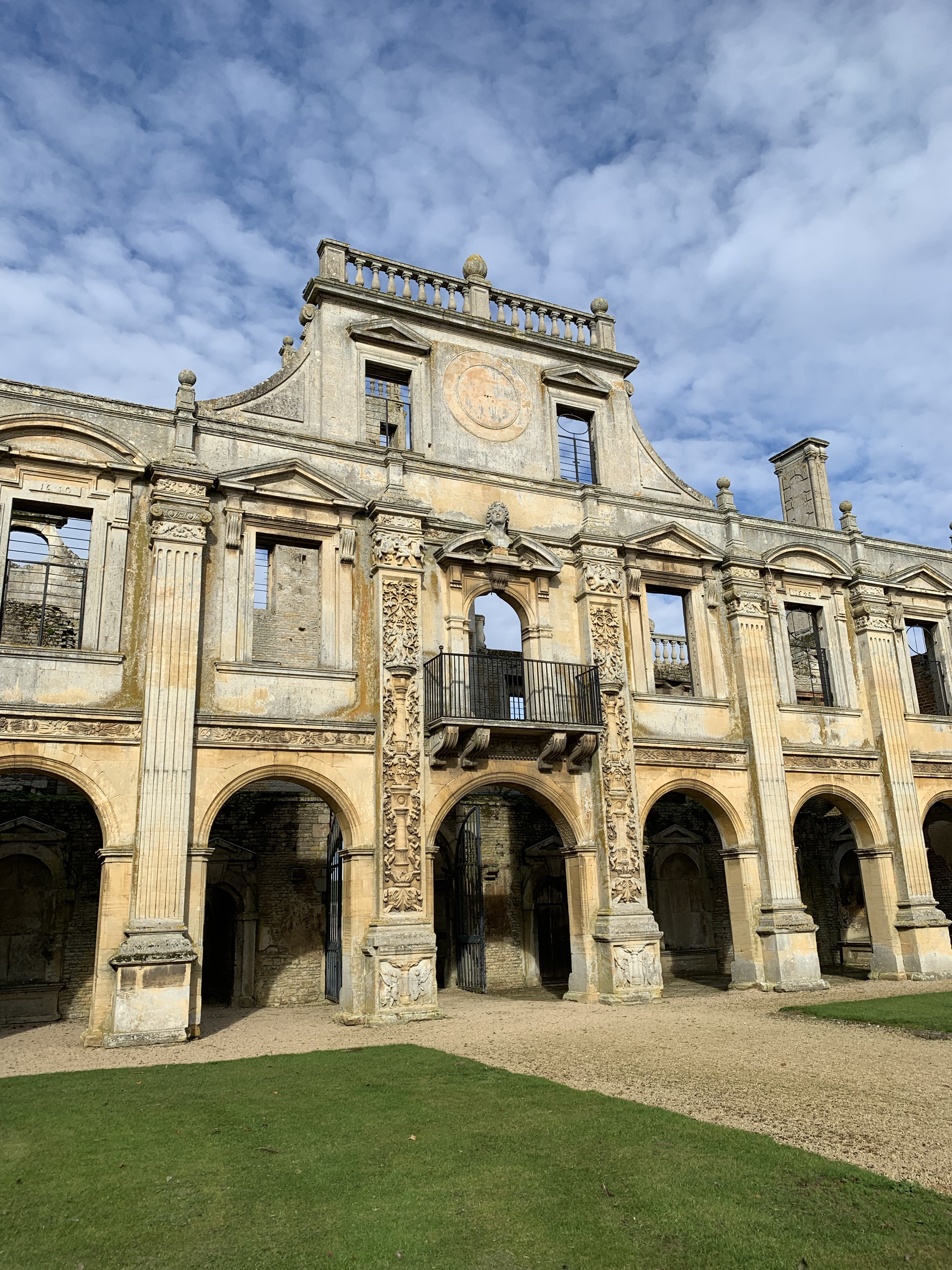


KIRBY HALL
since 1870
&since 1956


 とても美しい建物

神戸倶楽部 理事 ブログ
神戸倶楽部について
神戸倶楽部 ホームページより
神戸倶楽部は1869年(明治2年)、西日本で最初の外国人クラブとして設立され、それ以来、国際的な交流・社交の場として維持発展してきました。2014年にはクラブの法人格を一般社団法人に移行致しました。
現在、倶楽部会員の国籍は30か国余りに及び、大使館・領事館、政府・地方自治体関係者、民間企業、医療、大学・研究機関など、様々な分野の方々で構成されています。当倶楽部はトアロードの坂を上がったところに位置し、三宮・元町の喧噪から離れ、緑豊かで静寂に包まれた都会のオアシスの様な雰囲気を呈しています。


神戸倶楽部 歴史
西日本で最初の外国人クラブとして設立され、それ以来、国際的な交流・社交の場として維持発展してきました。
27名の外国人が「英国倶楽部」(別称インターナショナルクラブ)を設立し、現在の神戸倶楽部の礎となりました。翌年、元町から旧居留地に移転し「神戸クラブ」と命名され、以後その名称は倶楽部内外の方々に長く慣れ親しんで頂いております。
1879年
さらに多くのメンバーが集えるよう、より大きな敷地を求め加納町に移転しました。1890年、イギリス人建築家A.N.ハンセル氏の設計によるレンガ造りの美しい建物が完成し、当時日本で一番長いカウンターのあるバーや、図書室、ビリヤードルーム、ボーリングアレー、談話室などの施設が設けられていました。第二次世界大戦が勃発するとクラブの活動は余儀なく停止させられ、その素晴らしい建物も空襲で焼失してしまいます。
1995年
戦後、倶楽部は加納町の土地を売却し、1955年に旧東亜ホテルの跡地に移転し、翌年には現在の建物と施設が完成いたしました。1995年の阪神大震災時には幸運にも被害を免れ、神戸で被災された約200人の方々に倶楽部の施設を避難所としてお使い頂きました。
2019年
神戸港開港以来150年、神戸倶楽部は神戸市の歴史と共に歩み、国際的な交流の場、憩いの場として国際都市神戸の中で独自の役割を担ってきています。2019年5月1日には創立150周年を迎えました。


カービー家の遺産
M.W.B. ジェームズ・L・ジョンストン
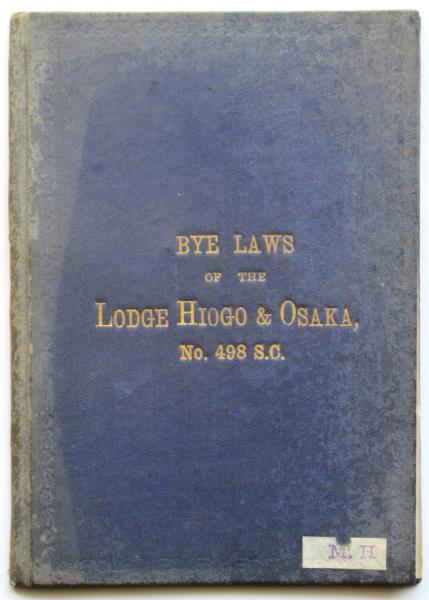
日本の神戸を訪れ、もしフリーメイソンのロッジの会合に参加したい場合、神戸クラブの裏手、北野町にあるカービー・ホールで行われています。ここでは2つのクラフト・ロッジが会合を開いており、1つはロッジ・ヒオゴ(ヒオゴ・ロッジ)、もう1つは大阪498号ロッジ(S.C.)およびライジング・サン・ロッジ1401号(E.C.)です。これらのロッジはそれぞれ1870年と1872年に起源を持ち、戦争の期間を除いて継続的に運営されています。
自然に生じる疑問は、「なぜこのロッジの建物は『カービー』ホールという名前なのか?」ということです。この答えは、2人のイギリス人、アルフレッド・カービーとエドワード・カービーの人生に関係しています。そして、1854年と1858年に批准された日本の安政商業条約が背景にあります。この条約は、滑動税率、治外法権、外国貿易と居住地に関する制限された地域を、神戸、兵庫、大阪などの港町に設けることを定めていました。
エドワード・カービー(1836年-1883年)は、オーストラリアと中国を経て日本に来て、ビジネスの才覚を生かし、横浜、長崎、神戸でいくつかの事業を立ち上げました。これには、今日のデパートメントストアに相当する商店が含まれており、ヨーロッパ人20人と大勢の中国人や日本人スタッフを雇っていました。この商店の経営者であったことから、神戸のエリートクラブには入会できませんでしたが、彼はおそらく日本で最も裕福な外国人の1人であり、教育や社会的背景では多くの会員より優れていたにもかかわらず、商人として認識されていたのです。エドワードの他のビジネスには、神戸と大阪の不動産や、最終的に所有することになる神戸製鉄所の2/3の株式が含まれていました。彼はその後、甥のアルフレッド(1852年-1940年)を呼び寄せ、製鉄所の拡張を進めました。まもなく、琵琶湖用の2隻を含むいくつかの沿岸蒸気船と、日本政府のために初の鉄甲艦を建造しました。製鉄所は6エーカーの広さで、700人以上を雇用していましたが、急速な拡張により財政的困難に直面し、1883年にエドワードは横浜で自殺しました。香港上海銀行は製鉄所の拡張のためにかなりの資金を貸し付けていたため、そのローンを守るために売却を強制し、日本政府はその利益を守るため(彼らは別の戦艦「ヤマト」の建造を契約していた)製鉄所を購入し、帝国日本小名浜造船所として改名されました。
アルフレッドは造船所の総工長および監督として留任し、後に海洋測量士として自立し、叔父の遺産を管理しました。それには、外国人居留地にある少なくとも4つの大きな貴重な不動産、神戸市内のいくつかの不動産、そしてトール・ホテルの大きな株式保有が含まれていました。彼は神戸クラブの会員になることに興味がありませんでした。
熱心で積極的なフリーメイソンであったアルフレッドは、1877年にロッジ「ホープ」クルラチー350号(S.C.)で入会し、ライジング・サン・ロッジ1401号(E.C.)の名誉会員となり、1895年にはマスターを務めました。また、日本の地区大ロッジでは1896年にジュニア・地区大ワーデンを務め、1892年にはスコットランド王室アーク・チャプター229号のメンバーとなり、1910年にそのチャプターが休眠するまで活動していました。スコットランド・ライト(AASR, SJ)では、ローズ・クロア・チャプター2号の会員であり、事務局長を務めました。彼の「クラブ」は、48中山手通りのフリーメイソン・コリント・ホールにあり(彼自身が設計に関わった)、ここではビリヤードを楽しんでおり、バーには彼専用の椅子が用意されていました。
アルフレッドはトール・ホテルへの関心を持ち続け、1940年まで取締役を務めました。戦争中、ホテルの株主は株式を川崎造船に譲渡することを強制され、ホテルは日本兵の負傷兵のための病院として使用されました。戦後、アルフレッドの娘たちは日本国籍を持っていたため、連合国補償法に基づきトール・ホテルの株式を受け取ることができませんでした。彼女たちはその後、2つの小さな土地を持ち、その上に家が建てられていました。1950年代には、次女が生まれつき盲目で、長女は癌を患っていたため、彼女たちは困窮していました。この時、2つの神戸のロッジが介入しました。長女は病院に入院させられ、2軒の家は改修され、1軒は賃貸に出され、盲目の娘と彼女のメイドが小さな家に住むことになりました。WBウィリアム・ラッキーは会計士であり、ロッジ・ヒオゴと大阪のメンバーで、これらの不動産の信託者となり、娘たちの面倒を見、彼女たちが亡くなった後は、残りの財産が2つのロッジの慈善基金に戻ることを約束しました。盲目の娘は1963年に亡くなり、その後メイドも1964年に亡くなりました。土地は1969年に売却され、日本の不動産の驚異的な価格上昇により、ロッジには約4500万円が支払われました。1971年、ロッジと神戸クラブ(ロッジが1956年から会合を開いていた場所)との間で合意がなされ、ロッジはクラブに1000万円を貸し、クラブはロッジのために2000万円をかけて新しい建物を建設し、その所有権をロッジが持つこととなりました。
この建物は1972年1月15日に奉献され、2つの神戸ロッジ、スター・イン・ザ・イースト640号ロッジ、訪問したメイソンたち、香港の英スコットランド大ロッジの代表者が集まりました。RWBリチャード・リーが奉献官を、ジョージ・アーリスが奉献牧師を務めました。奉献式で強調されたのは、カービー兄弟とラッキー兄弟がこのフリーメイソン・ホールの建設を可能にしたことを忘れないようにということでした。これがカービー家の伝説的な物語であり、神戸のフリーメイソンの建物がなぜカービー・ホールという名前を持っているのかの理由です。エドワード・カービーがクラブの会員資格を否定され、皮肉にもカービーの名前を冠した建物がそのクラブの敷地に建てられたことは興味深いですが、このように家族名を永遠に残すことは適切であり、建物は「壮麗で威厳のある」と形容される白いギリシャ風四柱式の神殿で、周囲には日本の松の木が並んでいます。
A Brief History of the District Grand Lodge of the Far East, Hong Kong, 1961.
Catto, A.R.; Freemasonry in Japan, 1866-1941, Tokyo.
Haffner, Christopher; The Craft in the East, Hong Kong, 1977.
Kodansha Encyclopedia of Japan, Tokyo, 1983.
Peck, Nohea O.A.; Masonry in Japan, Tokyo, 1966.
Williams, Harold S.; Tales of the Foreign Settlements in Japan, Tokyo, 1972.
Idem; Japan Times, March 25, 1979, Tokyo.
Idem; The Kobe Club, Kobe, 1975.
─────────────
The Kirby Legacy
M.W.B. James L. Johnston
When visiting Kobe, Japan, and if you would like to attend a Masonic Lodge meeting, Kirby Hall, situated in the rear area of the Kobe Club, on Kitano-cho, is where two Craft Lodges hold their meetings. They are Lodge Hiogo and Osaka No. 498, S.C., and Rising Sun lodge No. 1401, E.C. They trace their beginnings to 1870 and 1872 respectively, and have operated continuously except for the war years.
A natural question could be, "Why is the Lodge building named 'Kirby' Hall?'" The answer involves the lives of two Englishmen, Alfred and Edward Kirby, and we have to return in time to when Japan's Ansei Commercial Treaties were approved in 1854 and 1858, which provided for sliding scale tariffs, extra-territorality, and restricted areas for foreign commerce and residence in several ports and cities, including Kobe, Hyogo and Osaka. Due to internal political unrest, the foreigners in Hyogo and Osaka were requested to move to Kobe, which in time became a model city with wide streets and spacious homes and buildings. The foreign trading and residential areas attracted men from all stations in life, from those who were worthy and respected, to those described as "...the scum of the earth ...adventurers, desperados, runaway sailors, outlaws, moral refuse...unscrupulous specimens of all nations ..." Newly-formed clubs in Kobe — the Hiogo & Osaka Race Club, the Kobe Regatta & Athletic Club, the German Union Club, and the English International or Kobe Club — had to decide who would be desirable members and had an unwritten rule that excluded mariners, Eurasians and shopkeepers. This obvious discrimination and social injustice caused considerable ill-will and did not change for many years.
Edward Kirby (1836-1883) came to Japan via Australia and China, and used his business acumen to establish several enterprises in Yokohama, Nagasaki and Kobe. This included what we would today call a department store, employing twenty Europeans and a large staff of Chinese and Japanese; this defined him as a shopkeeper which made him ineligible for membership in the elite Clubs in Kobe, despite the fact that he was probably one of the wealthiest foreigners in Japan, and was superior in education and social background to many of the members. Edward's other business interests included considerable property in Kobe and Osaka, and two-thirds interest in the Kobe Iron Works which he eventually owned. He then sent for his nephew Alfred (1852-1940), anengineer, to expand the iron works. Soon several coastal steamers, including two for Lake Biwa, and the first iron-clad warship for the Government of Japan were built. The iron works covered six acres and employed over 700 men, but due to its rapid expansion there were financial difficulties and while in Yokohama in 1883, Edward committed suicide. The Hong Kong and Shanghai Bank had advanced considerable funds for the iron works expansion, and to protect their loan, forced a sale to recoup their investment, and the Japanese government, to safeguard their interests (they had contracted for the construction of another warship, the "Yamato," the first of many to bear the name), purchased the iron works and it was re-named the Imperial Japanese Onahama Naval Yard.
Alfred was retained as General Foreman and Superintendent until the Naval Yard moved to Kure. He then established himself as a marine surveyor and spent considerable time managing his late uncle's affairs, which included at least four large and valuable properties in the foreign settlement, several in Kobe City proper, and a large stock holding in the Tor Hotel. He had no interest in becoming member of the Kobe Club, due to the prejudice afforded to his uncle.
A devoted and active Freemason, Alfred had been initiated in Lodge "Hope" Kurrachee No. 350, S.C. in 1877, became an affiliate member of Rising Sun Lodge No. 1401, E.C. and served as Master in 1895. In the District Grand Lodge of Japan he was the Junior District Grand Warden in 1896, and in 1892 was a member of the Scottish Royal Arch Chapter No. 229 until it became dormat in 1910. In the Scottish Rite (AASR, SJ) he was a member and the Secretary of Kobe Chapter of Rose Croix No. 2. His "club" was in the Masonic Corinthian Hall at 48 Nakayamate-dori (which he assisted in planning), where he enjoyed playing billiards and by common consent, a chair was reserved for him in the bar room.
Alfred maintained an interest in the Tor Hotel and was a Director until his death in 1940. During the war the hotel's stockholders were forced to turn over their shares to the Kawasaki Dockyard and the hotel was used as a hospital for wounded Japanese soldiers. After the war, Alfred's daughters, because they were Japanese nationals, could not receive any of their Tor Hotel shares from the Allied Powers Compensation Law, and by then had only two small parcels of land which had houses built on them. By the 1950s, the daughters were in dire circumstances, as the younger had been blind since childhood and the elder had cancer. At this time the two Kobe Lodges intervened. The elder daughter was placed in a hospital, the two houses were renovated, one was rented for income and the blind daughter and her maid resided in the smaller one. WB William Lackie, an accountant and a member of Lodge Hiogo and Osaka, became the trustee for the properties with the agreement that the daughters needs would be taken care of, and at their deaths the residual would revert to the Masonic Benevolent Fund of the two Lodges. The blind daughter died in 1963, followed by her maid in 1964. The land was sold in 1969, and due to the remarkable appreciation in Japan's real estate, the Lodges received almost forty-five million yen. During 1971 an agreement was reached between the Lodges and the Kobe Club (where the Lodges had been meeting since 1956), whereby the Lodges would lend the club ten million yen and the club would agree to the Lodges' erecting a building costing twenty million yen and the club would hold the title.
The building was consecrated on January 15, 1972 with representation from the two Kobe Lodges, Lodge Star in the East No. 640, visiting Masons, and the English and Scottish District Grand Lodges in Hong Kong. RWBs Richard Lee was the Dedicating Officer and George Arliss was the Dedicating Chaplain. During the oration it was stressed to those in attendance not to forget Brothers Kirby and Lackie who made the construction of the Masonic Hall possible. Thus we have the story of the legendary Kirby family and why the Masonic building in Kobe was named Kirby Hall. Although it is rather ironic that a building bearing the Kirby name was built on the property of the club that denied Edward Kirby membership, perpetuating the family name in this manner is clearly appropriate. The building, described as "splendid and dignified," is a white Grecian tetrastyle temple situated in a serene setting of Japanese pine trees, despite a nearby dense residential area, and affords the Kobe Masons with an ideal place for their meetings and ceremonies.