
ミア・コウト『夢遊の大地』(国書刊行会「アフリカ文学の愉悦」シリーズ 伊藤秋仁訳)読了。

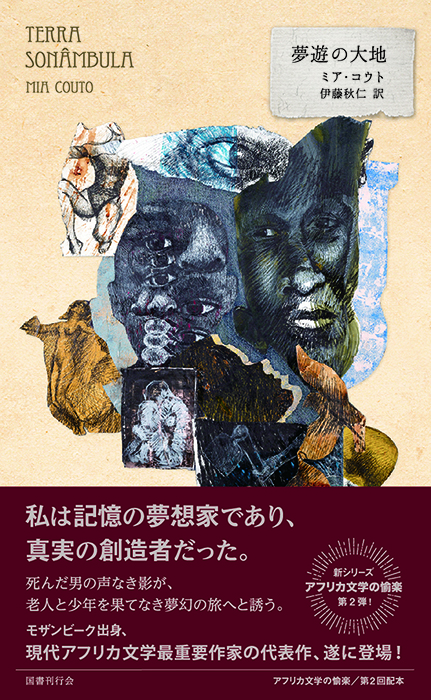
1977年から15年にわたる内戦で荒廃し切ったモザンビークの大地を彷徨う少年と老人。少年が道端に倒れていた死体から見つけたノートには、不可思議な放浪を続ける男の物語が記されていた。少年は字の読めない老人にそれを語って聞かせるが、いつしか自分たちが物語の登場人物と重なり合ってゆく。この構造は筒井康隆『驚愕の荒野』に似ていなくもない。原文はポルトガル語で、人が虫けらのように死ぬ悲惨な内戦の実態と、先住黒人の現地語の民話や伝承に根差すマジックリアリズム的な要素もある語り口が混ざり合い、混沌としためくるめくような神話的世界を作り出してゆく。人間が獣に、雄牛が鳥に変身し、幽霊が徘徊し、禁忌を犯した人間は祟りで死に、十年も前に死んだ男が突如蘇って生前と同じように悪だくみをする。少年たちが移動していないのに風景が(まさに夢遊するごとく)内陸から海へと変わってゆく。呪術師は言う。「…我々はもはや我々ではない。死ぬことを受け入れるのだ。戦争が我々を動物にした。その動物を死なせるのだ」一方では武装強盗団が白昼堂々跋扈し略奪と殺戮を繰り返す。政治家は汚職に走り、逆らう者は容赦なく弾圧される。中世さながらの弱肉強食の世界。救いはどこにもない。ただ物語が受け継がれ続いてゆく。
その中に恐ろしい一節がある。子供好きだが少し妄想気味の老婦人ヴィルジニアがある日、庭で行き倒れて瀕死の少年を見つける。
彼女は息があることを確認したけれど、抱き上げたり起こしたりはしなかった。シャベルを取ってきて、その子の上に土をかけた。こう言いながら。
「わが子よ、死になさい。この世にいるよりも土に埋もれて死んだほうがいいのよ。子どもたちに居場所などないのだから」
他の子どもたちがやってきて、彼女が生きた子を埋めているのを見た。子どもたちは口を挟んで、老女を思いとどまらせようとした。
「おばあちゃん、その子を生きさせてあげて!あともう少し」
「何のために?」
「その子の話を聞きたいの」
ヴィルジニアは納得しなかったけれど、その意を汲んだ。そして同意した。その侵入者をそのままにして、話ができるまで休ませることに。というのも誰もがニュースを渇望していたからだ。それも信じるに足るものを。老女と子どもたちはグルになった。「元気にさせて、食べ物を与えて、それから殺そう。その子の話を他の誰にも聞かせず、自分たちだけのものにしよう」そのように取り決めた。