
A patio is more than a flat surface outside your house, it is where morning coffee meets summer rain, where kids trace hopscotch lines, and where a modest renovation can reshape how you use your yard. In Tampa, where sun, salt air and sudden storms shape material choices and installation methods, the right concrete patio can last decades if designed and installed with local conditions in mind. This guide distills field experience, practical judgment, and what homeowners should expect when hiring concrete finishing contractors like All Phase Concrete for a Tampa patio.
Why concrete works well here Tampa’s climate favors dense, well-drained materials. Concrete handles UV exposure and heavy use better than many pavers that can shift on sandy soils. A properly poured patio resists weed growth, requires less maintenance than grass or deck boards, and tolerates the humid heat when finished with the right sealer. Salt from nearby bays accelerates corrosion in metal fastenings and can discolor porous surfaces, so concrete mixes and finishes chosen for durability matter more here than in more temperate inland climates.
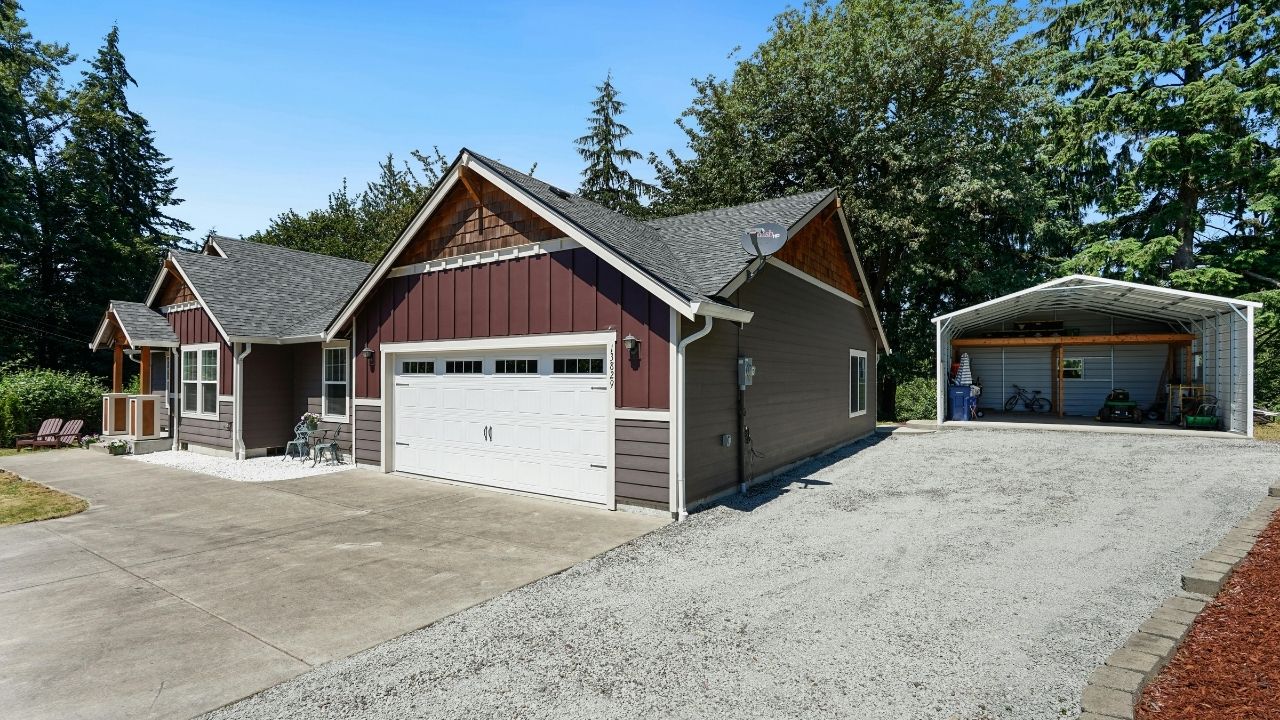
Site assessment that pays off Before the truck arrives, a careful site assessment saves time and money. Look for seasonal runoff paths, shallow roof lines that drop water near the proposed patio, and existing tree roots. In Tampa the subgrade is frequently sandy with a shallow water table in parts of the city. That affects compaction, the amount of base material needed, and whether subgrade stabilization is required.
A common misstep is assuming a flat-looking yard is ready for concrete. I once measured a site where the "flat" yard had two inches of soft topsoil over a honeycombed limestone ledge. The first crew poured without addressing that soft layer and the slab developed hairline cracking within months. Replacing or compacting the top layer would have cost less than the repair rip-out that followed. Trust a contractor who probes the subgrade and explains compaction targets and expected base thickness.
Design choices and their trade-offs Concrete patios can be plain, broom-finished for traction, stained for color, stamped to mimic stone, or textured with exposed aggregate. Each choice has trade-offs.
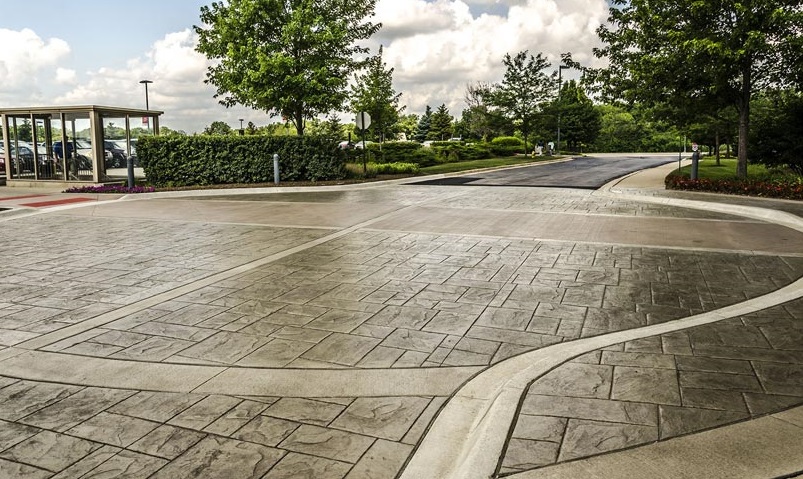
A broom finish is the lowest cost, creates non-slip texture, and ages predictably; it is the right choice for pool decks or high-traffic family patios. Stamped concrete provides a pattern and can convincingly mimic pavers or flagstone, but stamping requires precise timing and skill; poor timing creates ghosts of joins and inconsistent texture. Stain or integral color can provide long-lasting color, but lighter pigments will show more dirt in humid conditions. Exposed aggregate resists wear and hides small repairs, at the expense of being slightly rougher on bare feet.
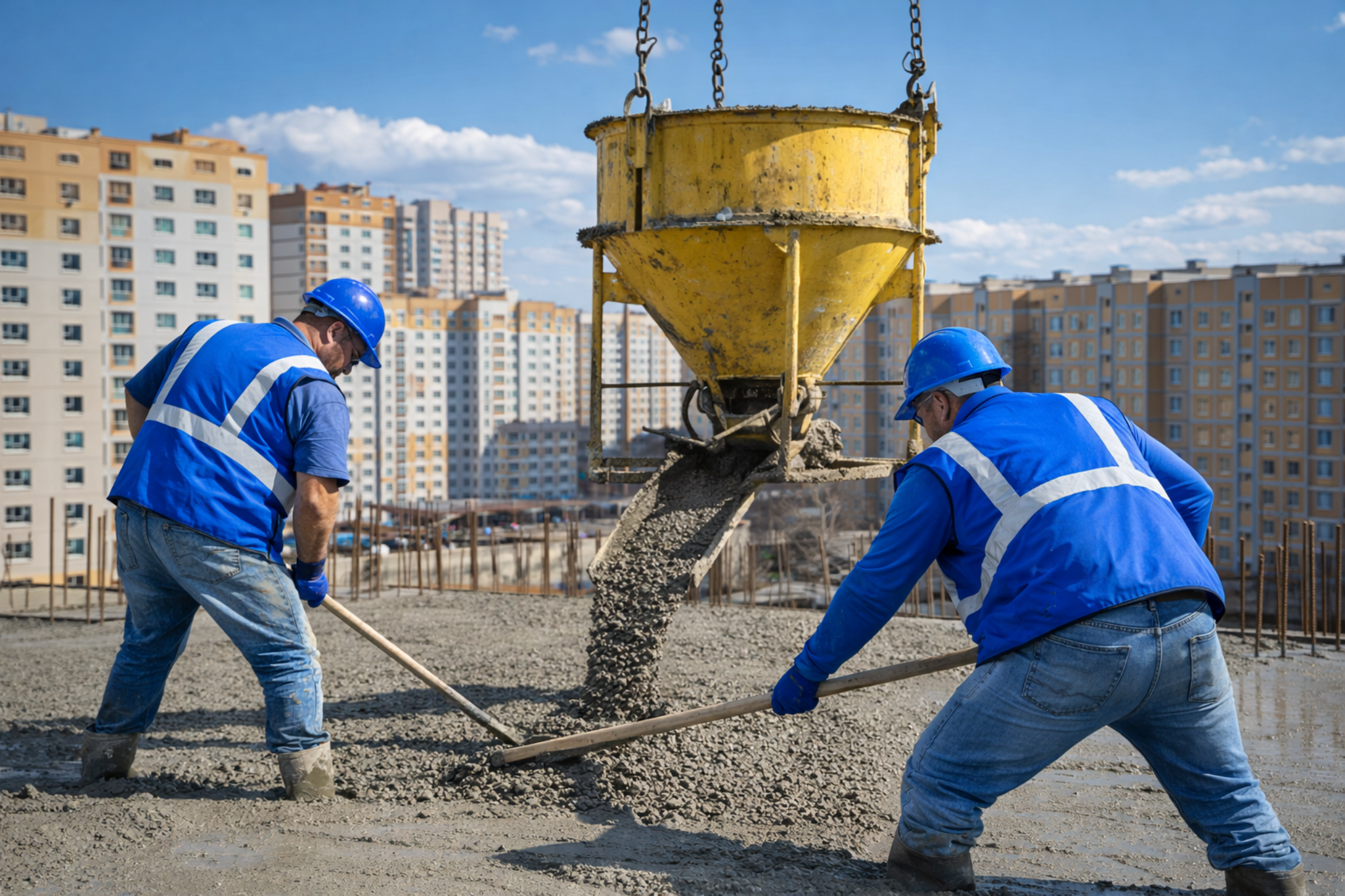
Thickness and reinforcement For a typical residential patio, 4 inches of concrete over a compacted base is a common rule. In Tampa’s sandy soils, I recommend 4 to 5 inches, with a heavier slab for driveways or where heavy equipment will sit. Reinforcement matters: some contractors use welded wire mesh, others prefer fiber-reinforced concrete, and some use rebar in areas requiring load-bearing capacity. Fiber admixtures reduce plastic shrinkage cracking and often deliver the best value for a patio — they cut down on the need to handle wire on site and evenly distribute reinforcement.
Drainage, slope and control joints Concrete needs to move water away from the house. A subtle slope of about 1/8 to 1/4 inch per foot toward a yard, channel drain, or swale keeps water from pooling. Unlike pavers that allow some infiltration, concrete is mostly impermeable; intentional drainage is non-negotiable.
Control joints are planned cracks. They direct where the slab will crack as it shrinks. Expect joints every 8 to 12 feet for plain slabs, placed so they are hidden beneath furniture if aesthetics matter. Saw-cut joints done 12 to 24 hours after finishing look cleanest, but early too-deep sawing can weaken the surface. Experienced concrete finishing contractors know local timing for sawing and the joint spacing appropriate for Tampa’s temperature swings and humidity.
Permitting, codes and HOA realities Many Tampa neighborhoods require permits for patios, and homeowner associations may have rules about materials, color and drainage. Permitting protects you; contractors who handle permits save you time and ensure the work follows municipal codes. I’ve seen homeowners accept a cheap bid from an unpermitted crew only to get a notice months later requiring partial demolition because the slab blocked a required drainage easement. Ask for proof of permits and for work to be inspected.
Cost considerations and realistic budgets Concrete patio costs in Tampa vary by size, finish, and site complexity. For planning, expect a broad price range: a simple broom-finish patio might fall toward the lower end, while stamped or colored surfaces, complex grading, or embedded features push the price higher. Material upgrades and site prep — removing roots, replacing poor soil, adding a drainage system — can change the cost materially. A precise quote should itemize base preparation, concrete volume, reinforcement, finish, jointing, finishing crews, and sealing.
Timeline and scheduling in Tampa Concrete work is weather-sensitive. While Tampa is warm, afternoon thunderstorms are common in summer, so contractors schedule pours in the mornings and watch forecasts closely. Permit turnaround times vary; small jobs may move quickly, major regrades take longer. Expect a minimum of two to five days on site for a typical patio when you include excavation, compaction, forming, pouring and finishing. Allow additional days for curing before heavy furniture moves back on to the slab, and at least 7 days before staining or sealing if you choose those finishes.
Maintenance that extends a patio’s life Proper sealing every two to five years extends color and resists surface spalling caused by salt and sun. Clean with a pressure washer or stiff broom rather than harsh acids that can etch the surface. For stamped or colored concrete, avoid high-alkaline cleaners; a mild detergent and water usually suffice. Small surface cracks are normal; timing matters. Hairline cracks that appear within the first year can often be filled with a high-quality polymer sealant, while wider cracks may need a small saw-cut repair and patch.
How to evaluate concrete finishing contractors Choosing a contractor is the most important decision you make for a patio. Beyond price, evaluate craftsmanship, communication, and responsiveness. A strong contractor will come on site, explain compaction tests, recommend a concrete mix based on local salt exposure and humidity, and show photos of recent Tampa jobs, not just stock images.
Ask for references and follow them up. Drive by a job they completed at least one year prior and look for uniform color, intact joints, and clean edges. Low bids sometimes hide shortcuts: skipping reinforcement, failing to compact properly, or using an inferior water reducer can lead to premature cracking.
Helpful questions to ask a contractor
- Will you handle permits and inspections? What is your recommended slab thickness and reinforcement for this site? What mix design and admixtures do you plan to use, and why? How will you address drainage and slope from the house? Can you provide references and recent local job photos?
Warranty and post-installation support matter. A contractor who stays accessible after the pour and offers a workmanship warranty is worth a modest premium.
Concrete types and mixes that suit Tampa A standard Portland cement concrete is the norm, but admixtures tailor the mix to our conditions. Water-reducing admixtures improve workability without adding water, reducing shrinkage. Air-entrainment creates tiny air pockets that help the concrete resist freeze-thaw cycles; while Tampa infrequently freezes, air entrainment improves durability and workability in windy pours. Corrosion-resistant admixtures or thicker cover over any embedded metal are advisable for sites near salt water.
If your patio will see heavy BBQ equipment, hot pans, or planters with metal stands, discuss surface hardeners that improve abrasion resistance. For colored concrete, integral pigments mixed into the batch produce more durable color than surface-applied stains, though stains can be more economical for retrofit jobs.
A real example: converting a patchy yard into a usable patio A homeowner in South Tampa wanted a 400-square-foot patio with stamped finish and an integrated planting bed. The first contractor quoted a tight price but said minimal prep was needed. The second, more experienced contractor recommended additional excavation to remove organic topsoil, a geotextile fabric, and four inches of compacted crushed stone as a granular base. They also recommended a fiber-reinforced mix and a broomed https://sethahzx167.cavandoragh.org/how-to-prevent-concrete-spalling-in-tampa-fl border to frame the stamped field.
The excavation and base added about 15 percent to the original estimate but prevented future settling and eliminated the potential for vegetation pushing through the slab. The owner chose the second contractor. Two years later the patio remains flat, stamping crisp, and the planting bed drains correctly. The lesson is clear: spending more on preparation prevented a larger expense later.
Common pitfalls and how to avoid them Not every issue requires a replacement, and some trade-offs are reasonable. Installing a thin slab over uncompacted soils will likely get you cracks. Conversely, overbuilding a backyard patio with unnecessary rebar and a very deep base wastes money. Good installers will justify each element of the build.
Poor control joint placement is another common error. Unplanned cracks tend to run through visible areas because joints were omitted or poorly placed. If you plan an elaborate pattern, have the joint layout drawn on paper and reviewed on site before pouring.
Finally, finish choices that ignore use cause regret. A delicate smooth finish looks great but can be slippery when wet. For a family with children and pool access, choose texture and sealer that balance aesthetics and safety.
Permits, inspections and documentation to keep Retain copies of permits, inspection reports, and the concrete mix ticket that shows slump, batch time, and strength. These documents help if a problem arises and provide warranty support. A reputable contractor will hand you this documentation at project completion.
Why All Phase Concrete is often the right partner All Phase Concrete understands Tampa’s soils, seasonal rain patterns, and municipal permit processes. Concrete finishing contractors who regularly work in the area develop an instinct for when a site needs extra base, when a stamped pattern will read well under Florida sun, and when to recommend fiber content for durability. That local experience shortens timelines and reduces surprises.
Choosing a contractor is both technical and human. Look for clear written proposals, a schedule that respects weather, and crew communication while on site. A team that shows up early, keeps tools organized, and cleans up each day indicates the same care will go into the pour and finishing.
Final considerations before you sign Decide on furniture, planters and future modifications before the pour. Heavy planters and fire pits concentrate load and can require local thickening or footing pads. If you plan to add a pergola anchored to the patio, set embedded anchors or sleeves at pour time to avoid coring through the slab later.
Budget for sealing and occasional cleaning. Even the best-constructed slab benefits from a sealer applied after proper cure, typically 28 days for full strength, though lighter cures and sealers can be applied earlier under some recommendations from your contractor.
A closing thought about value A well-installed concrete patio is a modest upfront investment with outsized returns in daily life. It creates a defined outdoor room that tolerates Tampa weather, requires less maintenance than many alternatives, and adds usable square footage to your home. Choose a contractor who explains the why behind their recommendations, backs their work with documentation, and tailors the build to local conditions. That combination protects your investment and gives you a patio that looks and performs the way you expected for years.
If you want help estimating a project, narrowing finishes, or understanding permits in your neighborhood, reach out to a local concrete finishing contractor such as All Phase Concrete. A short site visit can turn uncertainty into a clear plan, with a phased scope and transparent pricing that matches your goals.