
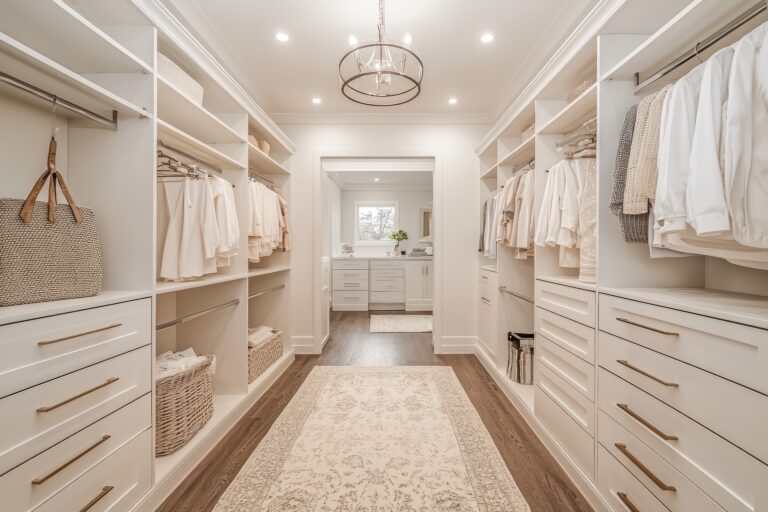
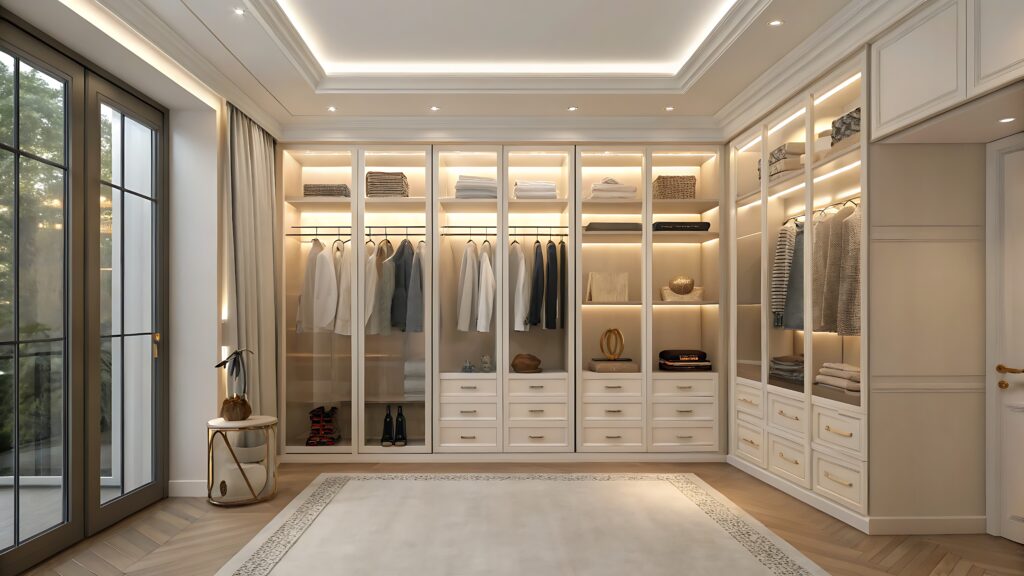
Walk into a well designed Dallas closet and it feels like a favorite boutique. Shoes display like a curated collection, jewelry sits in velvet trays under warm light, and every shirt has the exact space it needs. The room works hard without looking like it is trying. You find what you need quickly in the morning, and at night the space invites you to slow down. That is the point of a luxury closet: it organizes your life and elevates your routine.
Designers across Dallas and the Park Cities treat closets as polished rooms, not leftover square footage. Luxury comes from smart planning, quality materials, and a layout that fits your wardrobe and your habits. Whether you are finishing a University Park new build, renovating a Preston Hollow primary suite, or coaxing more performance from a Highland Park reach-in, the fundamentals do not change. The best results come from a tight brief, careful measurement, and a team that understands both the craft and local conditions.
What boutique really means in a closet
Boutique is more than glass fronts and a chandelier. In practice, it means the space carries your style and functions with retail clarity. Shelves that fit your heel height, rails at the right drop for your tallest blazers, drawers that pull smoothly and close softly, a mirror that does not distort, and lighting that flatters cotton as well as silk. It means being deliberate about what deserves to be seen and what looks better behind doors.
In Dallas, square footage tends to be generous, yet the goal remains the same even in a compact high rise: make every inch work. A boutique experience begins with numbers. Count shoes by style. Measure longest garments. Note how many handbags need cubbies with dust covers, and how many could hang behind a door. I ask clients to live with a measuring tape for a week. The data we collect - three 60 inch dresses, twenty six tie bars, nine tall boots - drives the layout and helps cut back on impulse features that look impressive in showrooms but add little for the way you dress.
Why Dallas homes call for specific closet thinking
Dallas construction trends carry their own constraints. Tall ceilings let you stack storage, but you need a safe way to reach it. Humid summers and powerful HVAC systems change how certain woods move, and LED lighting has to be chosen carefully to avoid color shift at high temperatures. Many new builds include an air supply and return in the closet, which protects clothing but forces smart vent placement around built-ins.
Neighborhood styles matter too. Tudor and Mediterranean homes often have thick walls and deep window wells that steal a few inches you may have counted on. In mid and high rises along Turtle Creek, you may have concrete chase walls that set hard limits on anchoring. Homeowners in HOA governed buildings will want to coordinate deliveries and work hours with the property manager early to avoid delays.
Texas wardrobes add their own requirements. Western boots with tall shafts need deeper, wider cubbies than classic city boots. Hats deserve dedicated shelves at a height that prevents brim warping. Evening gowns and formalwear are more common here than you might expect, which makes double hang everywhere a mistake. If you hunt or ride, long coats and outdoor gear need vented storage and mud resistant flooring near the entry.
The anatomy of a luxury closet that works
Start by zoning. Think of the closet as three vertical bands: high, comfortable reach, and low. The comfortable reach zone does most of the daily work, and luxury designers in Dallas guard this territory for the items you choose constantly. That means rails for shirts and pants at the right drops, drawers for undergarments and tees at waist to hip height, and open shelves for folded knits you prefer to see. Doors, glass fronts, and taller hanging usually move higher, where they are visible but do not steal the best ergonomic real estate. Low zones handle deep drawers, rolling bins, and shoe shelves angled so you can read labels without bending far.
A closet island often anchors a boutique style build. An island earns its keep when the aisle around it is generous, typically 38 to 42 inches clear on all sides for singles and more if two people dress together. Shallow drawers for watches, cufflinks, and jewelry belong near the top. Deeper drawers hold sweaters folded once. I like a hidden charging drawer lined with leather or felt for a phone, watch charger, and earbuds. Glass tops get smudged, but they display jewelry well. Many clients choose a stone top for durability and a touch of drama, though a hardwood top with a marine finish also holds up.
Door fronts and drawer faces define the visual tone. Frameless cabinetry reads clean and modern, while a simple shaker adds detail without fuss. Mirror insets on doors help bounce light and expand the room, but they should be tempered for safety and set with minimal distortion. For visibility without dust, choose reeded or clear glass on select doors and leave most high traffic areas open.
Materials that hold up in Texas homes
Furniture grade plywood with wood veneer or high pressure laminate resists humidity better than particleboard and carries screws from hardware reliably. Melamine has improved, and a textured melamine in oak or linen finish can look sharp while avoiding the cost and maintenance of real wood. In the Dallas climate, I avoid solid wood doors wider than 18 inches unless they are engineered or well braced, since seasonal movement can bind hinges.
Leather or faux leather drawer liners keep jewelry from sliding and prevent scratches. Velvet looks luxe but attracts lint. Cedar works in a small zone for moth prevention, but do not line the whole closet. Cedar off-gassing can overtake more delicate fabrics. A cedar pull-out panel or a few blocks in sweater drawers strike the right balance.
Hardware is where you feel quality daily. Full extension, soft close undermount slides cost more than side mounts but keep the mechanism out of sight. Look for slides rated at least 75 pounds for wide drawers. Hinges should be adjustable in three directions for fine tuning gap reveals after the first season of settling.
As for finishes, white lacquer photographs well but can feel clinical. Warm whites, light oaks, and walnut tones pair nicely with Texas light and reduce glare. If you crave a dark moment, consider deep navy or charcoal on the island with lighter perimeters. It creates a grounded centerpiece without making the room heavy.
Lighting that flatters, not washes out
LED strip lighting, placed correctly, makes a closet sing. Run strips on the front underside of shelves, not the back. This throws light forward onto the clothes, which keeps colors true. A color temperature around 2700 to 3000 Kelvin flatters skin tones. CRI of 90 or above ensures reds look like reds and blacks do not shift green. Choose fixtures with diffusers to avoid dotting on glossy surfaces.
Motion sensors for sections save energy but can get fussy if you stack too many zones. I prefer a master vacancy sensor for the room and door activated switches on glass faced cabinets that display bags or watches. A ceiling fixture still matters. A flush mount with a quality lens or a small chandelier anchored securely to blocking brings a hospitality note. In narrow reach-ins, a surface LED bar above the door improves visibility without major electrical work.
Built-in closet systems Dallas homeowners actually live with
Modular systems offer flexibility, while fully custom cabinetry delivers a furniture grade look that can bridge awkward corners and maximize ceiling height. In the category of built-in closet systems Dallas clients see regularly, you will find:
Modular rail based systems that hang on a wall cleat and can be adjusted. They minimize wall penetration and speed install, which helps in condos. Their weakness shows at long spans and islands, where custom work is stronger.
Floor based systems with integrated toe kicks and a back panel. These feel most like classic built-ins, hide wall irregularities, and handle taller ceilings well with stacked uppers.
Hybrid setups that use modular uprights with custom drawer banks and a bespoke island. Good for budget control while delivering a tailor made focal point.
Each path can be elevated with the right details: thick edgebanding on shelves to suggest solid material, mitered returns where runs terminate at a window, and integrated valances that hide LED strips. Luxury closet designers Dallas teams often fabricate valances and fillers on site to blend awkward soffits and create a shadow line that looks intentional.
The case for custom reach-in closets in Dallas TX
Reach-ins are the workhorses of secondary bedrooms, townhomes, and many high rise units. Off the shelf rods and a shelf leave too much value unused. Custom reach-in closets Dallas specialists deal with will often gain 30 to 50 percent more functional space by splitting hanging zones, adding shoe towers, and using shallow drawers for folded items that clutter dressers.
If the opening is a single swing door, consider widening and reframing for double doors or a bypass with slim aluminum frames to improve access. Where structure prevents change, interior pull-outs solve a lot: valet rods that extend by 10 inches for planning outfits, belt trays that live behind a narrow panel, and slim vertical pull-outs for scarves.
Mirrored doors help in small rooms, but check the swing. A door that hits a bed corner is a daily frustration. Soft close bypass hardware with good rollers spares you the rattle typical of budget tracks. In apartments, a rail based system may be the smarter call to respect fire rated walls and simplify removal when leases change.
Space planning numbers that rarely fail
A few measurements guide most layouts. Double hang works well with rails at 40 and 80 inches to the floor. Long hanging rails sit between 66 and 72 inches, with 74 inches reserved for very tall garments. Shelves at 12 to 14 inches deep hold most folded items. Boots prefer 17 to 20 inches of depth and 20 to 22 inches of height, more for tall Western pairs. Drawers between 6 and 10 inches high handle tees and undergarments; 12 to 14 inches works for bulkier sweaters.
Shoe walls perform best with 8 to 9 inch vertical spacing for heels and flats, 10 to 12 inches for men’s shoes. Adjustable shelves with 1.25 inch increments allow small tweaks after a season of real use. For a closet island, plan a finished top no deeper than 30 to 36 inches unless the room is truly generous. Anything larger becomes a dumping ground.
Budget ranges and where to spend
Dallas pricing varies by material, hardware, and the number of accessories. As a realistic starting point, quality built-ins typically range from 175 to 450 dollars per linear foot for melamine or laminate systems with decent hardware. Veneered plywood and painted or stained hardwood faces move the number to 400 to 800 dollars per linear foot, more with glass fronts and lighting. Islands add 3,000 to 10,000 dollars depending on size, drawers, and top material. Lighting can run 12 to 25 dollars per linear foot for strips plus drivers and dimmers, with labor more than parts. Specialty pull-outs, hampers, and jewelry inserts typically add 50 to 400 dollars per item.
If the budget needs triage, spend on drawers and hardware first. You touch them daily. Next, direct funds to lighting in the comfortable reach zone and shoe storage you use heavily. Glass doors photograph beautifully but add cost, weight, and cleaning. Use them selectively. Save by skipping backs where walls are smooth and by using high quality melamine carcasses paired with a standout island in wood or stone to carry the luxury note.
The process with a Dallas designer
A proven workflow starts with a site visit and inventory. Measurements must include floor slope and wall plumb. In older homes, walls wander by half an inch or more across a run. Your designer can scribe fillers and choose hardware that forgives slight out of plumb conditions. Next comes a concept with elevations and a 3D view. Request dimensioned drawings, not just renderings, and a list of accessories so you can prune or add with clear impacts.
Lead times in Dallas bounce with construction cycles. For custom work, expect 6 to 12 weeks from final approval to installation. In busy seasons, plan for up to 16 weeks. Installs on a typical primary closet run 2 to 5 days depending on size and lighting complexity. Build days are dusty. Protect adjacent carpets and furniture. If the closet shares a wall with a nursery or home office, schedule noisy cuts mid day.
Permit needs are minimal if you avoid electrical work and structural changes. Once lighting, outlets, or HVAC are adjusted, coordinate with a licensed electrician and your municipality. In condos, the HOA will likely need proof of insurance and a work plan.
A Dallas specific example
A recent project in Lakewood involved a 9 by 12 foot closet with a window, 10 foot ceilings, and a client who alternated between office attire and ranch weekends. We centered an island at 32 by 72 inches with a walnut veneer top sealed https://dallascustomclosets.com/ to resist rings from water bottles. Perimeter units ran floor to ceiling with a break at 84 inches for a light valance. Double hang anchored one wall, while the opposite side carried long hanging for coats and dresses with a hat shelf at 78 inches.
We built a boot alcove 22 inches deep with angled shelves at 12 inch spacing to cradle tall shafts without creasing. A valet rod near the entry simplified packing. For the boutique moment, we added reeded glass doors for bags and a bronze framed mirror integrated into a tall shallow cabinet. Lighting came from 3000 Kelvin strips under shelves front mounted, plus a linen drum ceiling fixture. The budget sat around 19,000 dollars, driven mainly by the island, veneer, and lighting. Two years on, the drawers still glide like day one and the boot alcove gets compliments from every guest who sees it.
Accessories that earn their keep
Not every add-on pays dividends. Belt and tie racks built into drawer fronts keep surfaces clean, while wall mounted versions turn messy. Pull-out mirrors solve a problem in tight corners. Hampers on soft close slides with removable liners make laundry runs painless. Valet rods are tiny heroes. I install them near the entrance and by the island so outfits land where they are most useful. Watch winders inside a locking drawer keep a clean face and reduce countertop clutter. Scented sachets beat diffusers, which risk leaks in drawers.
Jewelry wants organization and discretion. Divided trays in a top drawer under a glass panel look tempting, but sunlight will fade stones and metals can tarnish faster with direct light. Better to hide most pieces and spotlight a few seasonally.
Trade-offs and edge cases
Odd angles show up in Dallas attics and over garages. Custom cabinetry that tracks the slope gains storage and looks intentional. The cost per cubic foot rises, so weigh how much you truly need those corners. If you own many gowns, consider an outboard long hanging cabinet with a hinged return panel, which articulates out for access and folds flat to keep the main aisle clear.
For clients who travel often, a dedicated luggage bay at 32 to 36 inches wide and 14 to 16 inches deep keeps carry-ons accessible. I prefer this near the door. A charging shelf with a cable chase in the same zone prevents cords from snaking across the island. Fire sprinklers appear in many luxury homes. Maintain clearances and coordinate with your installer so crown details do not block spray patterns.
Pets love closets. If a cat treats a drawer bank as a throne, plan a cushion at knee height. Add a door sweep if you want to keep fur out. For humid summer months, a discreet dehumidifier plumbed to a drain or a smart vent cycle helps. Fragrance collectors should ask for ventilated cabinet backs; strong scents can cling to clothing if trapped in closed boxes.
A concise planning checklist for homeowners
- Inventory everything by category and count, including longest hanging items and tallest shoes. Measure the room for length, width, height, plumb, and any soffits, vents, or windows. Define your must haves, nice to haves, and items you will skip if needed to hit budget. Choose a material palette early and test lighting samples against your clothing. Ask for dimensioned drawings, hardware specs, and a clear install schedule with contingencies.
Questions to ask luxury closet designers in Dallas
Experience shows in the details. Ask which installers will be on site and whether they work for the company or are subcontractors. Request references from clients with similar spaces or priorities. Have the designer walk you through load limits for shelves and rods. If they cannot cite numbers, consider it a flag. Discuss how they will handle HVAC registers and sprinkler heads. Review a sample door or drawer in the actual finish, not just a catalog image, and open and close it several times.
When you hear phrases like Closets Dallas or Custom closets Dallas TX in marketing, dig into what that means for your project. Some groups excel in rapid modular installs with clean results and thoughtful accessories. Others act like millwork shops that build from scratch and integrate trim, lighting, and site conditions at a higher level. Both have a place. Your home, timeline, and tolerance for disruption will decide which path suits you.
Sustainability and sourcing
Dallas has access to excellent regional woodworking shops. Ask about CARB Phase 2 or TSCA Title VI compliant materials to limit formaldehyde. LED drivers with high efficiency and warm dim capability add comfort without spikes in energy use. If you prefer natural wood, seek veneers over solid lumber to stabilize panels while keeping grain continuity. Donate old closet parts through local reuse centers when possible. Metal rods and hardware often recycle easily.
When a boutique feel is the goal in a smaller budget
If you crave the boutique mood without the top tier spend, focus on proportion, lighting, and one memorable detail. Paint the interior of a bag display cabinet a contrasting color, add a single pane of reeded glass, and keep the rest open and simple. Swap a closet bulb for a quality flush mount with a dimmer. Use uniform slim velvet hangers in a single color. Install one or two valet rods and a slim pull-out mirror. These touches add rhythm and ritual for a fraction of the cost.
Where technology makes sense
Smart lighting that remembers a preset morning level saves time and prevents the airport interrogation room look at 6 a.m. Locking drawers with keypad or RFID control guard passports or heirlooms without advertising themselves. If you install a safe, bolt it through the floor into blocking, not just the base cabinet. Place outlets thoughtfully. A pair near the island’s knee space handles steamers and travel irons without stretching cords.
For fans of wardrobe apps, place a neutral backdrop and a small tripod in the closet to photograph outfits. It sounds fussy, but it makes packing faster and helps track what you actually wear.
Tying it back to your home
Luxury closet designers Dallas teams succeed when they match the room to the person. The right answer for a Lake Highlands family with school routines and sports gear will not be the same as a downtown professional who walks to work and lives in a glass tower. Color palettes follow the light in your house. The height of rails reflects your stature. Built-in closet systems Dallas providers install vary widely in quality, so tour a showroom and test the hardware. If you need a fast, durable solution, a modular rail based system with solid accessories may be the fit. If you want a quiet piece of joinery that looks like it came with the house, a fully custom, floor based system earns its place.
Even reach-ins deserve attention. The market for Custom reach-in closets Dallas continues to grow because a well designed 6 foot wide closet can feel like a new room when shelves adjust to you and lighting brings color accuracy to the front of the cabinet, not the back wall.
The ultimate measure of success is what happens on an ordinary Tuesday. You walk in, lights glow at a comfortable level, your hand finds what it needs, and the mirror shows a true picture. The space stays tidy not because you worked harder, but because the design made it easy. That is the quiet luxury so many clients in Dallas seek, and it is achievable, room by room, shelf by shelf, with a little rigor and a clear point of view.
Dallas Custom Closets
Address: 2261 Morgan Pkwy Suite 130, Farmers Branch, TX 75234
Phone number: +14698482881
FAQ About Closets Dallas
What is the average cost of a custom closet?
The average cost of a custom closet ranges from $1,500 to $5,000, with most homeowners spending about $2,100 to $3,500 for a professionally designed and installed system. Prices can start as low as $500 for a small, basic reach-in, and exceed $20,000 for luxury, boutique-style walk-ins.
Who does Costco use for custom closets?
Costco partners with Closet Factory and Serenity Closets (by The Stow Company) to provide custom home organization and closet systems. Members typically receive perks like Costco Shop Cards or exclusive discounts on these services.
Is it cheaper to buy a closet system or build one?
Buying a pre-made closet kit is generally cheaper and easier upfront, costing between $200 and $2,000 depending on size. Building a custom closet from scratch often yields better long-term durability and utilizes space more efficiently, but costs anywhere from $1,000 to upwards of $10,000 if you hire a professional or build with high-end materials.