
Lock problems in Manhattan rarely show up at a convenient hour. A key snaps in the front door minutes before a meeting. A tenant move-out leaves you juggling rekeying and a new intercom cylinder. Your car decides to keep the key hostage in the ignition in a Midtown garage. When you call a locksmith in Manhattan, you want a straight answer: how much, how long, what’s included, and what’s worth upgrading while the technician is already there. This guide lays out realistic price ranges, why the numbers swing, and how to make smart choices whether you manage a property, run a shop, or just need to get into your apartment at 2 a.m.
What “locksmith cost” means in Manhattan
Locksmith pricing here reflects three things: time, complexity, and travel. Manhattan traffic and parking complicate dispatch times, especially for a mobile key service crossing town at rush hour. Walk-ups, landmark hardware, and mixed-vintage building stock make the actual work more technical than a typical suburb. You’re paying for a trained lock technician who carries inventory in the van, knows how to work on old mortise cases and modern smart locks, and can quote you options on the spot.


Expect three lines on most invoices: a service or trip fee, labor, and parts. After-hours surcharges are common for a 24/7 locksmith call, and they scale with the job’s difficulty. Reputable companies quote a range over the phone, then confirm a firm price on arrival before they start.
Typical price ranges you’ll see
Numbers below reflect what I’ve seen across Manhattan in 2024 and 2025. Prices vary by neighborhood and time, but these brackets will put you in the right ballpark.
- Trip or service fee: 25 to 75 dollars during regular hours, 50 to 125 dollars after-hours. Some firms roll the fee into labor if you proceed with the work. Lockout - residential door open: 95 to 185 dollars during the day, 150 to 300 dollars late night or holiday. Deadbolt-only is usually faster than a high-security mortise with a restricted cylinder. Key broke in lock, extraction: 90 to 160 dollars if the lock is intact, plus parts if the cylinder needs replacement. Rekeying a standard cylinder: 25 to 55 dollars per cylinder plus service fee, 45 to 85 dollars for mortise cylinders and specialty profiles. Keys cut usually 3 to 8 dollars each, more for restricted keyways. Lock replacement - basic deadbolt: 125 to 275 dollars installed for standard residential grade, 250 to 450 dollars for commercial grade with reinforced strike. High-security brands with restricted keys can run 350 to 700 dollars installed. Commercial door lock service: 150 to 350 dollars labor for adjustments or repairs on storefront cranks, Adams Rite latches, or panic hardware, plus parts where needed. Full replacement of a commercial door lock or panic bar ranges from 400 to 1,200 dollars depending on spec. Automotive locksmith - car unlock: 95 to 185 dollars during the day, 150 to 300 dollars off-hours. Exotic or double-sealed vehicles may be higher. Key fob programming: 120 to 350 dollars for common makes, 300 to 600 dollars for European or proximity systems that need dealer codes. New fob hardware is separate and ranges from 60 to 300 dollars per fob, depending on the vehicle. Override function to remove key from ignition: 125 to 250 dollars for a manual override or simple column release, more if an ignition cylinder replacement is necessary. On older vehicles, a new ignition cylinder and key can run 250 to 500 dollars installed. Open safe: 150 to 350 dollars for a simple open of a residential safe where the lock is intact and no drilling is required. If drilling and repair are needed, plan on 350 to 900 dollars. High-security or commercial safes can exceed 1,000 dollars depending on the lock and method. 24 hour locksmith emergency surcharge: typically 50 to 150 dollars on top of the base rate, scaled by time and complexity.
These figures assume standard conditions. If your door is misaligned from slab settling, or if a prior handyman cut corners on the strike or backset, the technician may need extra time and hardware.
Why Manhattan pricing runs higher than the suburbs
Travel alone adds real cost. It can take a mobile locksmith service forty minutes to move two avenues in Midtown at rush hour and then another ten minutes to find legal parking. Technicians who carry a full spread of residential, commercial, and automotive locksmith parts invest heavily in inventory. On top of that, buildings here use a wide mix: brownstone mortise locks from the 1920s, modern Grade 1 deadbolts, fire-rated doors with closers, and high-security cylinders tied to a property’s key control plan. The expertise to service all of it has a price, and it often saves you from repeat visits.
Labor also reflects liability. A lock technician working on a commercial door in a mixed-use building has to mind fire and egress codes, ADA lever requirements, door closer speeds, and sometimes union site rules. That checklist takes training and time, and it prevents fines or insurance hassles later.
The lockout: fastest fix, biggest swings
Most calls I get fall into two buckets: locked out of the apartment or key stuck in car. The apartment lockout is the bread-and-butter Manhattan job, and the method determines the bill. If your door has a simple spring latch and the frame gives us a little air gap, a quick latch slip might have you inside in a few minutes. If the door has a functional deadbolt, we move to picking, decoding, or limited drilling when pick resistant. Pickable cylinders keep the price down and the hardware intact. High-security cylinders and guards, like reinforced wrap plates or shields, add time and may require replacement hardware after forced entry methods.
If your key broke in lock, extraction is usually efficient. We use broken-key tools and light tension to back the fragment out, then evaluate the cylinder. If the break happened because of a bent key or a worn copy, a fresh key set solves it. If the break came from internal wear on a ten-year-old cylinder, rekeying or replacement saves you from another midnight call.
I once met a tenant on the Upper West Side who had copied keys on top of copies for years. Every new copy drifted further from the original cut. On a damp night, the ragged edges jammed inside the cylinder and snapped. A twenty-minute extraction, a rekey with fresh blanks cut to code, and a drop of graphite fixed the root cause. The lesson: cut from code or from a factory original, not from a tired duplicate.
Rekeying vs replacing: where the savings are
If the lock body is solid, rekeying is the value move. A standard apartment with a deadbolt and a knob or lever typically has two cylinders. Rekey both, hand over fresh keys, and retire the old set. Rekeying keeps the hardware and the strike in place, which matters on older doors where the mortise pocket fits only that vintage case.
Replace the lock when the cylinder wobbles, the latch doesn’t throw fully, or the door has been pried. If you’re dealing with an older brass mortise in a prewar building, we can often keep the body and replace the cylinder, thumbturn, and trim for a reasonable price. If the case itself is worn or cracked, a full swap to a modern mortise set costs more but pays off in smooth operation and better security.
For landlords and co-op boards, rekeying after a tenant move-out is standard. I’ve seen owners try to reuse cylinders across units. That shortcut breaks key control and invites headaches. A clear keying chart, restricted blanks, and labeled bitting records keep your commercial door lock plan clean and affordable over time.
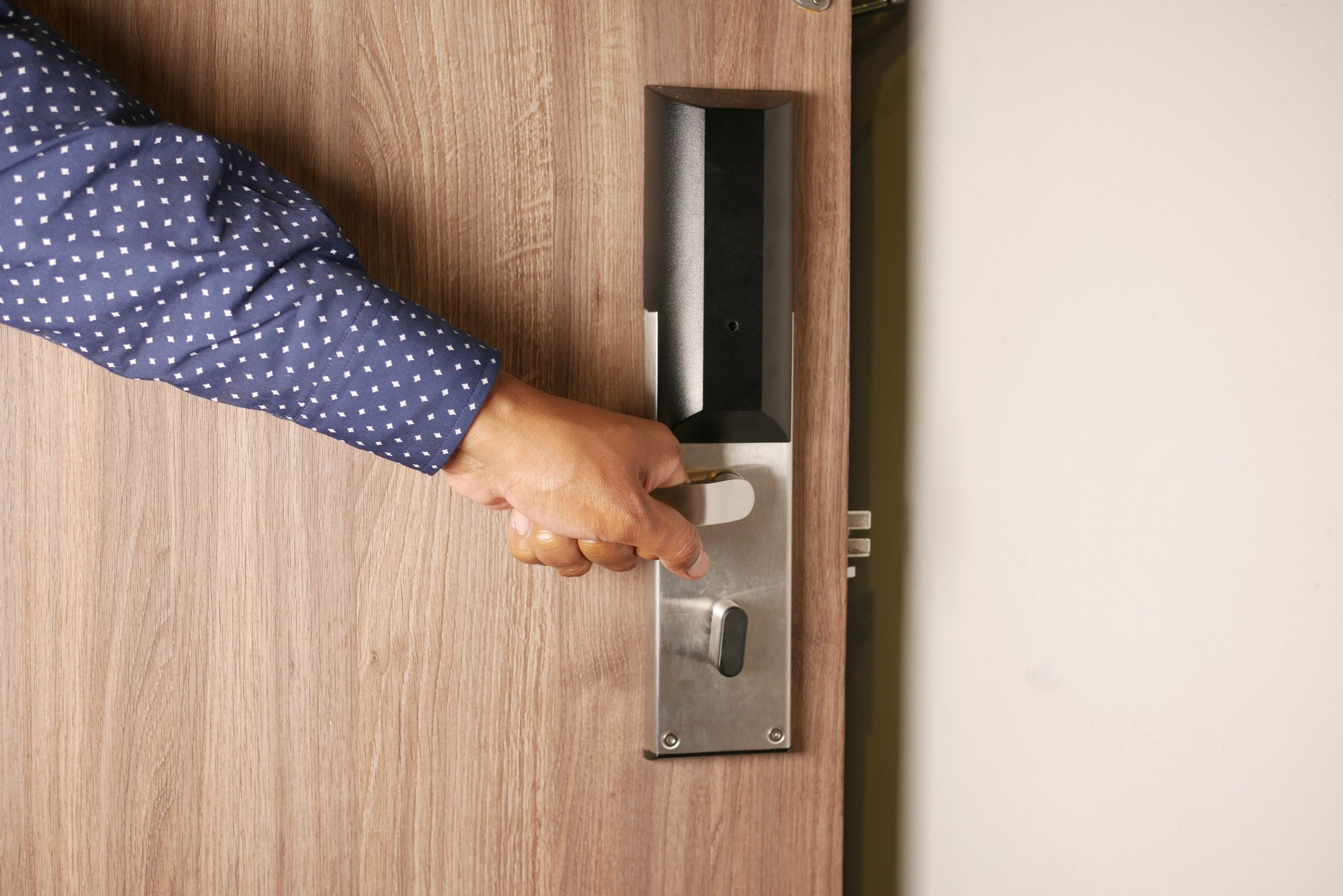
Commercial doors: more variables, higher stakes
A storefront door with a glass and aluminum frame typically runs an Adams Rite style latch, often paired with a narrow-profile deadbolt and a lever set. Problems range from a sagging hinge that misaligns the latch to a sheared tailpiece inside the cylinder. The fix might be a spacer and latch adjustment, or it might be a full replacement with a matching backset. Expect higher labor because the door often needs to be partially disassembled. If there is a panic bar or an electric strike tied to an access control system, testing and reprogramming add steps.
Commercial door lock costs also cover compliance. If the door serves as an egress, we cannot install a double-cylinder deadbolt that requires a key from the inside. The code-compliant alternative is often a single-cylinder deadbolt combined with a security plate and a properly adjusted closer. It might not look as “locked” as two cylinders, but it will pass inspection and still deter shoulder checks.
On multi-tenant office floors, a cylinder keyed into a building’s master system requires coordination. Restricted keyways cost more, but they protect you from unauthorized copies floating around after a contractor finishes a job. The upfront cost of 350 to 700 dollars for a high-security cylinder installed becomes cheap compared to a lock change across dozens of units because a key leaked.
Automotive locksmith pricing in Manhattan
Cars bring a different set of tools and challenges. A car locksmith in Manhattan needs to reach you in tight garages, work around curb regulations, and sometimes navigate dealer programming requirements. Unlocking a vehicle without damage is standard. The cost climbs when key fob programming enters the picture.
Modern fobs are tiny computers. Many domestic models can be programmed on-site with aftermarket tools. European cars and proximity systems often need PIN codes from the manufacturer or an online token, and those credentials cost money. If you lost all keys, expect to pay for cutting a new blade, programming the fob, and syncing immobilizer data. If the key stuck in car is really a sensor mismatch, a technician may perform a battery reset or an override function to remove key from ignition without replacing parts. When the ignition cylinder itself is worn, a new cylinder keyed to your door locks protects convenience and reduces the number of keys on your ring.
One more tip from bitter experience: if your fob battery starts to falter, replace it before it strands you in a parking garage where radio signals are inconsistent. A ten-dollar battery can save you a 200-dollar call.
Safe opening and what affects the quote
Safes range from basic home models to commercial TL-rated units. A simple dial or keypad lockout where the mechanism is intact can be opened non-destructively. That’s the cheapest outcome. Drilling comes into play when the lock or relocker activates. A skilled safe technician will drill a minimal, repairable hole and restore the safe’s integrity with a hardened plug. The price reflects both the time and the risk of concealed relockers. Expect photos, a clear plan, and a written estimate before work begins.
If your safe is part of a retail or medical operation, ask for documentation of the opening and repair. Insurers and auditors sometimes require proof that the safe’s security rating remains valid after service.
After-hours calls: what the premium buys you
Everyone grumbles about the midnight surcharge, and I get it. But that premium funds the reality of a 24 hour locksmith operation: technicians on-call, vans ready, dispatchers awake, and inventory accessible. When a bar owner in the East Village can’t lock up at 3 a.m., getting a mortise cylinder swapped and the door secured has real value. That said, you can limit cost by approving a temporary fix. We often secure a door with a quick cylinder change or an auxiliary hasp, then return in daylight to complete a cleaner repair at daytime rates.
When a “nearest locksmith” isn’t the best choice
Search results can be noisy. Some companies geo-spoof locations to appear near you, then dispatch from far away and layer on fees. Ask two questions on the call: where are you coming from, and what is your estimated arrival time. A true locksmith in NYC should give you a clear range and stick to it. Also ask for a base quote with contingencies. If they can’t describe the difference between a latch slip and a deadbolt pick over the phone, keep calling.
What technicians look for when they arrive
A good lock technician diagnoses quickly. On an apartment door, we test latch throw, deadbolt alignment, hinge tension, and frame gap. On a commercial door, we check the closer sweep and latch timing because a door that slams or fails to latch is a security issue long before the lock fails. For automotive locksmith work, we verify VIN, check battery voltage, and test key recognition before programming. These checks take minutes and prevent guesswork. They also shape the price: simple adjustments cost less than replacements.
Smart locks and when they make financial sense
Manhattan residents are adopting smart deadbolts and Wi‑Fi levers, especially in rentals and co-living arrangements. The cost to install a midrange smart lock, including correct drilling, strike reinforcement, and setup, runs 200 to 400 dollars labor, plus the device. Where it shines is turnover. If you regularly grant temporary access to cleaners or short-term guests, programmable codes save rekey fees. The trade-off is battery maintenance and the occasional software quirk. If aesthetics matter in a landmarked building, choose a model with classic trim that covers old footprints. A capable locksmith service can advise which models play well with your door and building rules.
How to avoid the “drill first” approach
Drilling a cylinder has its place, but it should not be the first move. Ask the technician how they plan to open the door. If the answer is immediately https://locksmithmbwv6915.wpsuo.com/emergency-24-hour-locksmith-in-manhattan-what-services-are-available drilling without trying to pick or bypass, and the lock is a standard cylinder, consider a second opinion unless you are facing an urgent safety issue. Some locks are truly pick resistant, and plates block bypass tools. In those cases, drilling is responsible. But too many doors in the city bear scars from impatient work.
Budgeting for a building or business
For property managers, a simple annual plan trims surprises. Keep a small stock of your building’s preferred cylinders, tailpieces, and restricted blanks. Maintain a key control log, and establish a relationship with one locksmith in Manhattan rather than calling around each time. You will get better response and predictable pricing. For a storefront, schedule seasonal maintenance. A five-minute hinge tighten and closer adjustment before winter can save a 300-dollar call after the door drags and bends the latch.
Transparency on quotes and what to ask
Ask for a written or texted estimate before any work begins. Clarify whether the service fee is separate, what the labor covers, and which parts are included. If rekeying, confirm how many keys you’ll receive. If programming a car fob, ask whether you’re getting OEM or aftermarket hardware and what the warranty looks like. These details prevent friction and help compare offers apples to apples.
Here is a short pre-service checklist that keeps costs predictable:
- Describe the door, lock type, and any brand names on the hardware or keys. Share photos of the lock edge, face, and the full door in frame. State timing clearly: emergency tonight or scheduled for tomorrow morning. Ask for two options where possible: repair vs replace, daytime vs overnight. Confirm payment methods and any building access requirements.
Real Manhattan scenarios with real numbers
A SoHo loft with a sticky mortise deadbolt: The thumbturn felt gritty and the key dragged. The cylinder was fine, but the latch mortise case had worn cams. Rekeying would have masked the problem. We replaced the mortise body with a Grade 1 unit, reused the existing cylinder keyed to the client’s system, and adjusted the strike. Parts and labor: 420 dollars. Downtime: under an hour. No return call since.
A Chelsea gallery with a misbehaving commercial door lock: The aluminum storefront door failed to latch on windy days. The closer had been set to slam, which bent the latch tongue over time. We replaced the latch with a compatible Adams Rite unit, tuned the closer sweep and latch speed, and added a strike shim. Labor and parts: 385 dollars. The owner stopped propping the door with a stool, which was the root of the problem.
An Upper East Side car locksmith call with a key stuck in car: A late-model sedan refused to release the key from the ignition after a short street-side park. Battery voltage read low. We performed a jump to stabilize voltage, used the override function to remove key from ignition without damage, and recommended a battery replacement. Service fee and labor: 165 dollars. No new parts needed.
A Midtown apartment lockout at 1:30 a.m.: High-security cylinder with a guard plate. Picking wasn’t an option. The tenant approved drilling with immediate replacement. We installed a compatible high-security cylinder keyed to a new restricted profile. Emergency surcharge included, total landed at 520 dollars. Pricey for a sleepy night, but the tenant now has key control and no hardware downgrade.
A small clinic on the Lower East Side with an open safe request: The electronic keypad errored out. We used manufacturer override credentials to reset and open non-destructively, then replaced the keypad that had failed from intermittent power drops. Total: 290 dollars, plus the peace of mind of no drilling.
The hidden costs of cheap work
I get called to fix the aftermath of bargain jobs. Common issues include deadbolts installed without a reinforced strike, screws biting only into soft plaster instead of the stud, or cylinders left loose because the tailpiece was the wrong length. A 20-dollar savings on parts can cost you hundreds when the bolt shears after a forced entry attempt. For commercial spaces, a wrong latch backset leaves the door fighting the frame, chewing hardware and wasting staff time. Pick a locksmith service that asks questions and stands behind the work with a one-year parts and labor warranty for standard hardware and clear terms for high-security systems.
When insurance or the landlord is paying
Document everything: photos of the damaged lock, the work order, and the invoice. If it’s a break-in, a quick police report number helps claim processing. Landlords usually approve like-for-like hardware unless a code issue emerges. If you take the opportunity to upgrade, expect to cover the difference between what was required and what you chose. On commercial leases, clarify who owns the key system and whether returning keys triggers rekeying at move-out. Those terms affect your total locksmith cost across the lease.
How to think about “how much” before you dial
You can estimate with reasonable accuracy if you line up three questions. First, what exactly is wrong: locked out, broken key, cylinder spins, door won’t close, car fob dead. Second, what hardware is on the door: brand names, deadbolt versus mortise, smart lock versus mechanical. Third, when you need it: now, today, or later this week. A standard daytime residential lockout where the bolt isn’t thrown lands around 120 to 175 dollars. A broken key extraction with a rekey of one cylinder is roughly 150 to 220 dollars plus keys. A basic deadbolt replacement with a decent brand installed sits between 175 and 300 dollars. A car unlock in daylight often stays under 180 dollars. Night work adds a clear premium.
Plan for complexity on older or heavily used doors. Plan for programming fees on late-model cars. And plan for a higher quote if your building uses a restricted keyway that requires authorized cylinders and keys.
Final practical advice from the field
If you have a habit of leaving keys inside, a good-grade single-cylinder deadbolt with a thumbturn and an exterior keybox mounted discreetly in a supervised hallway or with building approval saves repeat lockouts. If you manage a small business, keep the number of a reliable locksmith in Manhattan in your phone and test response with a scheduled service before you need an emergency. If your car fob acts sporadically, replace the battery at the first sign and keep a spare battery in the glove box. If your commercial door starts to rub in August humidity, don’t wait for October to fix it. Steel remembers bends.
The price of a locksmith in NYC is not just a number. It’s a blend of access, security, code compliance, and time saved. With the right information and a little planning, you can keep those numbers in your control and get dependable service when it matters most.