
Luxury used to arrive with a calendar invitation. A special-occasion bag, a hotel robe, a serum reserved for the night before a big event: the point was that it felt separate from ordinary life. Now, some of the most compelling forms of luxury are the things we reach for on an ordinary Tuesday—soft clothes that work from commute to couch, skincare with a readable ingredient list, and products whose makers can explain where the materials came from.
That shift has changed the questions shoppers ask. A polished campaign still matters, but it is no longer enough to say something is “clean,” “conscious,” or “elevated.” What does the claim mean? Who can verify it? Which parts of the supply chain are documented? In this version of luxury, honesty over mystique is not a less romantic proposition. It is a more useful one.
For PAGE Magazine, including Reverie PAGE, the opportunity is to treat proof and sourcing as part of style—not as fine print that interrupts it. The details behind a product can be as revealing as its silhouette. They show what a company values when the camera is off.
Luxury moves from occasion to everyday routine
The old luxury model often relied on distance: rare access, special handling, a product too precious for daily use. Today, many people want the opposite. They want quality that earns its place in a real routine, whether that means a jacket that layers comfortably, a set of sheets that holds up to regular washing, or a moisturizer whose ingredients are clearly disclosed.
That does not mean every useful thing needs to be called luxurious. It means the standard for luxury is becoming more practical. Durability, comfort, repairability, and reliable information can matter as much as an impressive unboxing. If an item is made to be used every day, its performance and sourcing deserve everyday scrutiny, too.
There is a merchandising lesson here: luxury is not just the price tag or the presentation. It is the relationship between a product’s promise and what the customer experiences over time. A garment may look beautiful on a hanger, but the hand of the fabric, the way seams sit against skin, and whether the piece still feels good after repeated wear are part of its real value.
When wellness language moves into fashion branding
Fashion and wellness have borrowed vocabulary from each other for years. Clothing is described as “restorative”; beauty products promise a “reset”; activewear is sold as a companion to balance, recovery, or focus. Some of this language is understandable. Clothes affect how people move and feel. But wellness language can also make ordinary product features sound like medical or emotional outcomes.

That is where precision matters. “Designed for comfort” is a claim a shopper can assess. “Supports well-being” is much broader. If a brand uses language that suggests a measurable health benefit, it should be prepared to explain the evidence behind it. The more expansive the promise, the more important the documentation.
Consumers do not need every fashion label to publish a scientific paper. They do need brands to distinguish between a design intention and a proven outcome. A fabric may feel cool to the touch; that does not automatically mean it regulates body temperature in a clinically meaningful way. A product may contain plant-derived ingredients; that alone does not establish that it is safer, more effective, or more sustainable.
Brands such as lululemon have helped make technical comfort and movement-ready clothing familiar beyond the gym. That makes the next question especially relevant: what can a customer verify about a garment’s materials, construction, and care? Product descriptions are useful, but traceable materials require more than a well-written feature list. Specific fiber content, supplier information where available, and clear explanations of standards give customers something concrete to evaluate.
Quiet status signals are replacing loud logos
A logo can work like a headline: it tells people what to notice first. Quiet status signals are more like the details a customer notices after wearing or using something—the drape of a fabric, a cleanly finished seam, a repair service that is easy to find, or a sourcing page that answers the obvious questions without hiding behind vague language.
This does not mean logos have disappeared, or that a discreet aesthetic is automatically more ethical. Quiet branding can still be expensive status signaling, and a blank label does not prove that a product was responsibly made. The difference is that the signal is shifting. Increasingly, some shoppers value the ability to explain why a product is good, not just to recognize who made it.
Verifiable claims can become a form of distinction. A company that identifies the material in a product, defines what it means by “recycled,” and makes relevant documentation easy to access is offering more than a mood. It is giving customers a reason to trust the product. That trust should be earned, not implied by a minimalist package or a premium price.
A vague signal A more useful detail What a shopper can ask “Consciously made” A named material, standard, or sourcing program What does this term mean for this specific product? “Clean” or “natural” A complete ingredient list and an explanation of relevant testing Which ingredients are included, and what evidence supports the claim? “Premium comfort” Information about fabric composition, construction, and care How is comfort designed into the product, and how should it hold up? “Sustainable” A clearly defined, limited claim with supporting documentation Which impact is being discussed, and how was it assessed?Comfort is a design requirement, not a finishing touch
Comfort is easy to promise and surprisingly hard to deliver. It is also specific. Fabric hand—the way a material feels against the skin—can make the difference between a garment that becomes a favorite and one that stays in the drawer. Seam placement, stretch, weight, temperature, and recovery after washing all contribute to the experience.
Seamless construction is one example of a design choice that can reduce irritation or visible lines for some wearers. But “seamless” does not automatically mean comfortable for everyone. Fit, fiber, finishing, and individual sensory preferences still matter. A useful product page explains what the construction is intended to do without suggesting that every body will experience it the same way.
Luxury, in this context, is attention to sensory detail backed by sound design. A soft fabric is not a substitute for information about its composition. A soothing texture does not prove a wellness benefit. The strongest product story connects how something feels with how it is made—and leaves room for the customer to decide whether it works for them.
What comfort can look like in practice
- Fabric hand: Describe the texture and weight in plain language, and disclose fiber content. Seam placement: Explain where seams sit and how construction supports movement or reduces friction. Sensory detail: Note features such as a brushed finish, a soft waistband, or a smooth interior, without turning them into broad health claims. Care and longevity: Provide realistic washing instructions and information that helps customers maintain the item.
Proof belongs in the shopping experience
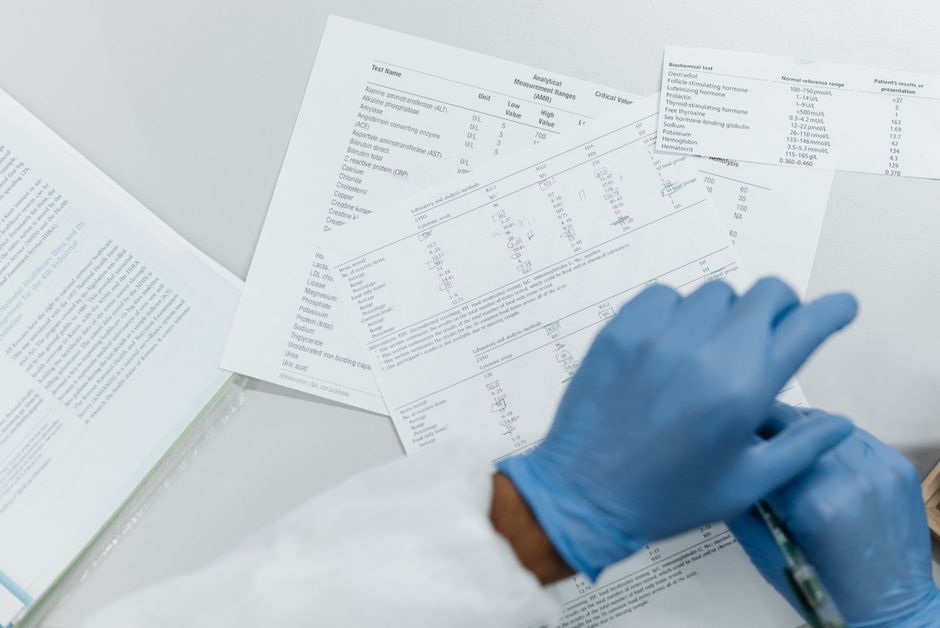
Proof is not only a laboratory report. Depending on the claim, it might include a test result, a certification with a clear scope, a supplier disclosure, or a detailed explanation of how a product was made. The key is that the evidence should match the statement. A document about one ingredient cannot substantiate every claim made about a finished product; a certification for one facility does not automatically describe an entire supply chain.
Joy Organics, for example, operates in a category where shoppers may look for ingredient details and product testing information. That makes clarity especially important. Customers should be able to find what is tested, how results relate to the specific product, and where the supporting information can be reviewed. A testing claim is most useful when it is easy to connect to a product and current documentation—not when it appears as a badge with no context.
Brands should also be candid about limits. Supply chains can be complex, and not every company can trace every component to the same level. Saying what is known, what is still being mapped, and what a claim covers is more credible than implying total transparency while offering only broad assurances.
Editorial design can make sourcing easier to see
Publishing choices shape whether proof is findable. On a Squarespace-hosted site, for instance, a magazine can organize product coverage, author information, and reader feedback in a way that feels intuitive rather than buried. Images delivered through a squarespace-cdn address can support the visual story, while captions and nearby copy identify what readers are looking at and why https://reveriepage.com/blog/wellness-is-the-new-luxury-category it matters.
Author pages are another small but meaningful trust signal. A consistent author-page link style lets readers see who reported or reviewed a story, what that person covers, and how to find related work. It works like a label inside a garment: a modest piece of context that helps people understand what they are seeing.
Reader input matters, too. A visible PAGE Reader Survey link gives the audience a direct way to say which sourcing details they want to see, what claims they find confusing, and where coverage should go deeper. That feedback can guide future reporting without pretending that a survey substitutes for independent verification.
For editors and brands alike, a useful publishing checklist is simple:
Put the specific claim near the product or story it describes. Link to the evidence or explain where it can be requested. Define terms such as “recycled,” “organic,” or “tested” in context. Separate sourced facts from brand language and editorial interpretation. Update pages when materials, suppliers, or supporting documents change.Honesty over mystique is a stronger luxury story
Luxury does not have to lose its sense of pleasure when it becomes more transparent. There is still room for beautiful imagery, thoughtful packaging, and the small thrill of finding a piece that feels exactly right. But those elements are more convincing when the product can stand up to practical questions.
The new luxury is not a claim that a product is perfect, pure, or universally life-changing. It is a company’s willingness to be specific: what the item is made of, what it is designed to do, what has been tested, and what remains unknown. Traceable materials and verifiable claims do not replace taste. They give taste something solid to stand on.
When luxury enters the everyday, its standards should follow. A garment should feel good beyond the fitting room. A wellness-adjacent product should avoid promising more than its evidence supports. A quiet label should offer more than a quiet logo. And a magazine should help readers see the difference between an appealing story and a substantiated one.
That is luxury with the mystique left intact where it belongs—in the experience of wearing, using, and living with a well-made thing—and the facts made clear where they belong: right beside the promise.