
見えない境界線
●UFO内部告発者になるまでの私の旅(全3回の第2回)
第二部:官僚主義、破壊工作、内部告発
2025年8月30日
About Me
My name is Matthew Brown and I was introduced to the public by investigative journalists Jeremy Corbell and George Knapp on April 29th, 2025 in an interview series. There, I was identified as a UFO whistleblower to Congress and the author of the Immaculate Constellation Report.
First revealed by investigative journalist Michael Shellenberger, this report summarizes my investigation, carried out from within the Pentagon, into Unidentified Anomalous Phenomena (UFOs) and Non-Human Intelligence (Aliens).
I created this publication to help advance the cause of disclosure, restore the supremacy of our Constitution, and close critical information gaps. Therefore, this work is provided free of charge. If you want to support my efforts please consider a paid subscription, or tipping me on ko-fi.
Many questions still remain — about myself, the UFO phenomena, and the actions of our government. I am committed to sharing as much truthful and actionable information as possible.
Moving our civilization into the next era will require millions of Americans, and I am honored to stand alongside those already working toward a better future. More will come.
私について
私の名はマシュー・ブラウンだ。
2025年4月29日、調査報道ジャーナリストのジェレミー・コーベルとジョージ・ナップによるインタビューシリーズで公に紹介された。そこで私は、議会へのUFO内部告発者であり、イマキュレート・コンステレーション報告書の著者であると特定された。
調査報道記者マイケル・シェレンバーガーによって初めて公開されたこの報告書は、国防総省内部から実施した未確認異常現象(UFO)および非人間的知性体(エイリアン)に関する私の調査をまとめたものである。
私はこの出版物を、記録公開の推進、憲法の優位性の回復、そして重要な情報格差の解消に貢献するために作成した。
したがって、この著作は無料で提供される。私の活動を支援したい場合は、有料購読を検討するか、ko-fiでチップを送ってほしい。
私自身、UFO現象、そして政府の行動について、未だ多くの疑問が残されている。私は可能な限り真実かつ実践可能な情報を共有することを誓う。
文明を次の時代へ移行させるには、何百万ものアメリカ人の協力が必要だ。より良い未来に向けて既に活動している人々と共に歩めることを光栄に思う。さらに多くのことが明らかになるだろう。
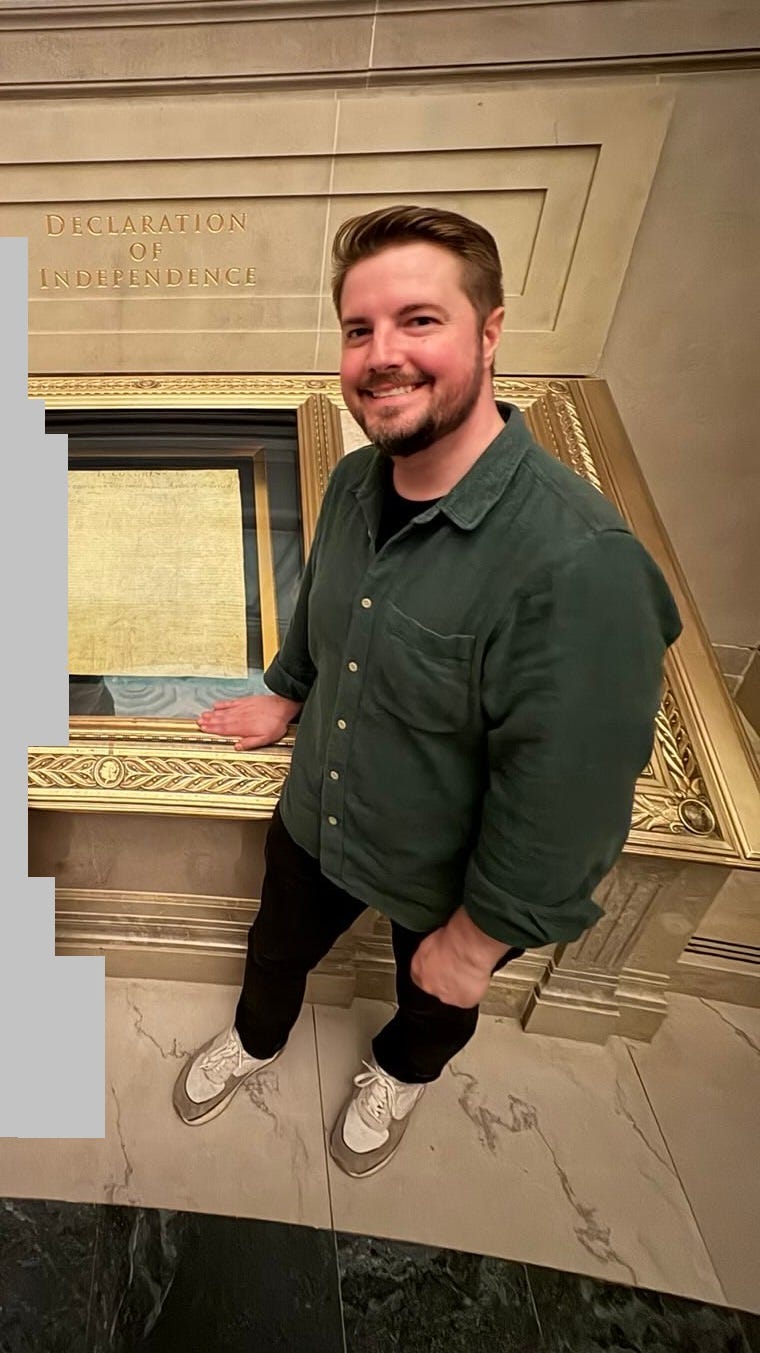

「UAP:真実を暴く」2024年11月13日 - 下院監視・政府改革委員会
官僚機構、2021-2022年
2021年6月、ワシントンは50年間閉ざしてきた扉をわずかに開けた――そしてその向こうに何があるか分からないと認めたのだ。
国防総省の未確認航空現象タスクフォース(UAPTF)は、UAPに関する予備評価報告書を議会に提出した。これは1969年の悪名高い否定的なコンドン報告書以来、初の公式かつ公開されたUFO報告書である。その提言は慎重なものだった:軍事報告の改善、データ分析の一元化、UAP収集のための資源拡大——公式に「未知」とされた脅威に対する妥当な措置である。
予想通り、UAPTF報告書はUAPの起源・性質・意図について何の答えも示さず、歴史的なUFO計画の存在を慎重に認めなかった。それでも数十年にわたる公式の沈黙の後では、慎重ささえも進歩に感じられた。私はこれらの動きを強い関心を持って追った。内部から、記録公開に向けた次なる組織的な小さな一歩を目撃できると興奮していたのだ。
画期的な報告書発表から数ヶ月も経たぬうちに、UAPTFはあっさりと解散した。代わりに誕生したのは、官僚だけが愛せるような名称の組織だ——空中物体識別管理調整グループ(AOIMSG)。AOIMSGは短命に終わり、その年内にAAROに取って代わられ、混乱した遺産を残した。
当初、私はUAPTFからAOIMSGへの混乱した移行を、移行期に予想される混乱の一部として軽く見ていた。しかし時が経つにつれ、UAPに関する許容される議論の範囲が内部で狭まっていくのを目撃した。機密扱いのグループには内部から人が入り込み、根拠のない保安違反が報告され、議論は敏感な領域から遠ざけられ、偽情報が流布された。
我々観察者にとって、これらは行政機関の重心が記録公開に反対する方向に転換した初期の兆候だった。
AAROのラテン語モットー:「宇宙は変化である。我々の人生は思考が形作るものだ」
議会は2022会計年度国防権限法(FY22 NDAA)において、UAP担当中央機関の設置を義務付けた。これが全領域異常現象解決局(AARO)として運用開始された。
同法はまた、軍・情報機関の内部告発者が議会委員会に直接証言する正式な経路を確立した。さらに懸念すべきは、秘密保持契約(NDA)にもかかわらず議会への合法的記録公開を認める例外規定を含み、連邦機関にUAP告発者への報復行為の調査を義務付けた点だ。
この立法の含意は衝撃的だった。強制的な記録公開契約が米国民を沈黙させ、UAP内部告発者は報復に直面していた。前者の場合、恩赦条項は秘密保持契約が米国民の「エイト・ギャング」への証言を妨げていることを示唆していた。
たとえそのような契約が違法であってもだ。後者の場合、報復を禁止する明文化の必要性は、議会が進行中の報復を阻止する力を持たないことを強く示唆していた。
これらの出来事は総合すると、不穏な疑問を提起した。いわゆる「レガシー・プログラム」とその後継組織は、行政・立法・司法の三権分立による抑制と均衡の外で暴走していたのか?議会はさらに暗い何か――米軍事産業情報複合体内部に潜む外国勢力の活動先端――の存在を認識していることを示唆していたのか?
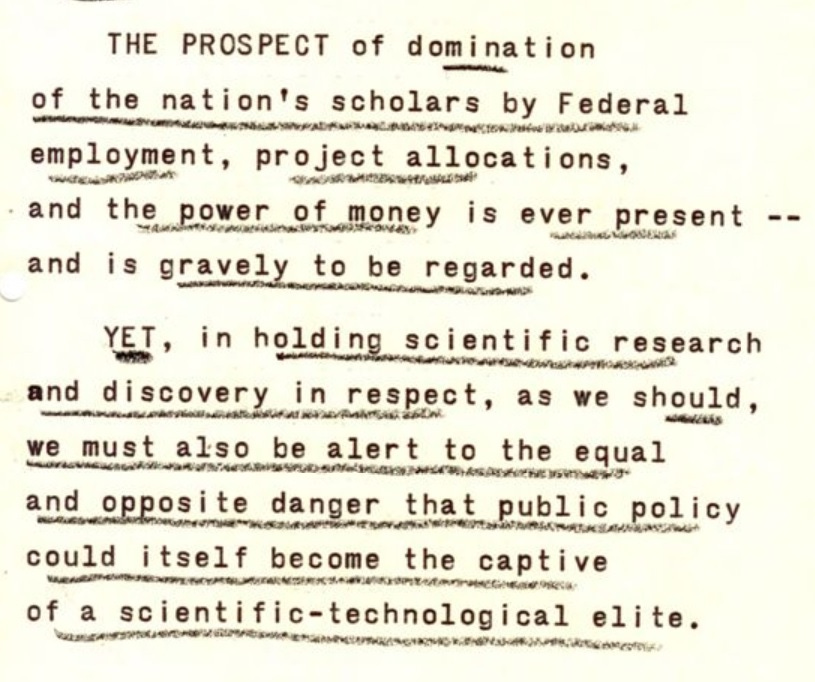
アイゼンハワー大統領の退任演説(18ページ)
破壊工作、2022-2023年
軍事産業複合体の核心部から、私はこのタコのような敵が議会の監視を破壊し誤導する働きを目撃した。一般大衆が知らなかったのは、AOIMSGとAAROの両組織が、防衛・情報機関の上級幹部で構成される秘密の「執行評議会」の支配下で活動していた事実だ。
私はまず内部ルートでこの評議会の存在を知り、その後ジャーナリストのマシュー・フォードの報道で裏付けを得た。
私の見解では、この秘密評議会はレガシー計画の内部ゲートキーパー兼監視役として機能していた。アクセス要求を統制することで、AAROの調査官を機密作戦や高価値UAPデータから効果的に遠ざけたのだ。さらに悪いことに、この評議会はAAROの内部告発者インタビュー内容を全て受け取っていた。これによりタイトル10とタイトル50の境界を跨ぐレガシー・プログラム関係者が、潜在的な情報漏洩を確実に把握できたのだ。実質的に、内部告発者の個人情報と保護された記録公開内容が、彼らが暴露しようとした相手側に裏ルートで流れていたのである。
より巧妙な点として、この秘密評議会はAAROの議会対応を掌握していた。これにより評議会のメンバーがAAROの議会関係者との会合に常時同席し——詳細に記録——することを保証した。目的は明白だった:議会と国民の認識を慎重に管理すること。この「透明性」は一方通行で、門番たちのみに利益をもたらした。私にとってAAROは、せいぜい良き意図が歪んだものか、あるいは罠に過ぎないように見えた。
そうした状況下で、私は既に内部告発者として議会に赴いた者や、そのリスクを覚悟している者たちと接触し始めた。世間で信じられていることとは裏腹に、内部告発者になる安全な道など存在しなかった。前進しようとする者たちは鏡の迷宮に直面する。それを成し遂げた者は皆、国家安全保障官僚機構の中を自らの手で道を開き、ほとんどの場合、法的代理人の盾もなく突き進まねばならなかった。
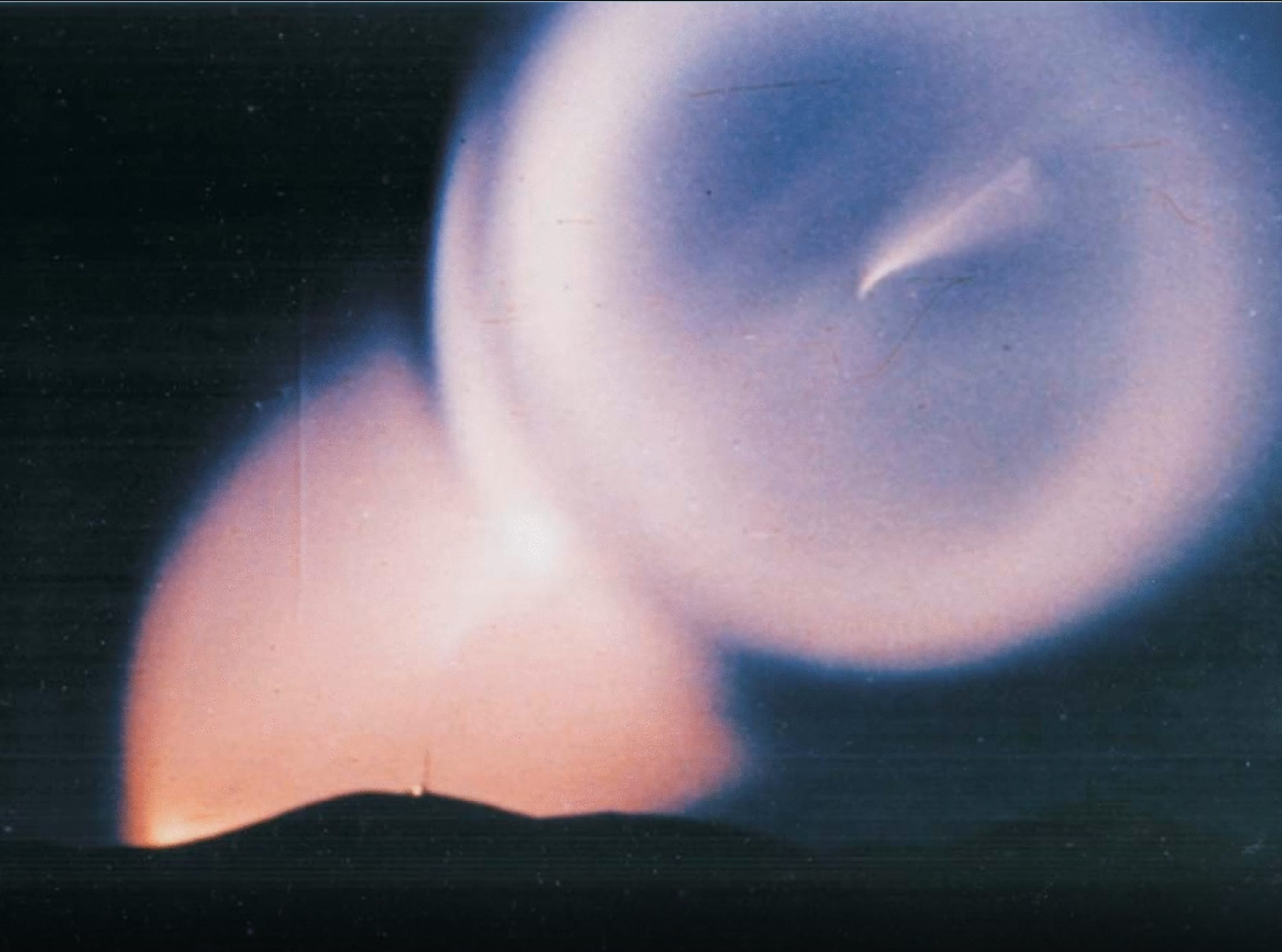
光のドーム。
ある6月ののんびりした午後、この迷宮と目に見えないミノタウロスたちを考え込んでいた時、ある連絡役がThe Debriefの記事を送ってきた。これがデビッド・グラッシュとカール・ネルとの正式な出会いだった。私は興奮しながらその記事を繰り返し読み、彼らが語る「レガシー計画」とUAP内部告発者への報復に深く不安を覚えた。彼らはアメリカの最も機密性の高い国家安全保障計画に携わる有能な人間たちだった。それでもなお、沈黙を守るよう脅されていたのだ。
政府が見せしめを作ろうとする時、その汚い手口がどれほど効果を発揮するか、一般市民が知ることは稀だ。私はヒューミント要員ではないが、グラッシュらが深刻な脅威に直面していることは理解できた。デイブのケースは特に悪質だった。上級情報官であり、戦闘経験のある退役軍人であり、善良な人間が、自国に奉仕した国家の保安機関に迫害されるという事態だ。
我々の仲間が黒いヘリコプターに連れ去られたと知り、腹立たしい思いだった。
明らかに、リスクはほとんどないと保証した連中は間違っていた――危険は現実のものだった。差し迫っていた。そしてそれは内部から迫っていたのだ。私は連絡先に直接会談を求め、特定の情報を開示し、新たな情報を得た上で、ハート上院議員事務所ビルにて上院情報特別委員会(SSCI)スタッフとの面会に同意した。2023年7月26日のグラッシュ氏出席によるUAP公聴会は、私の決意をさらに固めた。全てを賭けたアメリカの英雄による行動の呼びかけ——我々はそれに応える。
山と雲 - アレクサンダー・カルダー
2023年8月17日の朝、私は国務省の新職を休んだ。ワシントンDCのサラリーマン風制服に身を包み、蒸し暑い夏の熱気の中を電動スクーターで議事堂へ向かった。英雄的なイメージとは程遠い姿だった。連絡担当者は既に待っていて、我々は感謝しながら上院議員事務所の冷たい大理石の廊下へと逃げ込んだ。歩きながら、一つの選択が重くのしかかった。安全策を取り偽名で署名し、議会への信頼性を損なうべきか?それとも暴露のリスクを冒して本名で署名すべきか?結局、ここまで来て門前で躓くわけにはいかない——本名で署名した。
面会は予想通り順調に進んだ。安全に開示できる情報には慎重だったが、議論は実り多く、私の情報は真剣に扱われた。しかし深く落胆したのは、私が説明した特別アクセスプログラム(SAP)のいずれも議会に正式に開示されていなかった事実を知ったことだ。その日の終わりに、上院軍事委員会(SASC)との追跡会議、その後下院情報委員会(HASC)および軍事委員会(HPSCI)との会議が予定されていると伝えられた。
誰も私に危害を加える意図はないと保証され、今後の会議では初回に控えた内容も扱うと告げられた。プロセスは順調に進んでいるように感じられた。灼熱の8月の太陽の下へ出ると、自分があれほど心配していたことにほとんど恥ずかしくなった。確かに議会に報告したプログラムは違法と確認されたが、秩序ある解決が進んでいると言われた。私は仕事に戻り、より従来の手法でワシントンの記録公開運動をどう支援できるか考え始めた。
アンクル・サムは常に耳を澄ませている。
2023年9月中旬までに、この進歩への素朴な幻想は消え去った。具体的な報復事件の不穏な詳細が伝えられた。所持していた機器が奇妙な挙動を見せ始めた——電池が突然切れる、特定の通話に慢性的な雑音が入る、文字入力に遅延が生じる、見知らぬ番号から不審な時間帯に電話がかかってくる。説明のつかない新たな顔ぶれが、警備区域内のコミュニティや関連施設を不気味なほど容易に動き回り——その間ずっと探りを入れるような質問を繰り返していた。次第に居心地が悪くなってきた。
こうした不快な経験から、「抗体」がワシントン周辺で確かに活動していることを確信した。さらに悪いことに、UAP記録公開法が下院で阻止されるという知らせが入った。ワシントンの裏工作を覆すだけの政治的資本が明らかに不足していたのだ。しかし議会からの率直なメッセージに一筋の希望が見えた。「火をつける人間が必要だ。さもなくばUAP記録公開法は失敗する」
内部告発、2024-2025年
火をつける手段は限られていた——秘密保持の誓約に縛られていたからだ——しかし、SSCIに提出した報告書の編集版を公開することを考えた。当時、私が知っていた唯一の選択肢は、デビッド・グラッシュとルー・エリゾンドが取ったルート、すなわち国防総省事前公開・安全保障審査局(DOPSR)を通すことだった。彼らの経験から、DOPSRの手続きには数ヶ月から1年以上かかることを知った。幸い、国務省(DOS)がグローバル公共問題局を通じて独自の機密解除手続きを維持していることをすぐに発見した。現役の国務省職員であることが問題を解決した——DOSを通じて公開のための機密解除を追求し、迅速な処理を期待することにした。
DOPSRのプロセス
『イマキュレート・コンステレーション報告書』の執筆過程で、私は並行して行政機関内の協力者探しを進めた。その一環として、報告書を機密扱いで国務省幹部に提供し、議会への内部告発者としての立場を説明し、編集済み報告書の審査提出計画を共有し、正式に今後の進め方について指導を求めた。2024年夏までに、国務省は私の報告書を一切の編集なしに公開することを承認した。
そこから事態は急速に進展した。私はカリフォルニアでマイケル・シェレンバーガーと面会し、彼が「IMCON」報告書に関するスクープ記事を書くことに同意し、私の匿名性保持の要求も認めた。マイケルの画期的な記事は2024年10月に公開され、従来のUFO界隈を超えた影響を与えた。その結果、彼は間もなく開催されるUAPに関する第2回議会公聴会への証言に招かれた。これは幸運な巡り合わせとなる。
レイバーン下院議員会館
公聴会直前、私はマイケルとジェレミー・コーベルと会って最終準備を整えた。私たちは共同で最終版となる12ページの「イマキュレート・コンステレーション」報告書を確認した。ジェレミー・コーベルは最終版(私が検証・印字した原本)を議会に提出し、記録に添付させる予定だった。マイケルは報告書の内容と自身のUAP調査実績について証言する。公聴会ではルー・エリゾンド、ティモシー・ガローデ、マイク・ゴールドら記録公開推進派の証言も予定されていた。これは私の報告書を安全かつ匿名で世に送り出す最善の方法だと感じた。
11月13日の公聴会は、控えめながらも記録公開にとって真の成功だった。4人の卓越した証人がUAPの実在を宣誓証言し、12ページある私の報告書の11ページが公文書として記録された。舞台裏では、公共の利益と国家安全保障のバランスが取られたが、私の見解では現状維持に偏りすぎている。国民と記録公開推進派はより具体的な立法成果を望んでいたが、物議を醸す政権が再登場したことで、レームダック現象が顕著になった。
劇的な出来事が11月13日のUAP公聴会を瞬く間に覆い隠した。世間の関心はニュージャージー州のドローン騒動、マシュー・リベルズバーガーの不可解な死、イスラエルとイランの代理戦争、ウクライナでの継続的な戦争、そして絶え間なく発生する国内の日常的危機へと移った。騒音に埋もれ、優先順位を下げられたUAPDAは、静かに二度目の成立を逃した。
第三部で続く…
Invisible Frontiers
My Journey to Become a UFO Whistleblower (02 of 03)
Part Two: Bureaucracy, Subversion, Whistleblowing
Aug 30, 2025
Bureaucracy, 2021-2022
In June 2021 Washington cracked a door it had kept shut for fifty years — and admitted it did not know what lay beyond. The Pentagon’s Unidentified Aerial Phenomena Task Force (UAPTF) delivered a preliminary assessment of UAP to Congress — the first official, public report on UFOs since the infamously dismissive Condon Report of 1969. Its recommendations were cautious: improve military reporting, centralize data analysis, and expand resources for UAP collection — reasonable steps in the face of an officially “unknown” threat.
As expected, the UAPTF report offered no answers about UAP origin, nature, or intent — and carefully avoided any acknowledgment of the historical UFO program. Still, after decades of official silence, even caution felt like progress. I followed these events with great interest, excited to witness from the inside what felt like the next institutional baby-step towards disclosure.
Within months of releasing its groundbreaking report, the UAPTF was unceremoniously dissolved. In its place came an organization with a name only a bureaucrat could love: the Airborne Object Identification and Management Synchronization Group (AOIMSG). The AOIMSG proved short-lived and was superseded by AARO within the year, leaving behind a messy legacy.
At first I dismissed the chaotic shift from UAPTF to AOIMSG as part of the turbulence to be expected during a transition year. Yet, as time passed, I witnessed an internal narrowing of acceptable discourse around UAPs. Cleared groups were infiltrated, spurious security violations were filed, discussions were steered away from sensitive areas, and disinformation was circulated. For those of us watching, these were early signs that the center of gravity within the Executive Branch had turned against disclosure.
Congress responded by mandating the creation of a centralized UAP office in the FY 2022 National Defense Authorization Act (FY22 NDAA). This became operationalized as the All-domain Anomaly Resolution Office (AARO). The Act also established a formal channel for military and intelligence whistleblowers to provide testimony directly to congressional committees. More disconcertingly, it included a carve-out permitting lawful disclosures to Congress notwithstanding NDAs, and it required federal agencies to investigate reprisals against UAP whistleblowers.
The implications of this legislation were startling: coercive non-disclosure agreements had silenced American citizens, and UAP whistleblowers were facing retaliation. In the former case, the amnesty provision implied that NDAs prevented U.S. citizens from testifying to the ‘Gang of Eight,’ even though such agreements are illegal. In the latter case, the need for explicit language prohibiting reprisals strongly suggested that Congress was powerless to stop ongoing retaliation.
Taken together, these events raised disturbing questions: had the so-called “Legacy Program” and its descendants gone rogue operating outside the checks and balances of the Executive, Legislative, and Judicial branches of government? Was Congress signaling awareness of something even darker — the operational tip of a foreign faction embedded within the U.S. military-industrial-intelligence complex?
Subversion, 2022-2023
From the heart of the MIC, I watched this octopus-like enemy work to subvert and mislead Congressional oversight. What the general public did not know was that both AOIMSG and AARO operated under the control of a secret “executive council” made up of senior leaders from the defense and intelligence establishment. I first learned of this council through internal channels, then found confirmation in the reporting of journalist Matthew Ford.
In my view, the secret council functioned as the Legacy Program’s internal gatekeeper and watchdog. By controlling access requests, it effectively steered AARO investigators away from sensitive operations and high-value UAP data. Worse, the council received the full contents of AARO’s whistleblower interviews, ensuring Legacy-Program stakeholders on both sides of the Title 10 and Title 50 divide were made aware of potential leaks. In effect, the personal information of whistleblowers — and their protected disclosures — were back-channeled to the very people they were trying to expose.
More subtly, the secret council ran AARO’s congressional affairs. This ensured that one of their own sat in — and meticulously documented — every Hill meeting with AARO. The aim was clear: carefully manage the perceptions of Congress and the public. This “transparency” flowed one way, benefiting only the gatekeepers. To me AARO looked, like, at best, a good idea gone wrong or, more likely, a trap.
In that context, I began meeting others who had already gone to Congress as whistleblowers or were preparing to take that risk. Contrary to popular belief, there was no safe path to become a whistleblower. A maze of mirrors confronted those attempting to go forward. Any who did had to cut their own trail through the national security bureaucracy, almost always without the shield of legal representation.
One slow June afternoon, as I contemplated this maze and its invisible Minotaurs, a contact sent me an article in The Debrief. It was my formal introduction to David Grusch and Karl Nell. I excitedly read and reread that article, growing deeply troubled by their accounts of a Legacy Program and retaliation against UAP whistleblowers. These were highly capable men working on America’s most sensitive national security programs, yet even they were threatened to remain silent.
The public rarely sees how effective the government’s dirty tricks playbook can be when it wants to make an example. I am not a HUMINT operator, but I knew enough to recognize that Grusch and others were facing serious threats. Dave’s case was especially egregious: a senior intelligence official, a combat veteran, and a good man harassed by the security services of the nation he served. It was infuriating to know that the black helicopters had come for one of our own.
Clearly, the people who had assured me there was little risk involved were wrong — the danger was real. It was immediate. And it was coming from inside the house. I asked for an in-person meeting with a contact, laid certain cards on the table, received some new information, and agreed to meet with the staff of the Senate Select Committee on Intelligence (SSCI) at the Hart Senate Office Building. The public UAP hearing on July 26th, 2023 with Grusch further convinced me. A call to action had been made by an American hero risking everything: we would answer.
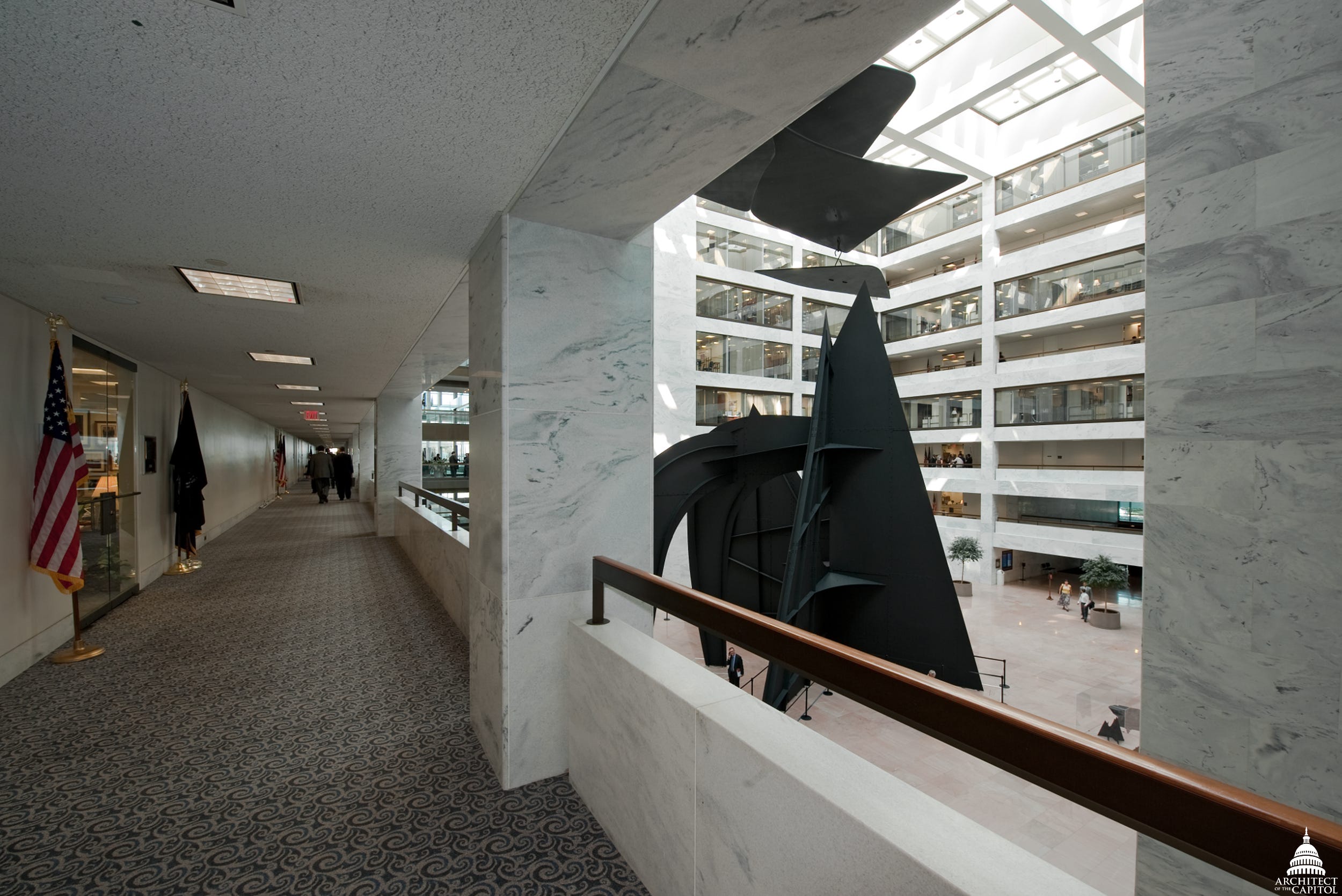
On the morning of August 17th, 2023, I took leave from my new job at State. Dressed in the uniform of a DC office drone, I rode an electric scooter through the swampy summer heat toward the Hill - a far cry from any heroic image. My contact was already waiting, and together we gratefully escaped into the cool marble halls of the Senate offices. As we walked, a choice weighed on me. Should I play it safe and sign in under a pseudonym, thus weakening my credibility to Congress? Or would I risk exposure and sign my true name? Ultimately, I had not come this far to stumble at the threshold — I signed my true name.
The meeting proceeded as well as could reasonably be expected. Though cautious about what I could safely disclose, I found the discussion productive and my information was treated seriously.To my deep dismay, I learned that none of the special access programs (SAPs) I described had been officially disclosed to Congress. At the end of the day I was told to expect follow-up meetings with the Senate Armed Services Committee (SASC) and later with the House Intelligence Committee (HASC) and Armed Services Committees (HPSCI).
I was assured that no one intended me harm, and told that future meetings would cover what I’d held back at the first; the process felt on track. Stepping into the hot August sun, I was almost embarrassed by how much I’d worried. Yes, the programs I’d reported to Congress had been confirmed as illegal, but I was told an orderly resolution was underway. I went back to work, turning my thoughts to how I might help the disclosure movement in Washington through more conventional channels.
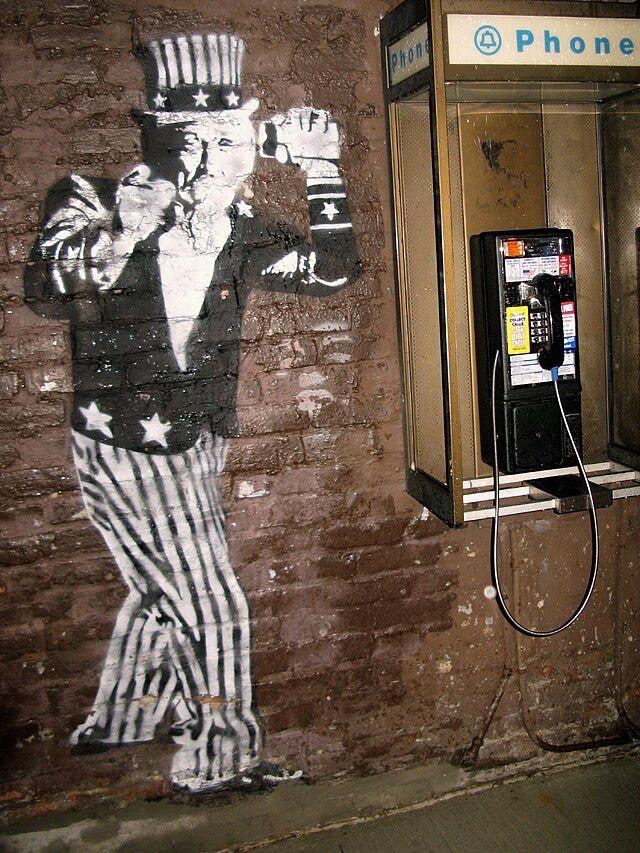
By mid-September 2023 this naive illusion of progress was gone. I received unsettling details of specific retaliatory incidents. Devices in my possession began behaving strangely — batteries suddenly drained, specific calls had chronic interference, text inputs lagged, and strangers rang from strange zip codes at odd hours. Unexplained new faces moved through the cleared community and related facilities with uncanny ease — all while making probing inquiries. Things were starting to feel crowded.
These and other unpleasant experiences convinced me that the “antibodies” were very real and very active around Washington. Worse, news came that the UAP Disclosure Act was going to be blocked in the House. Apparently there was not enough political capital to overcome backroom opposition in Washington. But a glimmer of hope came in the form of a blunt message from Congress: “We need people to start fires, or else the UAPDA will fail.”
Whistleblowing, 2024-2025
My options to start fires were limited — I remained bound by my oaths of secrecy — but I considered releasing a redacted version of the report provided to SSCI. At the time, the only option I knew of was the route taken by David Grusch and Lue Elizondo: the Defense Office of Prepublication and Security Review (DOPSR). From their experiences, I learned that the DOPSR process could take many months to over a year. Fortunately, I soon discovered that the Department of State (DOS) maintained its own clearance process through the Bureau of Global Public Affairs. Being an active State Department employee settled the matter — I would pursue clearance for public release through DOS and hope for a fast timeline.
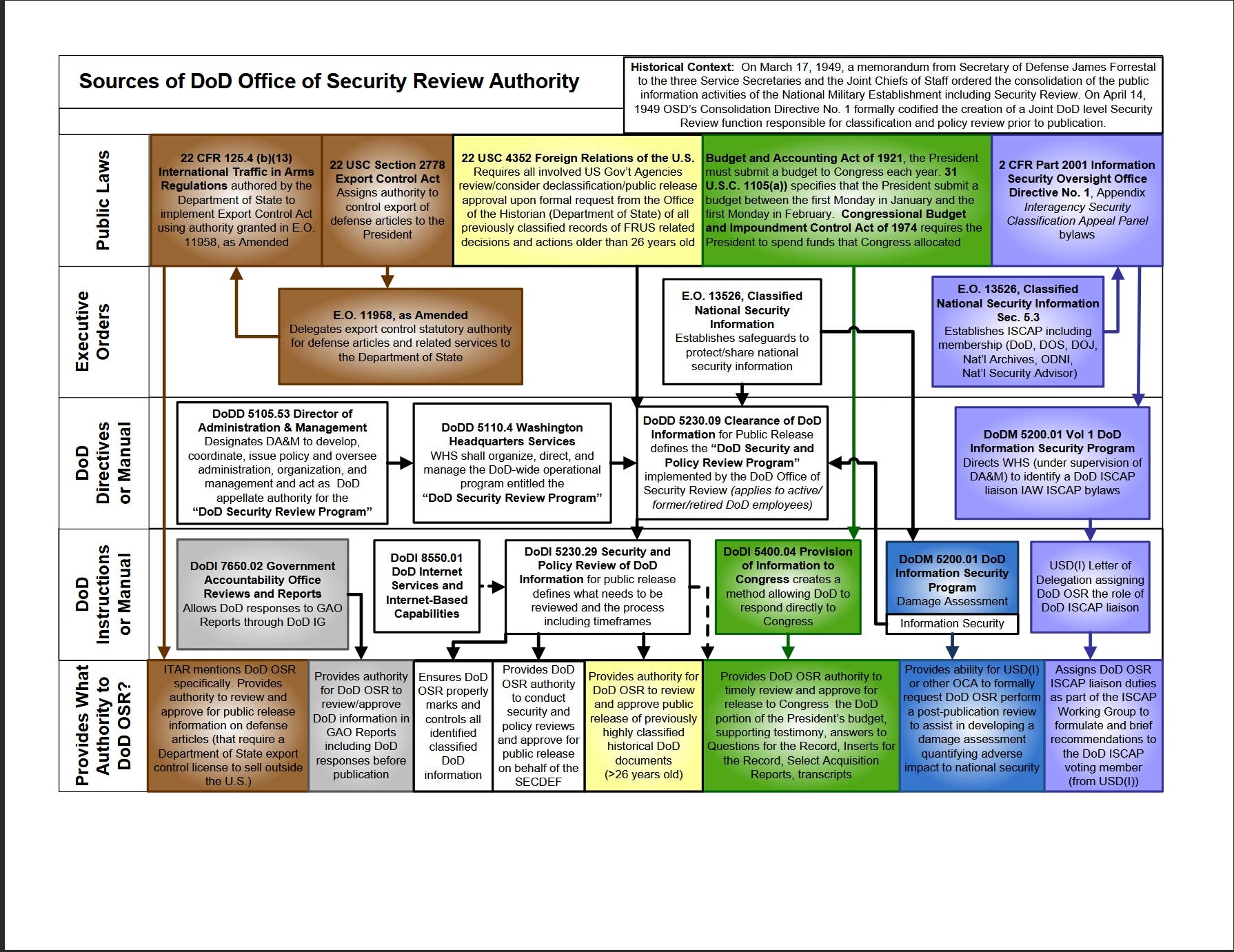
During the writing process of the Immaculate Constellation Report, I made a parallel effort to find allies within the Executive Branch. As part of that effort I provided a classified version of my report to DOS leadership, briefed them on my whistleblower status with Congress, shared my plan to submit a redacted report for clearance, and formally requested guidance on how to proceed. By the summer of 2024, the Department of State had approved my report for public release, with no redactions.
From that point events moved quickly. I met with Michael Shellenberger in California, where he agreed to break the story on the “IMCON” Report, and granted my request for anonymity. Michael’s groundbreaking article went live in October of 2024 and made an impact outside of traditional UFO circles. Consequently, he was invited to testify at the upcoming second Congressional hearing on UAPs. This would prove to be a fortuitous circumstance.
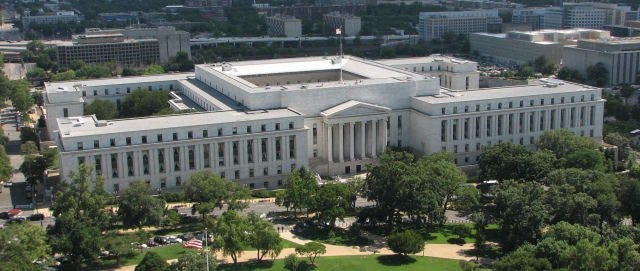
Shortly before the hearing, I met with Michael and Jeremy Corbell to finalize preparations. Together we reviewed the final 12-page Immaculate Constellation report. Jeremy Corbell would take the final copy — verified and marked by myself — and give it to Congress for submission onto the record. Michael would testify to both its contents and his own extensive UAP investigations. The hearing would also featured testimony from pro-disclosure allies such as Lue Elizondo, Timothy Gallaudet, and Mike Gold. This felt like the best possible way to safely and anonymously deliver my report to the public.
The November 13th hearing felt like a genuine, albeit moderate, success for disclosure. Four exceptional witnesses testified under oath to the reality of UAPs, and 11-pages of my 12-page report made it onto the record. Behind the scenes, a balance was struck between public interest and national security, though tilted too far toward the status quo in my opinion. The public and pro-disclosure movement obviously wished for more concrete legislative outcomes, but with a controversial administration returning to power, the lame duck effect took hold.
Dramatic events quickly overtook the November 13th UAP hearing. The public’s attention shifted to the New Jersey Drone Flap, the suspicious death of Matthew Livelsberger, the proxy war between Israel and Iran, the ongoing war in Ukraine, and the endless churn of domestic crises du jour. Lost in the noise and de-prioritized, the UAPDA quietly failed to pass for a second time.
Concludes in Part Three…
@Kz.UFO現象調査会